Welcome More Life to Your Backyard Sanctuary
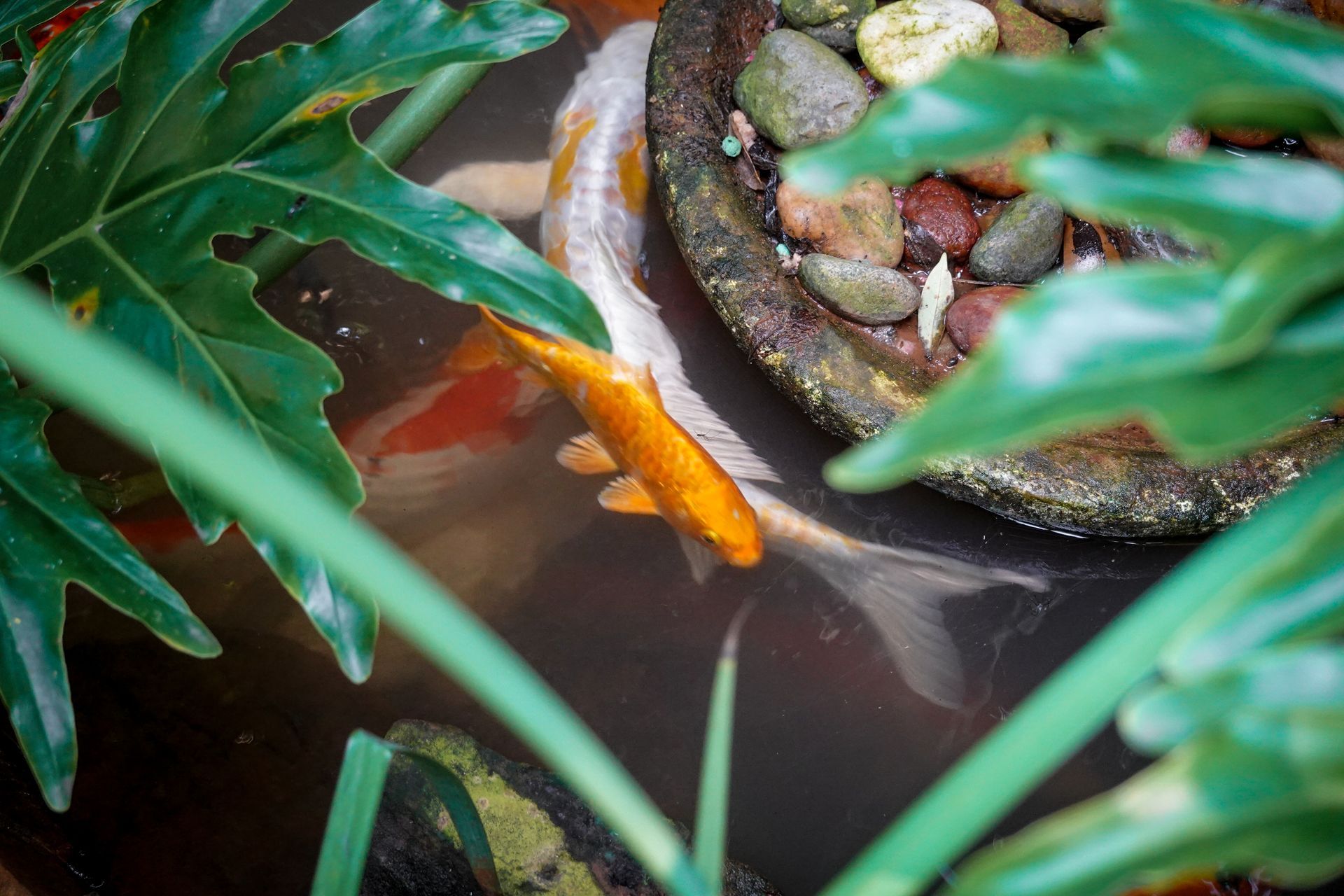
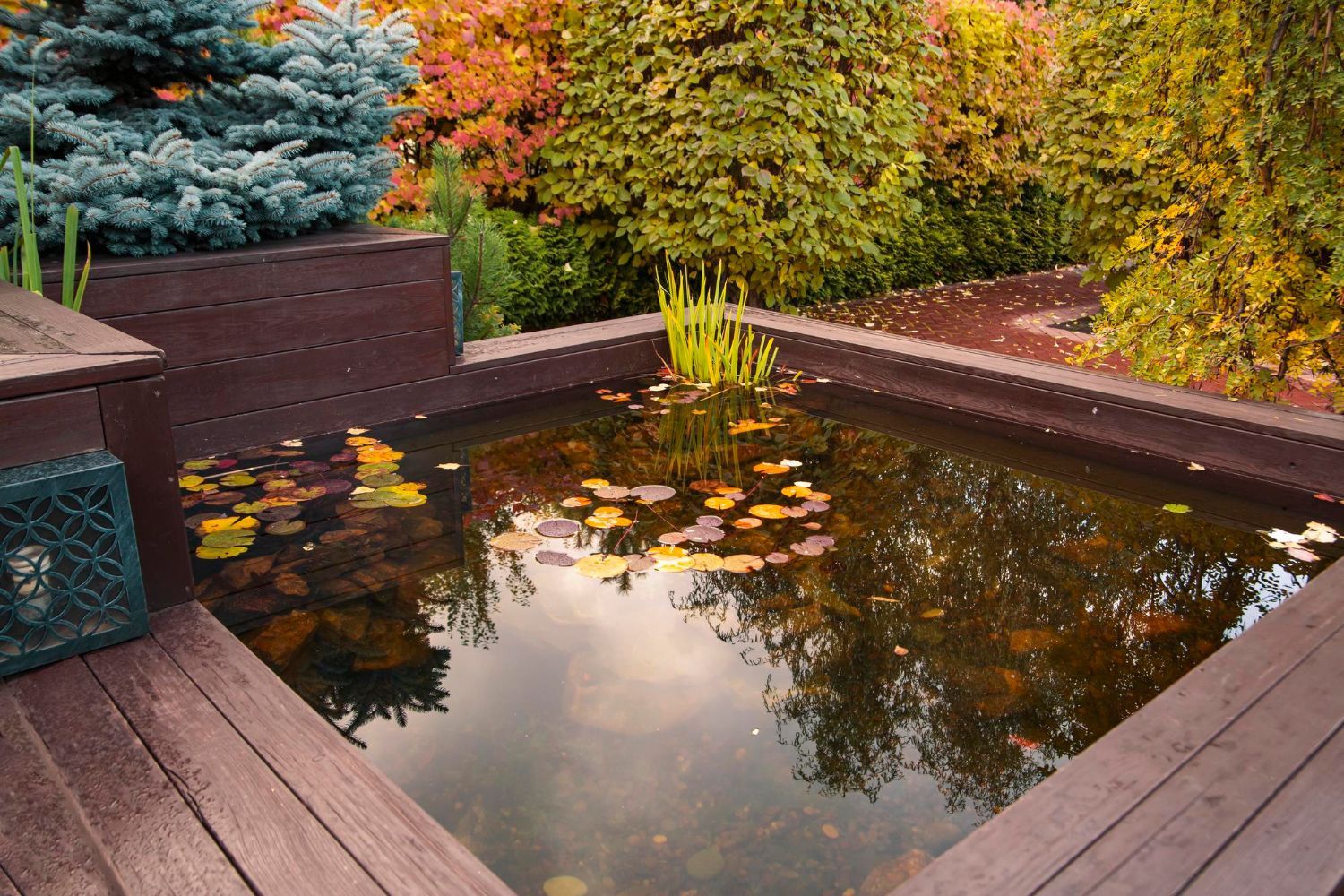
A quiet backyard pond can feel nice, but a pond connected to a well-designed wetland filter feels alive. The water stays clear, koi glide calmly, frogs tuck into the shallows, and pollinators work the flowers along the edges. It looks and sounds like it could have been there for decades, shaped slowly by nature.
A wetland filter is usually installed for better biological filtration and cleaner water, but it can do much more. When planned with plants, stone, and depth changes, it becomes habitat for pollinators, frogs, dragonflies, and the beneficial insects that help keep pests in check. The pond becomes less of a water feature and more of a small ecosystem.
At PD Waterscapes, we focus on that “designed by nature” feel, where fish are healthier, plants are lush, and wildlife feels like it has always belonged. We will walk through how a wetland filter works, the five elements of a healthy koi pond, practical layouts and plant lists for Connecticut, and how to shape stone and water for both beauty and wildlife.
How a Wetland Filter Becomes a Living Habitat
A wetland filter is a shallow basin, usually raised a bit above the main pond. Pond water is pumped up into this basin and spread out across a gravel bed. Under the gravel are layers of stone and pipes that help spread the water evenly. As water moves slowly through the gravel and plant roots, beneficial bacteria break down fish waste and excess nutrients. The clean, oxygen-rich water then flows back into the pond.
That same structure creates many small “rooms” for wildlife. Different spots in and around the wetland filter support different kinds of life:
- Shallow, sun-warmed edges give frogs and toads safe places to rest
- Dense plant stems and seed heads give dragonflies, damselflies, and small birds places to land
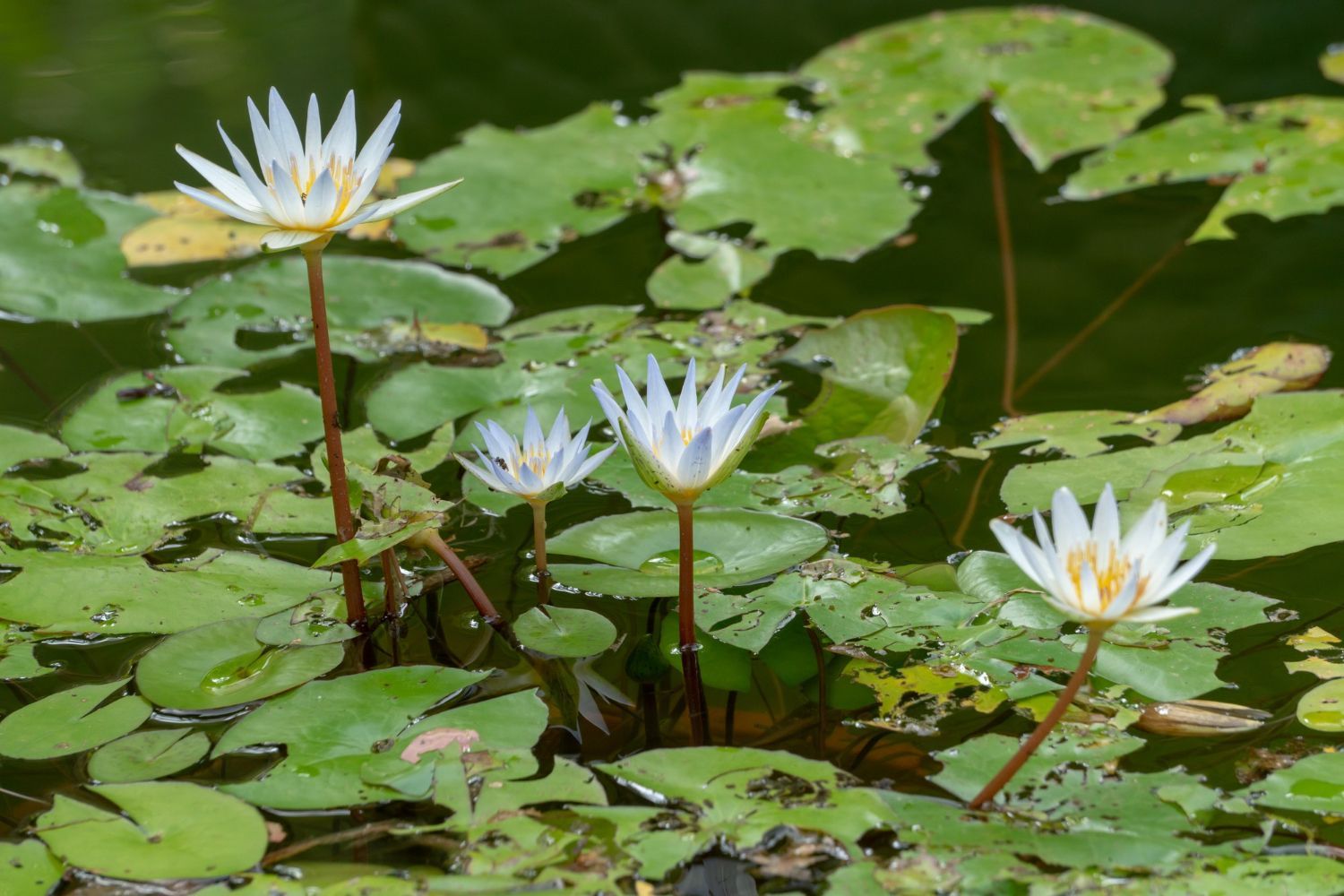
- Nectar-rich flowers draw native bees, butterflies, and hummingbirds
- Moist gravel and plant litter provide shelter for beetles, tiny wasps, and other beneficial insects
This is very different from a plain filter box tucked behind a rock. The wetland filter works more like a natural marsh or bog edge. The water slows down, picks up oxygen, and passes by roots, leaves, and gravel. That mix of water, stone, and plants supports many levels of the food web, from bacteria to insects to frogs to birds.
In Connecticut, the wetland filter changes with the seasons. In spring, amphibians wake up and use the shallow edges. Summer brings peak blooming for many wetland plants, along with constant pollinator activity. In fall, seed heads feed small birds and some insects tuck into hollow stems and leaf layers to overwinter.
Five Elements of a Healthy Koi Pond Ecosystem
A wetland filter works best as part of a complete koi pond ecosystem. We like to think in terms of five simple elements that work together.
Filtration
Mechanical filtration pulls out leaves, pollen, and larger debris before it can break down. Skimmers and pre filters handle that first job. Biological filtration is where beneficial bacteria live, including inside the wetland filter. When the wetland is sized correctly, it keeps water clear and stable while still welcoming wildlife.
Rocks and Gravel
Stone is not just for looks. Boulders, cobbles, and gravel:
- Protect the pond liner from sun and damage
- Give koi and frogs places to hide and rest
- Create huge surface area for bacteria to colonize
Those rock surfaces become living filters, turning bare liner into a natural-looking pond bottom.
Plants
Plants do a lot of work in a koi pond:
- Submerged plants help oxygenate and soak up nutrients
- Marginal plants around the edges shade the water and create cover
- Floating plants help block direct sun and calm surface areas
At the same time, flowers and stems offer nectar, pollen, and shelter to insects and amphibians. The right mix of plants keeps water clearer and supports a richer ecosystem.
Fish
Koi are living investments. They depend on stable, clean water. When the ecosystem is balanced, koi experience less stress and are less likely to face disease problems. That means fewer harsh chemical treatments and less time fighting algae or water clarity issues.
Bacteria
We cannot see them, but bacteria are the backbone of the pond. They turn fish waste, excess fish food, and fallen leaves into plant food. Regular additions of bacteria, especially in spring and early summer, help the system settle in and stay balanced. Over time, the pond and wetland filter move closer to a self-sustaining loop.
Planting the Wetland Filter for Pollinators and Frogs
A good wetland filter has different depth zones. A simple layout for a backyard koi pond looks like this:
- Shallow edge, about 0 to 3 inches of water over the gravel for frog-friendly shallows
- Mid zone, about 3 to 12 inches deep for strong marginal plants
- Slightly deeper channel, up to around 12 to 18 inches, where water returns to the pond
Each zone supports different plants and wildlife.
For Connecticut-friendly choices, we often suggest:
Shallow Edge (0 to 3 inches of water)
- Soft rush (Juncus effusus)
- Blue flag iris (Iris versicolor)
- Pickerel rush (Pontederia cordata)
These give frogs hiding places and strong vertical stems for dragonfly perches.
Mid Zone (3 to 12 inches deep)
- Sweet flag (Acorus americanus)
- Swamp milkweed (Asclepias incarnata)
- Cardinal flower (Lobelia cardinalis)
- Marsh marigold (Caltha palustris)
These plants bring color, draw butterflies and hummingbirds, and help use up nutrients.
Damp Margins (consistently moist soil, not flooded)
- Joe pye weed (Eutrochium maculatum)
- New England aster (Symphyotrichum novae angliae)
- Blue vervain (Verbena hastata)
- Sedges (Carex species)
Planting these just beyond the wet gravel connects the wetland to the rest of the yard.
For long-lasting support of pollinators, it helps to blend:
- Early bloomers like marsh marigold in spring
- Mid summer flowers like swamp milkweed and Joe pye weed
- Late nectar sources like asters and goldenrod
This gives bees, butterflies, and other insects food from roughly April through October in much of Connecticut.
Maintenance stays fairly light. Trim plants back in late winter or early spring, but leave some stems and seed heads standing through fall and early winter so insects can overwinter. Every few years, thin crowded clumps so water can keep moving well through the gravel.
Creating the “Always Belonged” Look with Stone and Water
A pond and wetland filter can look sudden and out of place, or it can look like it was revealed, not installed. Stone placement is a big part of that.
We like to:
- Choose stone that feels natural to the local area
- Partially bury larger boulders so they look anchored
- Cluster rocks in odd-numbered groups instead of making even patterns
This breaks up straight lines and gives the shoreline a natural, weathered feel.
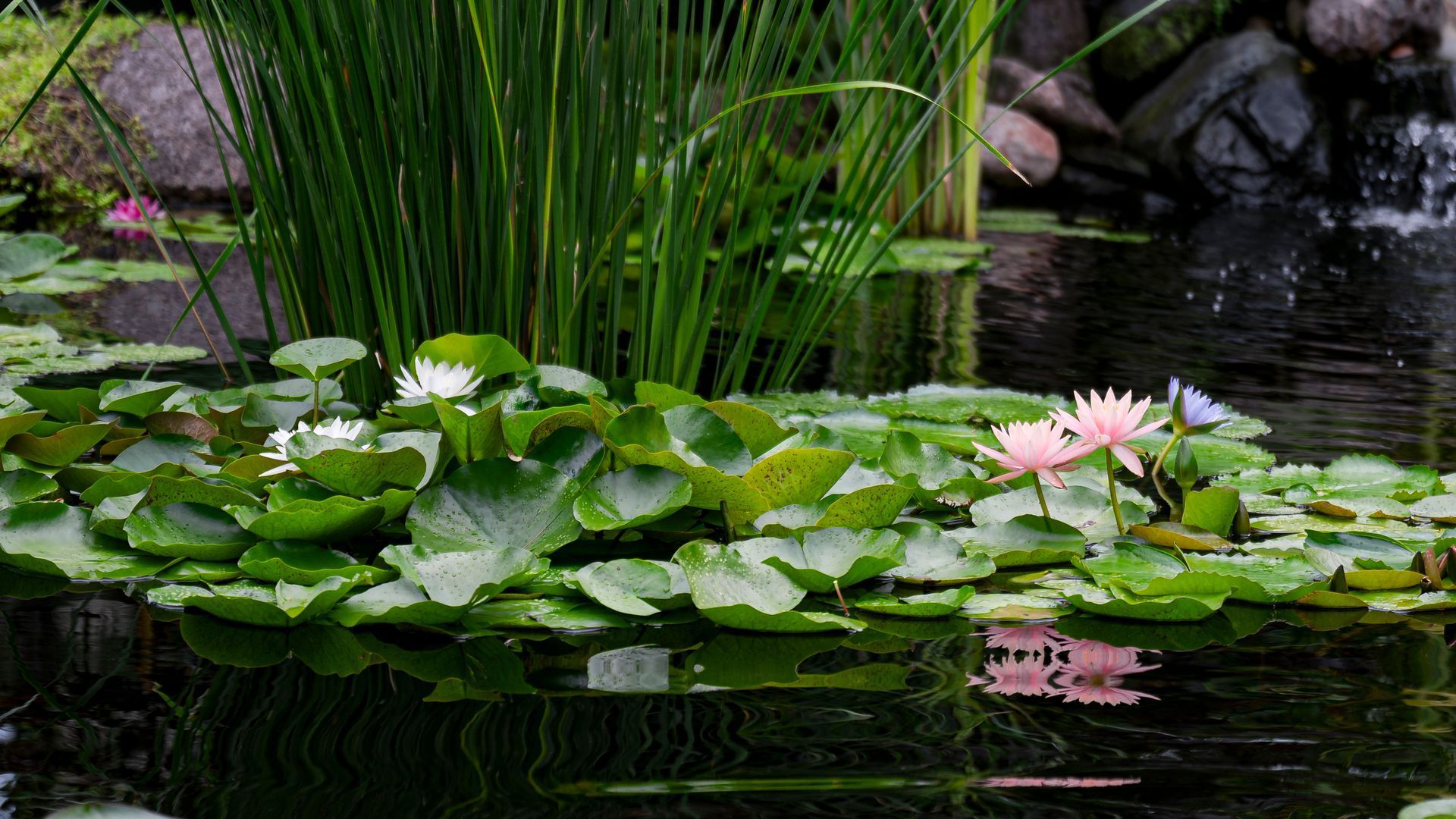
Plants help soften every hard edge. Tucking ferns, sedges, and low groundcovers between stones blurs the line between pond, wetland filter, and lawn. The goal is for the water feature to feel like part of the Connecticut landscape, not a separate object sitting on top of it.
Sound and reflection matter too. A small waterfall at the outlet of the wetland filter adds oxygen, creates a soft, layered sound that can mask road noise, and sends moving light across nearby stones and leaves at dusk. Over time, lichen and moss start to grow on shaded rock faces, fallen leaves collect in small pockets, and the whole feature takes on that “always belonged” look many homeowners love.
Protecting Your Koi While Inviting Wildlife in
It is possible to welcome wildlife and still keep koi safe and healthy. A well-designed wetland filter and planting plan helps hold water parameters stable, including ammonia, nitrite, and nitrate. Stable water means less stress on fish as more frogs, birds, and insects visit.
Koi also need hiding places and shade. We like to include:
- Larger rocks and plant overhangs where fish can tuck away
- Deeper areas, about 3 to 4 feet in primary koi zones, for cool refuges in hot weather
- Gently sloped areas that still give wildlife access without exposing fish too much
Seasonal care keeps koi happy:
Spring
As water reaches the upper 40s to low 50s Fahrenheit, filtration and the wetland filter can wake back up. It helps to check pumps and stonework for winter damage, add beneficial bacteria, and start feeding koi slowly as water warms.
Summer
Warm months are the busy season for both koi and bacteria. Strong aeration helps both, since bacteria in the wetland and fish in the pond all need oxygen. Feeding high-quality koi food, watching fish numbers, and testing water now and then helps be sure the ecosystem is keeping up.
Fall and Winter
As water cools, feeding tapers off and then stops once temperatures are quite low. Skimming or netting leaves keeps the biological filtration from getting overloaded. In winter, keeping a small opening in the ice allows gas exchange so the pond can breathe.
For pest control, it pays to stay gentle. Broad-spectrum pesticides can harm the insects and amphibians that make the wetland filter work as habitat. When the system is allowed to balance, dragonflies, frogs, and other beneficial insects help keep mosquitoes and many other pests under control so the whole backyard sanctuary can thrive.
Get Started With Your Project Today
If you are ready to transform your backyard into a healthier, low-maintenance aquatic ecosystem, we can design and build a custom
wetland filter that fits your space and goals. At PD Waterscapes, we walk you through every step, from concept and design to installation and long-term care. Share a few details about your property and vision, and we will recommend a tailored solution. Reach out through our
contact page to schedule a consultation and start planning your project.