Give Your Pond a Calm Start to Winter
Fall pond maintenance helps your Connecticut backyard sanctuary settle into winter with less stress. As leaves turn color, the air cools, and the sound of moving water grows quieter, your pond begins a natural seasonal change. A little thoughtful care now can help it keep that designed-by-nature feeling, even when the surrounding garden is dormant.
To us, a pond is far more than a decorative water feature. It is a thriving ecosystem supported by moving water, plants, fish, rocks and gravel, beneficial bacteria, and biological filtration. Each part responds differently as temperatures drop, so fall pond maintenance is about helping those pieces work together.
Our goal is not to make a pond sterile before winter. Natural ponds need their established rocks, gravel, and beneficial bacteria to continue doing their job. Instead, we focus on removing excess organic material, watching the fish, checking equipment, and making a clear plan for water movement before consistent freezing weather arrives.
Remove Autumn Debris Before It Becomes Muck
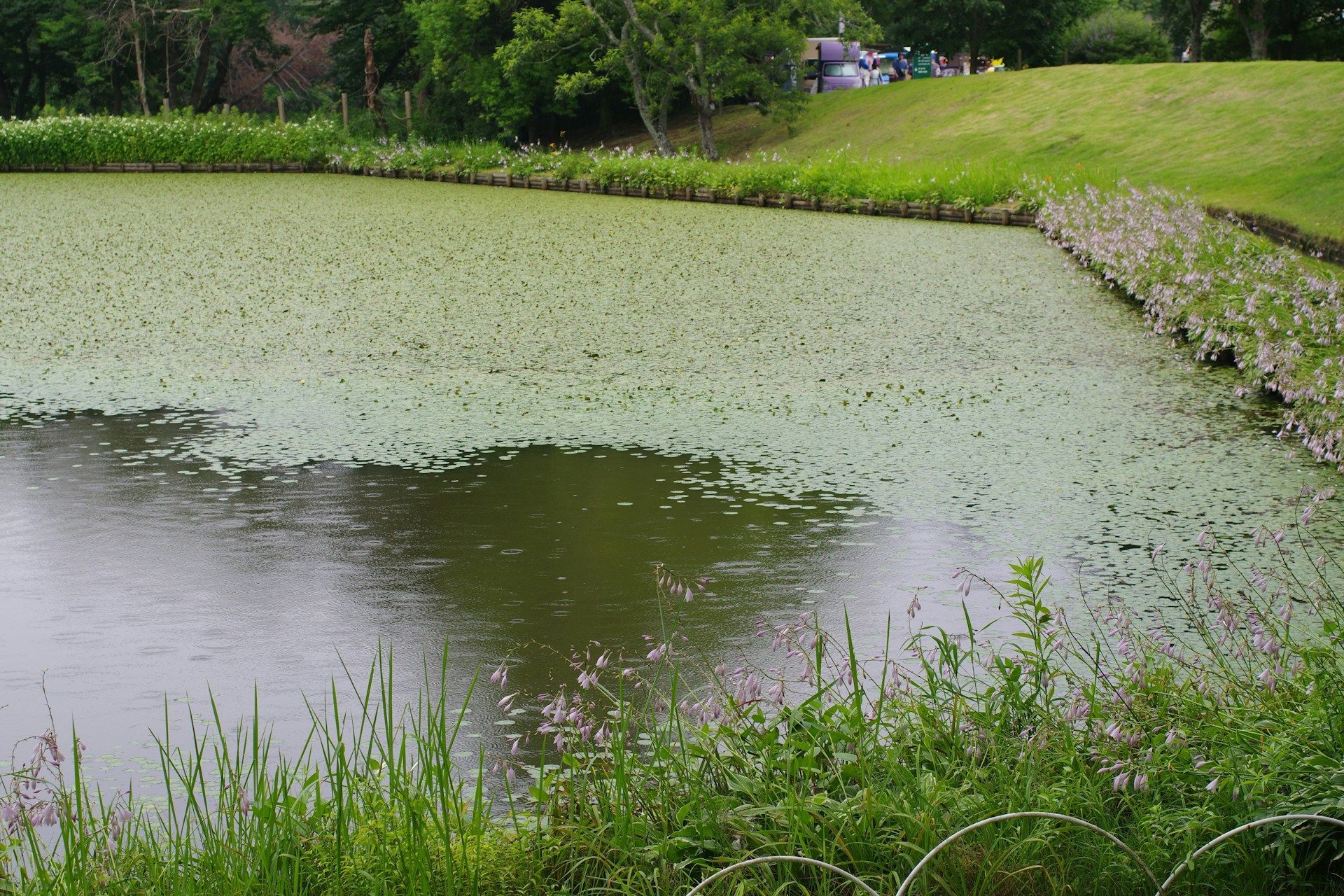
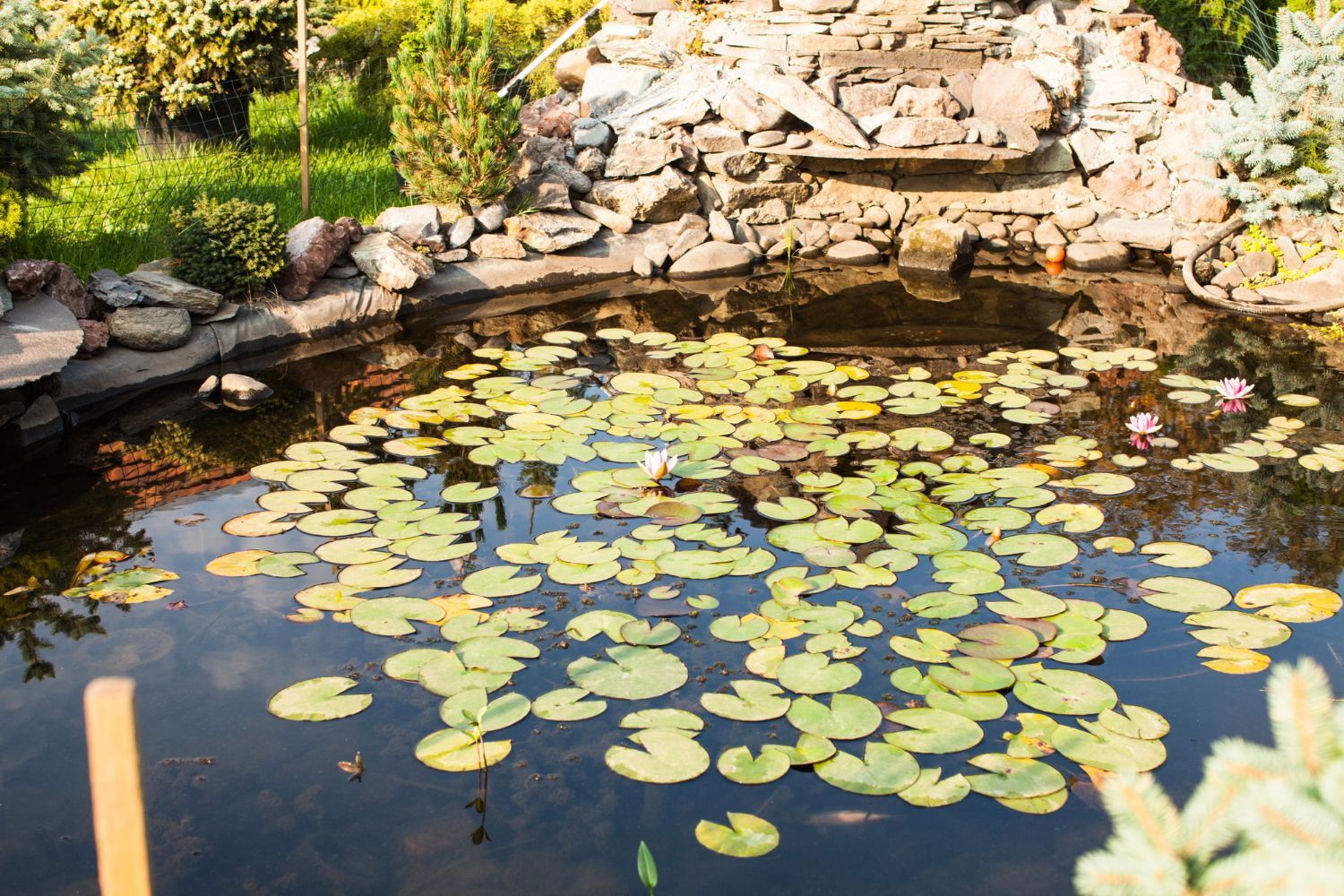
Leaves may look beautiful around the pond, but they can create trouble once they land in the water. Fallen leaves, pine needles, acorns, and dying plant material eventually sink to the bottom. There, they break down into nutrient-rich muck that can affect water quality, encourage algae when spring returns, and use oxygen beneath winter ice.
During heavy leaf drop, we recommend removing floating debris regularly rather than waiting for it to collect. A properly supported pond net can help protect the water when nearby trees are shedding heavily. It is also wise to keep an eye on skimmer baskets and pump intake areas so water can continue circulating without obstruction.
A simple fall debris routine may include:
- Removing floating leaves every few days during peak leaf drop
- Checking skimmer baskets for buildup
- Clearing visible debris from intake areas
- Trimming plant material before it falls into the pond
Selective cleaning matters. Rocks, gravel, and marginal planting areas provide a home for beneficial bacteria and help a natural pond look like it has always belonged in the yard. We remove the visible buildup without disturbing the biological filtration that has been developing throughout the warmer months.
Help Koi Adjust as Water Temperatures Drop
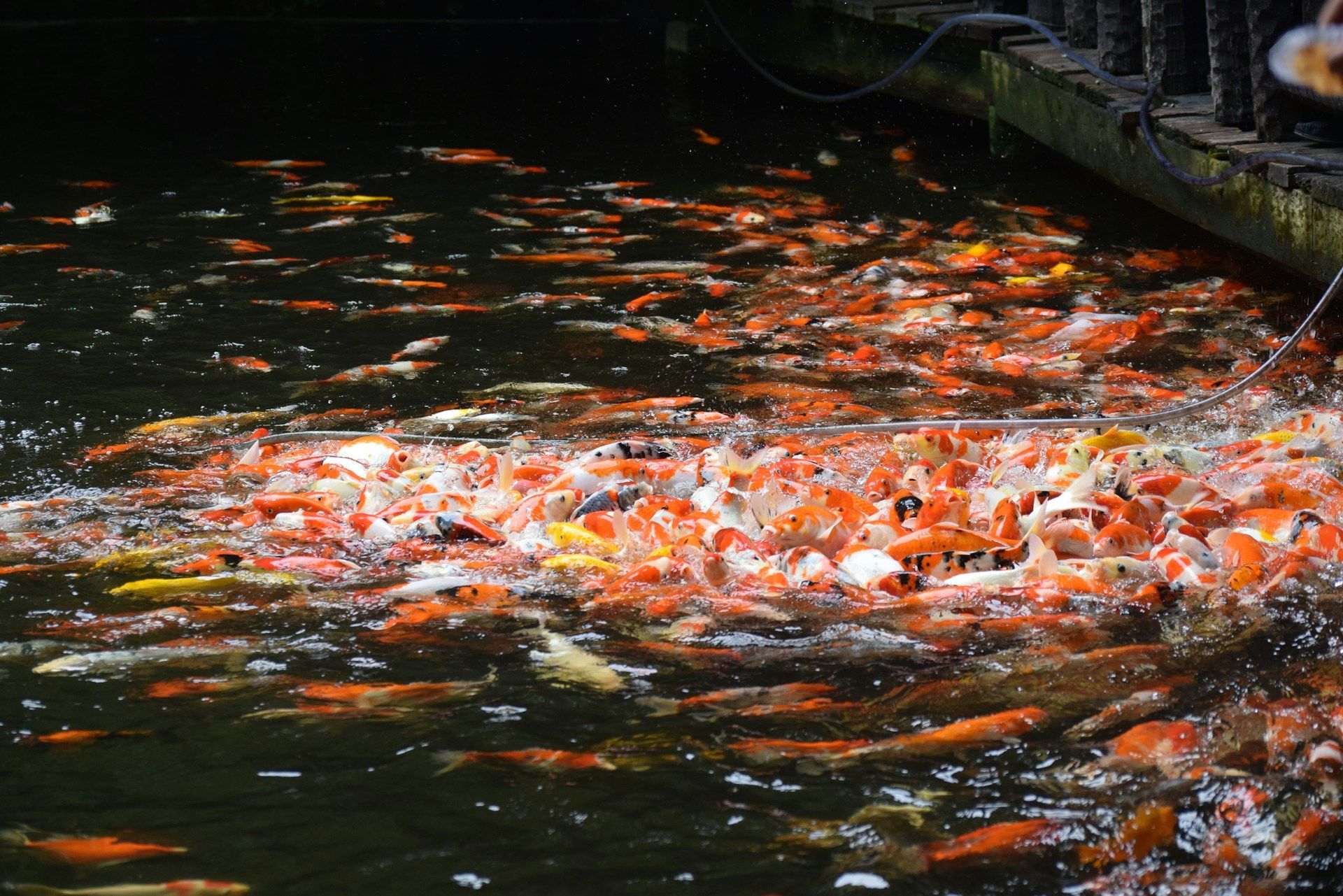
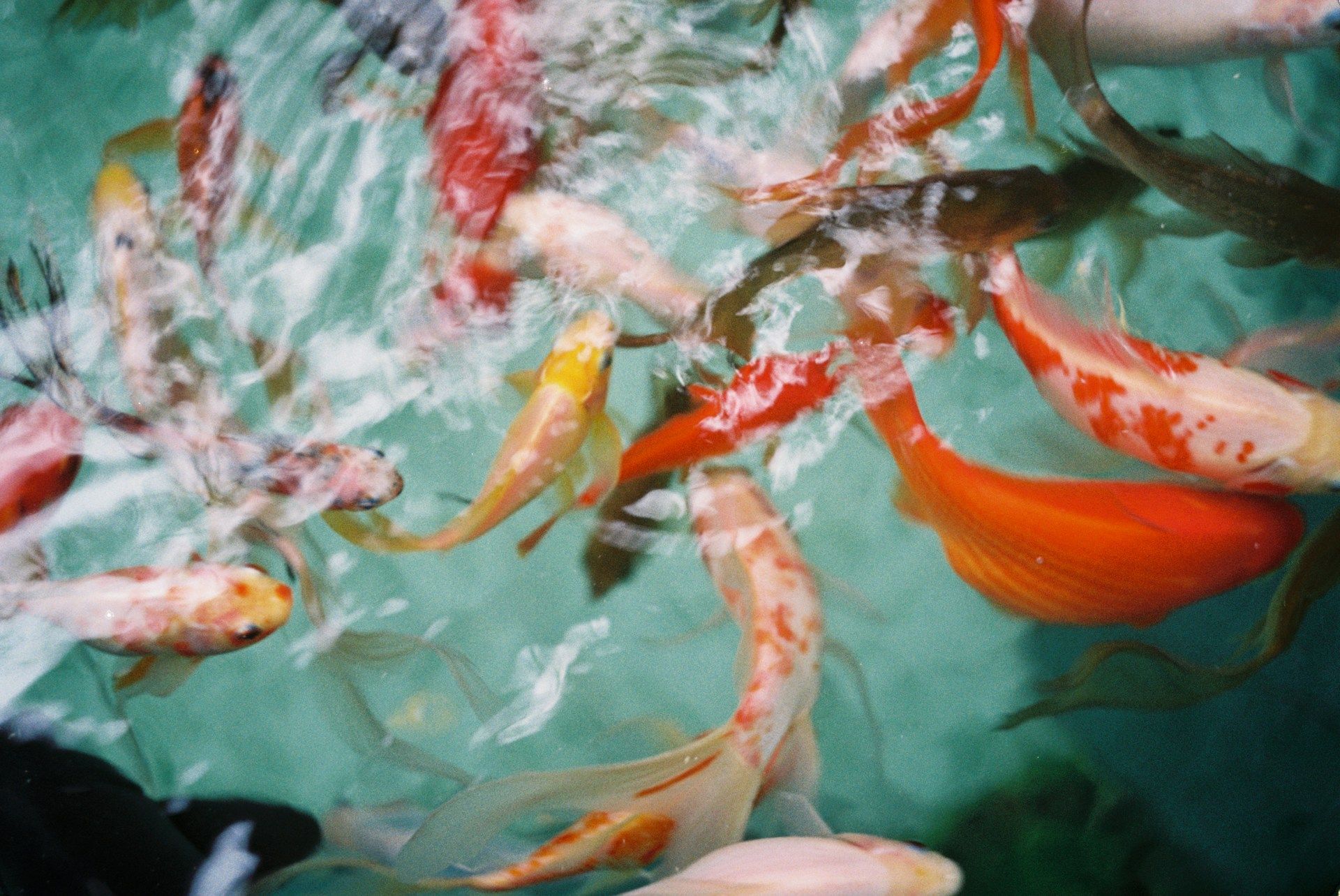
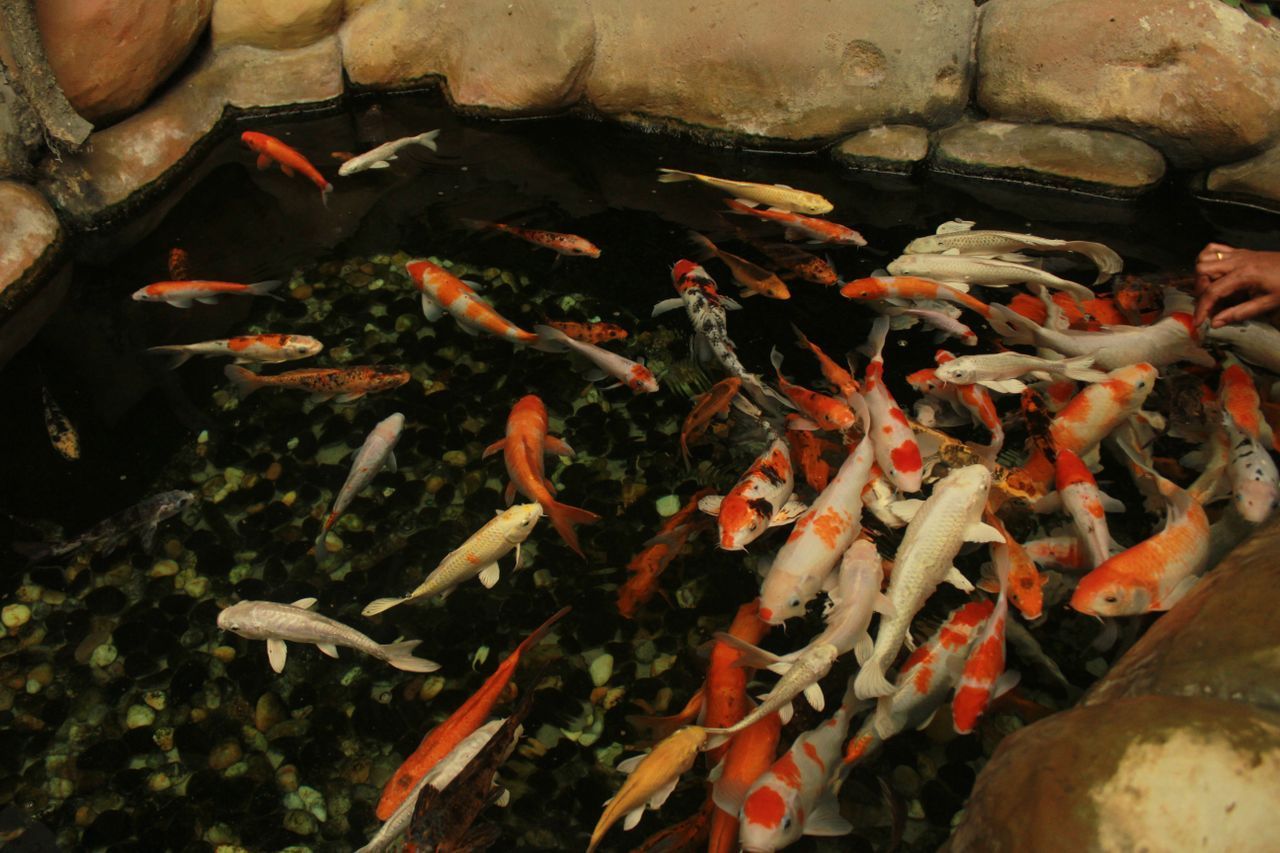
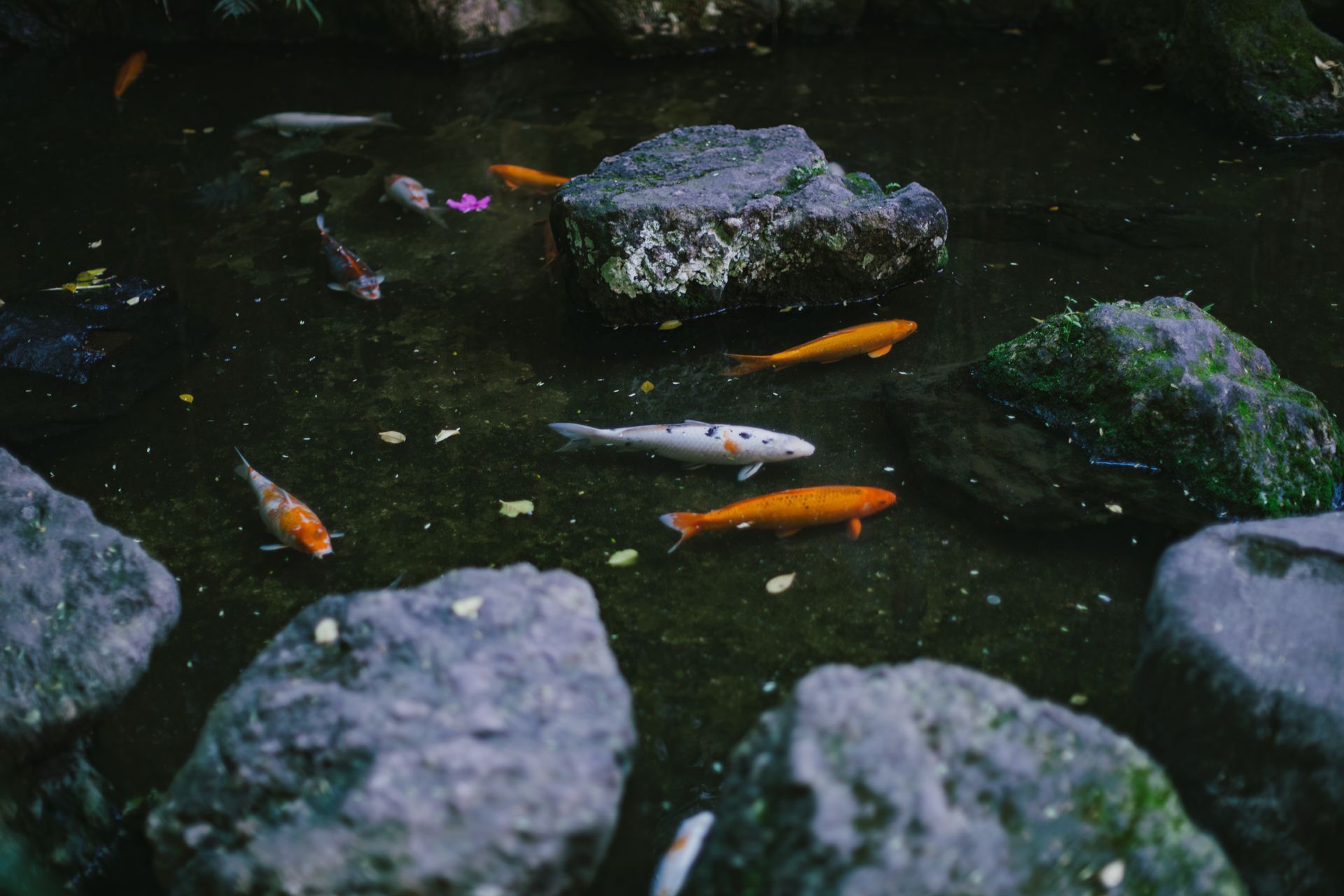
Koi respond to water temperature, not the date on the calendar. When pond water cools into the low 60s Fahrenheit, their metabolism begins to slow, and they need less food. At about 50 degrees Fahrenheit and below, we generally recommend stopping feeding because koi cannot digest food well in colder water.
Fall is also a good time to observe how your fish are behaving. Healthy koi may move more slowly as the water cools, but they should still appear comfortable and balanced in the pond. Flashing, clamped fins, unusual isolation, sores, or labored movement can signal a concern that is easier to address before winter conditions arrive.
Koi are an important part of the pond ecosystem, and protecting them means protecting their water. Clear water, steady oxygen levels, and less decaying debris help support the investment you have made in your fish. Once ice begins to form, the priority is maintaining a small open area for gas exchange, not trying to keep the whole pond warm.
Support Biological Filtration Through the Fall
Biological filtration continues to matter long after summer ends. Beneficial bacteria live on filter media, rocks, gravel, and other surfaces throughout the pond. They help process fish waste and organic matter, creating the balanced conditions that allow an ecosystem pond to mature gracefully over time.
Cold water slows these bacteria down, but that does not mean they should be washed away. As part of fall pond maintenance, we recommend checking for debris in skimmer baskets, inspecting filter pads, and treating reusable filter media with care. When media needs rinsing, pond water is safer than chlorinated tap water because it helps protect the bacteria already living there.
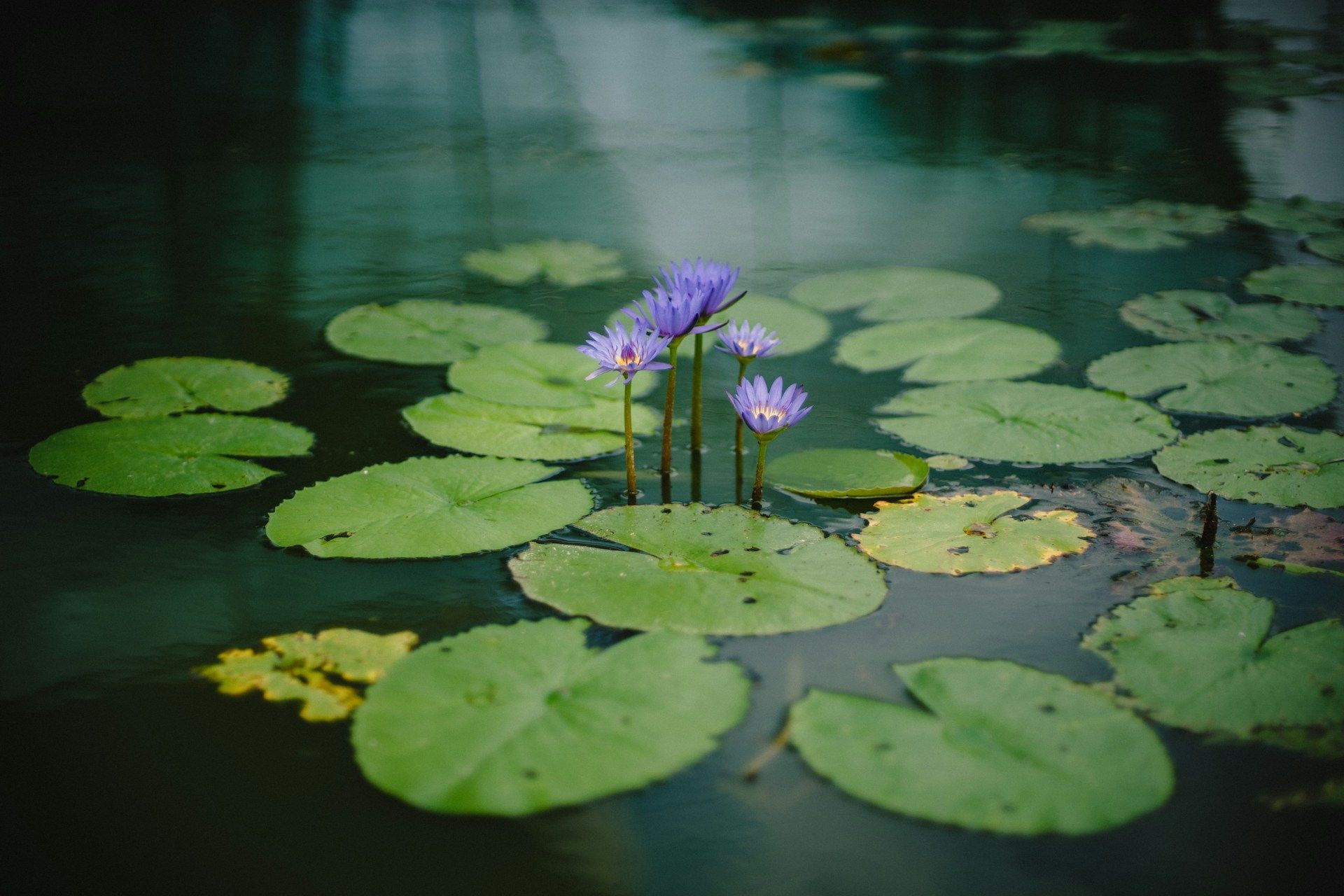
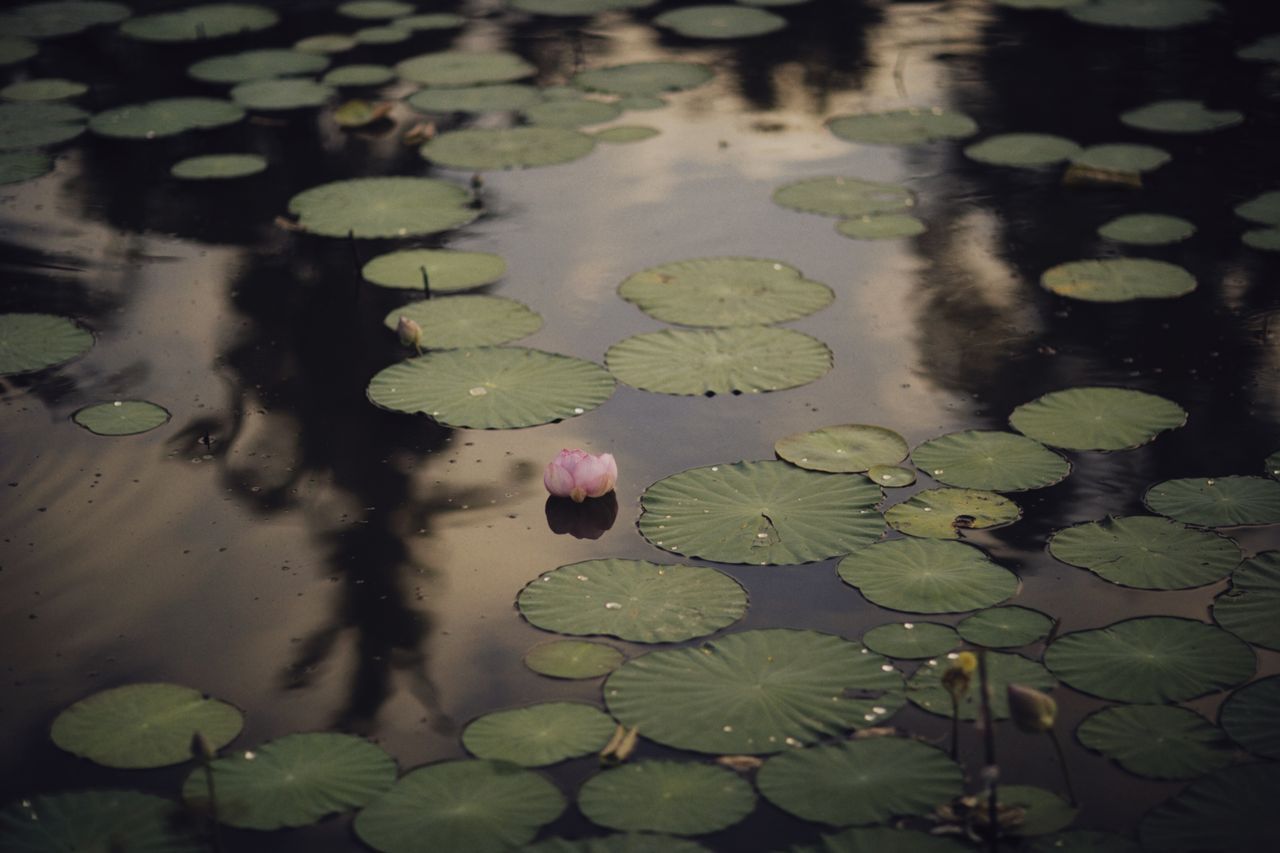
Plants deserve attention, too. Dead foliage from water lilies, marginal plants, and streamside plantings can become another source of muck if it falls into the water. Healthy evergreen structure can often remain in place where appropriate, giving the pond stonework, reflections, and edges a natural presence through the winter landscape.
Protect Waterfalls and Plumbing From Freezing
Whether a waterfall should run through winter depends on the pond’s design, equipment, exposure, and your ability to monitor it during freezing weather. Flowing water can be a peaceful sensory feature in a winter garden, especially when it moves over natural stone. Still, ice dams and low water levels can create problems if they are not noticed promptly.
For ponds that will keep operating, regular observation is important. Water levels should stay where they belong, while skimmer openings and pump intakes need to remain clear. After a major cold snap, we recommend inspecting waterfall edges for ice buildup and making sure the flow is still moving reliably.
A winter water-feature plan may include:
- Deciding whether the waterfall will run or be shut down
- Monitoring water levels and intake areas
- Watching waterfall edges for ice buildup
- Protecting external plumbing, pumps, and filters as needed
- Maintaining a small opening for gas exchange with an aerator or de-icer
If a system is being winterized, external plumbing, pumps, and filters may need to be drained or protected according to the equipment manufacturer’s instructions. A properly placed aerator or de-icer can maintain an opening in the ice without attempting to heat the entire pond.
Create a Simple Winter Pond Plan
Before temperatures remain below freezing, it helps to make a short checklist for your pond. Review leaf removal, koi feeding changes, filter condition, plant trimming, and your decision about winter waterfall operation. If something about your pond, fish, filtration, or plumbing is unclear, professional pond maintenance guidance can help prevent a small concern from becoming a spring cleanup project.
Measured care now gives the pond a better chance to rest well through winter. When spring returns, the natural stonework, quiet reflections, and balanced ecosystem can emerge healthier, more established, and ready to feel like the backyard sanctuary it was meant to be.
Protect Your Pond’s Natural Balance
At PD Waterscapes, we help Connecticut homeowners care for the details that support clear water, healthy fish, and dependable biological filtration. Our
pond maintenance services are tailored to the needs of your unique ecosystem, from plant care to equipment checks. If you would like guidance for your backyard sanctuary,
contact us to speak with our team.