The Hidden Hero Keeping Your Backyard Sanctuary Clear
A skimmer is one of the quiet helpers that keeps a koi pond clear, calm, and a joy to sit beside. It works all day, every day, so you can enjoy clean reflections and relaxed fish without spending your time scooping leaves.
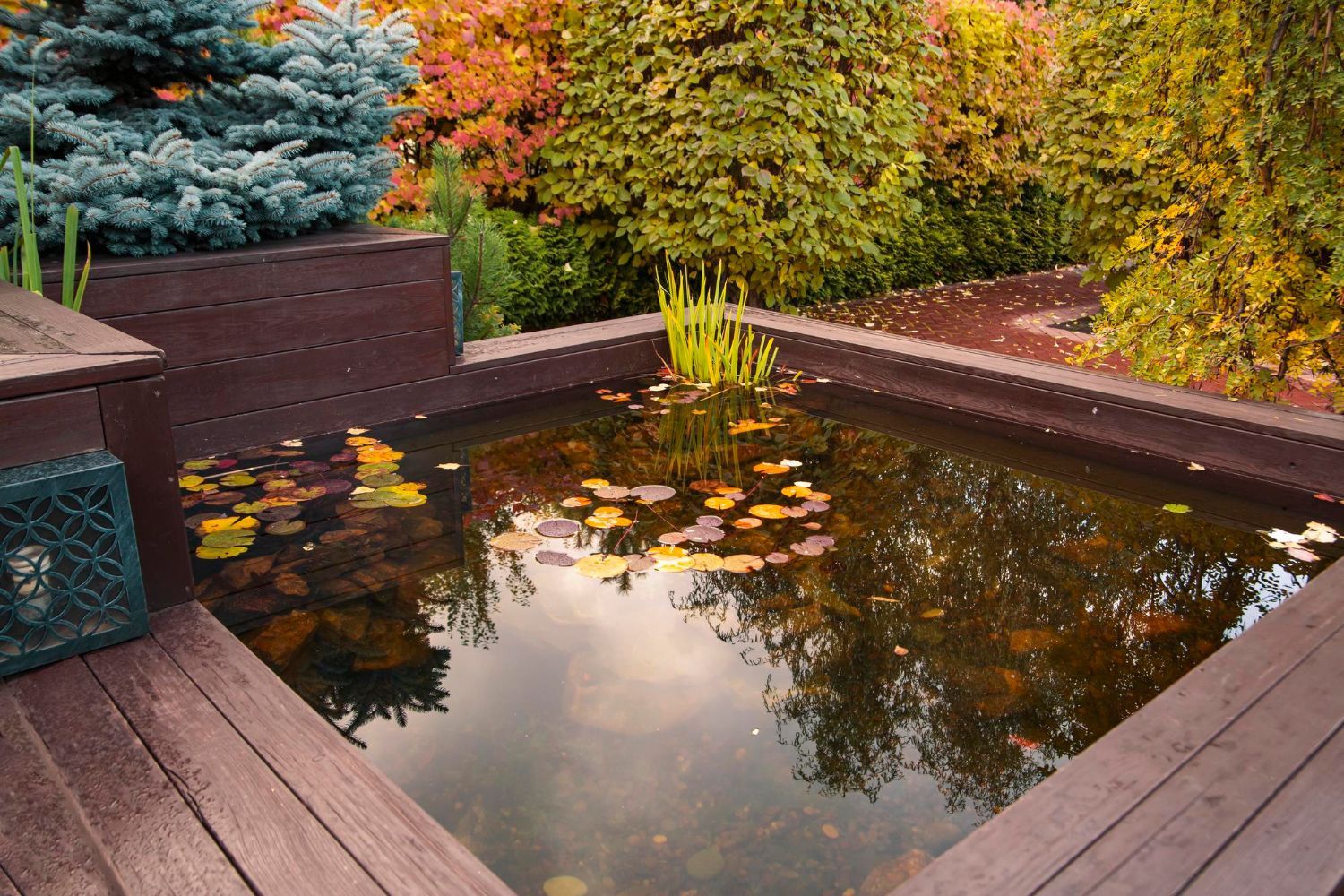
On a cool Connecticut evening, when the air is crisp and the trees start showing color, ponds face a lot of extra debris. Leaves, pollen, and small twigs land on the surface and begin to break down. While waterfalls, plants, and koi catch the eye, a skimmer is often doing more for your backyard sanctuary than you might think.
In simple terms, a skimmer is an opening at the pond’s edge that pulls in surface water. Inside that hidden box, a basket collects floating debris before it can sink. When it is designed as part of a full ecosystem, a skimmer helps your pond feel like it was designed by nature, not like a backyard science project with plastic parts on display.
What a Skimmer Really Does All Day Long
A skimmer’s main job is to quietly pull in surface water and catch things you do not want building up in the pond. That includes:
- Leaves and needles
- Pollen and dust
- Small twigs and seed pods
- Bits of uneaten fish food
By catching this material while it is still floating, a skimmer keeps it from getting waterlogged and sinking into the rocks and gravel. That is the first step toward clear, natural-looking water.
This simple action supports:
- Cleaner reflections and fewer “floaters” on the surface
- Less organic waste settling into the bottom
- Lower chances of sudden algae blooms from excess nutrients
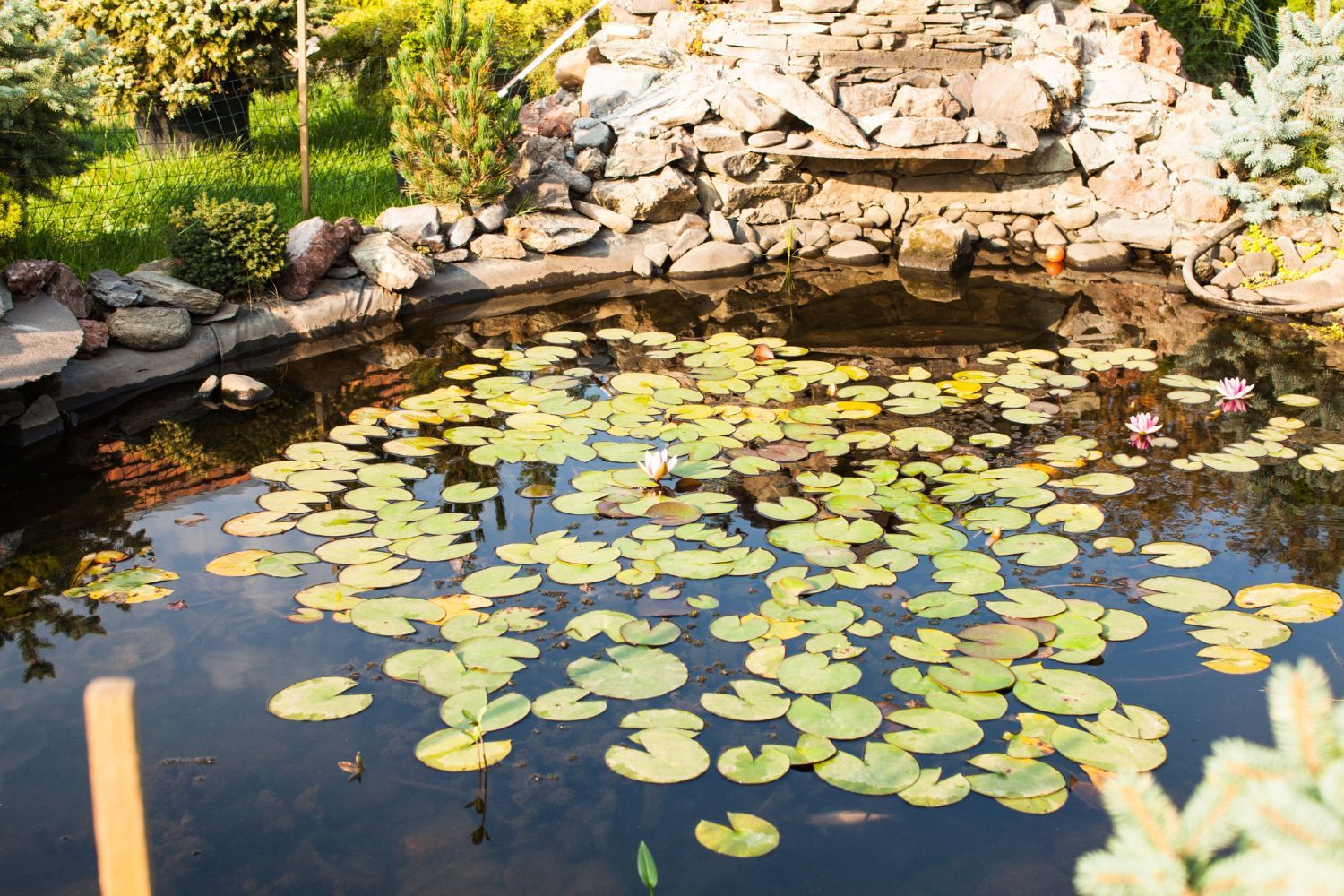
A well-placed skimmer also works with the pond’s circulation. The pump, plumbing, and waterfall are planned so water gently moves across the surface and guides debris toward the skimmer opening. Instead of leaves clumping in corners, they drift toward that quiet intake and end up in the basket. The result is a glassy, calm surface that still feels wild and natural.
The Five Elements of a Healthy Koi Ecosystem
At PD Waterscapes, we think of a koi pond as a living system with five main parts. A skimmer fits into this bigger picture.
1. Filtration
There are two sides to pond filtration:
- Mechanical filtration, like a skimmer basket, catches physical debris.
- Biological filtration gives beneficial bacteria a place to live so they can break down fish waste.
The skimmer is a mechanical filter. It keeps big stuff out of the pump and reduces the amount of waste that reaches the bottom. From there, water usually moves to a biological filter, where bacteria quietly clean it before it returns to the pond, often through a waterfall.
2. Rocks and Gravel
Stone and gravel do more than look pretty. They:
- Provide a huge amount of surface area for bacteria
- Soften the shape of the pond so it blends into the yard
- Help a new pond look like it has always belonged there
When you look at a natural stream, you do not see bare liner. You see layers of rock. We design ponds the same way so they feel timeless.
3. Plants
Plants are another big part of a thriving ecosystem. Marginal plants and floating plants:
- Take up extra nutrients from fish waste and decaying leaves
- Offer shade and cool spots for koi
- Break up hard lines and blend the pond into nearby beds and trees
That mix of foliage around the edges helps the pond feel like it grew out of the landscape.
4. Fish
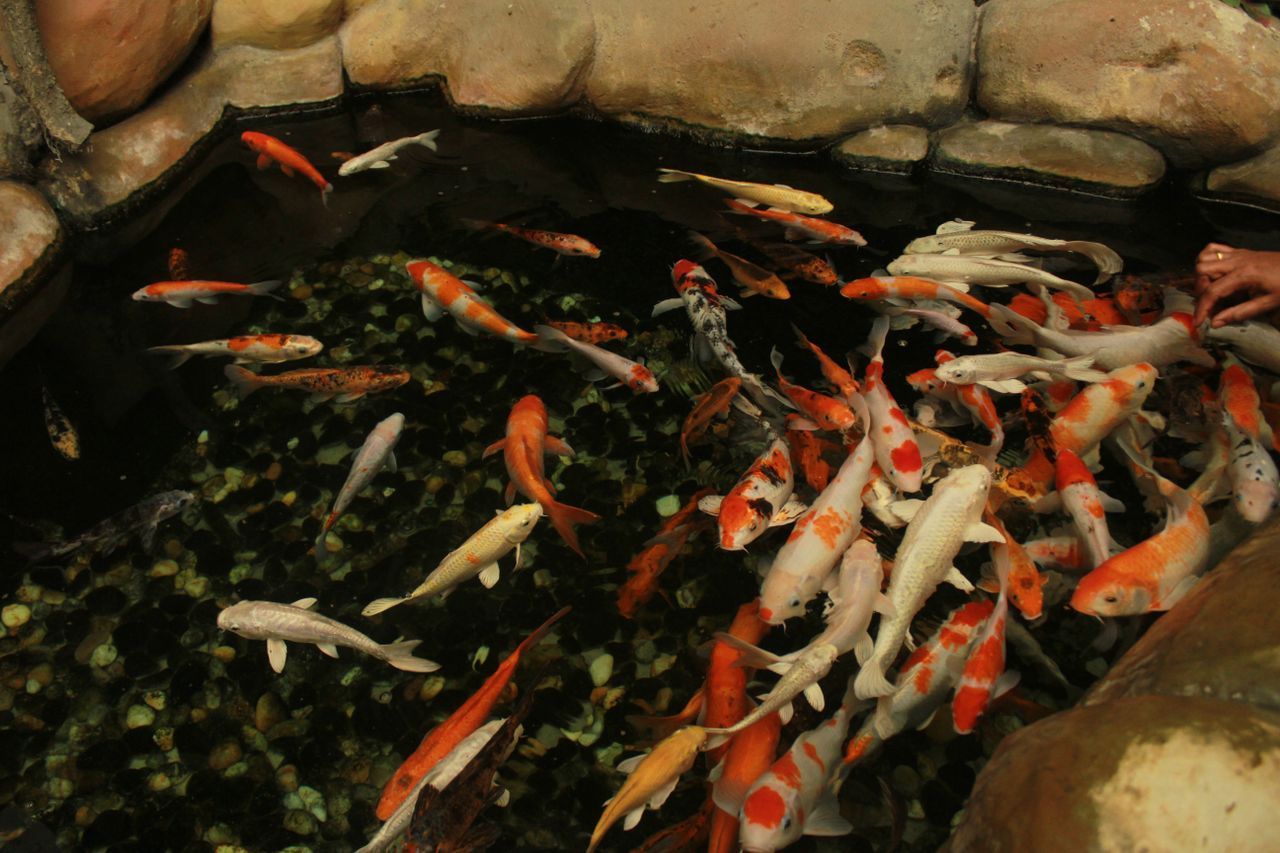
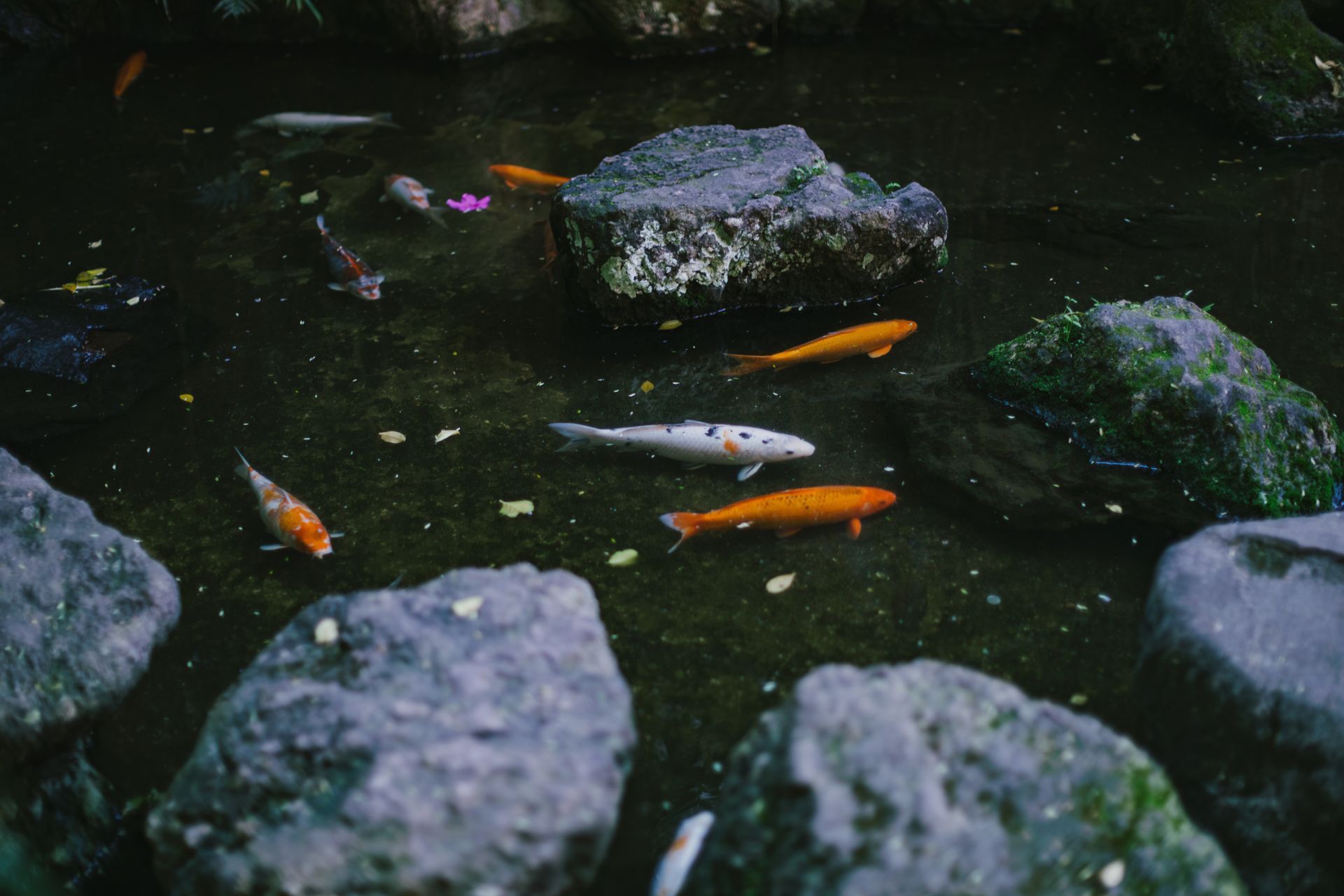
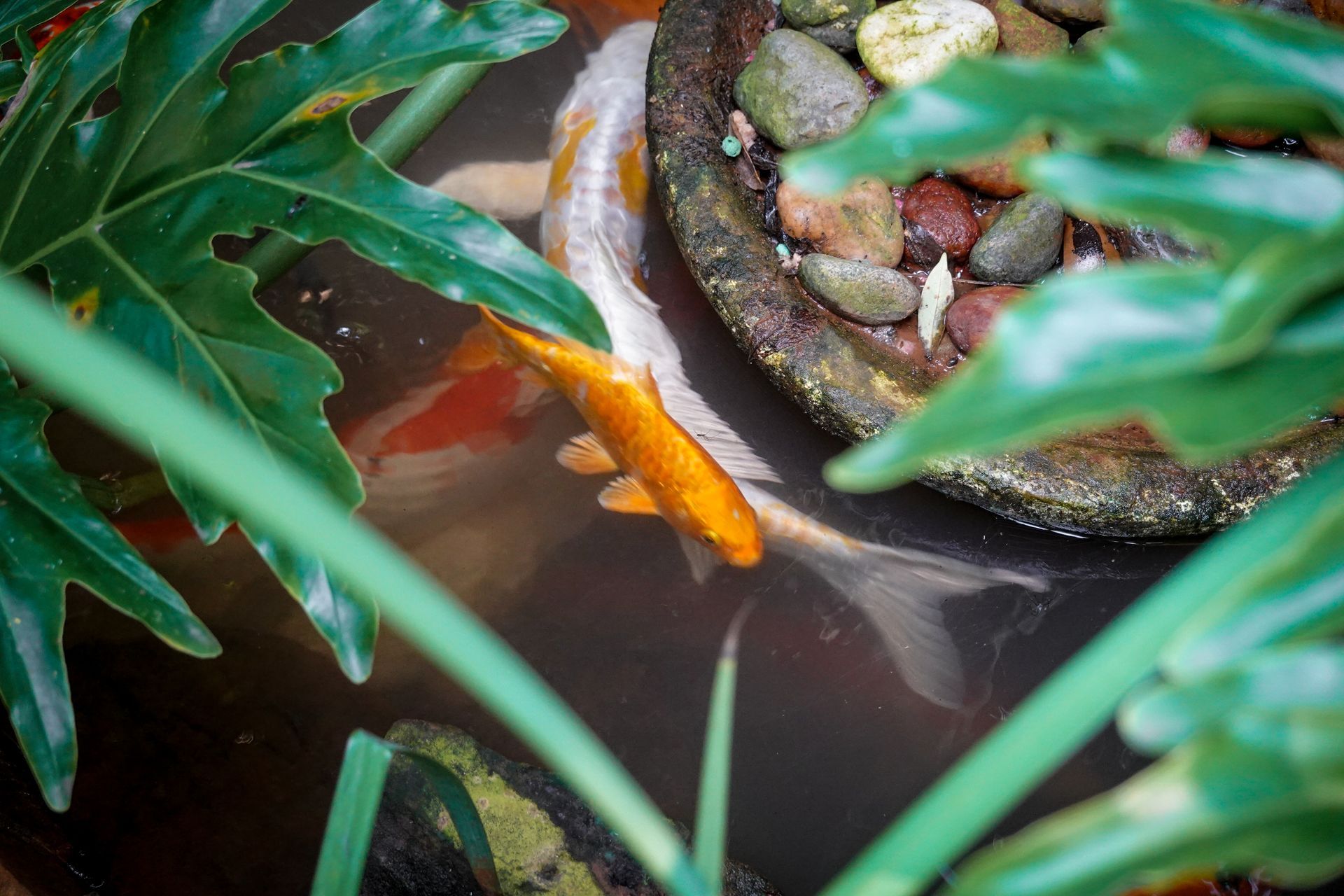
Koi are the heart of the pond. They are living investments that bring color, movement, and personality. In a balanced system, their waste is not a problem, it is part of the cycle. Bacteria and plants turn it into safer compounds and new plant growth.
5. Bacteria
Bacteria are the unseen workers. They colonize:
- Biological filter media
- Rocks and gravel
- Inside surfaces of the skimmer and plumbing
As late summer shifts toward fall, more organic material enters the pond. These bacteria help process that load so water stays more stable and safe.
How a Skimmer Protects Your Koi and Their Environment
Koi health is tied closely to water quality. A skimmer supports that in several ways.
By removing leaves and debris before they decay, a skimmer helps keep:
- Oxygen levels more consistent
- Ammonia and nitrite from spiking as quickly
- Sudden changes in water chemistry from stressing your fish
In early fall in Connecticut, leaves, acorns, and seed pods start to drop in earnest. If they sink, they turn into thick muck on the bottom. That muck can trap gases under winter ice and create a tougher environment for koi. A skimmer intercepts much of that material, so less of it ever reaches the bottom.
The water drawn into the skimmer is usually sent through a biological filter and then up to a waterfall or return. That round trip adds oxygen and keeps water moving. Good circulation:
- Delivers fresh, oxygen-rich water across the pond
- Supports the bacteria that clean the water
- Keeps koi swimming in a more stable, comfortable environment
When you see a skimmer as part of protecting your long-term koi investment, it becomes more than just a “pool-style” add-on. It is a simple way to lower disease risk, keep gills cleaner, and reduce the unseen stress that can shorten a koi’s life.
Designing a Skimmer That Looks Like It Was Always There
Many people worry that equipment will ruin the natural look of their pond. With thoughtful design, a skimmer can visually disappear.
We often:
- Tuck the skimmer into a curve of the shoreline
- Use boulders and driftwood to break up the outline
- Layer plants around it so it feels like part of the bank
Stone placement around the skimmer opening can create small coves and inlets that mimic natural ponds. Gentle, irregular lines pull your eye across the water instead of toward the hardware.
Plant choices help too. Near a skimmer, we like to use:
- Low groundcovers that spill over the edge
- Native grasses that move in the breeze
- Marginal plants that can handle some splashing
Sound and sightlines matter just as much. With the right layout between skimmer, waterfall, and seating areas, you hear soft white noise from moving water and see clean reflections and koi, not equipment faces.
Simple Skimmer Care to Keep Your Ecosystem Thriving
A skimmer is simple to live with, but it does need a little regular attention.
For most ponds, we suggest:
- Checking and emptying the skimmer basket every few days during heavy leaf drop
- Looking in weekly during lighter seasons like midsummer
- Making sure the basket does not stay packed with debris
In yards with a lot of trees, adding a seasonal net over the pond can cut down what reaches the skimmer in fall. Before winter, it helps to be sure the basket and area around the skimmer are not stuffed with leaves.
Cleaning the skimmer basket does not disturb the beneficial bacteria that live on rocks and in the biological filter. When you do clean biological filter media tied to the skimmer, use pond water in a bucket, not chlorinated tap water, and rinse gently. That way you keep the bacteria colony healthy.
We also encourage homeowners to treat the skimmer area as a quick-check spot. If you notice:
- A change in the sound of the waterfall
- Slower water flow into the skimmer
- Debris building up faster than normal
It can be an early sign that something needs attention before it affects your koi or water clarity.
When a skimmer is designed and cared for as part of a full ecosystem, it becomes a quiet partner in a backyard sanctuary that feels truly natural. At PD Waterscapes in Connecticut, we build koi ponds and water features that look like they have always belonged, with a skimmer working behind the scenes so you can simply enjoy the sound of water and the movement of your fish.
Get Started With Your Project Today
Transform your backyard into a relaxing retreat by integrating
a skimmer into a well-balanced ecosystem pond. At PD Waterscapes, we design and build water features that stay cleaner, clearer, and easier to maintain over time. If you are ready to discuss ideas, ask questions, or schedule a consultation, simply
contact us today. Let us help you create a pond that looks beautiful and works smoothly season after season.