A well‑designed ecosystem pond is more than a pretty pool of water. It is a living, thriving ecosystem that largely cleans itself, supports fish and plants, and turns a corner of your yard into a peaceful retreat you can enjoy every day.
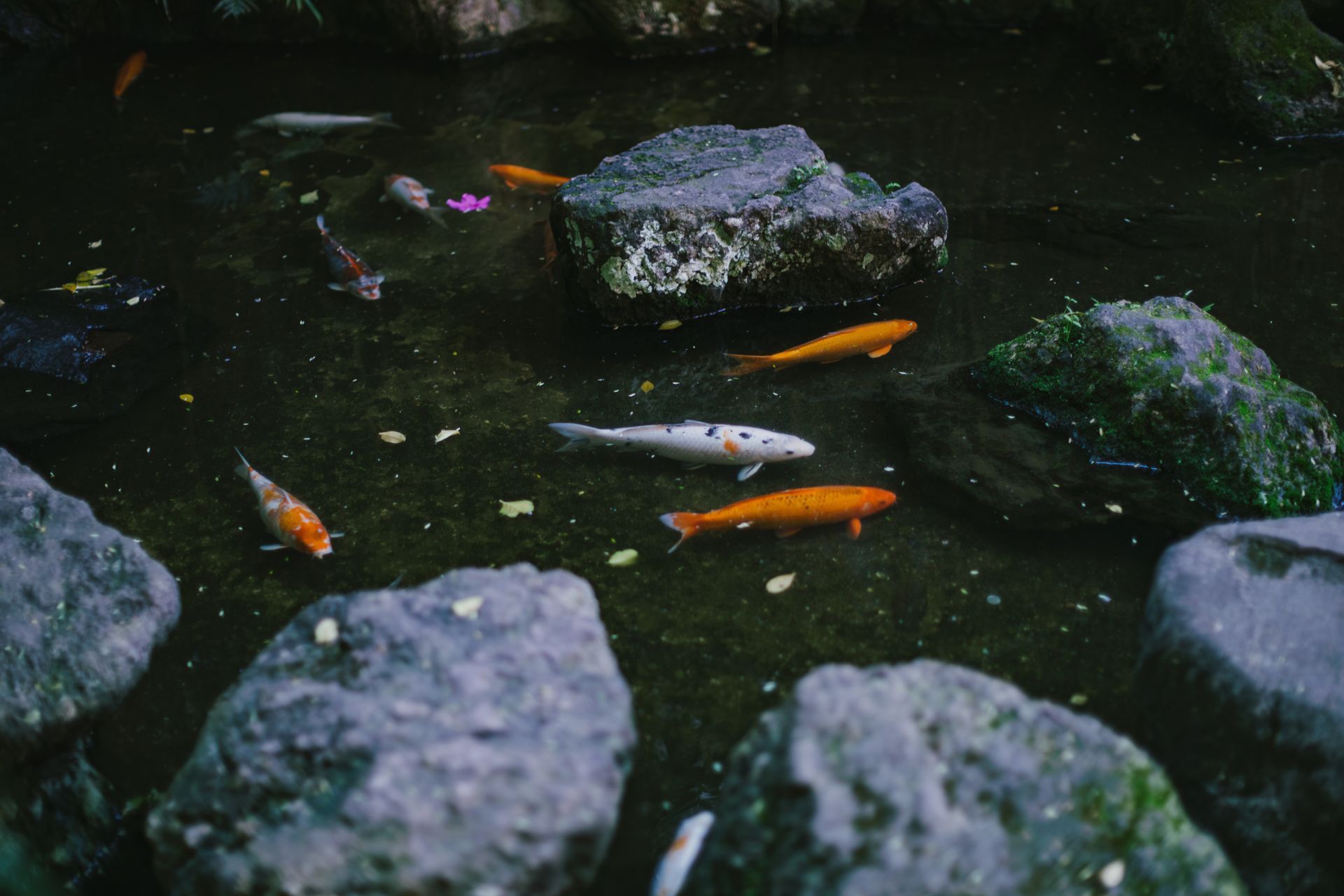
On a crisp early fall evening in West Hartford, you might see a bit of steam lifting from the cool water, hear the steady rush of a waterfall, and watch koi glide in and out of shifting shadows and reflections. All of that beauty comes from five living layers working together: filtration, rocks and gravel, plants, fish, and beneficial bacteria. When you understand how these five elements of a healthy koi pond fit together, you can protect both your investment in the fish and the long‑term health of your backyard sanctuary.
Why an Ecosystem Pond Feels Like It Always Belonged
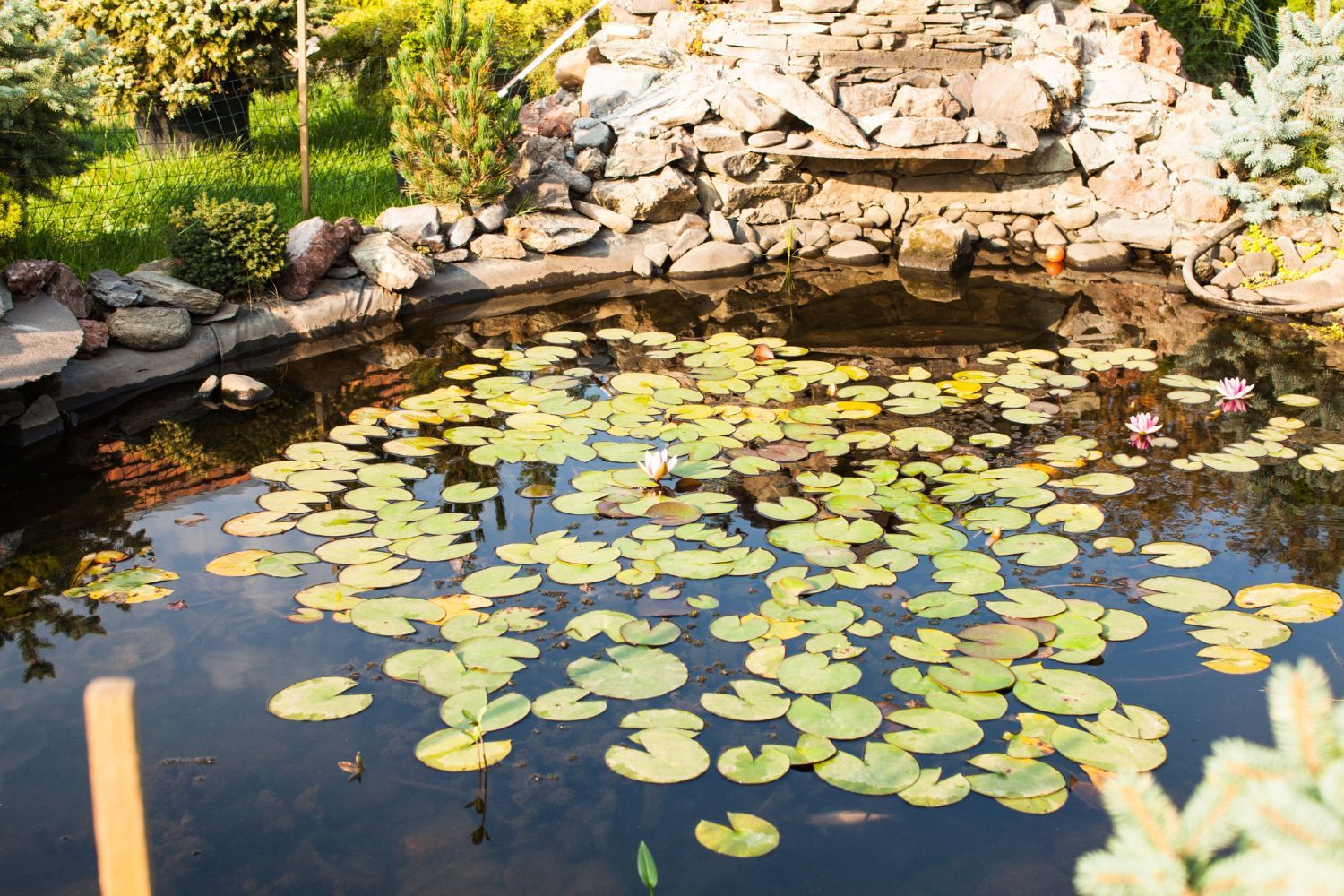
A true ecosystem pond should look like it was designed by nature, not dropped on top of your lawn. That starts with stone. We choose boulders and river rock that match local Connecticut streambeds:
- Size, with a mix of large anchor stones and smaller pieces
- Color, so the rock feels like it could have come from nearby woods
- Placement, so lines are soft and nothing feels too perfect or straight
Instead of a sharp edge where the pond meets the grass, we like to blur that line. Around the pond, we mix native and hardy ornamental plants suited for New England. These might include:
- Low, spreading plants to soften the stone edges
- Taller grasses and shrubs to frame views and hide corners
- Water plants that creep right over the margin and into the shallows
This thoughtful mix helps a brand‑new pond feel like it has always belonged in your yard, as if it has been there for decades. You get spring growth, summer flowers, fall color, and winter seed heads and silhouettes. Even when the pond is quiet in cold weather, you still have structure and interest.
Inside the water, depth changes and curves matter. Gentle shelves near the edge, deeper pockets for koi, and small coves between boulders all help the pond feel like a natural wetland or spring designed by nature. A pondless waterfall that disappears into gravel can trick the eye, so it reads like a stream that sinks into the ground instead of an obvious pump return.
The Heart of the System: Smart Filtration and Moving Water
At the center of any healthy ecosystem pond is filtration. In an ecosystem design, this is primarily biological filtration, supported by gentle mechanical systems. We like to keep the hard work hidden, so you mostly just see clear water and hear the waterfall.
Mechanical skimmers sit quietly at the edge of the pond, pulling in leaves and floating debris before they sink to the bottom. This does two big things: it keeps your water clear and cuts down on muck that would feed algae.
At the top of the system, biological filters give beneficial bacteria a protected place to live, so they can process fish waste and other natural material into forms plants can use. That closed, natural nutrient loop is one of the keys to a sustainable, self‑balancing pond.
The pump ties everything together. A properly sized pump sends water up to the waterfall or stream, then gravity brings it back to the pond. As water spills over rocks, it picks up oxygen. That moving, oxygen‑rich water supports:
- Healthy koi and other fish
- Strong plant growth
- Active, hungry beneficial bacteria
As the water falls and tumbles, the sound also becomes part of your daily life, masking traffic and creating a calming backdrop.
In Connecticut, we also think about seasons. In fall, skimmers work hard as leaves drop, so baskets may need more frequent attention. As temperatures drop toward freezing, flow and equipment settings may need a few small changes. Oversizing parts like pumps and filters can give you a safety margin, which usually means less stress and less hands‑on work over time, and a pond that quietly runs as a low‑impact, sustainable feature in your landscape.
Rocks, Gravel, and Plants: Nature’s Hidden Filtration Team
The stone at the bottom of an ecosystem pond is not just decoration. Large boulders create shelves, hide equipment, and form natural‑looking ledges and small coves. Smaller river rock and gravel cover the liner and protect it from the sun. All those surfaces also give bacteria and tiny invertebrates a huge amount of space to cling to.
Every rock becomes a mini water‑cleaning station. As water moves across the stone, bacteria break down nutrients that would otherwise feed algae. The result is clearer water, more stable chemistry, and a pond that feels like a small, self‑balancing ecosystem.
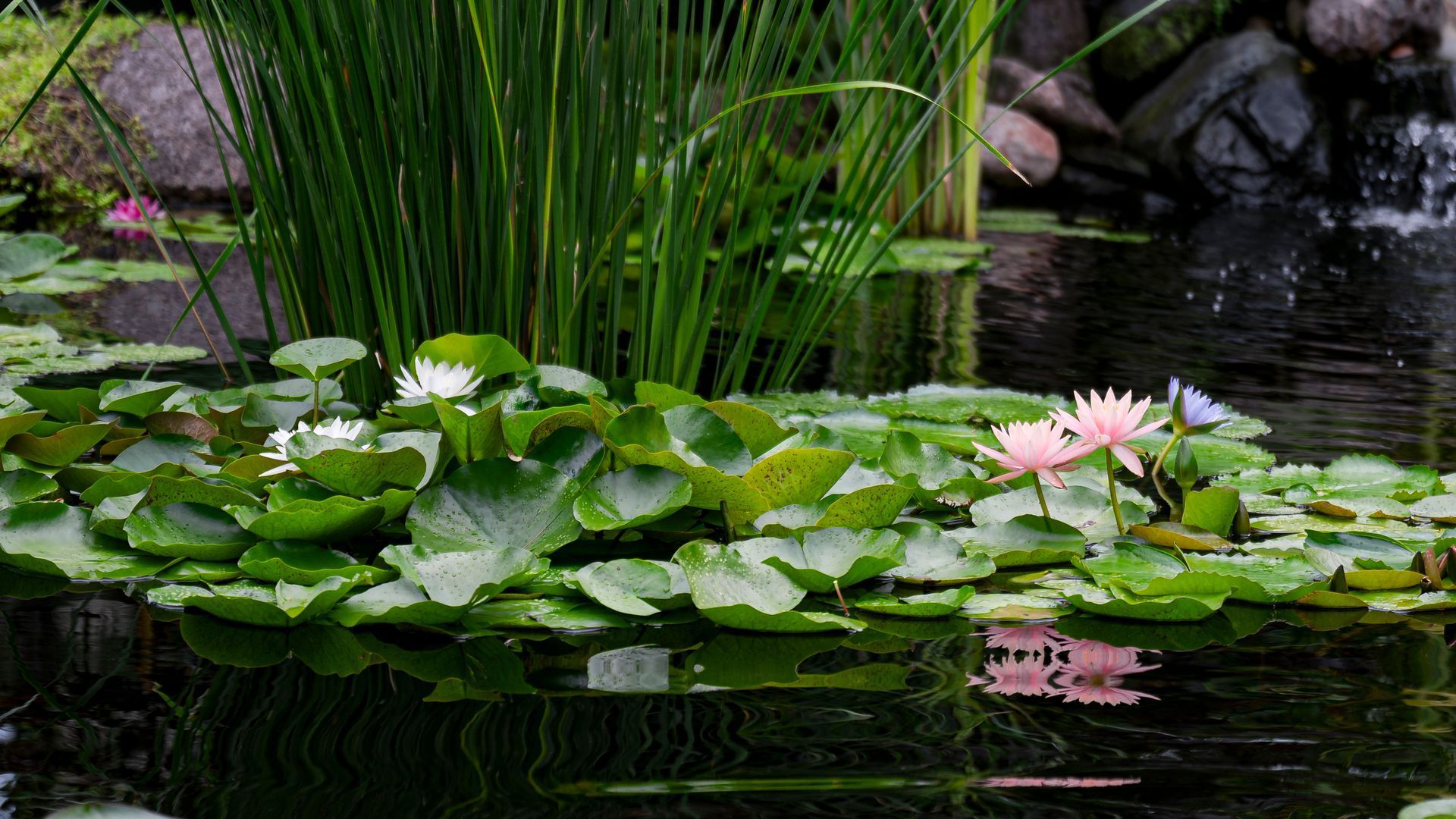
Plants add another powerful layer of natural, biological filtration. In a balanced ecosystem pond, you usually see:
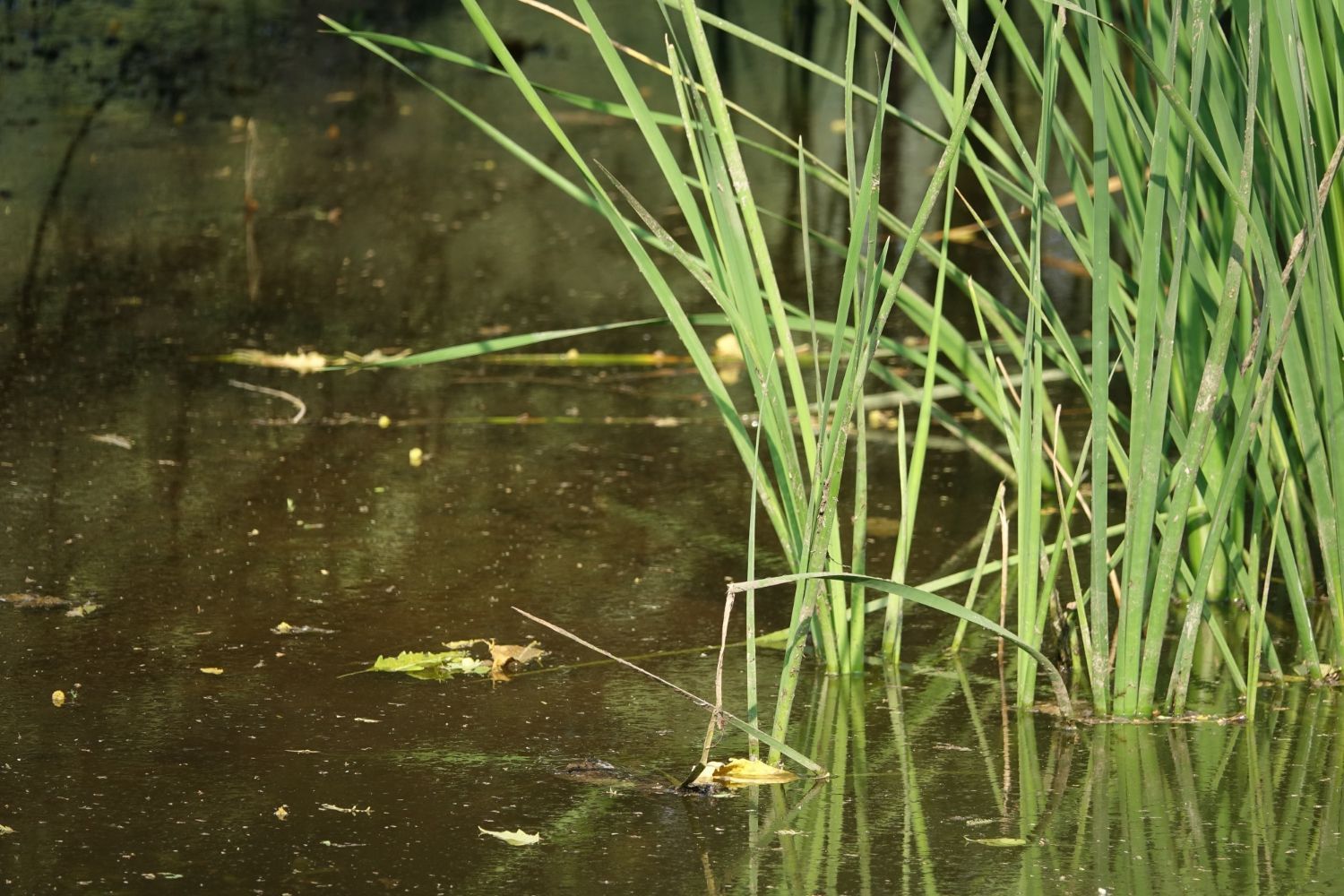
- Marginal plants on shallow edges, sipping nutrients right where runoff enters
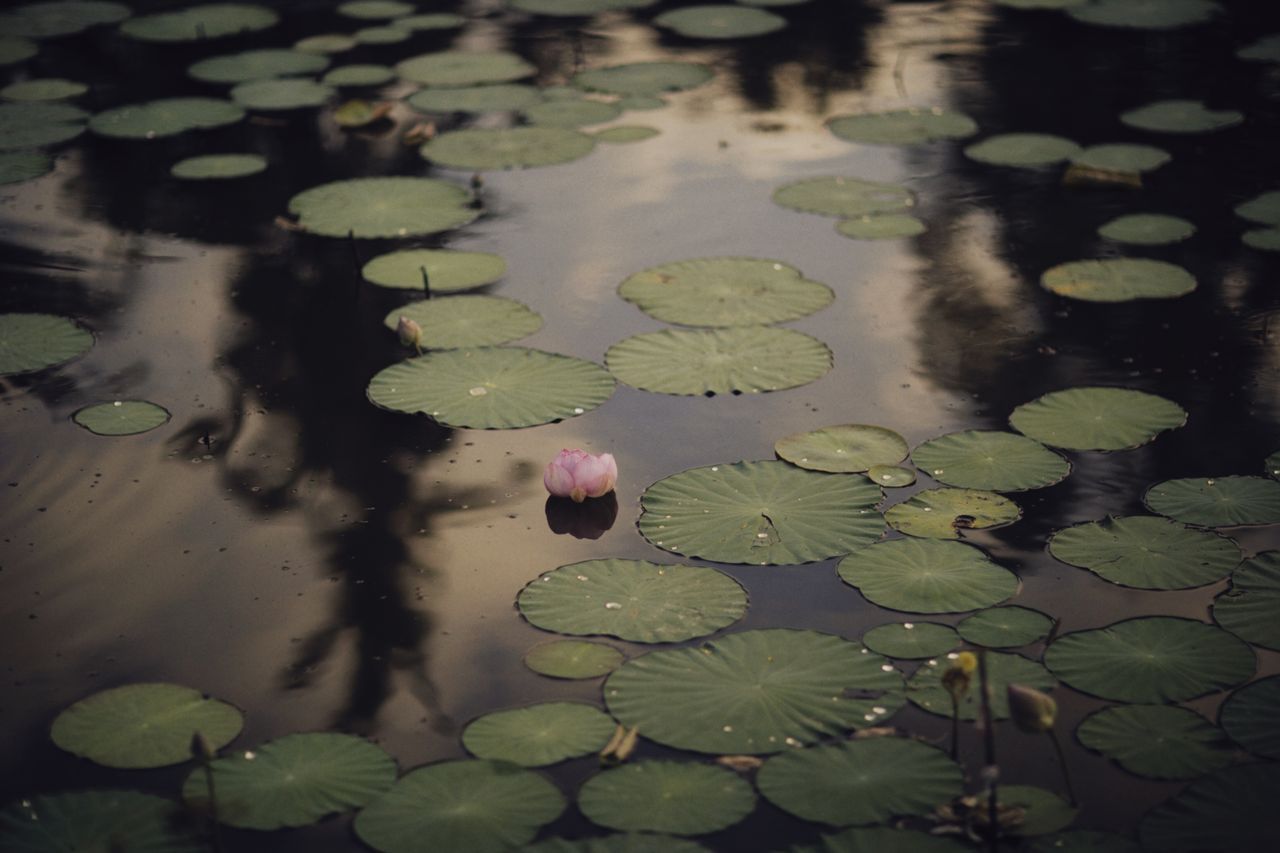
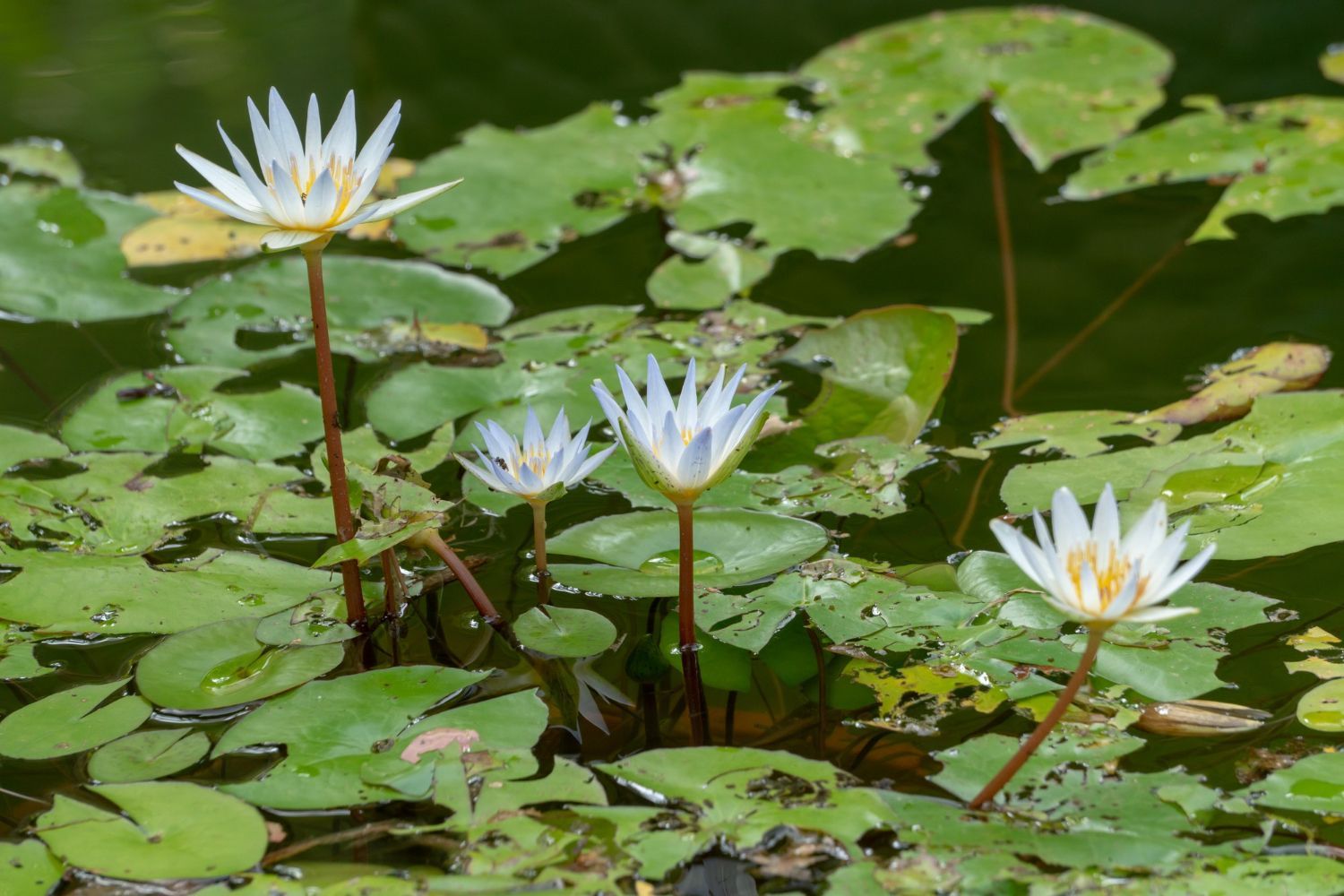
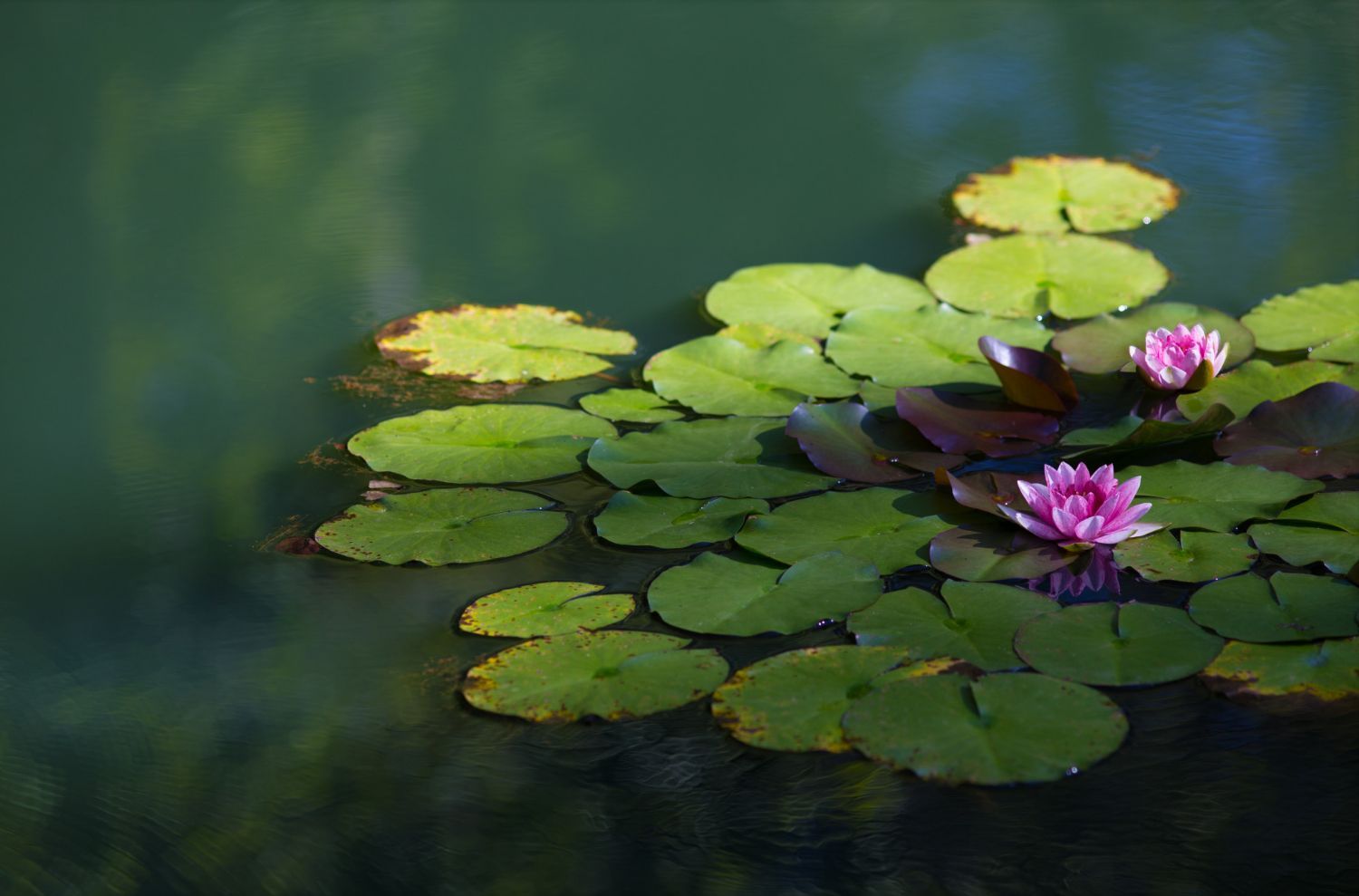
- Lilies and floating plants on the surface, shading water and cutting down algae growth
- Oxygenating plants below, feeding on dissolved nutrients and adding oxygen
Plants do double duty. They absorb extra nutrients and give koi shade and hiding cover from predators. They also change through the seasons, so your view is always fresh: buds and bright green in spring, full leaves and flowers in summer, rich tones and seed heads in fall, and sculptural stems in winter.
Taken together, rocks, gravel, and plants create a living filter that works with the equipment, not against it, helping your pond run more like a natural stream or wetland and less like a mechanical pool.
Koi, Beneficial Bacteria, and the Art of Gentle Care
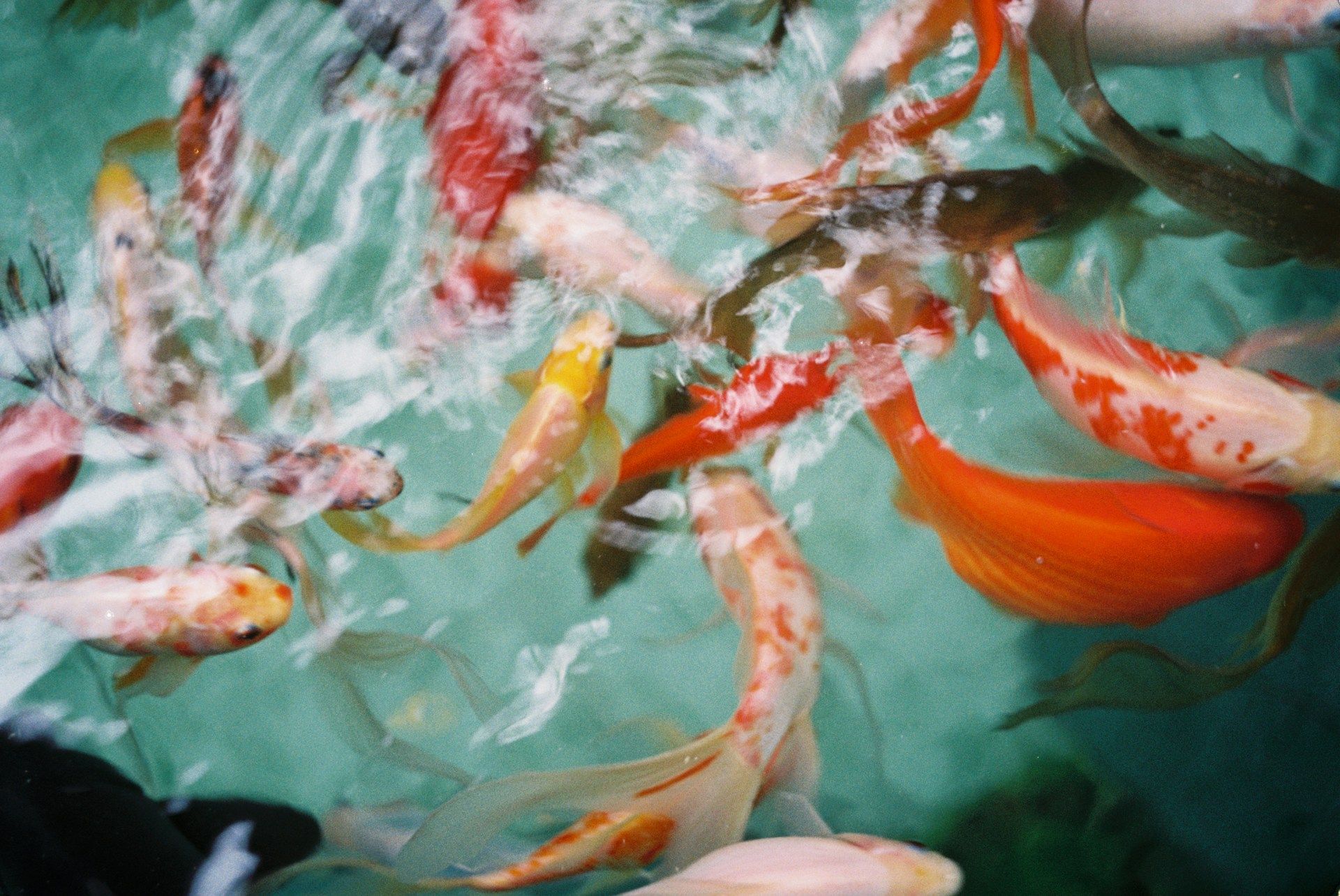
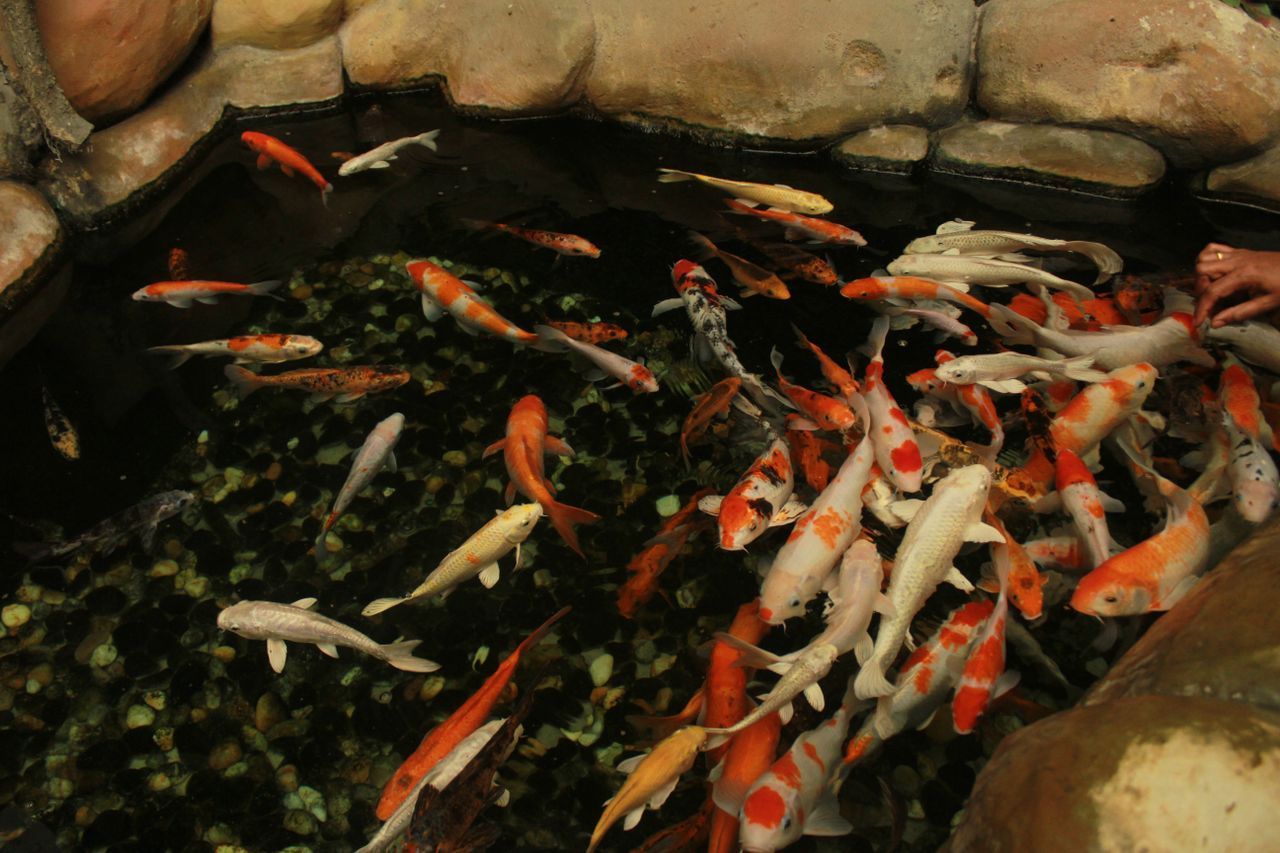
Koi are often the heart of a backyard pond. Their health depends on the entire ecosystem design. Clean, oxygen‑rich water, quiet hiding spots between rocks, and plenty of plants all reduce stress. Less stress usually means stronger immune systems and richer color.
Gentle, thoughtful care keeps koi thriving and protects your investment in these living jewels. Many homeowners find it helpful to:
- Adjust feeding as water cools toward about 50 to 55 degrees Fahrenheit, since koi digest differently in cold water
- Use high‑quality food meant for the season, instead of random treats
- Avoid overfeeding, which can quickly overload the biological filtration and cloud the water
- Maintain stable water levels so temperature and water quality do not swing too quickly
- Watch fish daily, looking for changes in appetite, swimming, or behavior
Those small habits can act like an early warning system if something in the ecosystem starts to slip, allowing you to correct issues before they affect koi health.
Then there is the invisible layer that quietly ties everything together: beneficial bacteria. These microscopic helpers live in filters, on rocks and gravel, and on every surface under water. They break down fish waste and dead plant material into forms that plants can use, turning potential problems into new life and keeping your pond’s biology in balance.
In a new pond, we like to seed these bacteria so they get a strong start. To keep them happy, we try to keep water parameters steady, avoid harsh chemicals, and follow a simple, steady maintenance plan instead of big, sudden changes. When the bacteria, plants, rocks, and fish are all working together, you get a resilient, sustainable pond that feels truly designed by nature.
Experience the Sound, Light, and Life of Water at Home
An ecosystem pond is as much about how it feels as how it works. The steady sound of a waterfall can mask traffic and neighborhood noise. The changing play of light on the water reflects nearby trees, clouds, and even your home, so the pond becomes a living mirror that shifts from morning to night.
In the early evening, low-angled light can turn every ripple into a line of silver. At night, underwater lighting can pick up the flashes of koi as they glide through softly lit water, creating a slow, calming rhythm that draws you outside. The scent of damp stone, the cool air above the water’s surface, and the quiet motion of plants at the edge all work together to engage your senses.
Thoughtful design shapes that sensory experience. Spillways can be set to give you a gentle rush, a soft trickle, or a mix of both. Underwater and shoreline lighting can reveal rock textures and moving ripples after sunset. When a pond is placed where you can see and hear it from a patio, kitchen, or bedroom window, it becomes part of daily life, not just a weekend feature.
At PD Waterscapes, we focus on ponds that look and feel like they were designed by nature, with all five living layers, filtration, rocks and gravel, plants, fish, and beneficial bacteria, working together. When those layers are in balance, your ecosystem pond turns into a true backyard sanctuary, a sustainable water feature where you can sip morning coffee, watch koi grow year after year, and enjoy a thriving ecosystem right outside your door.
Transform Your Yard With a Living Water Feature Today
If you are ready to bring natural movement, sound, and wildlife into your backyard, our team can design and build an
ecosystem pond tailored to your space and lifestyle. At PD Waterscapes, we focus on low-maintenance, biologically balanced water features that look like they have always belonged on your property. Tell us about your vision and let us guide you through clear options, pricing, and timelines. Reach out today through our
contact page to get started.