Turn Down the Roar, Turn Up the Calm
A koi pond should feel calm, not like a rushing creek next to your patio. When the water is too loud, it drowns out quiet conversation and that soft rustle of leaves that makes fall evenings in Connecticut so peaceful. The secret to getting gentle water sounds and clear water at the same time is a well-designed wetland filter.
A wetland filter is basically a planted, gravel-filled mini marsh that cleans your pond water using nature’s own methods. Water moves slowly through stone, gravel, and plant roots, where helpful bacteria strip out waste and extra nutrients. It’s biological filtration, designed by nature, supporting a thriving ecosystem right in your backyard. In this guide, we will walk through how to design the flow, the spillways, and the plants so your wetland filter feels like it has always belonged, keeps koi healthy, and stays quietly in the background all year.
What a Wetland Filter Really Does for Your Koi
A healthy koi pond is built on five main pieces that work together like a small ecosystem:
- Filtration
- Rocks and gravel
- Plants
- Fish
- Beneficial bacteria
Together, these create a balanced, thriving ecosystem instead of a pond that constantly needs to be corrected with chemicals. The wetland filter is the engine room that ties all five together. Water from the pond is pulled into the bottom of the wetland, then slowly pushed upward through layers of stone and gravel. As it rises, several things happen at once:
- Beneficial bacteria living on the rock and gravel break down fish waste
- Tiny spaces between stones catch fine particles so the water clears
- Plant roots grab extra nutrients that would otherwise feed algae
By the time the water reaches the surface of the wetland and flows gently back to the pond, it is cleaner, clearer, and safer for your koi. Good wetland design helps keep ammonia and nitrite levels low, supports steady oxygen levels, and limits those fast swings in water quality that can stress fish. That means less risk of disease, better color, and koi that stay active and strong.
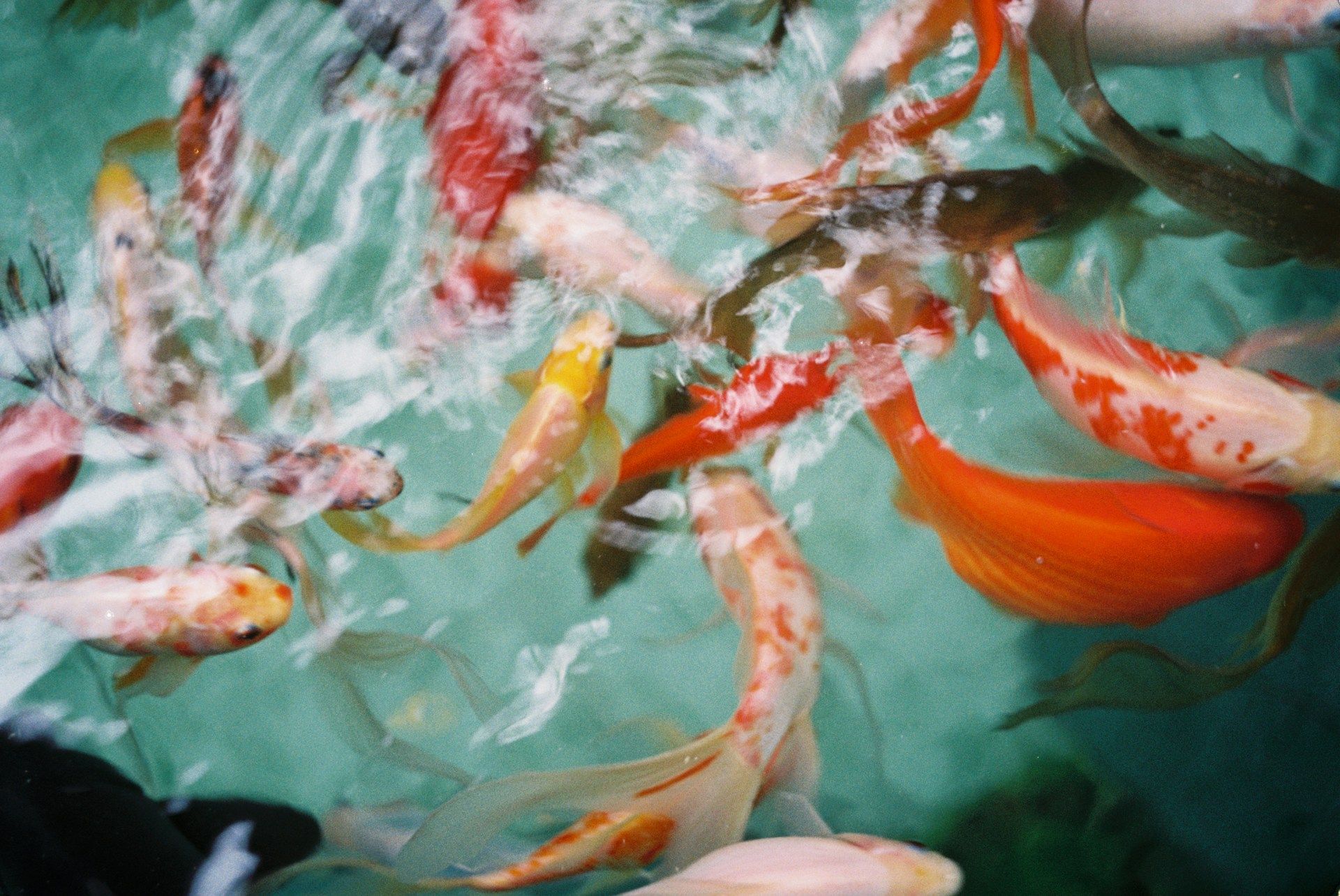
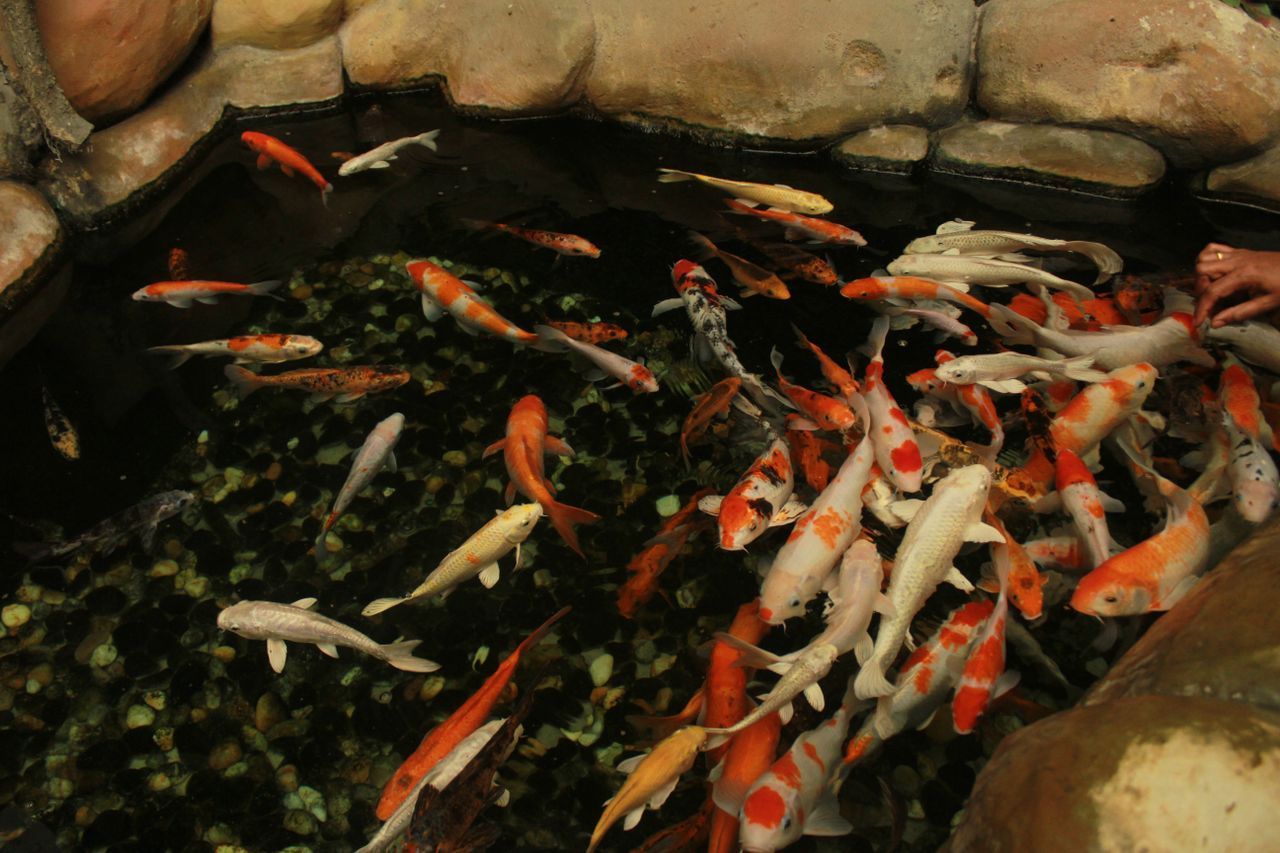
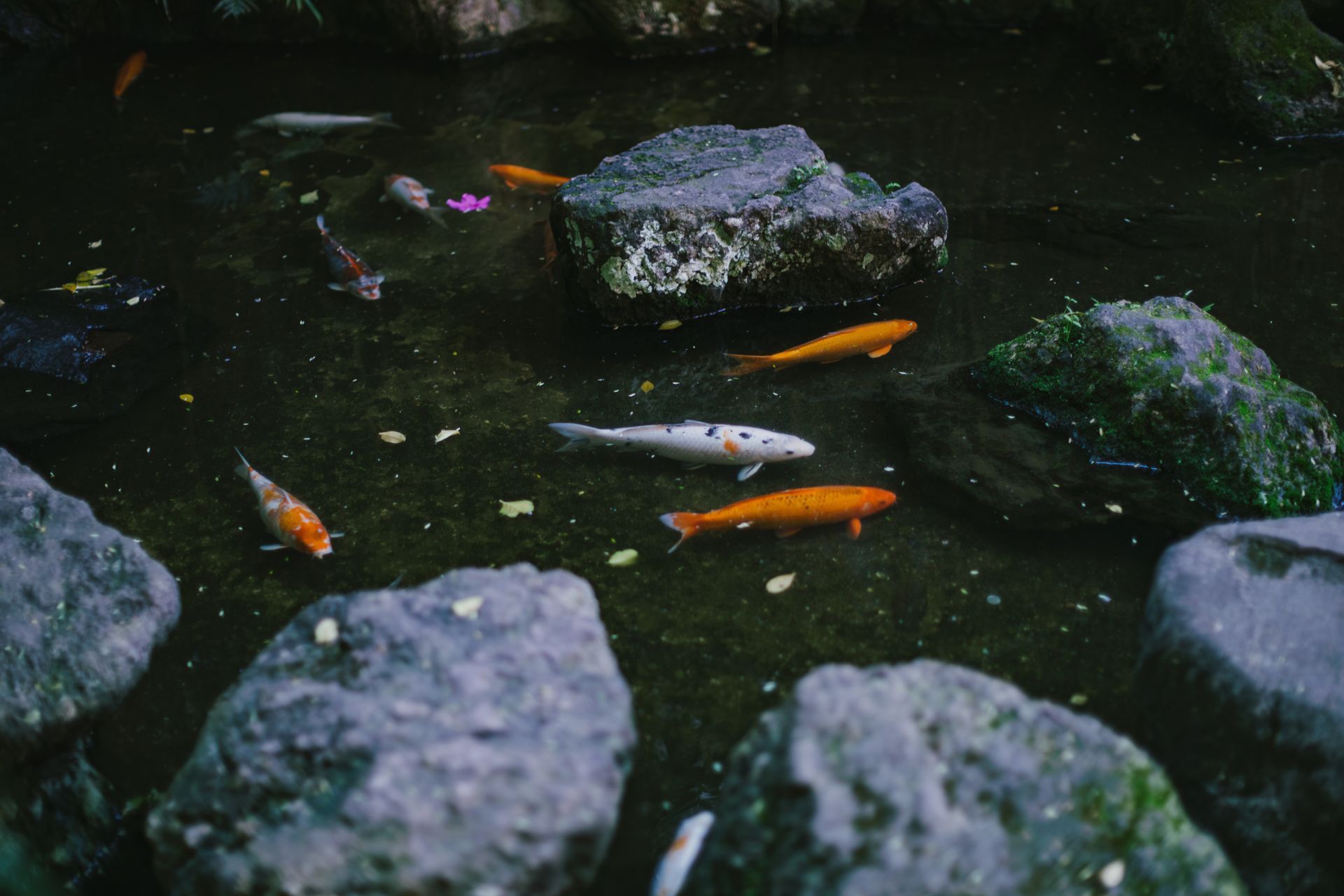
For many homeowners, koi are a long-term investment. Clear, stable water quality helps protect that investment by reducing stress, supporting strong immune systems, and showing off their true body color and patterns when the sun reflects across the surface.
Quiet by Design: Flow Paths That Feel Natural
If you want a peaceful pond, you have to think about how the water moves. A calm, meandering flow path from pond to wetland and back is much quieter than a tight, steep drop. Wide, shallow channels spread the water out so it glides instead of crashing and splashing. Gentle elevation changes, only a few inches at a time, also keep sound levels low and help prevent erosion of soil and mulch around the pond.
For most backyard koi ponds, the wetland filter is often about 18 to 24 inches deep. That depth gives room for:
- A strong base layer of larger stone
- A thick layer of gravel for biological filtration
- Stable pockets for plant roots
Flow rate matters too. When water is spread over a broad area rather than squeezed through a narrow chute, it moves more quietly and puts less pressure on the edges of the pond. The goal is steady, even movement, not a fire hose effect.
Stone choice shapes both sound and style. We like to use:
- Larger river rock and boulders to guide the current around soft bends
- A main layer of 3/8 to 3/4 inch gravel for biological filtration
- Occasional flat stones where water can sheet over in a thin, quiet veil
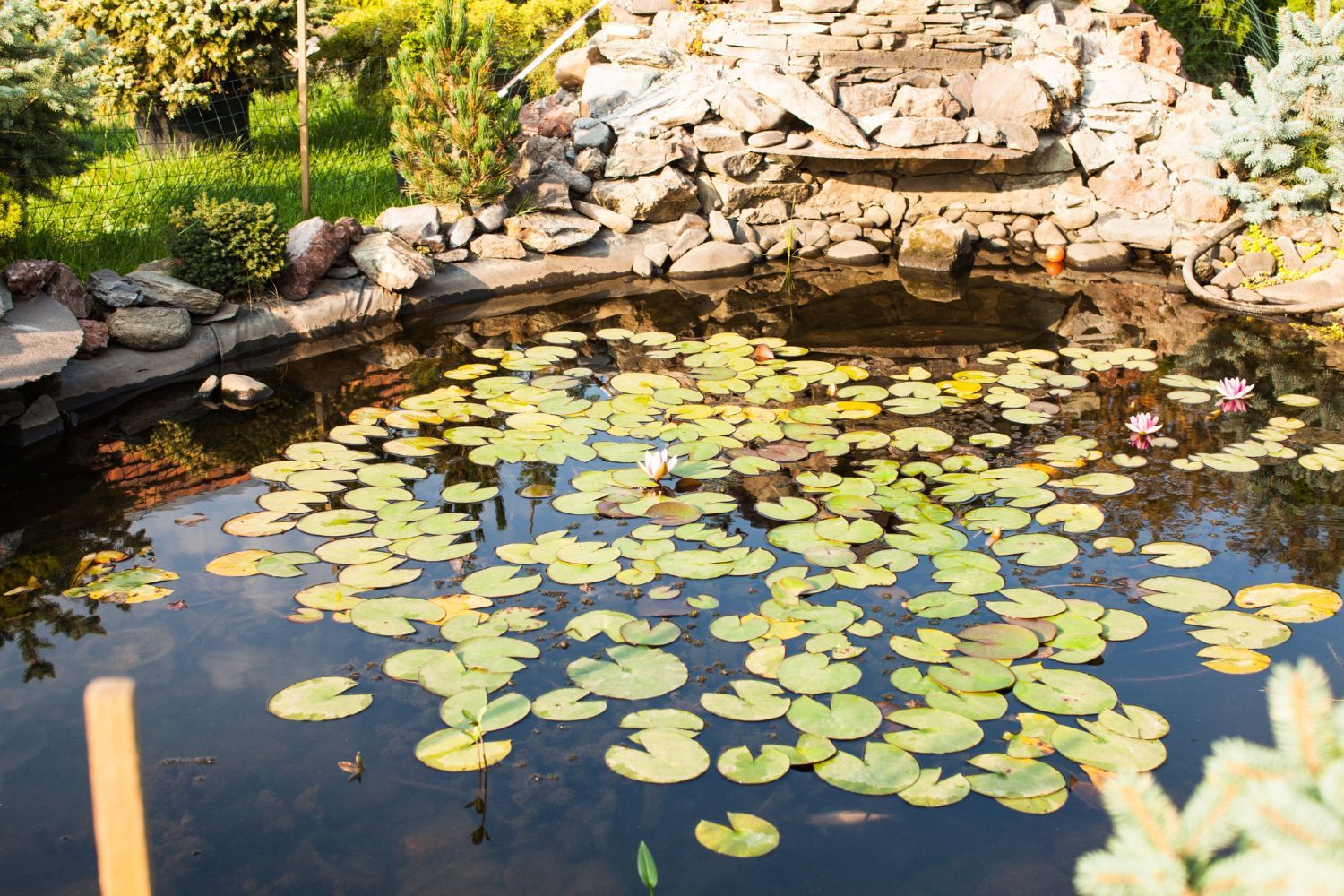
This mix of sizes and textures creates soft shadows and broken reflections on the surface, like an old streambed that has always been there. The pond looks like it has always belonged on your property, and the water sounds stay calm and soothing.
Spillway Choices That Whisper, Not Shout
Where the water leaves the wetland and returns to the pond has a huge impact on sound. Different spillway styles all have their own voice.
Common options include:
- Sheer descent, a straight sheet of water, modern look, stronger sound
- Natural rock lip, water rolls over a stone edge, softer, more organic sound
- Hidden weir, a low opening tucked behind boulders, mostly invisible and very quiet
For a quiet backyard sanctuary, we aim for wide, low-profile spillways. Instead of one narrow spout, the water spreads over a longer, shallow edge. That lowers the drop height and keeps splash to a gentle hiss rather than a roar. Covering the spillway with flat stones, mossy pockets, and overhanging plants breaks up the water sheet and softens both the look and the sound. At night, the soft rush of water and the shimmer of reflections can turn your yard into a true backyard sanctuary.
Connecticut seasons add a few more things to think about. In fall, leaves can collect around spillways and nudge water where it should not go. In winter, ice can build up and cause surprise changes in flow or louder surging. Good spillway design considers:
- Room for ice to form without blocking everything
- Easy access to clear leaves from key spots
- Stable stonework that does not shift with freeze and thaw
When all of that is planned in from the start, the water keeps moving quietly, even when temperatures swing above and below 32°F or a big storm blows through.
Planting a Wetland That Always Looks Like It Belonged
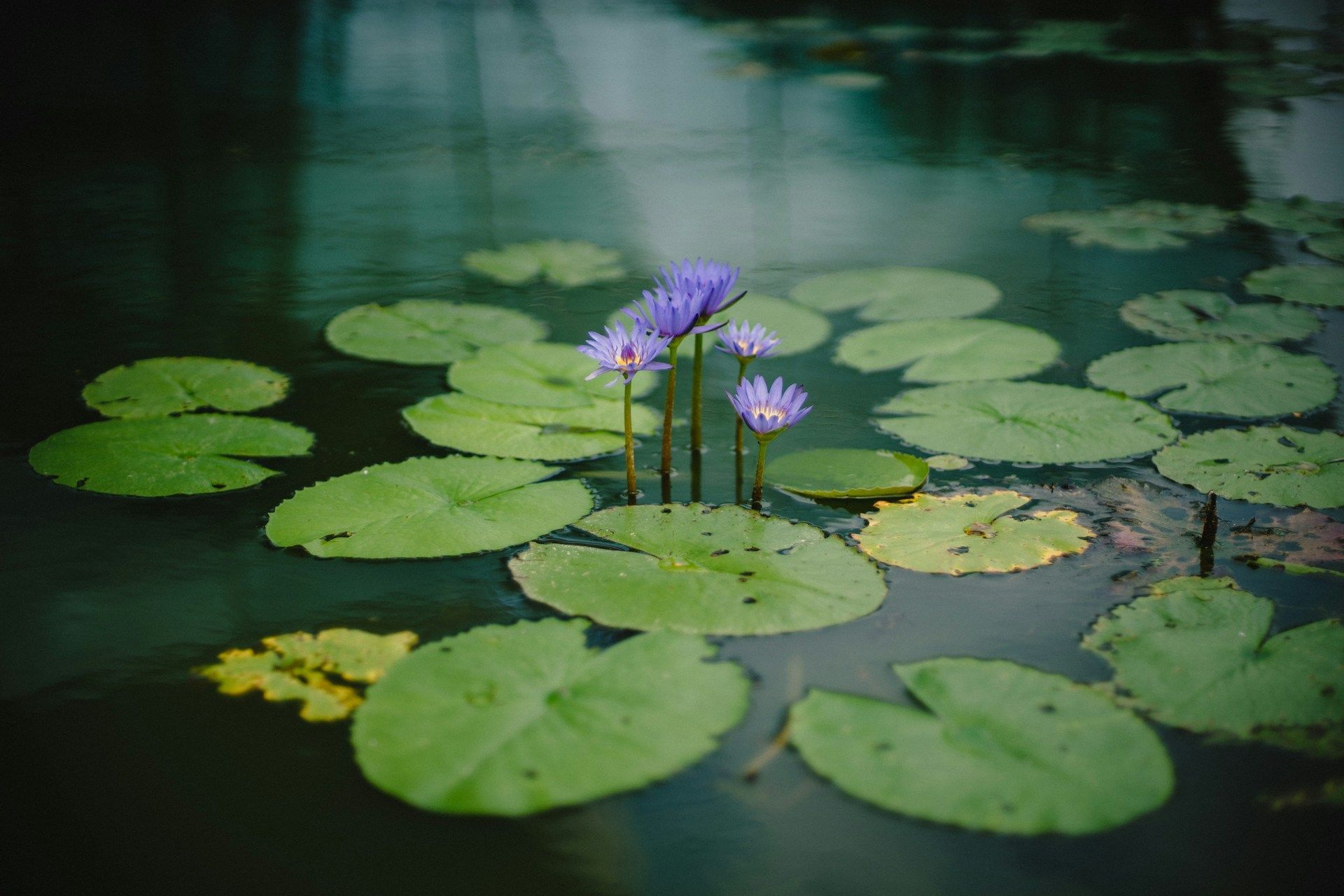
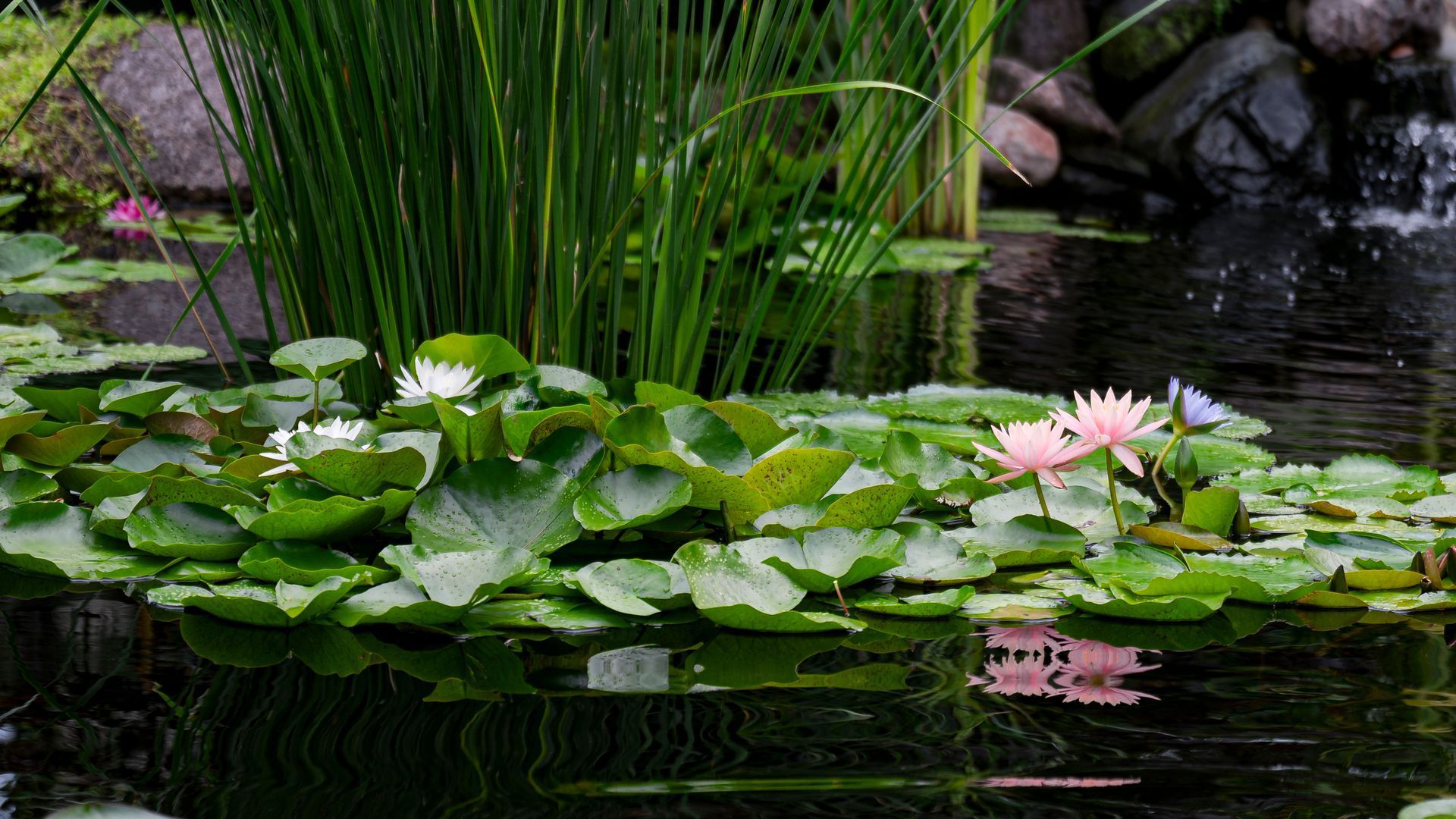
Plants are not just decoration in a wetland filter; they are working hard for your pond. Their roots grip the gravel so it does not shift, and they soak up nutrients that would otherwise feed algae. Stems and leaves tangle the flow a bit, giving tiny pond life places to hide, and the shade they cast helps keep water cooler and more stable on hot summer days when air temperatures climb into the 80s and 90s.
To get that "Always Belonged" New England marsh look, we like mixing:
- Low sedges and groundcover-type plants along the edges
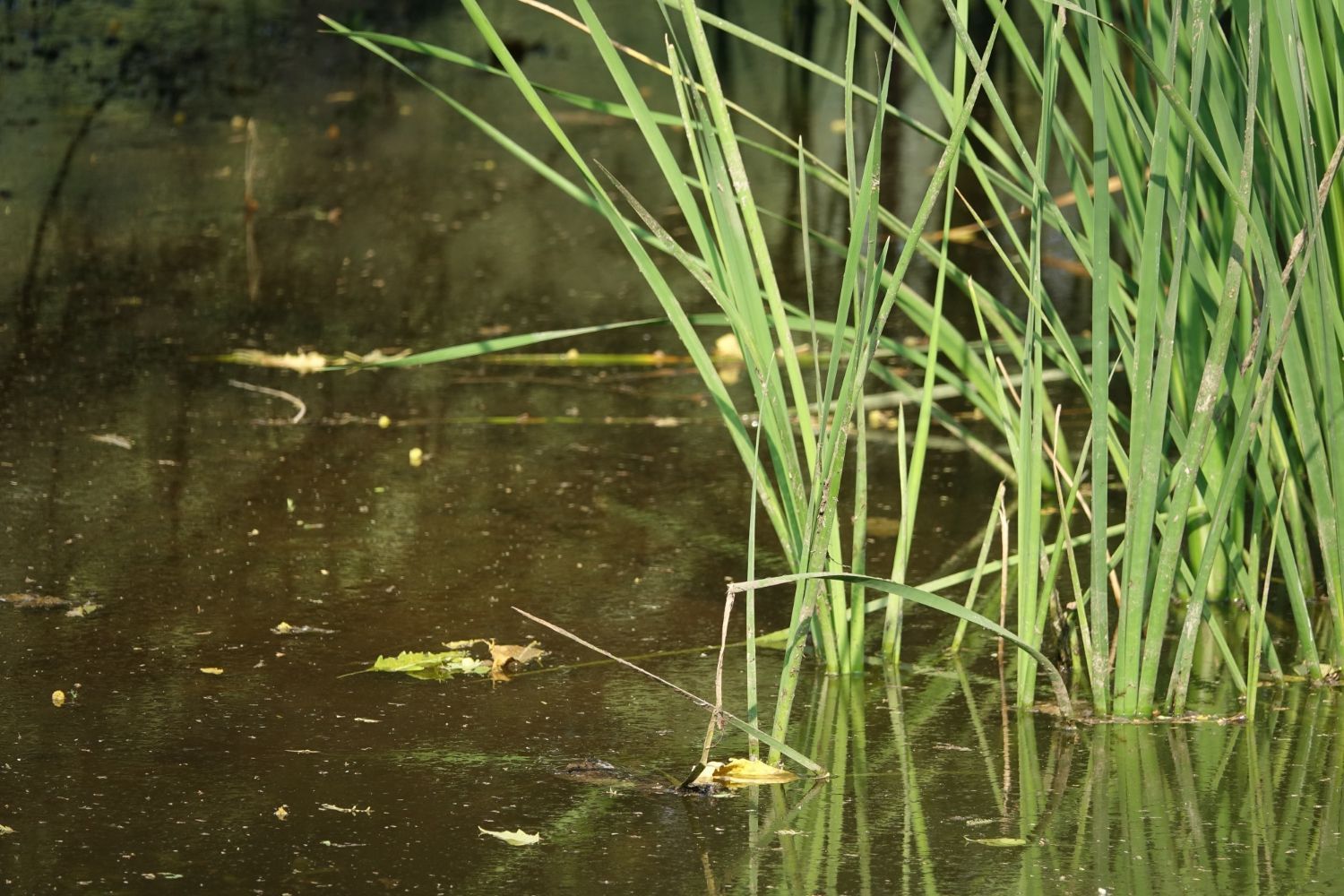
- Native rushes and grasses for soft movement in the breeze
- Hardy iris for bold leaves and seasonal flowers
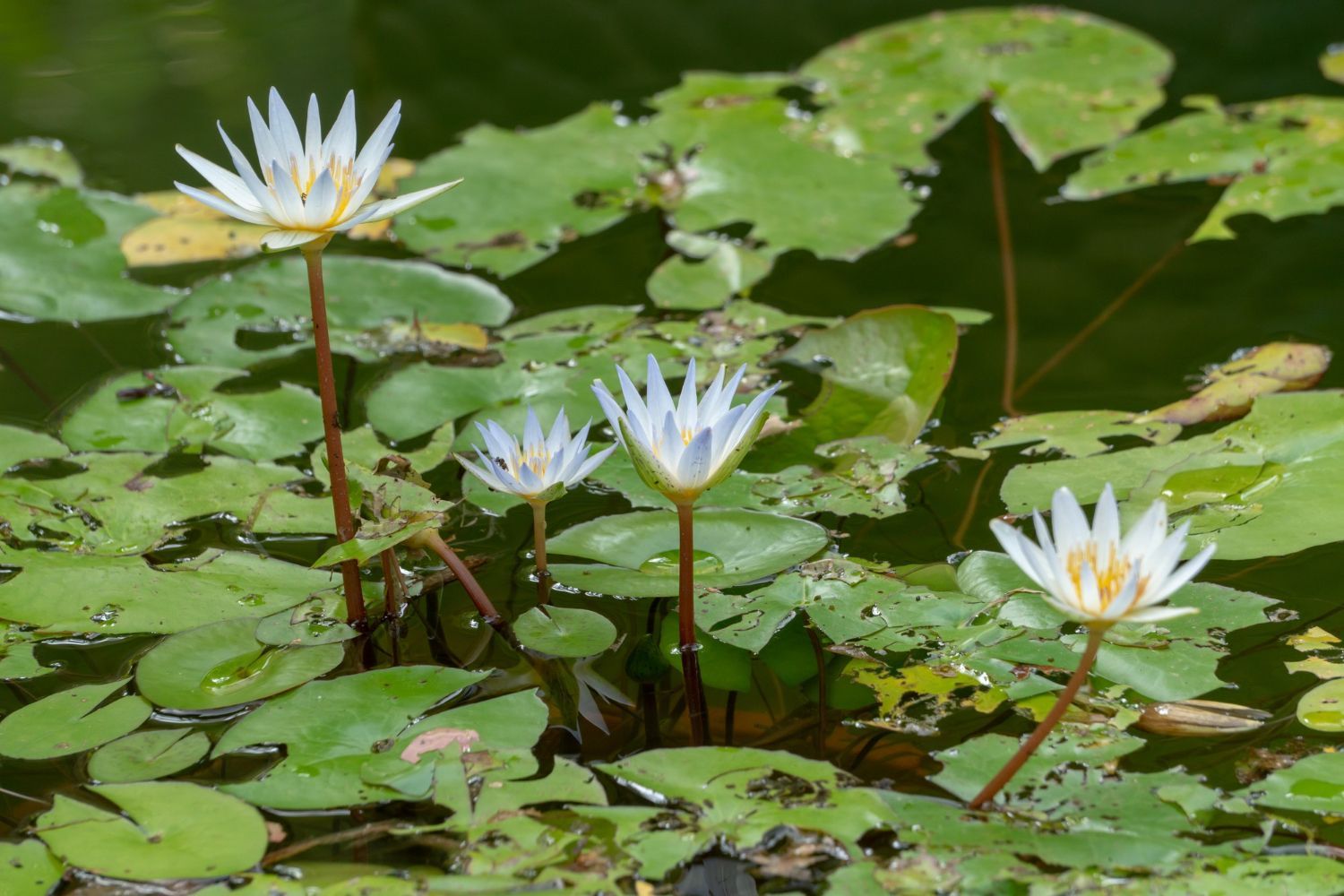
- A few flowering perennials for color in key spots
The trick is to layer height. Taller plants belong toward the back of the wetland or along a fence, medium plants in the middle, and low spreading plants toward the front edge. This keeps sight lines open so you can still see the water surface and your koi, while the wetland still looks full and lush.
Practical planting tips include:
- Leaving open gravel pockets for future growth instead of overpacking on day one
- Mixing evergreens or plants with strong stems so some structure remains in winter
- Choosing a few plants with fall color so the wetland still looks alive after the first frost
Over time, the planting softens stone edges, fills tiny gaps, and helps the whole pond feel like a natural marsh that has always been part of the property. This naturalism supports a thriving ecosystem, from beneficial bacteria to insects and birds that visit the water’s edge.
Protecting Your Koi Investment with Smart Maintenance
Once a wetland filter is mature, it should feel easy to care for, not like a second job. A bit of smart, seasonal maintenance keeps the system balanced and protects your koi investment.
Simple tasks that pay off include:
- Light rinsing of intake or distribution areas when you notice flow slowing
- Thinning plants in late summer or early fall so they do not choke the surface
- Checking that the flow path and spillways are even and stay quiet
- Monitoring water temperature with a simple pond thermometer, especially when it swings quickly in spring and fall
- Keeping an eye on koi behavior; changes in appetite, color, or swimming patterns can be early signs of stress
These small steps help keep water chemistry stable, which is one of the best gifts you can give your koi. Clear, steady water with plenty of oxygen supports strong immune systems and shows off true body color and patterns. On a still evening, when the air cools into the 60s and the pond surface mirrors the sky, those healthy koi become living art in your backyard sanctuary.
When a wetland filter is designed and maintained well, you can rely more on biological filtration and a balanced ecosystem, and less on harsh chemicals or noisy, oversized equipment. The pond becomes a calm, living system that works with the seasons instead of fighting them, and your koi get a safe, steady home where they can thrive for years. The result is a backyard sanctuary that looks and feels like it was designed by nature from the very beginning.
Get Started With Your Project Today
If you are ready to enjoy clearer water, healthier plants, and a more natural-looking pond, we can design a custom
wetland filter that fits your space and goals. At PD Waterscapes, we take time to understand how you want to use your water feature so your system looks beautiful and works reliably. Reach out to us to discuss your ideas, ask questions, and get expert guidance on next steps. You can
contact us today to start planning your project.