Connecticut Ecosystem Pond Sanctuary Blueprint
A backyard pond should feel like it was designed by nature. The stones, plants, and water should sit quietly into the land, as if they have always been part of your yard. When an ecosystem pond is planned well, it becomes a living water garden, not a concrete bowl that needs constant chemicals and cleaning.
At PD Waterscapes, we build ponds that act like small, healthy wetlands. Water moves, plants grow, fish thrive, and beneficial bacteria do the quiet work of cleaning. In this guide, we will walk through a simple blueprint: how to pick the right spot, work with your yard’s microclimates, choose a native plant palette, and support wildlife and koi through all four seasons.
Choosing the Perfect Spot for Your Ecosystem Pond
Good placement is where a sanctuary starts. For Connecticut, we aim for 4 to 6 hours of direct sun. This lets water lilies and other plants grow strong, while keeping algae and water temperature in check for koi.
Think about how the sun and shade move across your yard. Pay attention to:
- House shadows that may cool the pond or block plant growth
- Tall trees that drop leaves and add maintenance
- Roof lines and gutters that could send runoff toward the pond
Ground shape matters too. A gentle slope is perfect for a naturalistic waterfall and stream-style biological filtration. Water can appear to spring from the land, travel through a rocky stream, and return to the pond. Very steep or very flat yards can still work, but they just need special design, such as terraced falls or raised edges, to look natural and stay safe.
We also look at soil and drainage. Clay-heavy soil can trap water and create a “bathtub” effect. Sandy soil can let water run away from where you want it. Either way, we plan so that water does not creep toward foundations, patios, or septic systems.
Then, there is the sensory side. Many homeowners want to hear the waterfall from a kitchen window or bedroom. Others care more about the view from a favorite chair or deck. It helps to decide your top viewing and listening spots first, then let the pond and waterfall location grow out from those daily moments.
Creating the “Always Belonged” New England Look
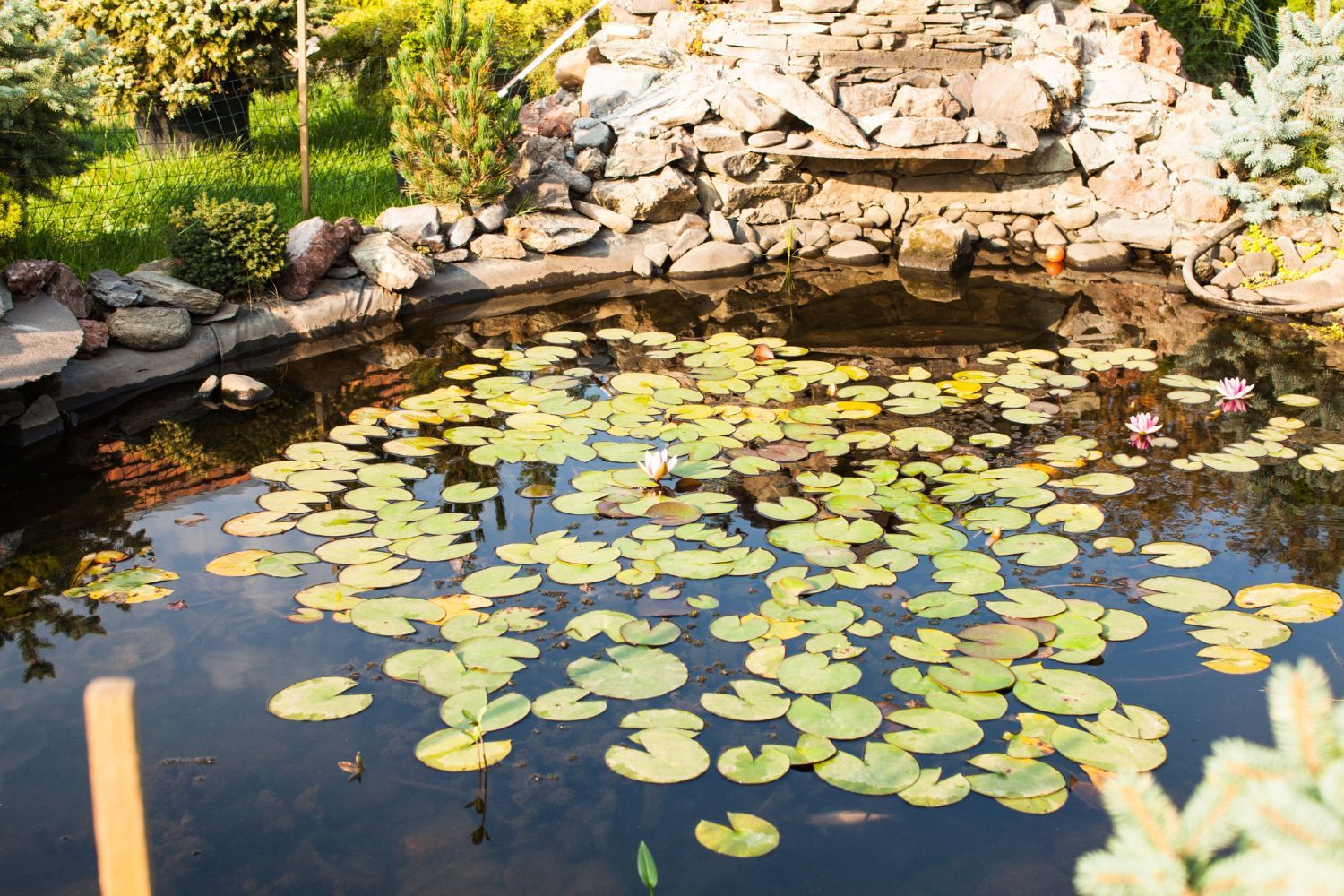
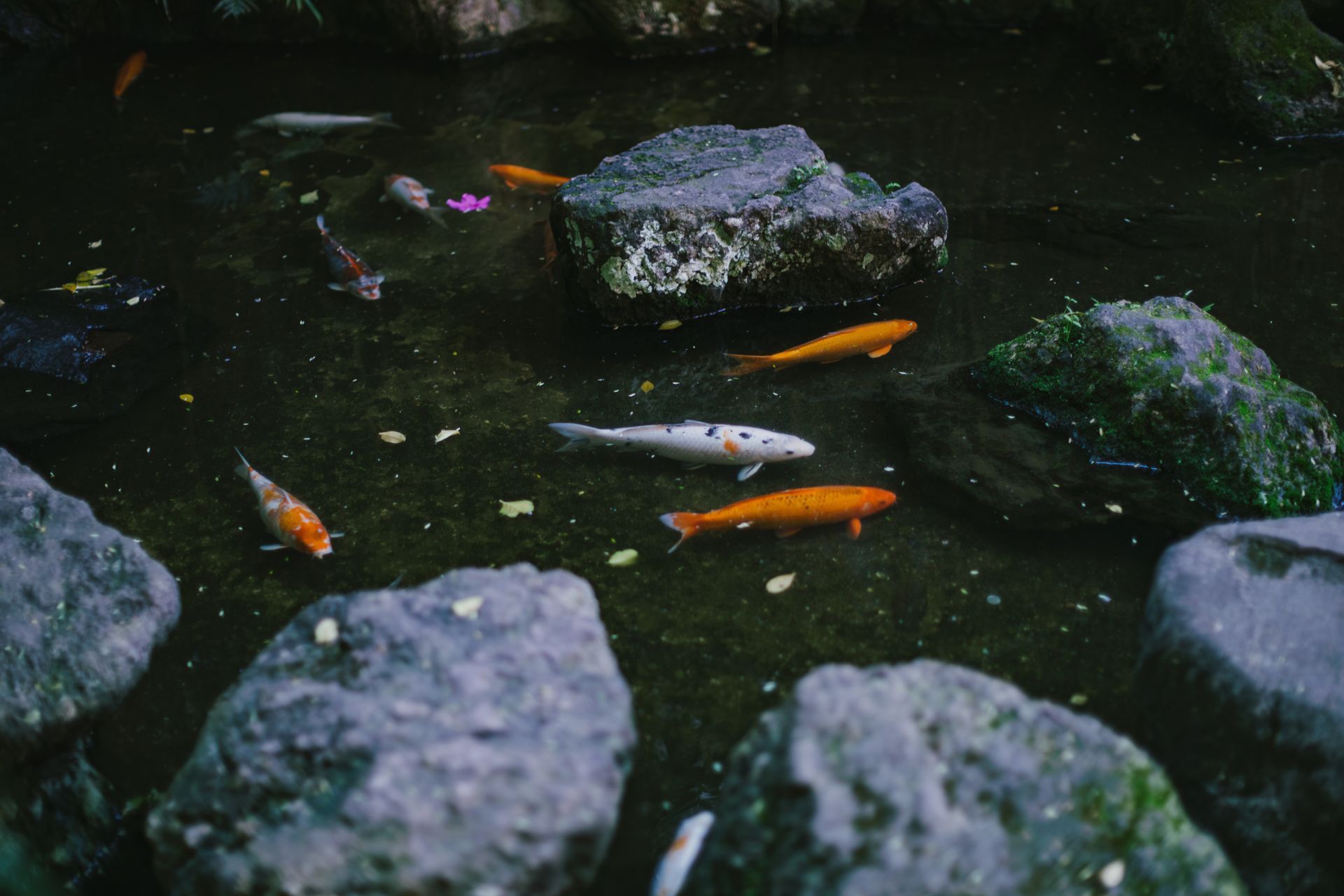
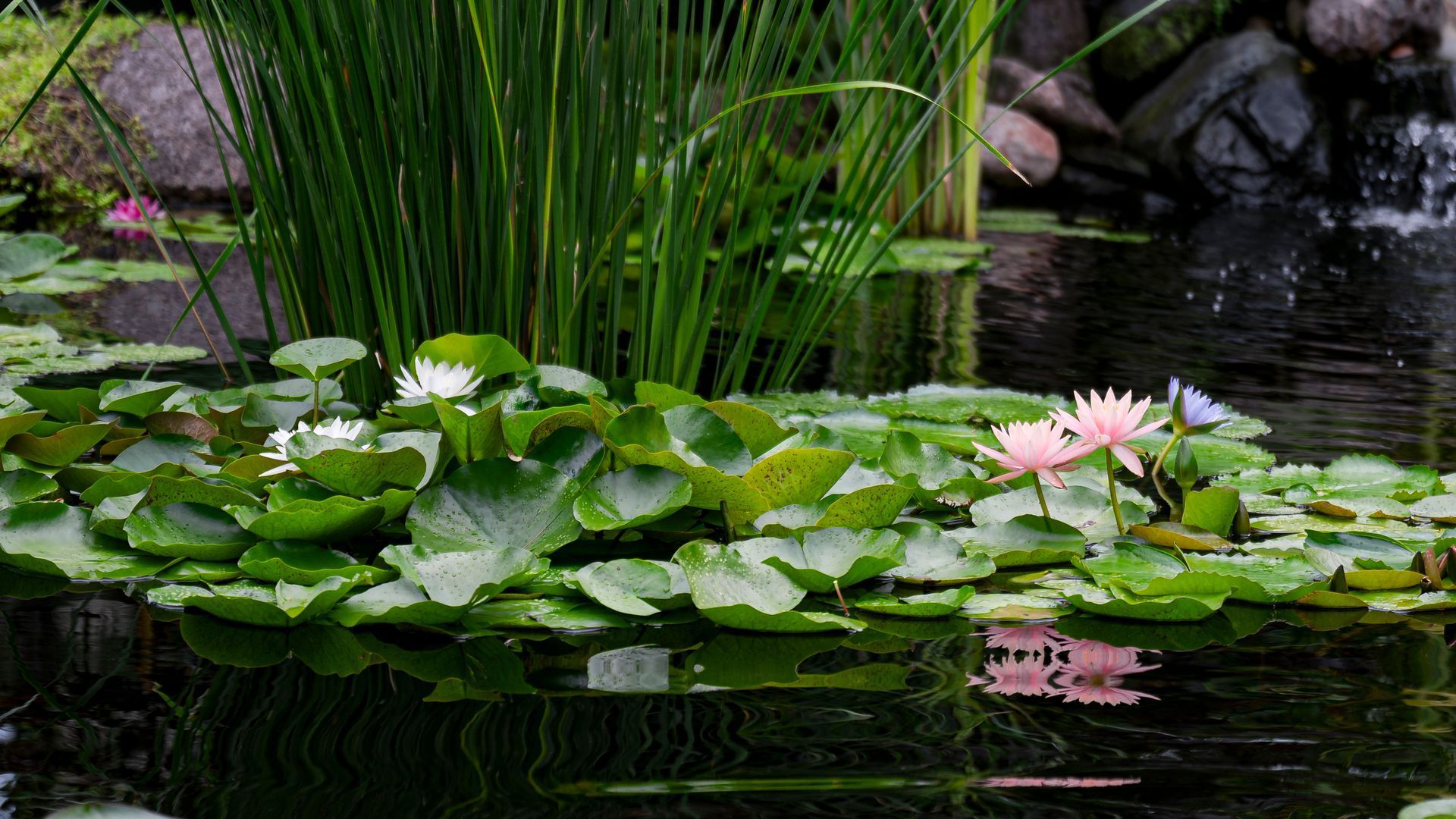
To make a new pond feel like it has been in a Connecticut yard for decades, stone placement is everything. We choose boulders that match local ledges and stream beds, and we mix big anchor stones with medium and small rock so it feels like nature, not a rock wall.
Key details we focus on:
- Partially burying boulders so they look rooted, not perched
- Building irregular shorelines with coves and peninsulas instead of a smooth oval
- Leaving pockets between rocks for plants, moss, and leaf litter to settle and soften edges
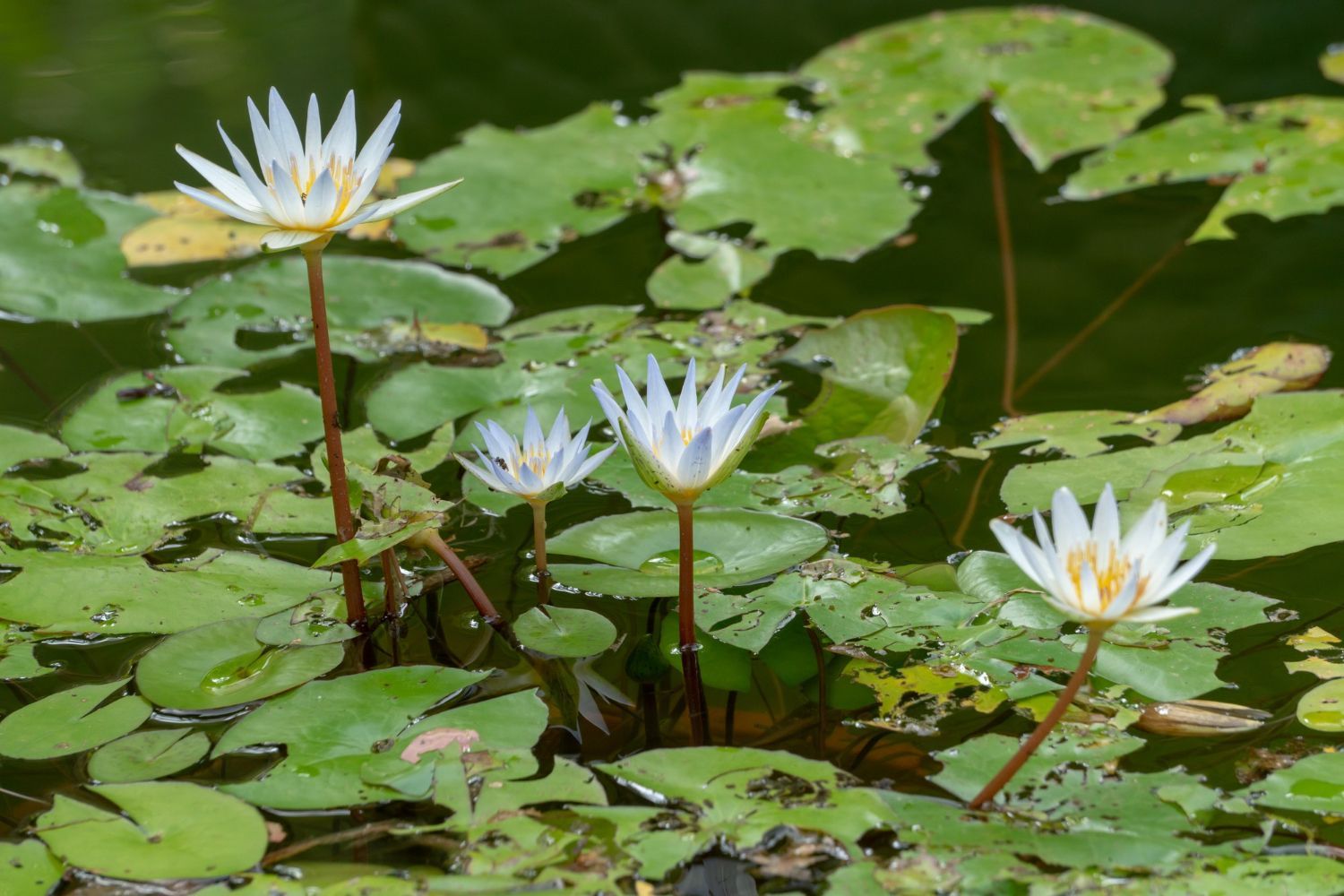
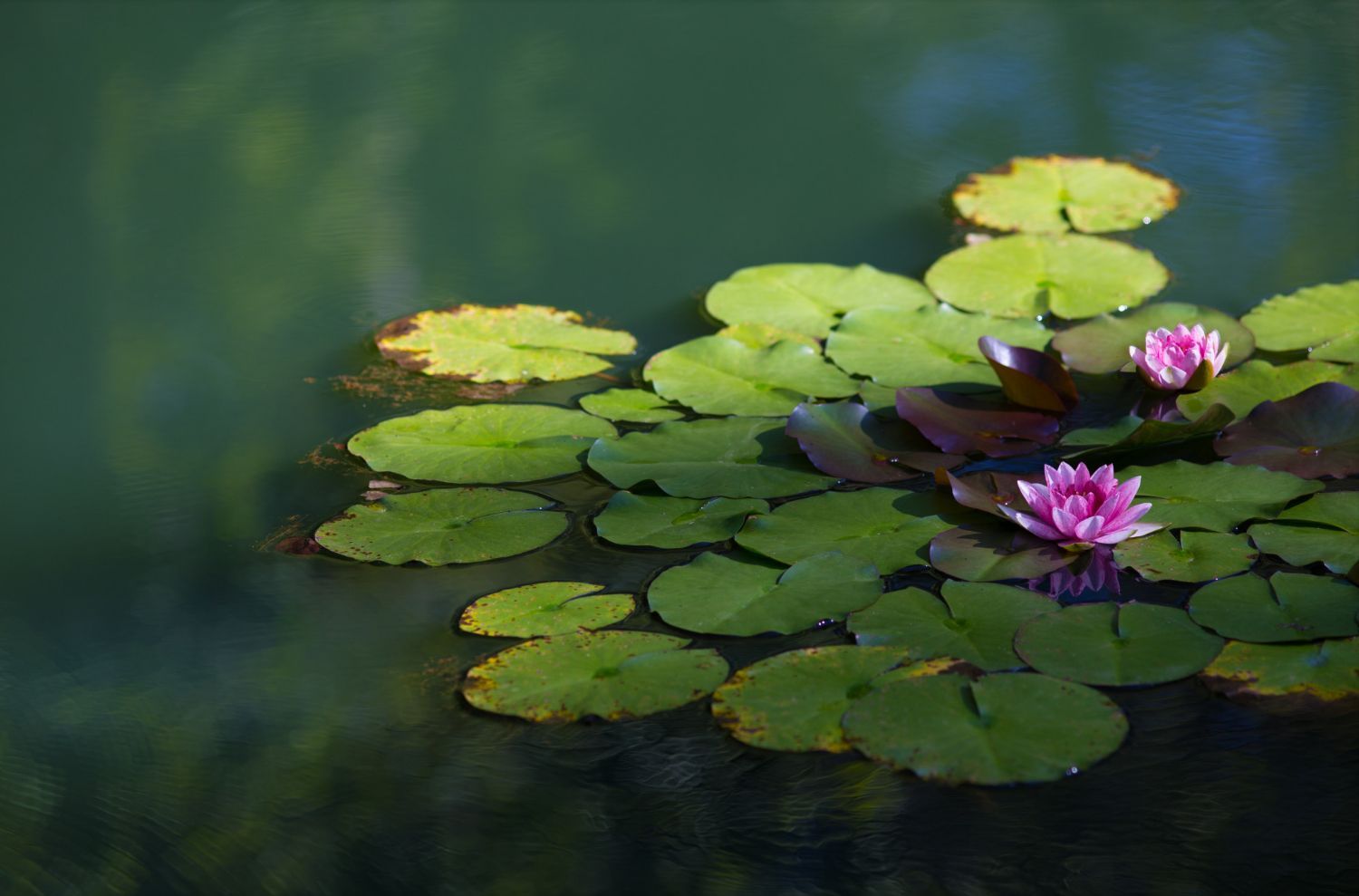
A native and naturalized plant palette finishes that “always belonged” look. For aquatics, we often lean on hardy water lilies for shade and reflection, pickerel rush for height and pollinators, and blue flag iris along the margins for early color. Around the edges, we mix in:
- Grasses that sway in the breeze
- Ferns that love moist shade
- Shrubs that tie the pond back into nearby woods or beds
This avoids the “ring of soldiers” feeling you get when plants are lined up evenly around the pond.
Paths, seating, and lighting also shape the mood. Simple stone steppers through turf, a log step down to a sitting rock, or a small gravel pad for chairs can make the pond feel like a discovered woodland spring. Warm, low-level lighting on waterfalls, a favorite boulder, or a sculptural shrub lets the sanctuary come alive at night without feeling flashy or commercial.
The Five Living Elements of a Thriving Ecosystem Pond
A true ecosystem pond is built on five living elements that support each other. When they are in balance, the pond stays clear and low-maintenance.
First is filtration and moving water. A skimmer pulls leaves and surface debris, then sends water through a pump up to a biofalls or upper pool. As water flows back down through rocks and gravel in a stream or waterfall, it picks up oxygen. Beneficial bacteria living on those surfaces quietly clean the water as it passes.
Second are rocks and gravel. These are not just for looks; they create a huge amount of surface area where bacteria live. Those microbes break down fish waste and fallen leaves into nutrients that plants can use.
That leads to the third element, plants. Aquatic plants compete with algae for nutrients. Their leaves shade the water, lilies cast “umbrellas” on the surface, and roots knit through gravel, giving small creatures places to hide.
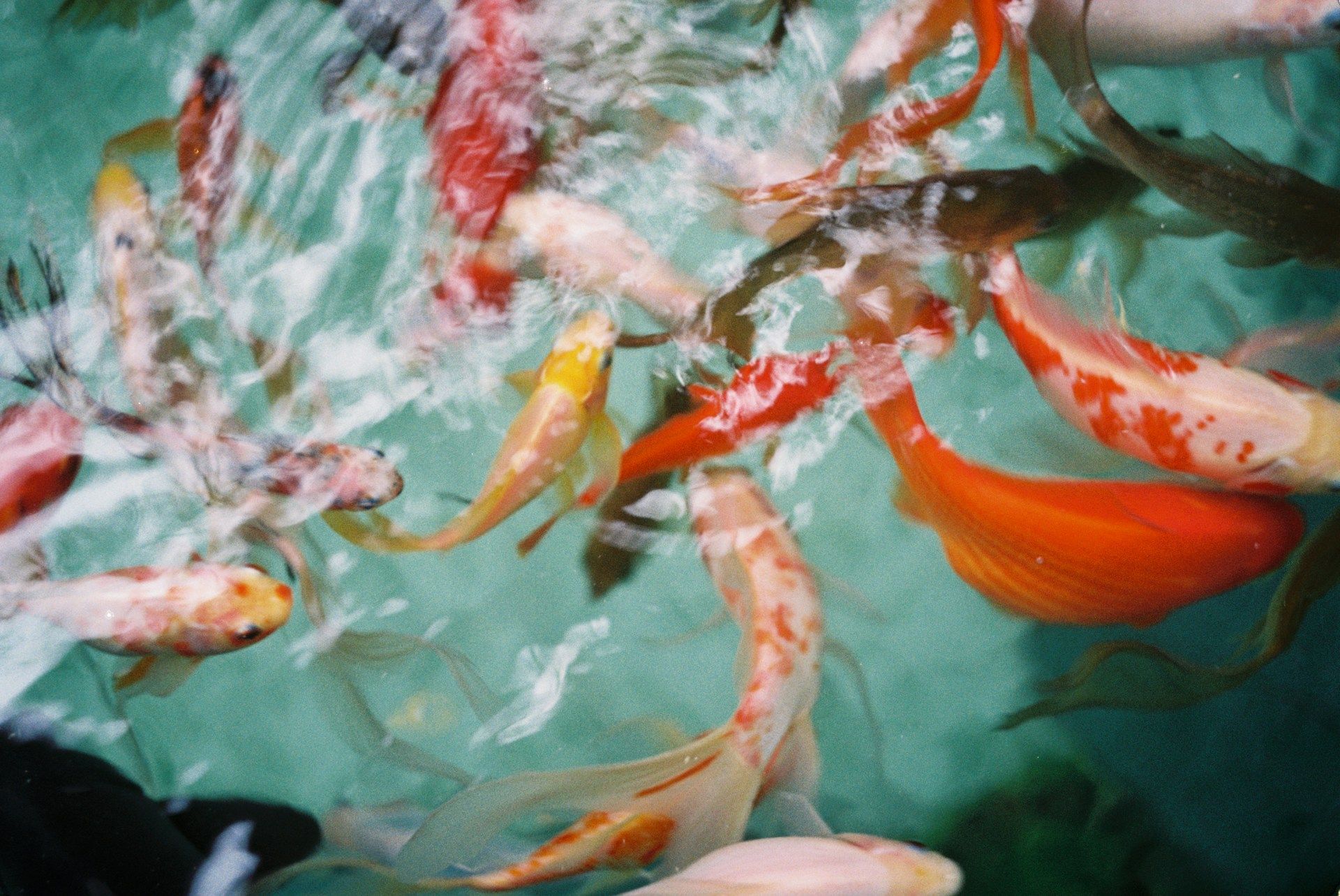
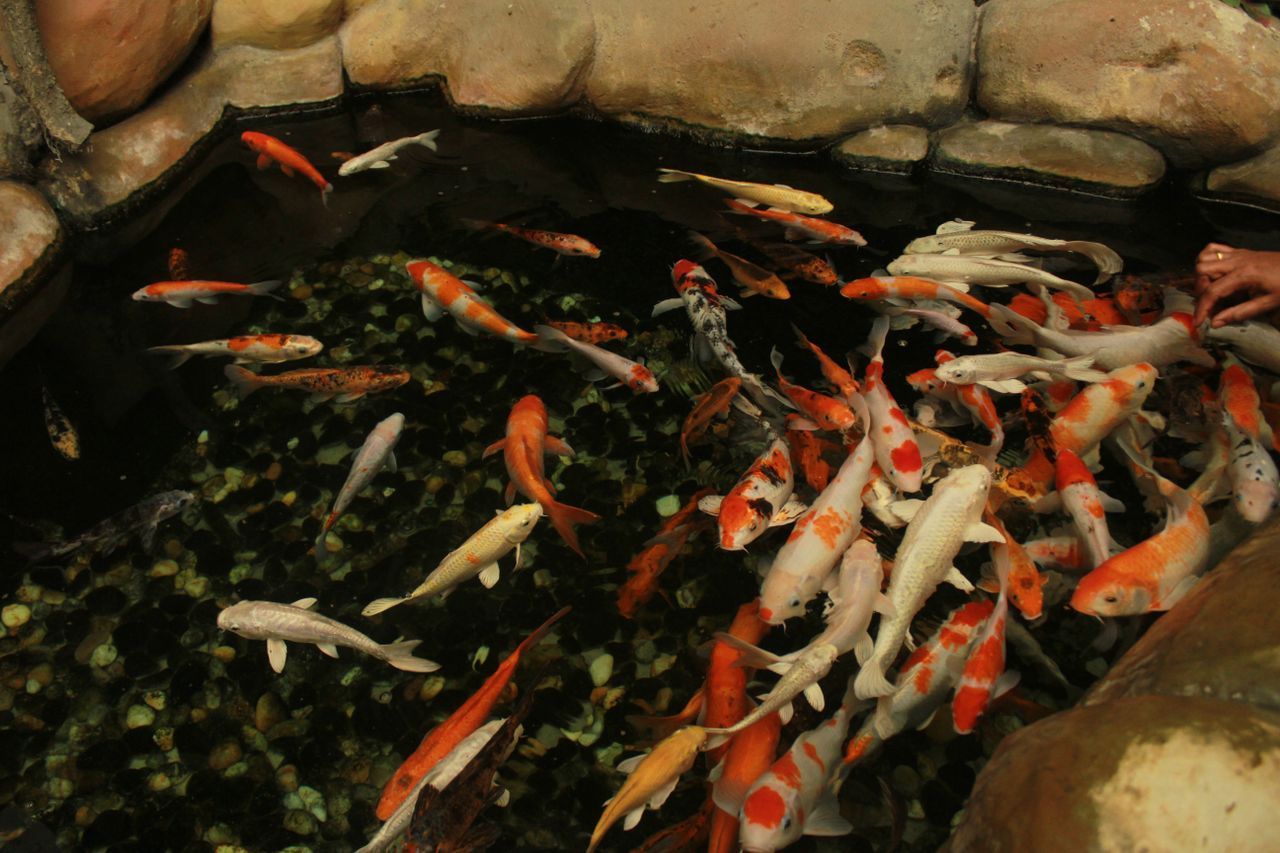
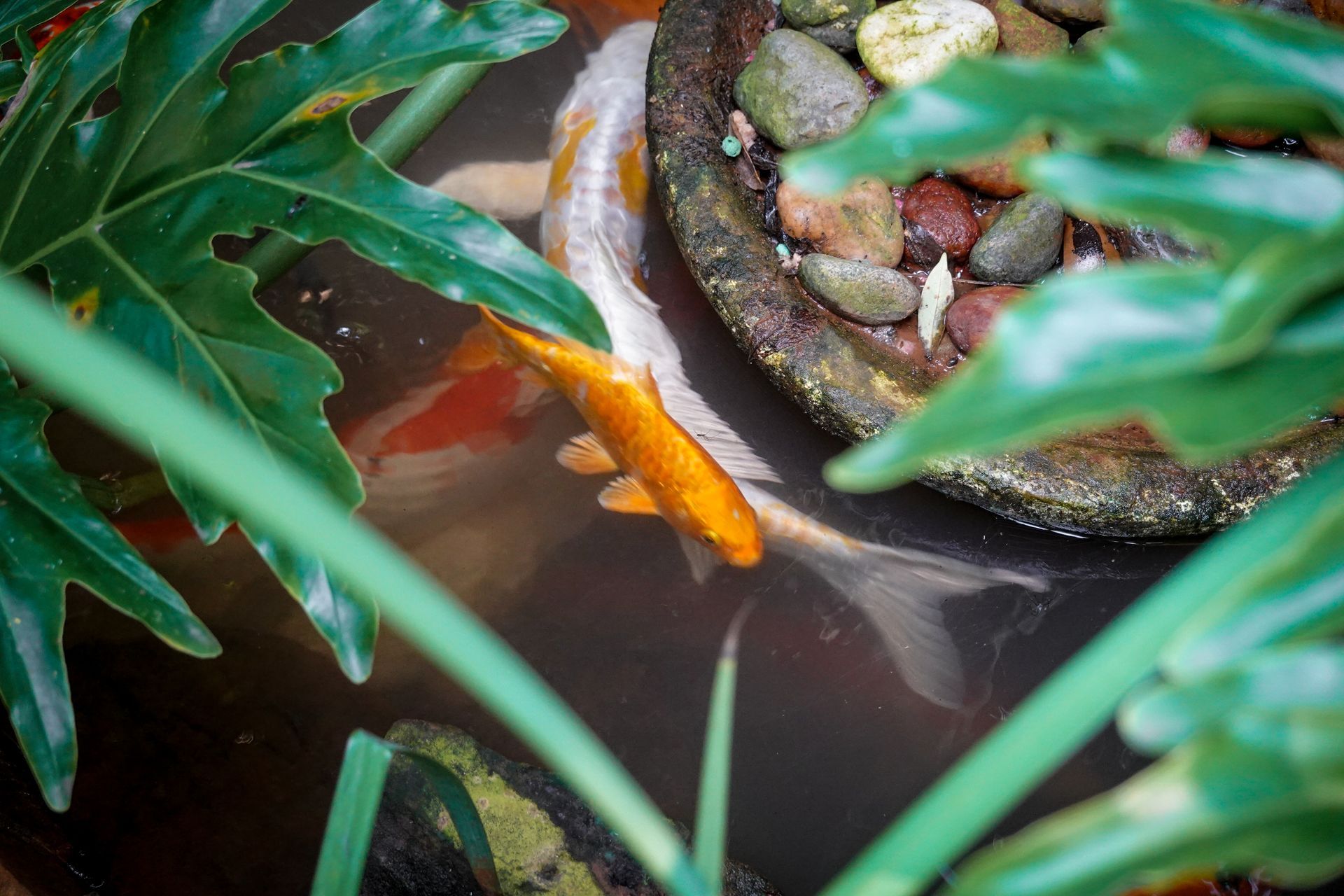
Fourth are the fish. Koi and goldfish stir the bottom as they forage. They eat mosquito larvae and other small pests. Their waste feeds the bacteria and plants, closing the nutrient loop.
The fifth element is the bacteria themselves, the hidden workers in the system. When all five pieces, filtration, rocks and gravel, plants, fish, and bacteria, are in balance, you get clear water, relaxed maintenance, and a pond that feels alive.
Koi Health, Microclimates, and Four-Season Care
Every Connecticut yard has microclimates. A wall that holds afternoon heat, a stand of pines that blocks winter wind, or a low spot where cold air settles can all change how your pond behaves. We read these patterns so koi stay comfortable.
We like to design deeper zones at least 3 feet where allowed as winter-safe rooms for koi. These spots stay more stable in temperature, and give fish a calm place to rest. Shallow ledges serve as summer feeding zones and plant shelves, warming faster in spring and giving you easy access to interact with your fish.
Koi care shifts with the seasons:
- In fall, switch to a cold water diet as temperatures drop, keep nets in place, and empty skimmer baskets before and after windy storms
- In winter, keep a small opening in the ice with aeration or a de-icer so gases can escape, and avoid tapping on the ice above resting fish
- In spring and summer, test water basics, increase feeding slowly, and watch for clamped fins, flashing, or changes in appetite so you can fix small issues early
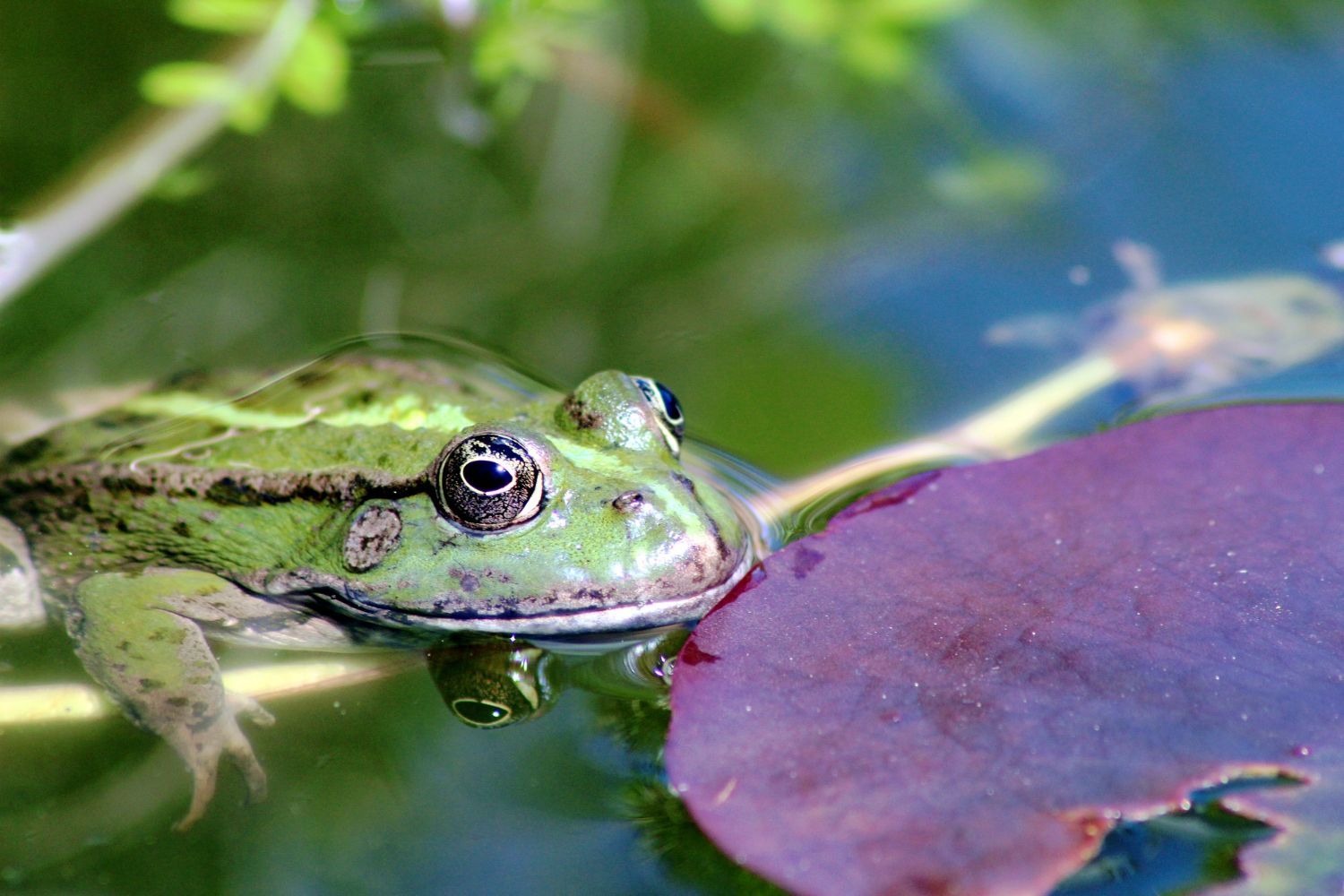
We also think about wildlife. Dense planting, rock caves, and undercut shelves let koi slip away from herons, while frogs, dragonflies, and songbirds still find plenty of access. Over the year, a well-designed ecosystem pond becomes a nature show: tadpoles and iris in spring, lilies and fireflies in summer, migrating visitors in fall, and quiet ice patterns in winter.
Your Connecticut Pond Sanctuary Game Plan
Designing a backyard sanctuary comes down to a thoughtful blueprint. Choose a spot with the right sun, views, and drainage. Pay attention to your yard’s microclimates, plan deeper and shallower areas for koi comfort, and lean into a plant palette built from native and naturalized species. Respect the five living elements of an ecosystem pond so the water garden can largely take care of itself.
A simple next step is to map your yard. Notice where the sun hits for those 4 to 6 hours, mark the best indoor and outdoor views, feel where the wind usually comes from, and note any existing trees or slopes. From there, the pond stops being a “project” and starts to feel like a future living sanctuary, quietly designed by nature, waiting to be revealed in your Connecticut backyard.
Get Started With Your Project Today
Transform your yard into a living, low-maintenance water feature designed to stay clear and balanced with a custom
ecosystem pond. At PD Waterscapes, we take time to understand your space, your style, and how you want to enjoy your water feature every day. If you are ready to explore options or schedule a consultation, simply
contact us. Let us help you create a pond that looks beautiful, supports wildlife, and fits naturally into your landscape.