Create a Calm Water World Your Koi Can Trust
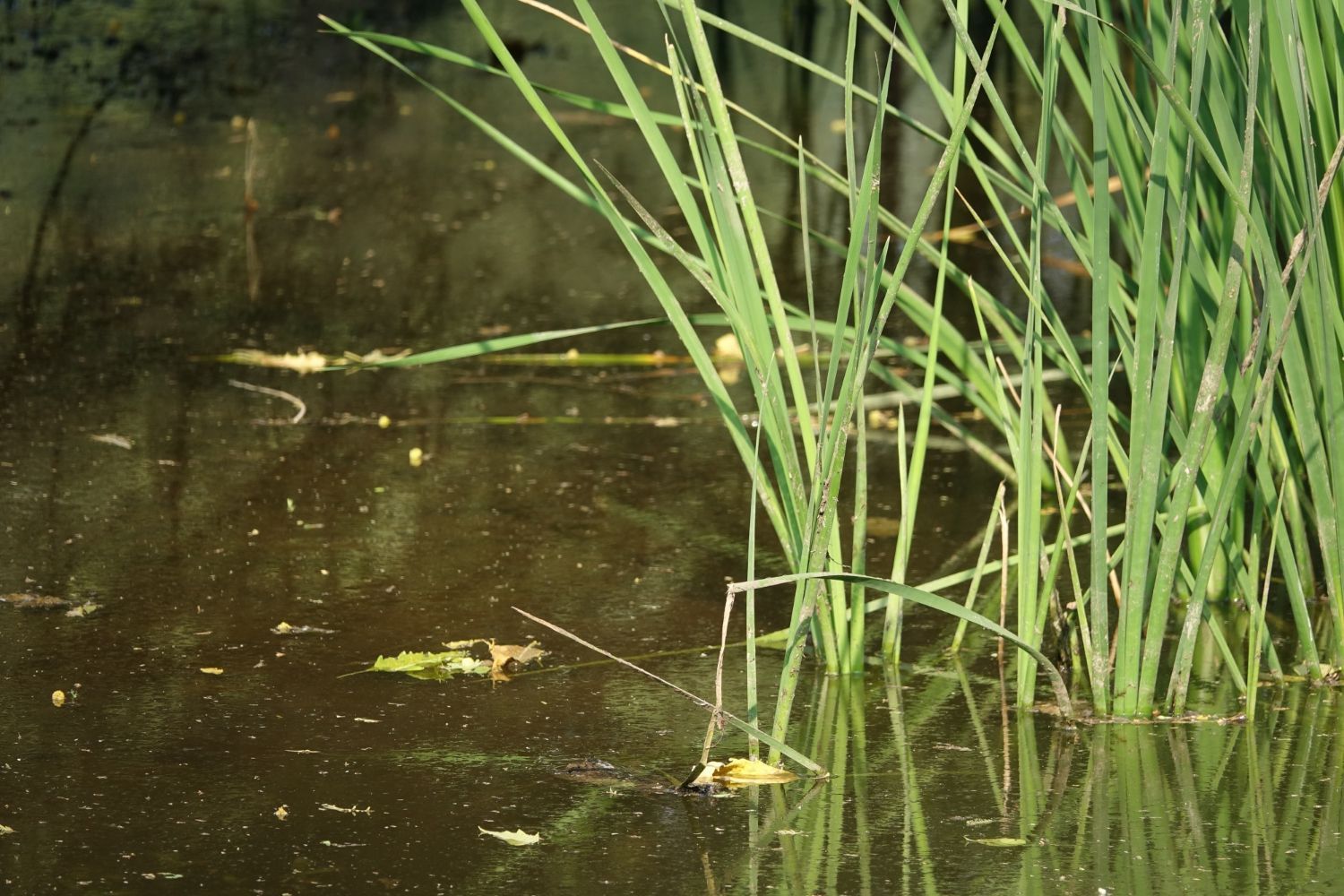
Koi feel safest in water that looks and acts like a real pond, not just a big backyard bowl. The right pond plants are a huge part of that. They give cover from predators, soften bright light, and help keep the water clean and steady so your fish can relax.
Think of a crisp early November afternoon in Connecticut. Most of the maple leaves have fallen, the air has that cool edge, and your pond is still alive. The waterfall is whispering, koi are gliding under golden reflections, and a few hardy plants frame the edges. When plants, stone, and water are arranged as if designed by nature, the whole space feels like it has always belonged there. That is what we aim for with every koi pond we build and care for.
At PD Waterscapes, we call this the “Always Belonged” look. Careful stone placement, layered planting, and gentle water movement work together so even a new pond feels aged and familiar. In this article, we will share how to choose pond plants that protect your koi, support a thriving ecosystem, and keep your backyard sanctuary soothing from summer into late fall.
What Koi Really Need to Feel Safe in Your Pond
Koi are prey animals. Even in a quiet backyard, they still carry the instinct to hide from anything flying or moving above them. Plants help meet that need.
Koi feel calmer when they have:
- Overhead cover from floating leaves
- Tall plants or rocks to slip behind
- Gentle shade during the brightest part of the day
- Clear, steady water with soft light on the surface
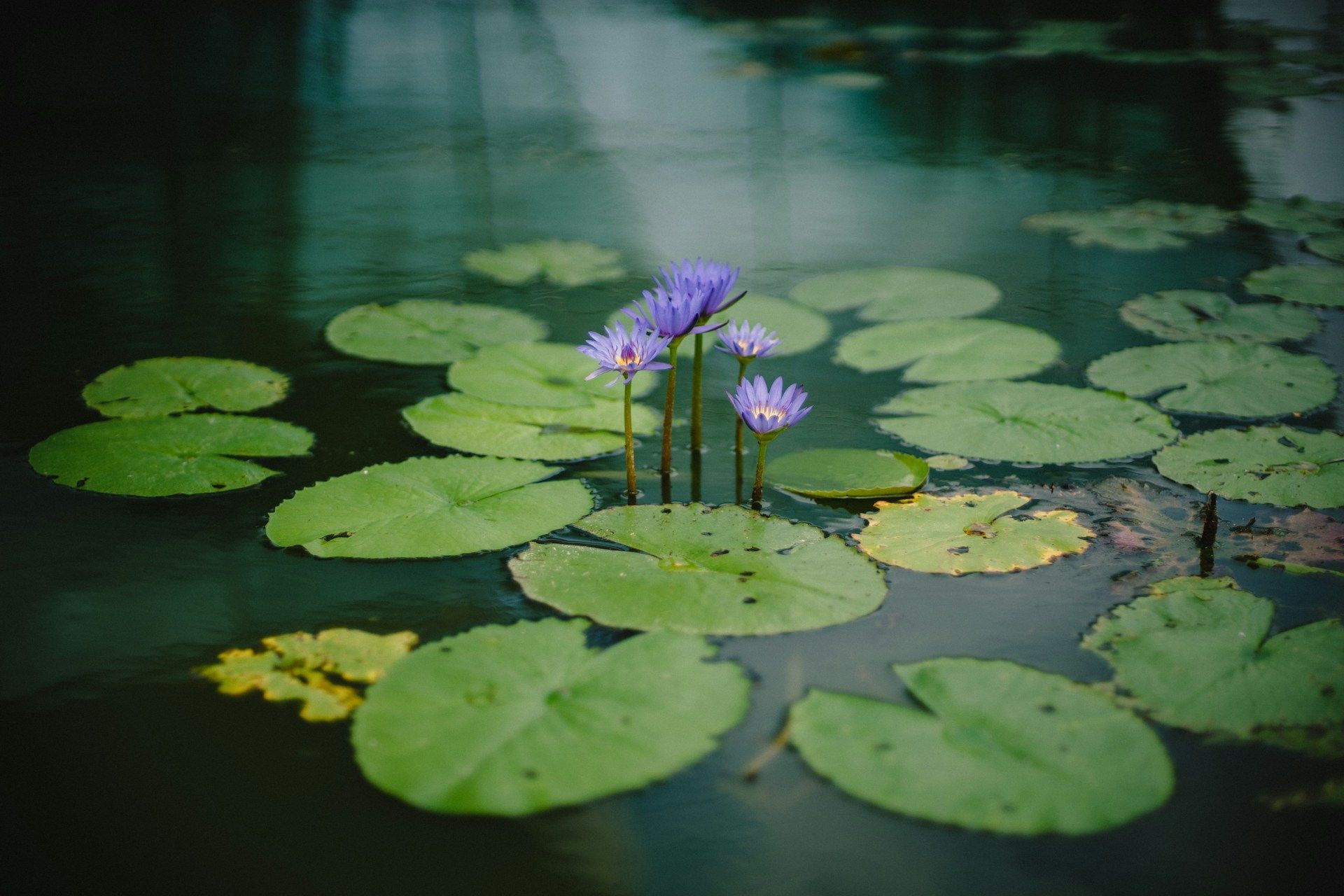
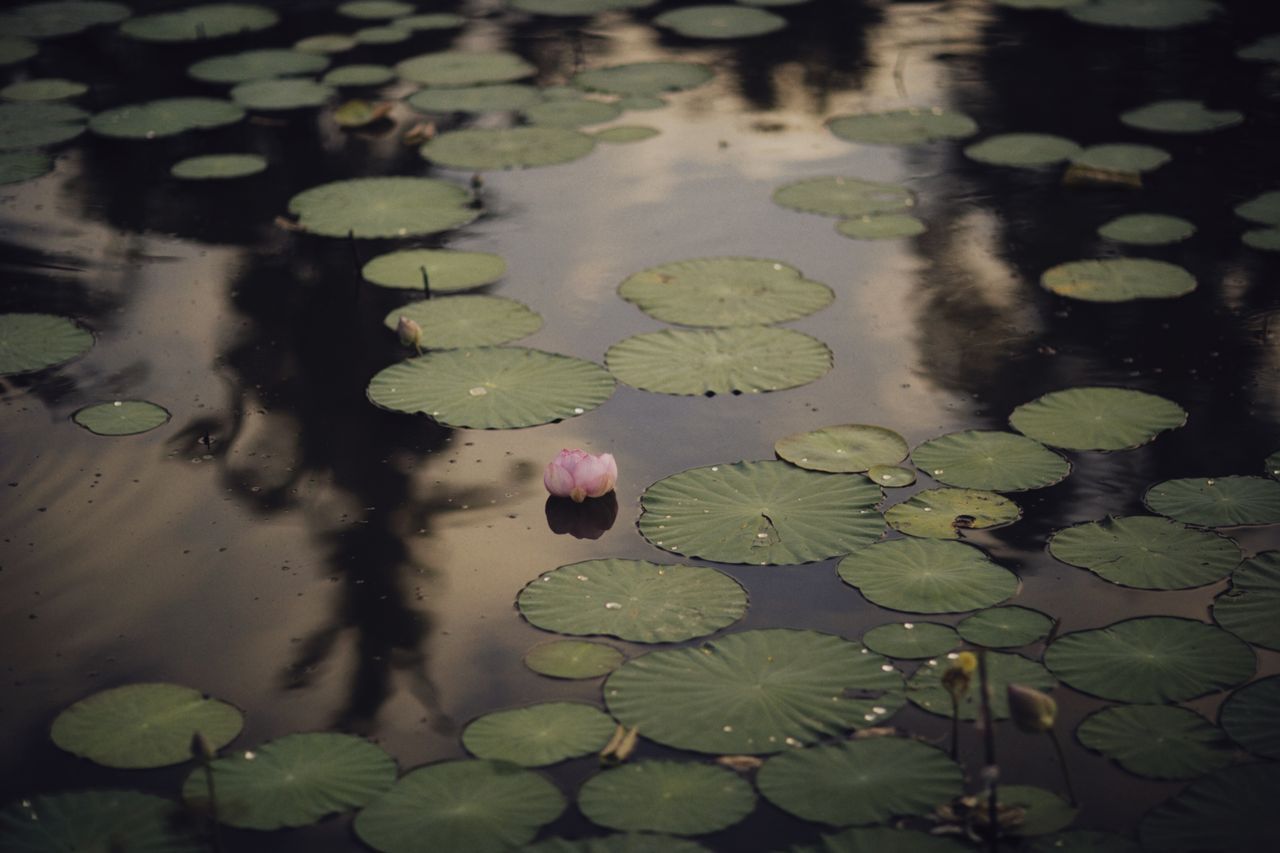
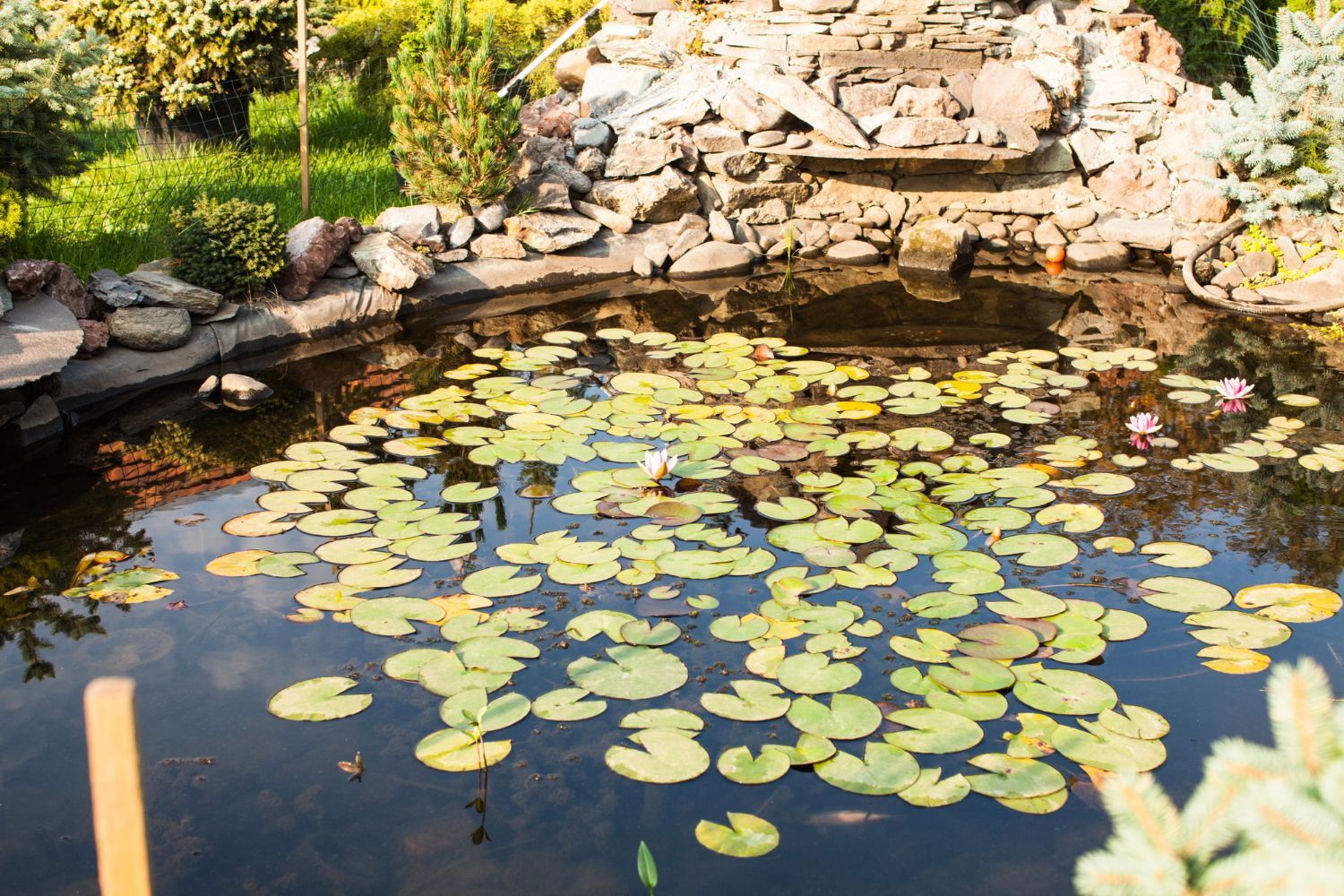
Floating and marginal plants give dappled shade and visual cover so koi do not feel exposed. Water lilies, for example, spread wide pads that break up the open mirror of the pond. From above, a heron or hawk does not see an easy target. From below, your koi see soft, shifting shapes instead of harsh glare.
Structure also matters. Tall marginals along the edges and underwater plants create:
- “Walls” and corners koi can circle behind
- Narrow lanes where shy fish can rest
- Quick escape routes if they get startled
The sensory side is just as important. Rustling leaves, soft reflections, and filtered light all help your fish settle. When water is too bright and open, koi often stay on the bottom or dart away when you walk by. When the pond has layered plants and stone, they swim in the open more calmly.
In Connecticut, koi also need different kinds of comfort at different times of year. Summer planting should be thicker for shade and cover. As fall comes, that same growth needs thinning and cleanup, so dying leaves do not pile up and stress the pond just as water temperatures drop.
The Five Elements of a Healthy Koi Ecosystem
A calm koi is usually a sign of a balanced ecosystem. In our work, we look at five main parts that all support each other: filtration, rocks, and gravel, plants, fish, and beneficial bacteria.
Filtration is the life support of the pond. Mechanical filters pull out leaves and debris. Biological filters give helpful bacteria a place to live so they can convert fish waste into safer forms. Plants then act like a second natural filter, soaking up nutrients before algae can take over.
Rocks and gravel are not just for looks. A natural stone bottom creates thousands of tiny “microhabitats” where bacteria can live and quietly process waste, much like a natural streambed. When plants are tucked between stones, it feels like they seeded themselves over many seasons. That is a big part of the Always Belonged aesthetic.
Plants, fish, and bacteria work as a team:
- Fish produce waste
- Bacteria convert that waste
- Plants absorb the resulting nutrients
- Clean, oxygen-rich water flows back to the koi
When this loop runs smoothly, you do not need to fight the pond. Algae is less of a battle, water stays clearer, and the whole space feels softer.
Then there is the emotional layer. A low murmur from a waterfall adds oxygen for the koi and a steady, calming sound for you. Koi weaving through stands of plants create small ripples and reflections. Quiet pockets of still water at dawn or on a chilly autumn afternoon let the sky and surrounding trees show on the surface. Healthy water and emotional calm are tied together.
Choosing Pond Plants That Protect and Calm Your Koi
When we pick pond plants, we are thinking about koi safety, ecosystem health, and year-round beauty all at once.
Floating and surface plants like water lilies and lotus give instant comfort. Their broad leaves:
- Shade the water and keep it cooler in summer
- Break up sight lines from above
- Reduce light that would otherwise feed algae
Koi often rest under these pads, moving in and out with slow, confident motions.
Marginal plants along the pond edge frame your backyard sanctuary. Good options for our area include:
- Iris for sharp vertical lines and spring blooms
- Pickerel rush for soft spikes of flowers and leafy cover
- Marsh marigold to brighten the shoreline in cooler weather
Grouped in pockets, these plants soften hard edges and create quiet green walls for koi to slip behind.
Submerged and oxygenating plants, such as hornwort or anacharis where appropriate, live below the surface. They:
- Provide hiding spots for smaller or younger fish
- Use dissolved nutrients that would otherwise feed algae
- Support water clarity as part of your biological filtration
Balance matters. Plants should suit Connecticut’s climate, your pond depth, and sun exposure. We want them full enough to feel natural, but not so dense that koi paths close up or oxygen drops at night.
Designing a Pond That Looks Like It Always Belonged
The right plants are only part of the story. How they interact with stone and shoreline makes the pond feel truly natural.
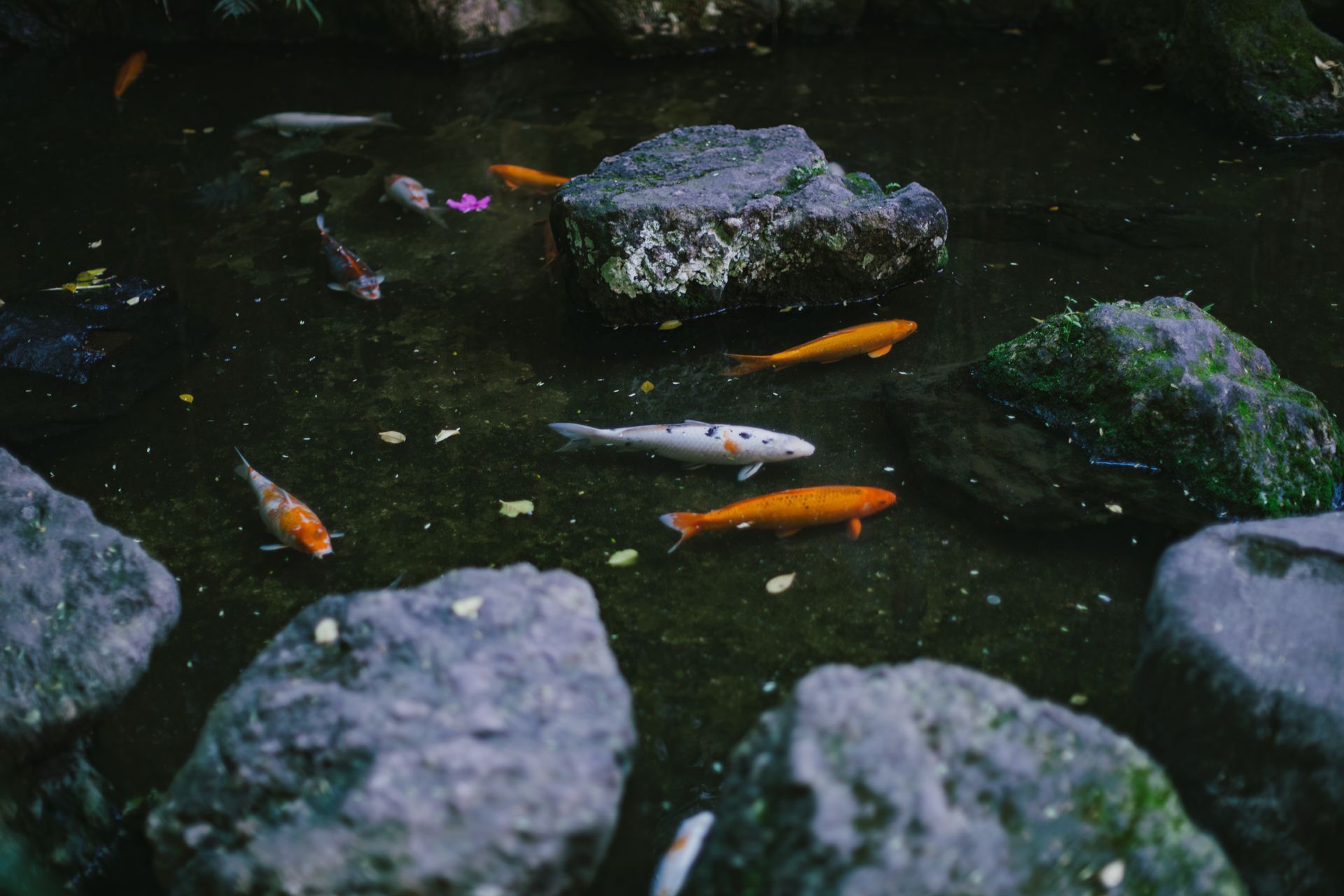
We like to layer plants around strong stone placement. Large anchor boulders create the basic shape of the pond. Smaller rocks and gravel then step down into the water. Around and between those stones, we tuck plants in staggered clusters, not in straight lines. This gives the feeling that water slowly carved its way through your yard and plants colonized over time.
Natural transitions from lawn to water keep the pond from feeling isolated. Low groundcovers, native grasses, and shoreline marginals can:
- Blur the edge between turf and pond
- Soften the frame of the liner and stonework
- Pull your eye gently from yard into water
Seasonal structure matters in our climate. A mix of hardy pond plants, perennials, evergreens, and sculptural stones means your pond still feels intentional in November, even as many plants die back and koi slow down. The bones of the design remain.
We also think in terms of reflections and sightlines. Taller plants on the far side of the pond, paired with open water in front, create deep reflections that suggest more space and age. Thoughtful sightlines give koi calm “lanes” where they can cruise without feeling watched from every angle.
Keeping Your Koi Investment Healthy All Year Long
Your koi are a living investment, in both time and care. The right pond plants help protect that investment all year.
Plant density should match your fish load. More koi means more nutrients in the water, so you often need more plant mass to keep things stable. But too many plants can cause issues, like low oxygen at night or tight spaces that stress larger fish.
A gentle seasonal rhythm works well for most Connecticut ponds:
- Spring: Clean up winter debris, divide and reset plants
- Summer: Trim to keep swim paths open and water moving
- Fall: Thin and remove extra growth before it drops into the pond
Pay attention to what your koi and water are telling you. Cloudy water, jumpy fish, or koi gasping at the surface can signal that the plant balance, filtration, or oxygen levels need attention. Calm, steady swimming and clear water usually mean the system is working.
At PD Waterscapes, we believe in working with nature, not against it. When filtration, rocks, plants, fish, and bacteria are chosen and arranged as if designed by nature, your koi feel safer, your water stays clearer, and your backyard becomes a true sanctuary you can enjoy in every season. On a chilly November morning, when you step outside and see koi gliding beneath the last lily leaves, framed by stone and soft plantings, you can feel that the pond has always belonged there.
Get Started With Your Project Today
If you are ready to transform your backyard into a vibrant aquatic retreat, we can help you choose and install the ideal
pond plants for a healthy, thriving ecosystem. At PD Waterscapes, we design each pond to fit your space, your style, and the level of maintenance you want. Tell us about your vision and we will guide you through options that support clear water, happy fish, and year-round beauty. To schedule a consultation or ask questions, simply
contact us today.