Keep Your Koi Safe Without Losing the Natural Magic
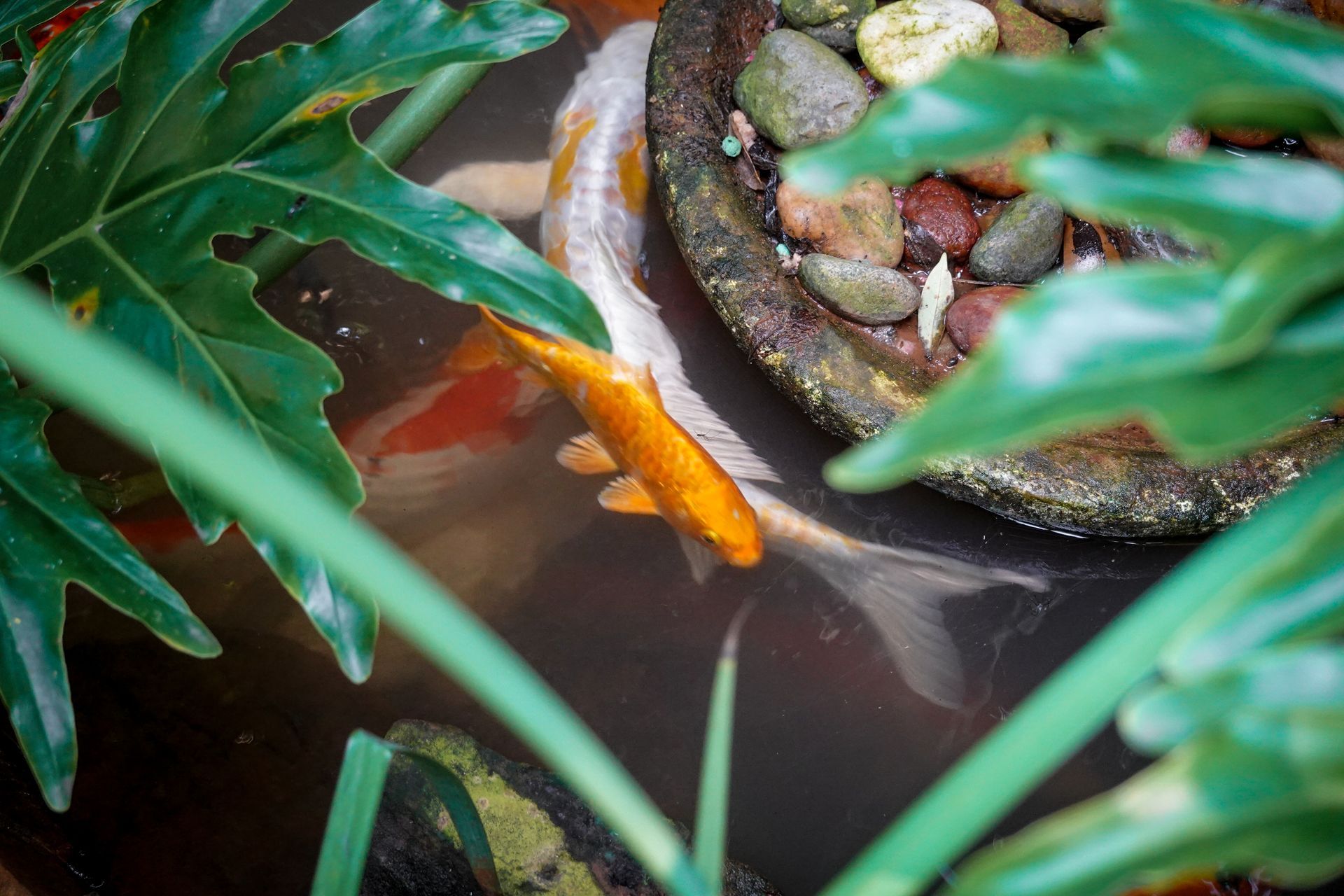
Predators love koi ponds as much as we do, just for very different reasons. A pond full of bright, slow-moving fish can look like an easy buffet, especially when things are quiet at night or early in the morning.
Many homeowners in West Hartford and nearby towns wake up one day and notice that a favorite koi is missing. There are no splashes, no feathers left behind, just empty water where a fish used to be. When we redesign those ponds, the goal is always the same: real protection for the koi, without turning the backyard into a fortress of fences and plastic.
We build ponds to feel like they were shaped by nature. So we lean on natural tools: smart depth, rock caves, subtle netting, soft lighting, and thoughtful layout. All these pieces work together to create a thriving ecosystem where koi are safer and you still enjoy clear views, reflections, and the peaceful sound of moving water. Predator pressure often picks up in early fall, when herons and other wildlife are stocking up for migration or winter, which makes this a smart time to look carefully at how safe your pond really is.
Understanding Your Pond’s Predators and Their Patterns
In Connecticut, koi ponds tend to attract a familiar group of hunters. Knowing how each one behaves helps us design ponds that are harder to work, so predators move on to easier food.
Common visitors include:
- Great blue herons that wade in from the edge
- Raccoons that feel around in shallow water
- Mink and otters that slip in and swim after fish
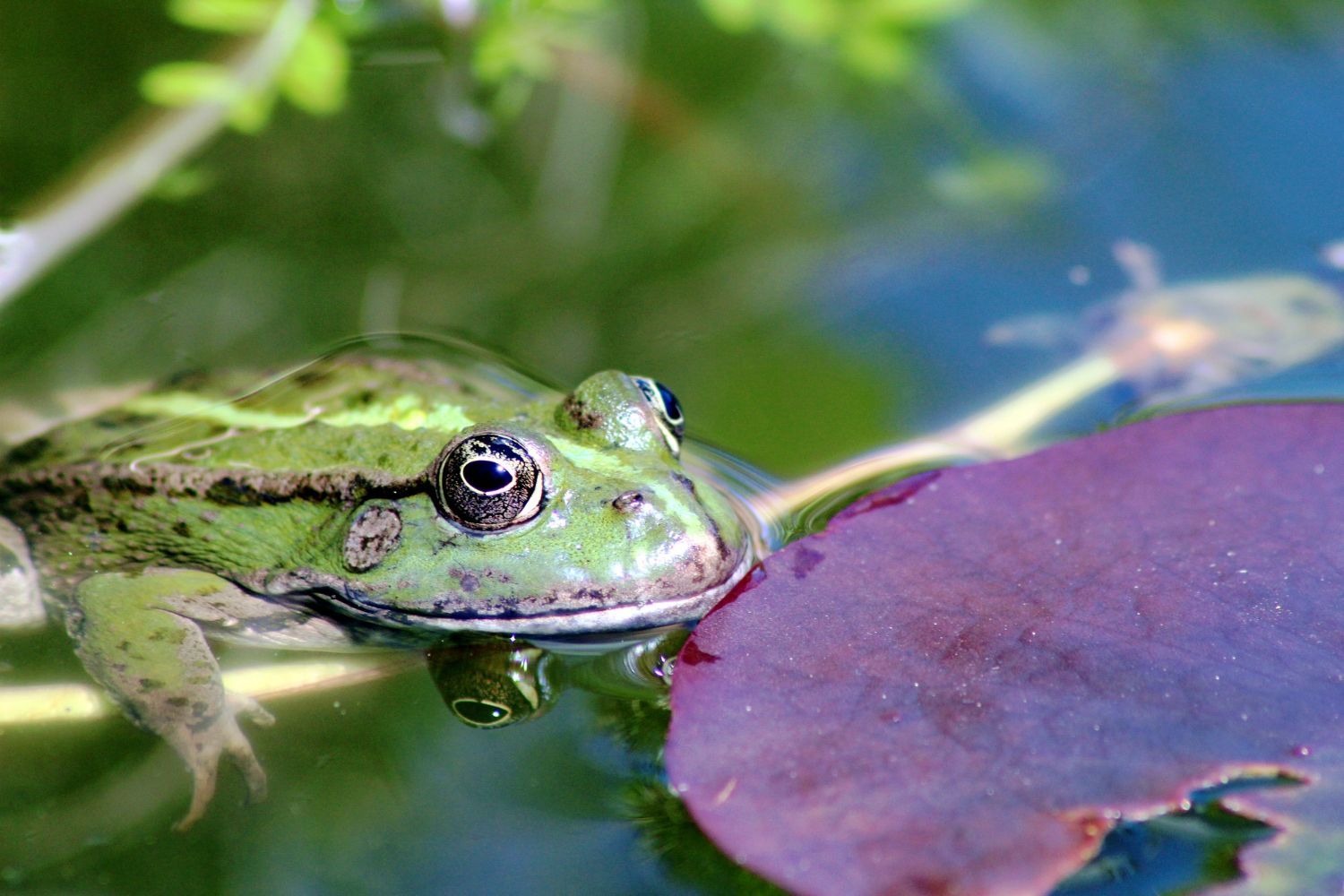
- Snakes and neighborhood cats that hunt from the shoreline
Many of these animals are most active at dawn, dusk, or after a quiet, rainy day when the yard is still. That is why shelf depths and ledges matter. Long stretches of shallow water give predators comfortable footing. Broken lines and quick drops in depth make it harder for them to stand, stalk, or reach your koi.
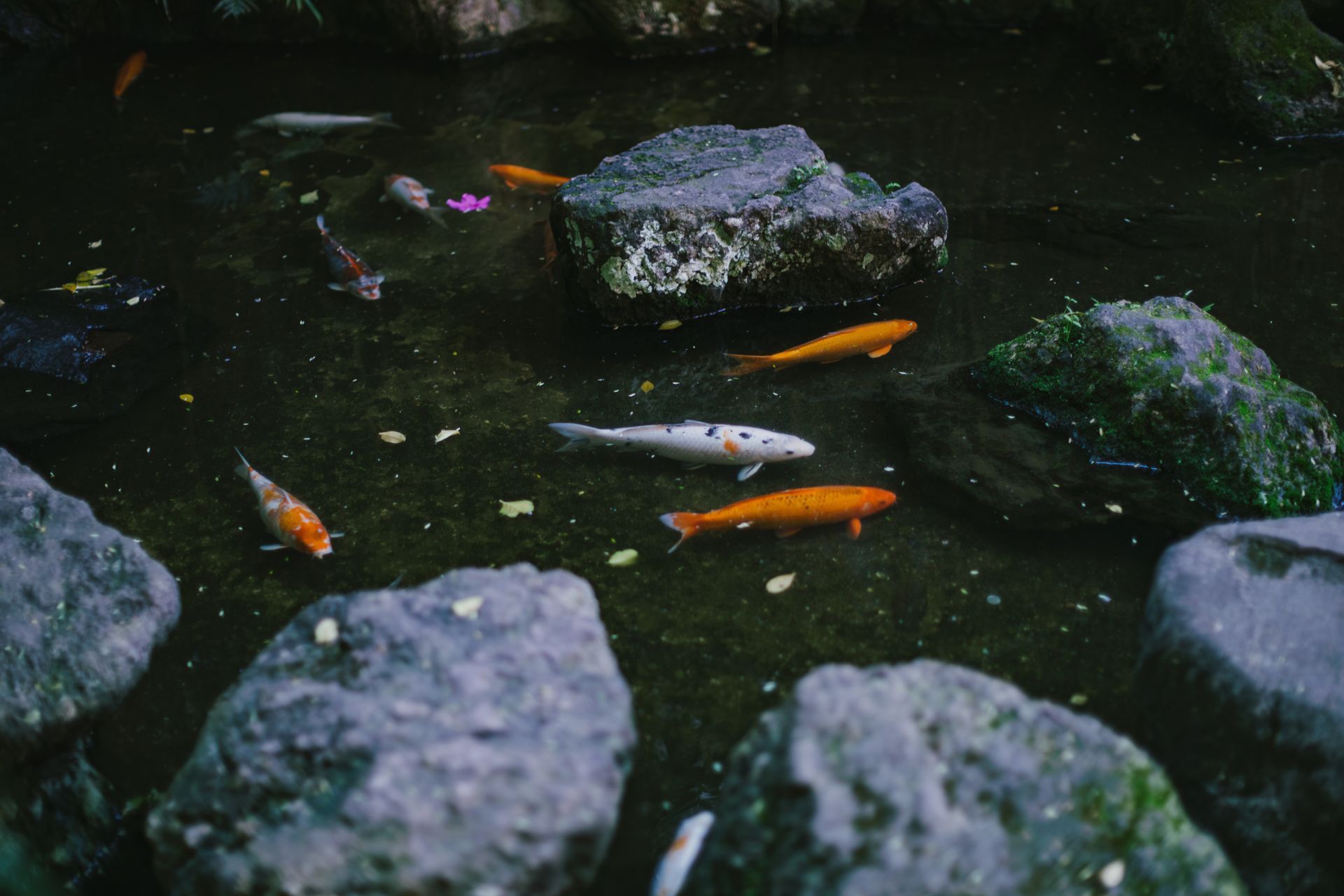
Predators also react to what they see and hear. A wide, open bowl of still water with koi gliding near the top is very inviting. A pond that looks more like a natural stream or woodland pool, with moving water, uneven edges, plants, shadows, and rocks, can confuse them. They have a harder time spotting clear targets or finding a good place to land and hunt.
When koi are not chased or constantly on edge, they do better. Less stress usually means:
- Stronger immune systems
- Brighter, richer color
- More relaxed, natural swimming near the surface
That is when the pond feels like a true backyard sanctuary instead of a hiding place.
Designing Depth, Shelves, and Caves That Truly Protect Koi
Depth is one of the best tools we have for predator protection in our climate. For koi ponds in Connecticut, we like to include areas at least 3 feet deep, with some zones closer to 4 feet. This gives fish a safe layer below the reach of wading birds and also offers more stable temperatures below the ice in winter.
The top 12 to 18 inches around the edge are where many ponds go wrong. Instead of a flat “plate” of shallow water, we break the edge into varied planting shelves and rock ledges. Short sections of shallow shelf can hold marginal plants, but then we drop quickly into deeper water. This avoids long, shallow “runways” where a heron or raccoon can walk right along the buffet line.
Rock caves and overhangs are another key piece. We like to use:
- Large, stable boulders that create natural overhangs
- Tunnel-style hideaways that koi can swim through quickly
- Cave entrances aimed away from easy predator access
These structures blend into the gravel and shoreline stones so they feel like part of a naturally worn stream bed. They are not plastic boxes dropped into the pond. They look like they have always belonged there.
Depth and caves also support the five elements of a healthy koi pond: filtration, rocks and gravel, plants, fish, and bacteria. Deeper zones and well-placed rocks help water circulate. Gravel and stone surfaces give beneficial bacteria plenty of room to grow for biological filtration, which keeps water clear and healthy while still giving koi real refuge zones.
Gentle Barriers, Subtle Lighting, and Natural Layout
Sometimes we add gentle barriers that are almost invisible from a few steps back. Modern pond netting can be a fine, low-visibility black mesh that sits just above the water on a tension system or removable frame. When done well, it still allows reflections of sky and trees and does not scream “cage.”
In fall, that same netting does double duty. As leaves drop, a net keeps them out of the water so they do not pile up, clog filtration, and steal oxygen as they break down just when pond temperatures are bouncing up and down.
Soft lighting can also shift the odds in favor of your koi. We often recommend:
- Warm LED lights under waterfalls or in shallow pockets
- Low, subtle perimeter lights that glow on rocks and plants
- A few underwater lights that wash across open water, not into neighbors’ yards
These create a calm, inviting evening scene for people, but they can make predators less comfortable because their usual shadows and hiding spots disappear.
Layout is just as important. We try to avoid long, straight sightlines across the pond. Instead, we use gentle curves, pockets, and small inlets. Seating areas and garden paths close to the pond bring natural human presence, which alone keeps many predators cautious. Bridges or stepping stones can break up open spans of water and add visual interest at the same time.
Plantings help hide koi from sharp eyes in the sky without giving predators a ladder into the water. A mix of:
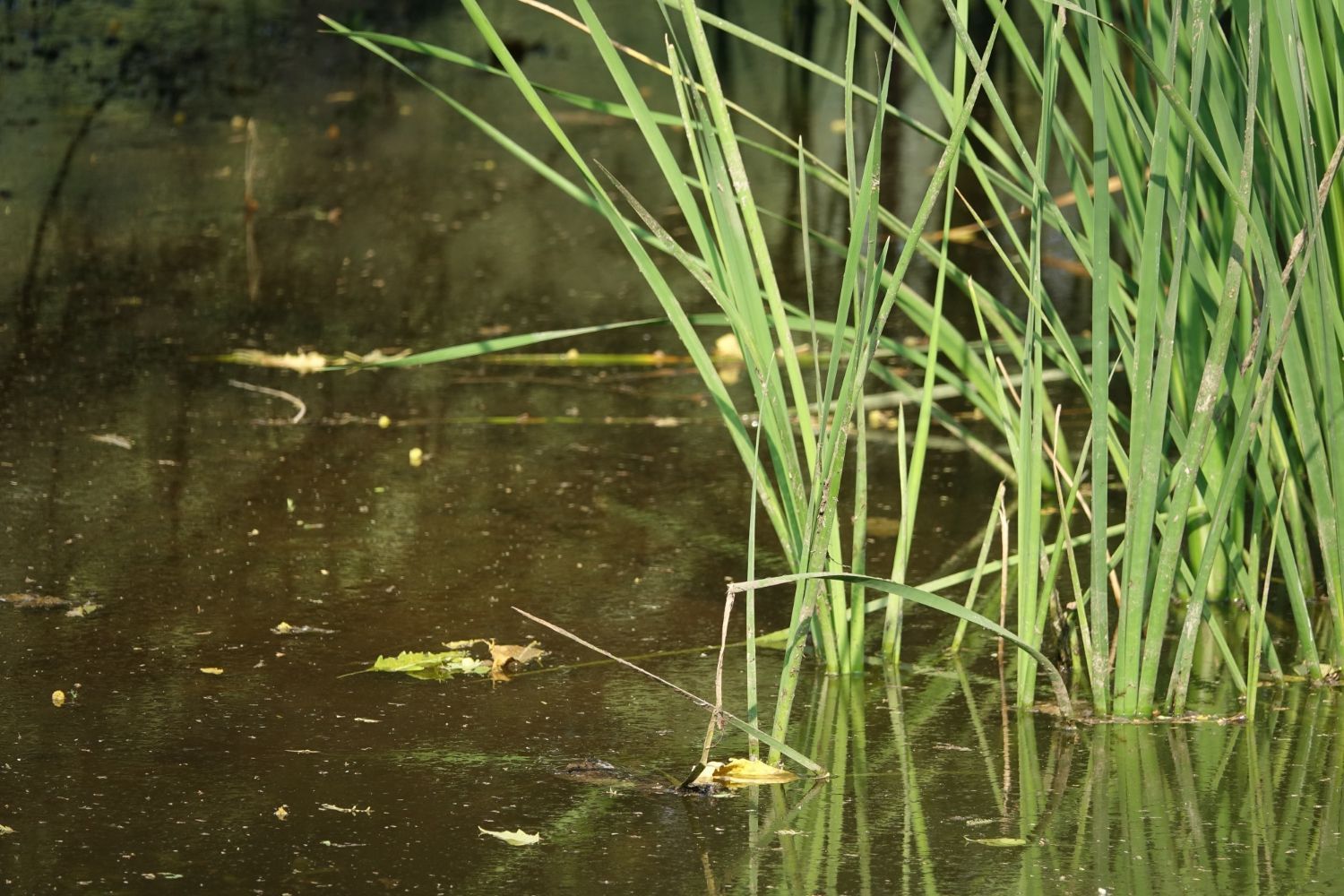
- Vertical grasses near, but not overhanging, the edge
- Low, spreading groundcovers along the shore
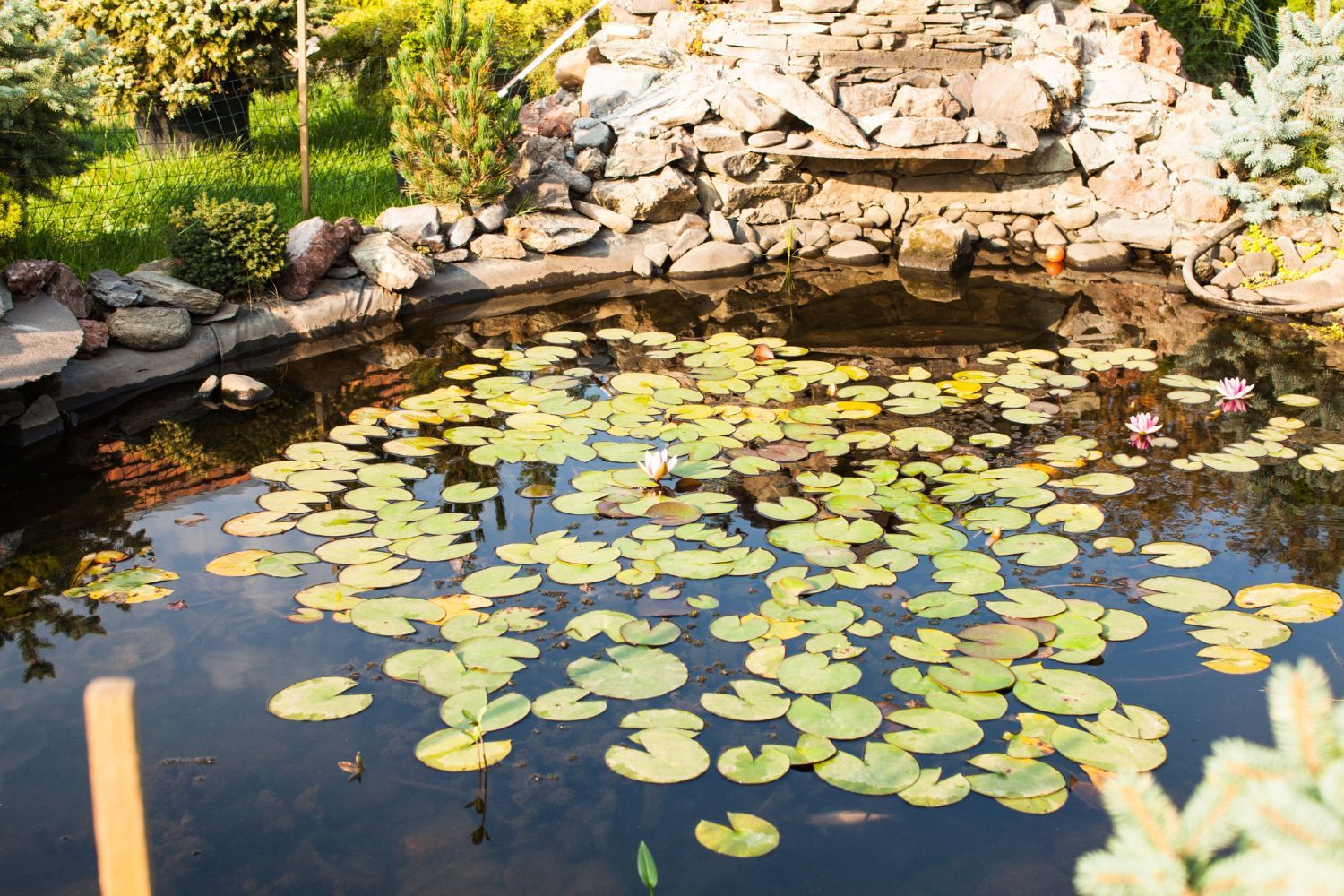
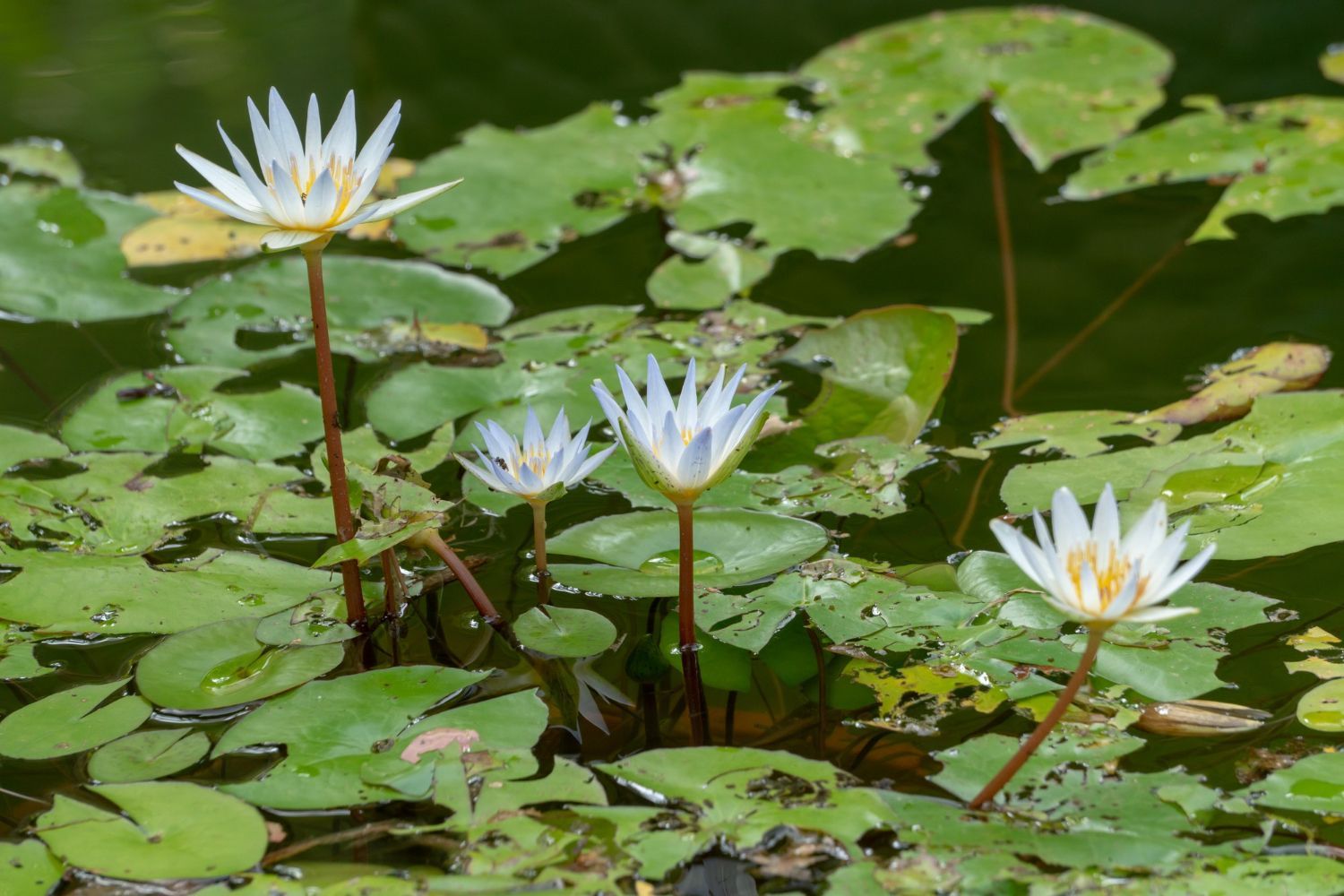
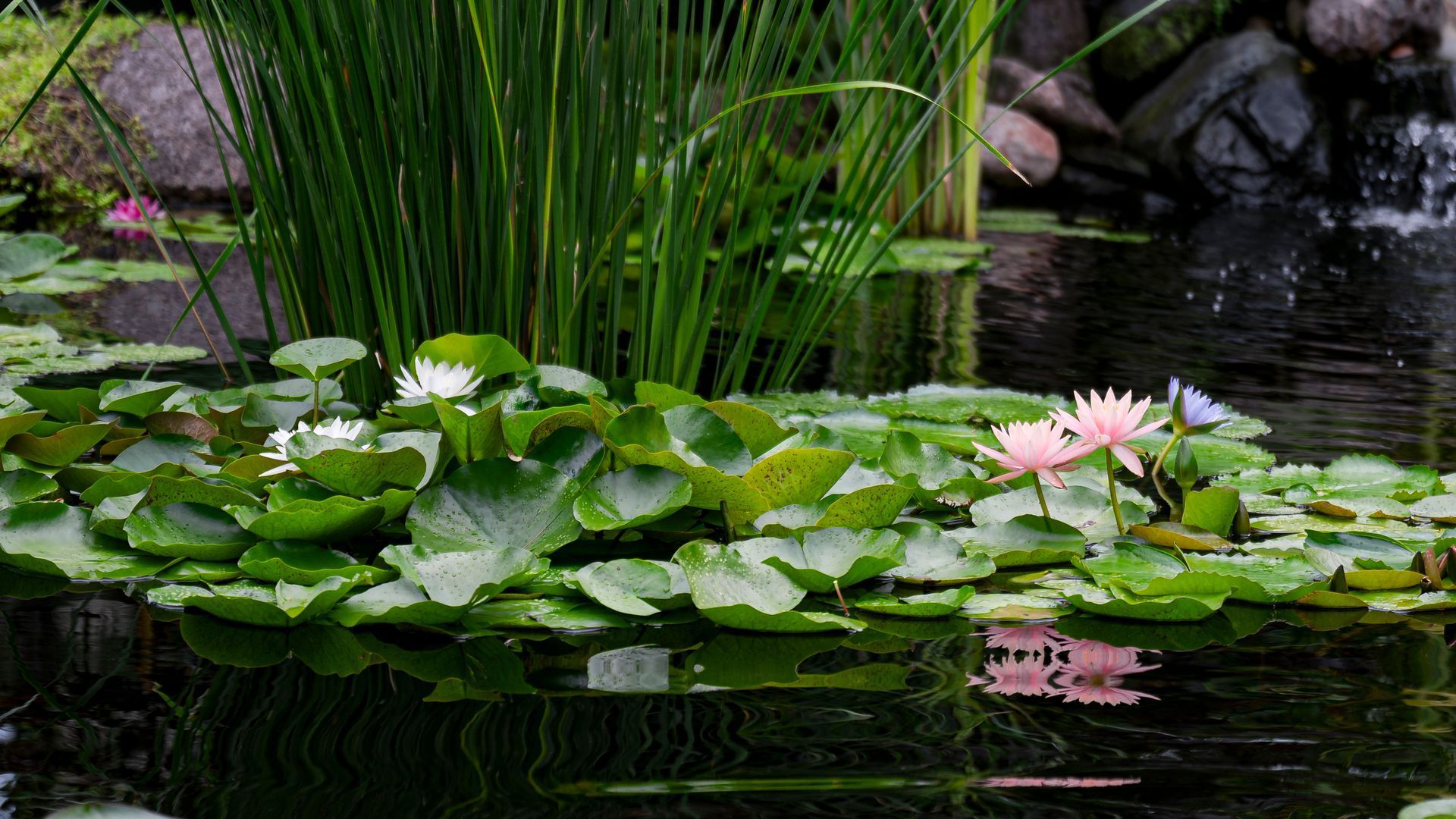
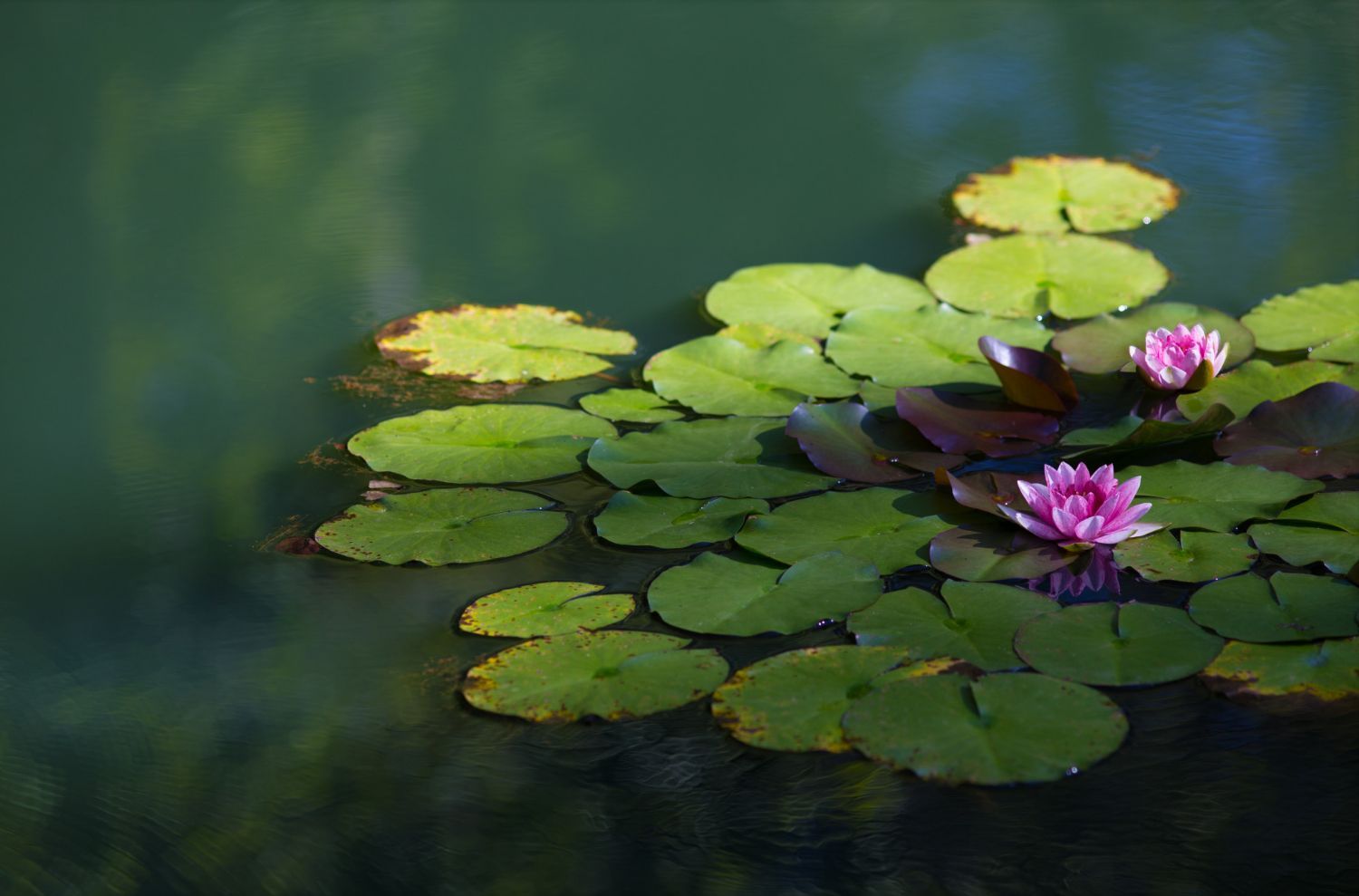
- Lilies or other floating plants in selected zones
creates shade and visual cover. Roots, stems, and shadows form natural “rooms” where fish feel safe enough to feed and explore near the surface.
Sound ties it all together. Waterfalls, cascades, and bubbling rocks increase oxygen and power biological filtration. At the same time, the constant sound of moving water covers the quiet splashes and fin flicks that predators listen for. To people, it simply feels like a peaceful, always-there stream running through the yard.
Year-Round Koi Care and Seasonal Predator Checkups
Good predator protection is not a one-time project; it is part of regular pond care. A simple year-round rhythm helps:
- Fall: Add netting, manage leaves, watch for herons as they move through
- Winter: Make sure the pond has enough depth and at least one area where gases can escape from beneath the ice
- Spring: Clean up plants, check rock caves and edges, restart filtration, and look for any signs of digging or tracks
- Summer: Watch water temperature, add shade or aeration, and keep an eye on quiet corners where predators might approach
Koi care habits also connect to safety. Healthy koi are quick and alert. Good water quality, proper filtration, and correct feeding all make a difference. Feeding in short sessions, at varying times, keeps koi from being trained to rush to the surface at the exact times predators like to hunt. Avoiding overcrowding gives fish enough space to dart and hide when they feel threatened.
Signs of predator trouble can be subtle: torn fins, a sudden drop in fish count, muddy or trampled pond edges, or small stones out of place. A professional pond assessment can review depth, layout, rock work, and the overall ecosystem, and then recommend adjustments so protection improves without losing that “always belonged” look.
When filtration is working, pumps are moving water, and bacteria colonies in the rocks and gravel are healthy, your pond becomes a resilient system instead of a fragile tank of fish. Predators will always pass through, but in a well-designed koi pond, they are much less likely to succeed, and your koi can live longer, calmer lives.
Turn Your Pond Into a Safe, Timeless Sanctuary
One of the best things you can do is simply walk your pond at dawn and dusk. Listen to the water, look at reflections, and pay attention to where the edges feel exposed or flat. Try to see the space the way a heron or raccoon would, then think about how depth, plants, caves, or lighting might change that view.
At PD Waterscapes, we design, build, and maintain koi ponds that feel like they were shaped by nature, not dropped into a backyard. By weaving depth, caves, plants, lighting, layout, and filtration into one balanced ecosystem, your koi pond can become a place where fish glide through softly lit water, predators keep flying past in search of easier meals, and every ripple sounds like a quiet, timeless stream running right through your home.
Transform Your Backyard Into a Relaxing Koi Retreat
If you are ready to bring the beauty and tranquility of water features to your home, we can design and build custom
koi ponds tailored to your space and lifestyle. At PD Waterscapes, we focus on creating healthy, low-maintenance ecosystems that your fish and plants will thrive in year-round. Tell us about your ideas and goals, and we will guide you through every step from planning to completion. Get started by reaching out through our
contact page so we can discuss your project.