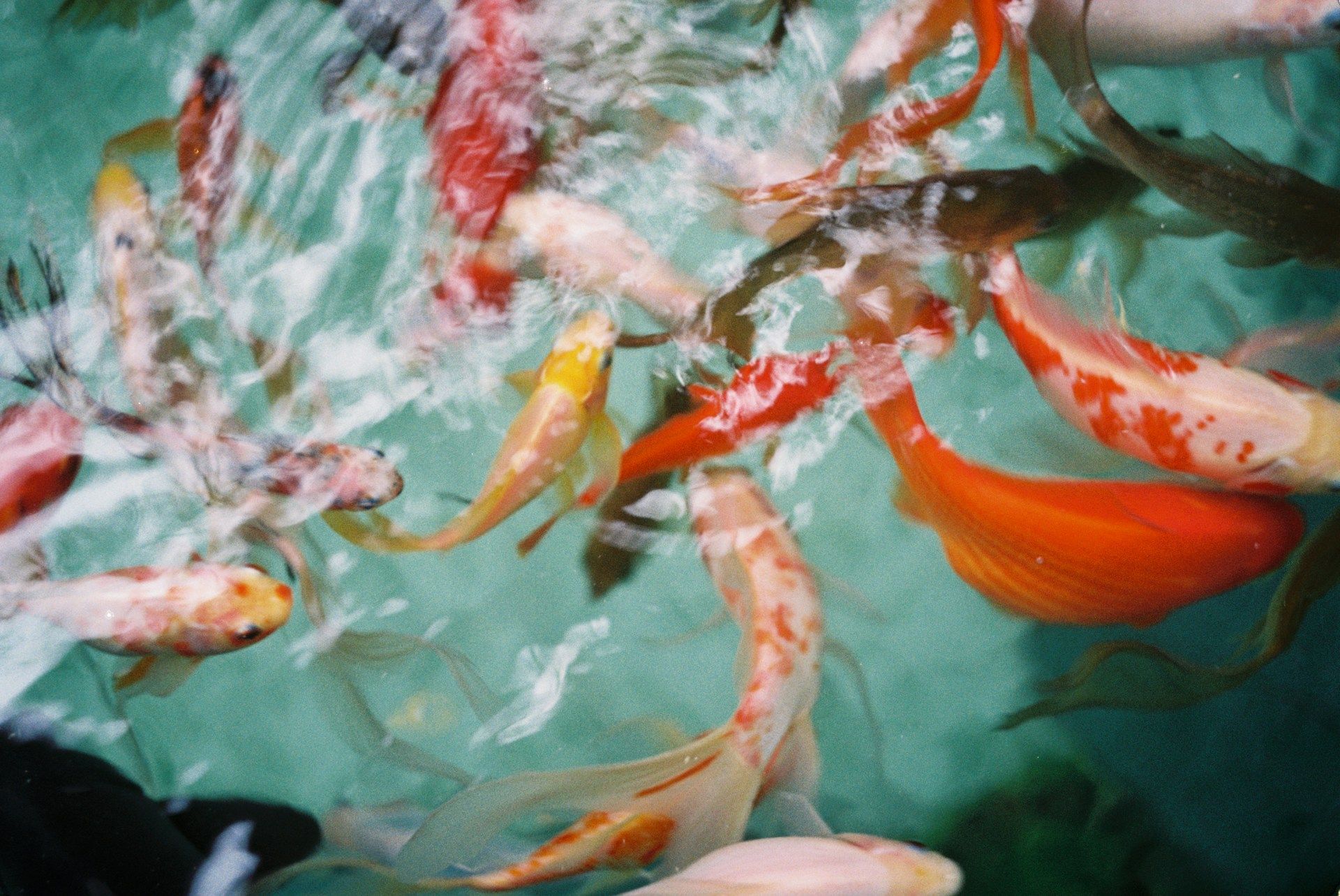
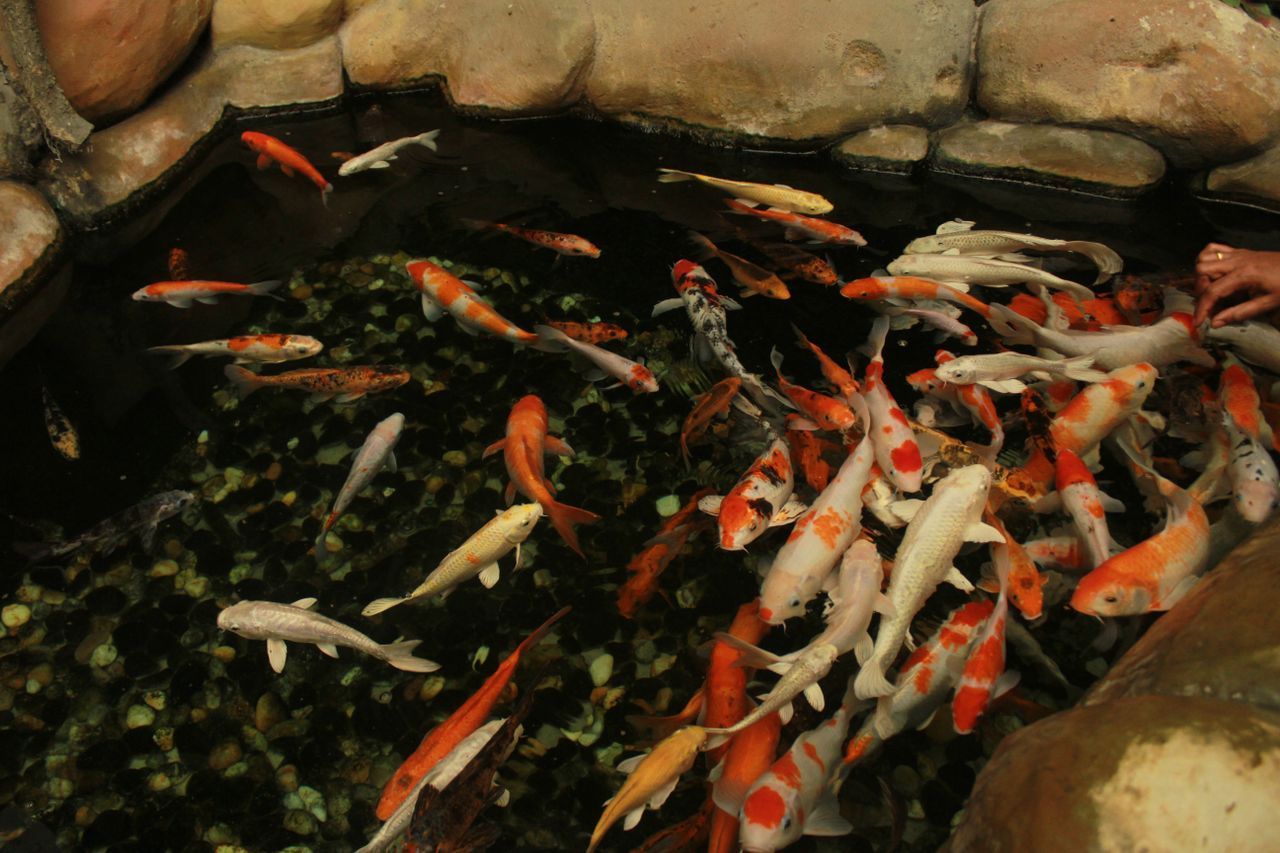
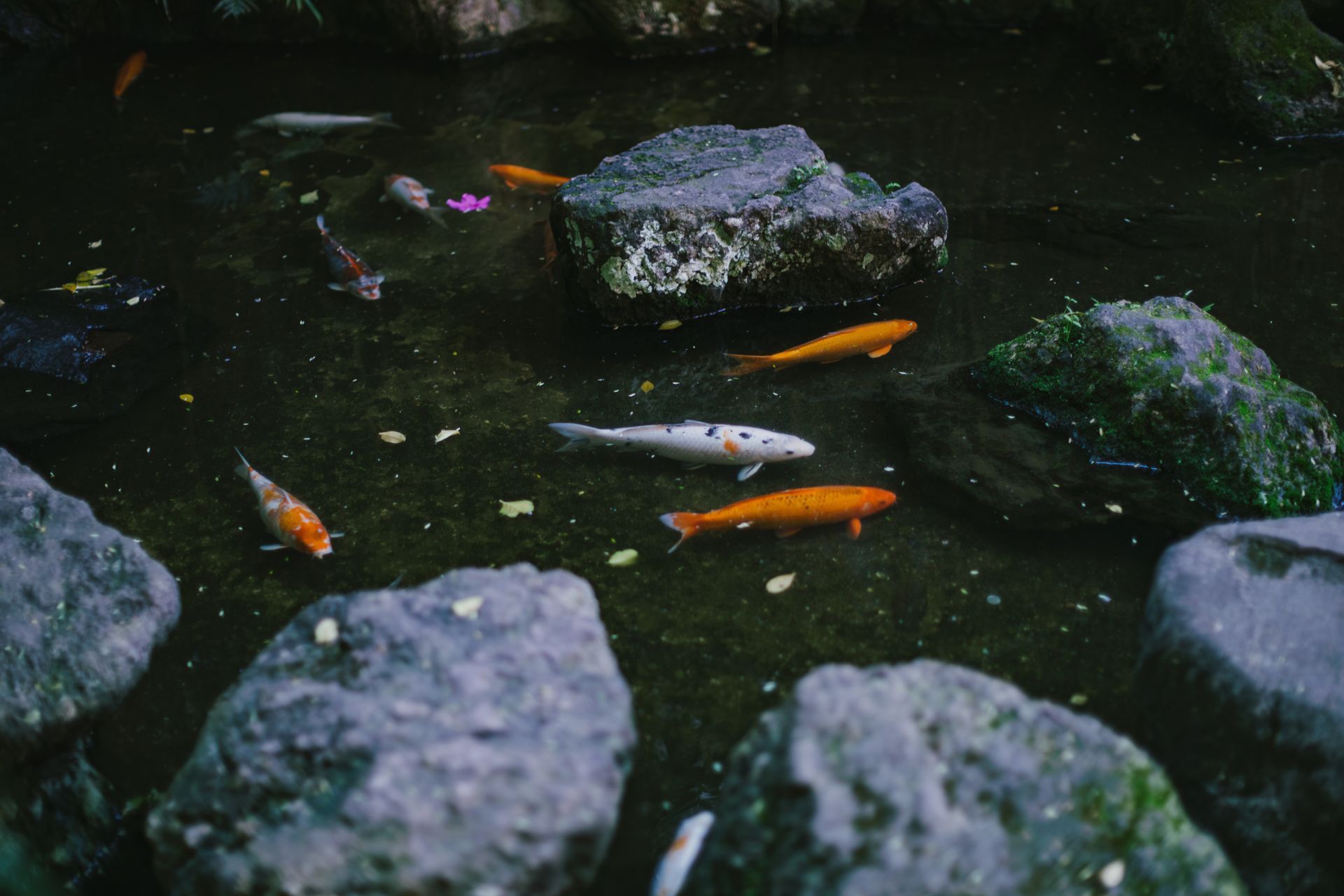
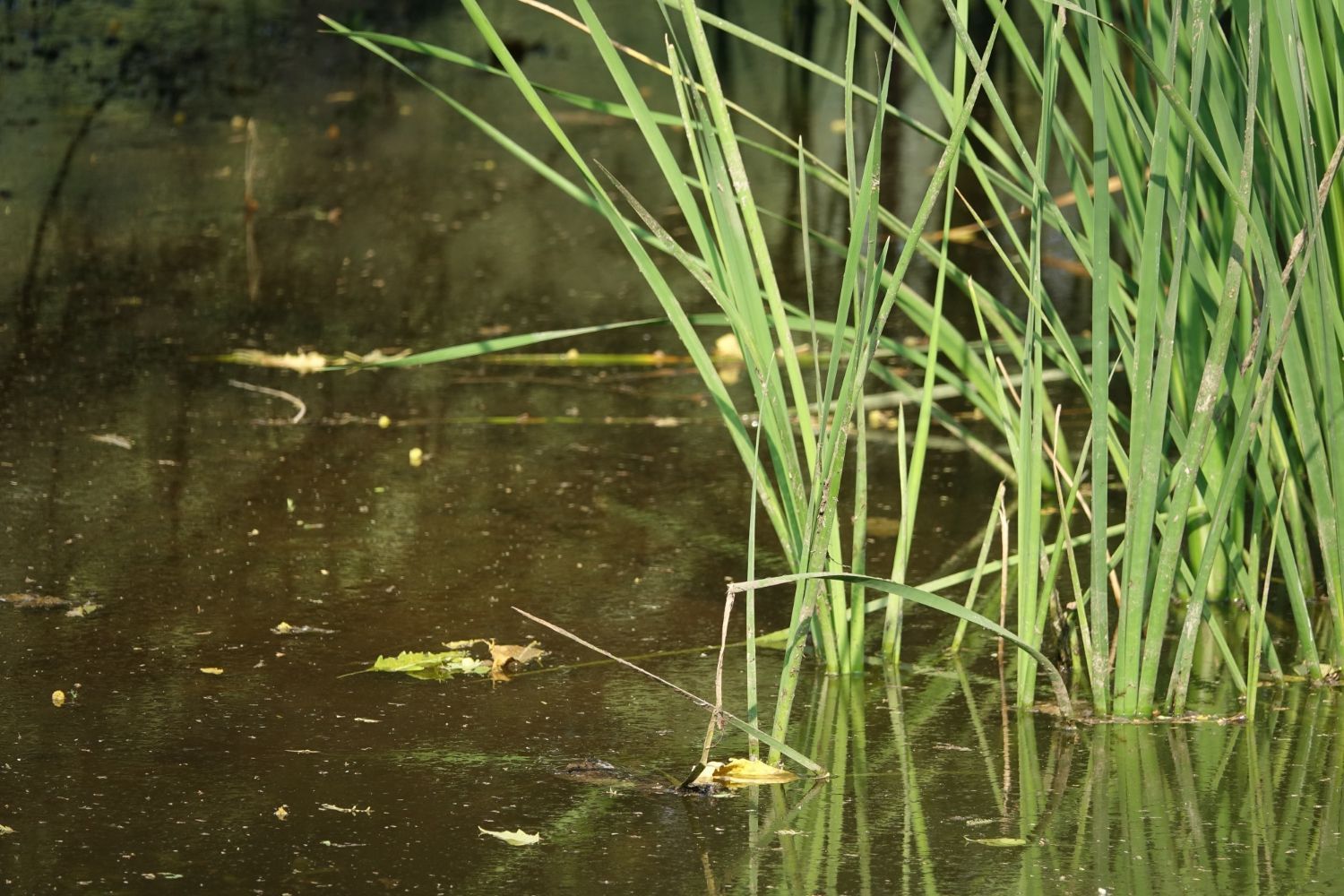
A backyard koi pond feels completely different when it looks and behaves like a natural waterway. The water is clear but not sterile, the koi are active and calm, and the rocks and plants look like they have always been there. It feels less like a project and more like a small piece of wild nature that just happens to be in your yard.
In many ponds like that, the real magic is happening in a spot most people walk right past. What looks like a shallow bog or planting bed is often the quiet “engine” of the whole system: a wetland filter. In this article, we will explain what a wetland filter is, how it keeps water healthy for koi, why it makes ponds look decades old, and how it can become the heart of a backyard sanctuary as seasons roll by.
What a Wetland Filter Really Does for Your Pond
A wetland filter is a shallow basin filled with layers of rock and gravel, planted with water-loving plants. Water from the pond is pushed into the bottom of this basin, then slowly rises up through the gravel and plant roots before spilling back to the pond as a stream or waterfall.
Inside that simple idea, a lot is going on:
- Gravel and rock provide a home for beneficial bacteria
- Bacteria break down fish waste and fallen leaves
- Plant roots “eat” the nutrients left behind
- Slow, even flow lets particles settle and be trapped
Instead of harsh chemicals, the pond relies on biological filtration. Helpful bacteria coat every stone and bit of gravel. As pond water moves through, those tiny workers turn ammonia from fish waste into forms that are much less stressful for koi. Plant roots then pull those leftover nutrients out of the water so they do not feed cloudy water or heavy algae growth.
Compared to many traditional filters, a wetland filter:
- Hides equipment inside rock and planting, not plastic boxes
- Runs quietly, with soft water sounds instead of mechanical noise
- Gives more stable water quality, which koi really appreciate
- Becomes a living part of the ecosystem, not just a bolt-on part
Instead of feeling like a pond plus a filter, your yard feels like one connected water system that was “designed by nature.”
Designed by Nature: Beauty That Looks Decades Old
A well-planned wetland filter does not need to look like a filter at all. It can be shaped as the head of a stream, a marshy shoreline, or a small bog tucked into a corner of the yard. When done right, most guests will think it is the source of a natural spring.
Stone work plays a big role in that “always belonged” look. We like to mix sizes and shapes to mimic how water really moves rock over time:
- Base layers of small gravel where water flows
- Medium river rock to break up the surface and give texture
- Scattered boulders, 1 to 2 feet across, for weight and focus
- Rock bases buried below grade so they look rooted, not dropped
- Overlapping edges where one stone tucks under another
This kind of placement hints at age and slow erosion, even when the pond is fairly new.
Plant choices finish the effect. In the wetland filter, we often mix:
- Native marginal plants that like shallow water
- Grasses and sedges that sway in the breeze
- Flowering perennials that can handle damp soil
- A mix of heights and leaf textures to soften every hard edge
By the second or third growing season, plants usually knit together. The gravel disappears under foliage, roots lock soil in place, and the wetland reads as a mature, natural wet area rather than a “new feature” placed last spring.
The Five Elements of a Thriving Ecosystem Pond
At PD Waterscapes, we look at koi ponds as living systems. A wetland filter is powerful, but it works best as part of five connected elements.
1. Filtration
The wetland filter works with skimmers and pre-filters. Skimmers pull floating leaves and surface debris into a basket. From there, water moves to the wetland, where bacteria and plants clean it before it returns as a waterfall or stream. Instead of constant chemical treatment, the pond relies on biological filtration to stay in balance.
2. Rocks and Gravel
Rocks and gravel are not just decoration. They:
- Protect the liner from sun and sharp objects
- Give bacteria a huge amount of surface area
- Break up water currents so flow feels natural
- Provide hiding spots and exploring areas for koi
With well-thought-out depths and rock sizes, we can keep muck from piling up in dead zones and help the pond clean itself.
3. Plants, Fish, and Bacteria
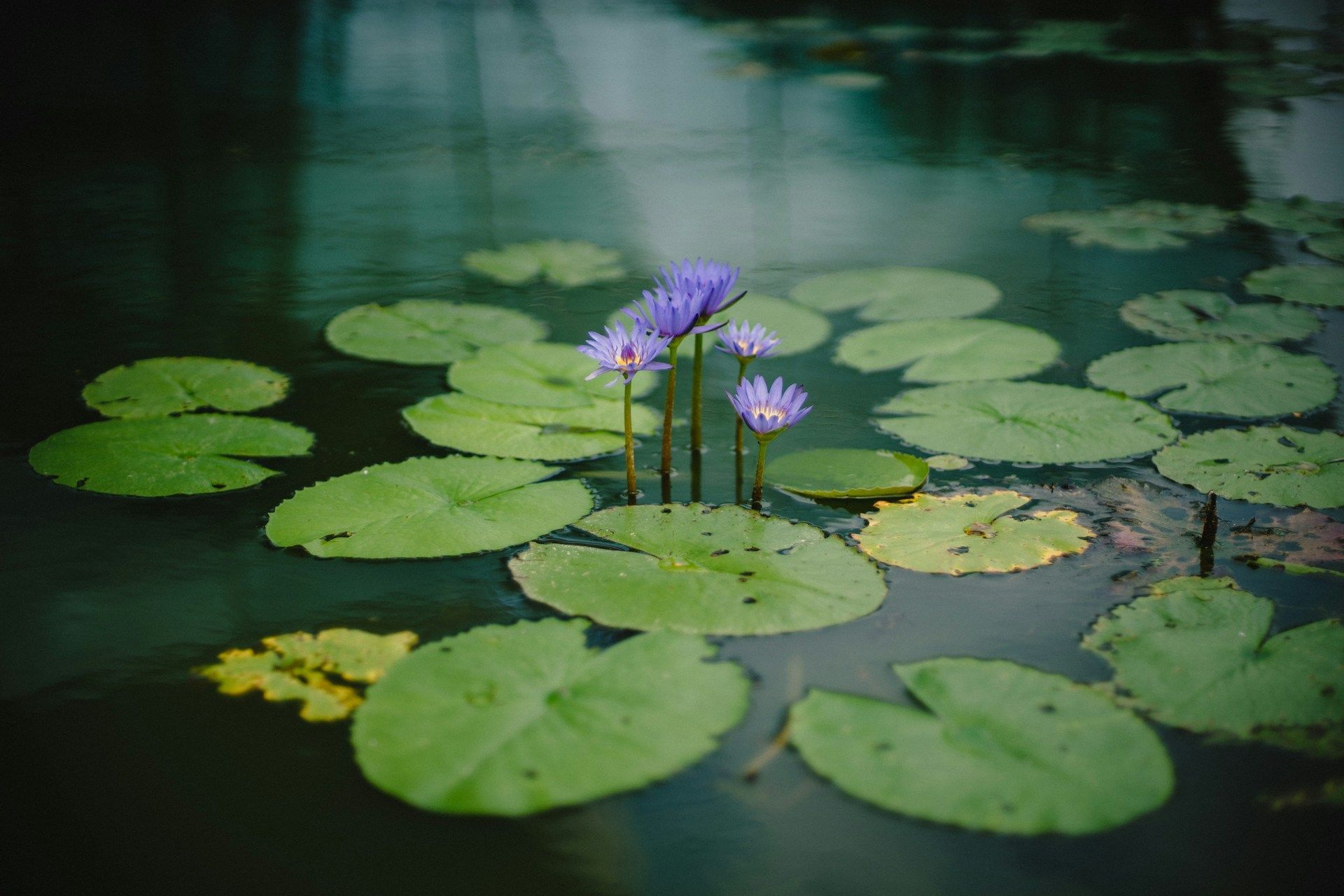
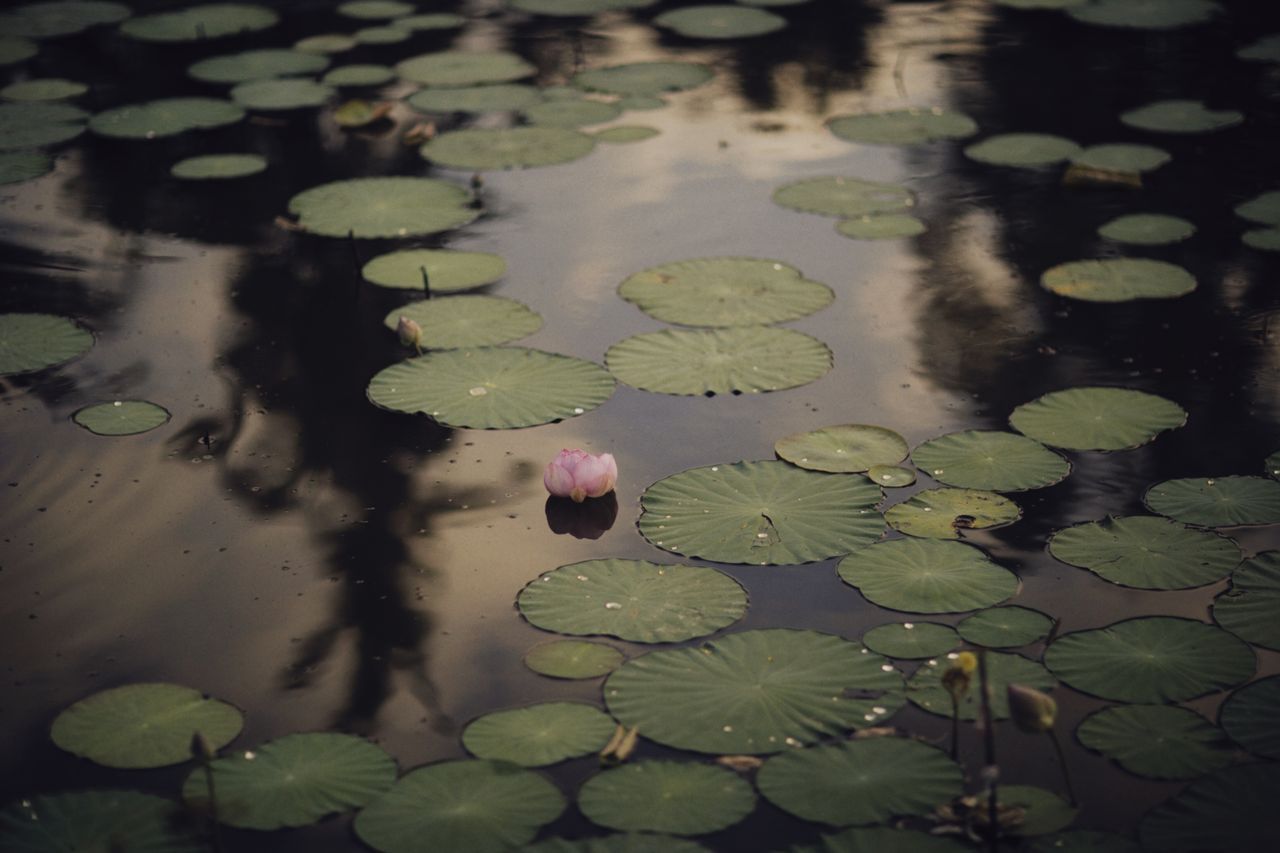
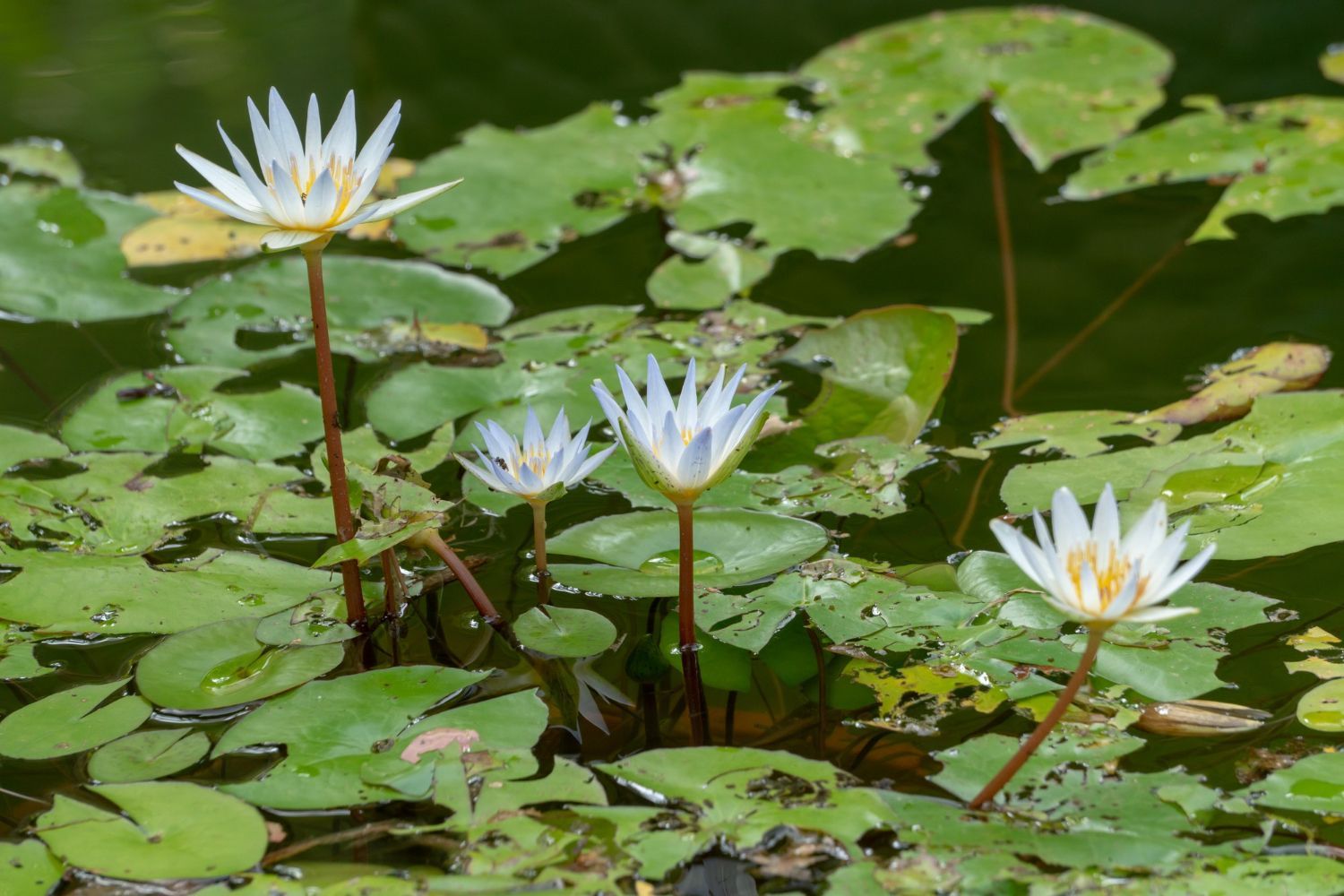
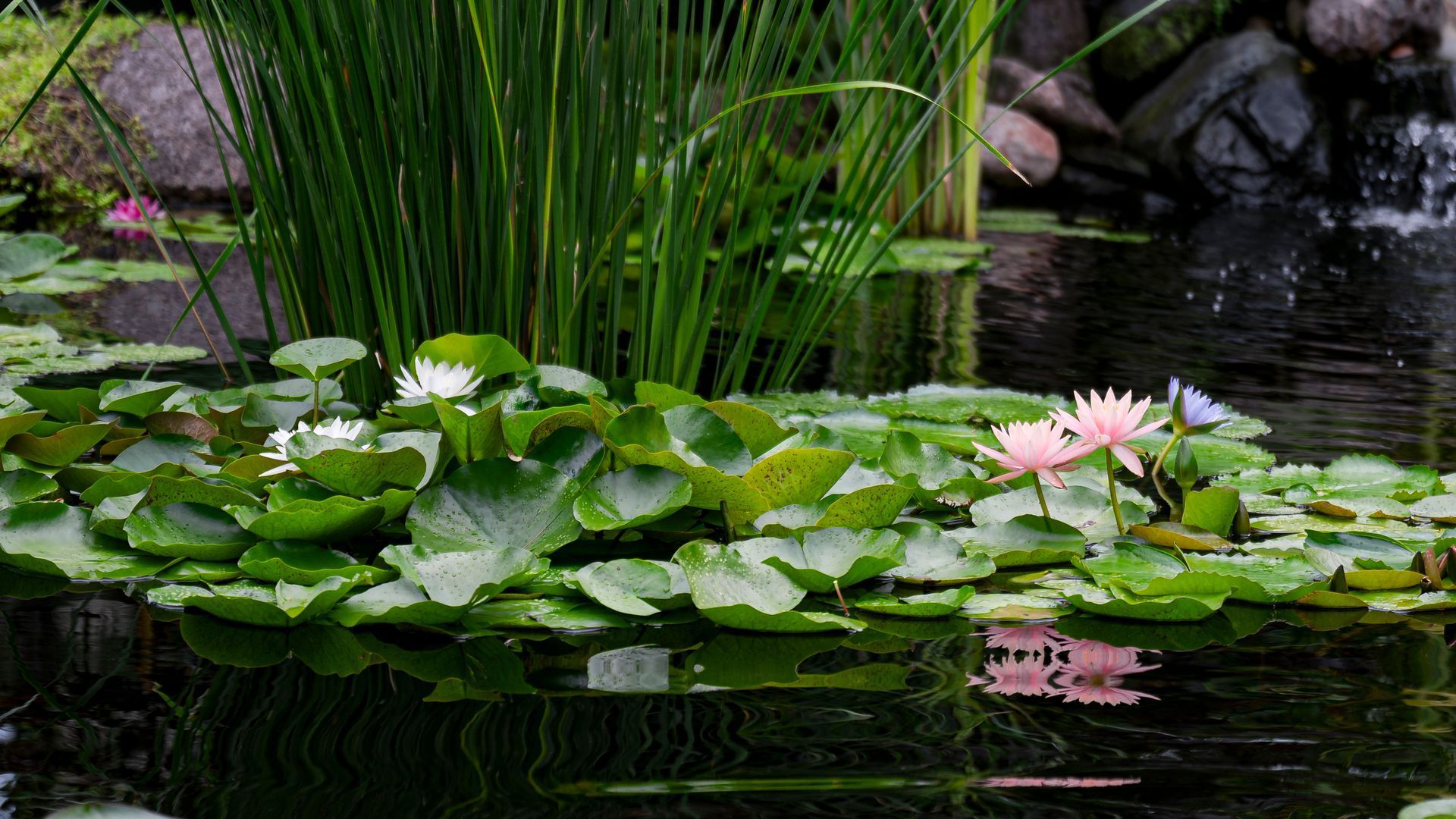
Plants shade the water, absorb extra nutrients, and soften the edge where water meets land. Lilies spread broad leaves over still areas, while rushes and reeds frame the shoreline and wetland.
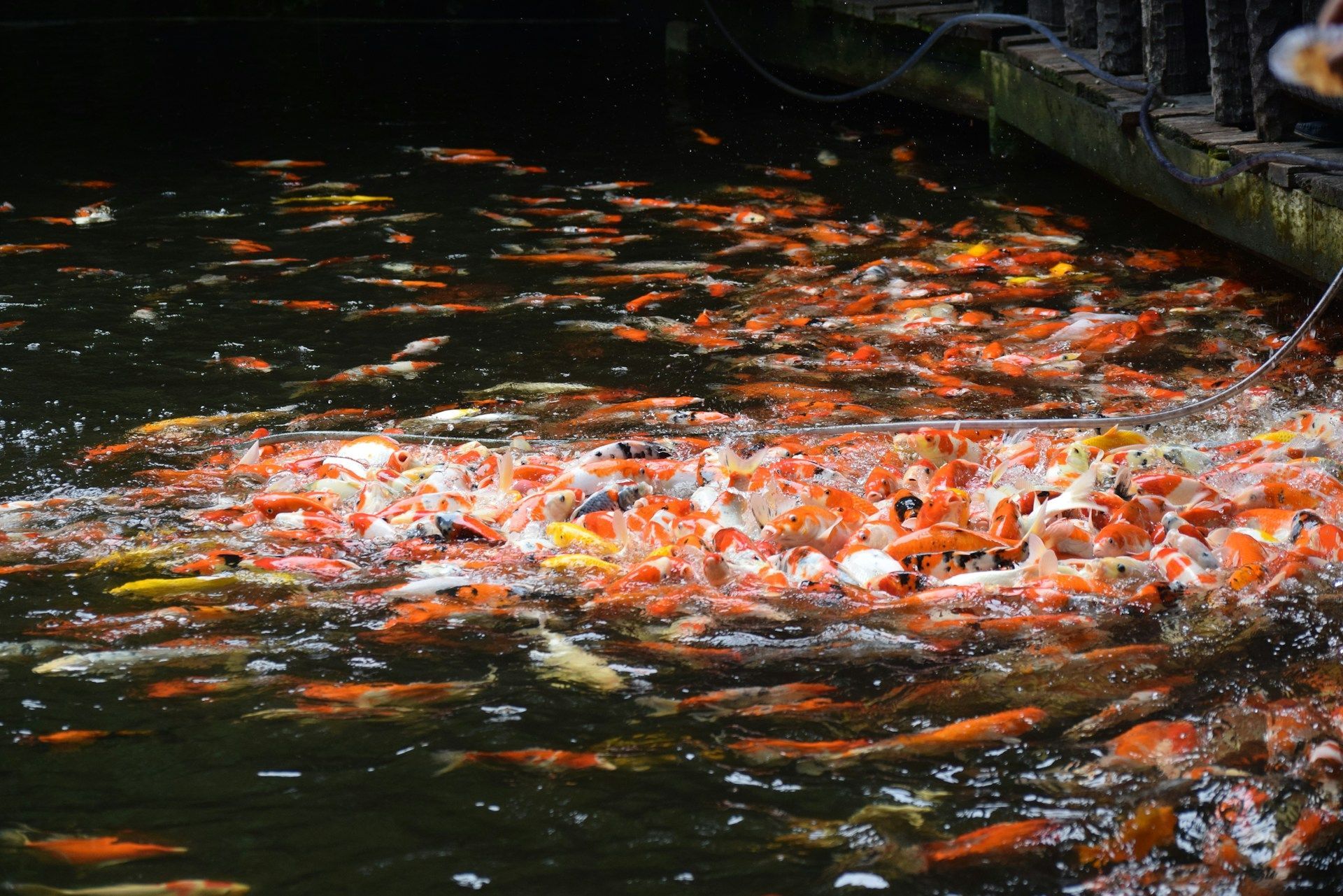
Koi are both pets and part of the system. As they move, they gently stir the bottom and pick at algae on the rocks. Their waste feeds the bacteria, which then feed the plants. With the right numbers of fish for the pond size, everything supports everything else.
Beneficial bacteria are the quiet heroes. We seed them into new ponds and refresh them in warm months. Once they colonize the rocks, gravel, and wetland filter, they run the whole nutrient cycle in the background.
Protecting Your Koi Investment Through Better Filtration
Koi care starts with water care. A good wetland filter helps keep key water parameters more stable, which lowers stress on fish. Instead of sharp swings in ammonia, nitrite, and nitrate, changes tend to be slower and smaller. Water also holds oxygen better when it is moving over shallow rock in the wetland and back down the stream.
Clean, well-oxygenated water supports:
- Strong growth
- Deep, rich color
- Better resistance to parasites and disease
- Calmer, more natural behavior
We also guide homeowners on stocking levels. Many backyard ponds in the 1,000 to 5,000 gallon range can hold a nice group of koi, but it is easy to overdo it. A wetland filter gives more room for bacteria to work, yet it still has limits. Planning fish numbers with your filtration in mind is one of the best ways to protect your investment.
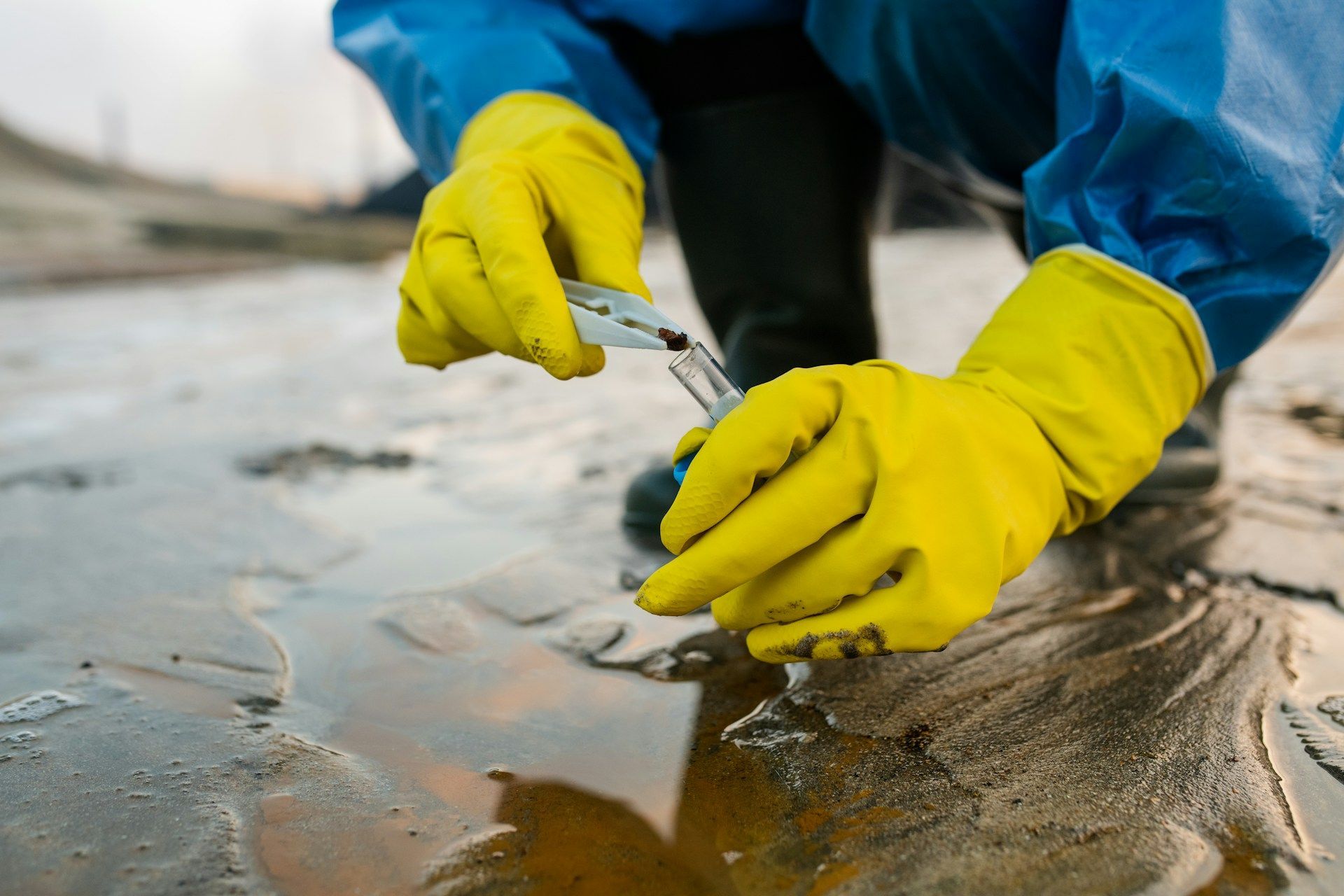
As seasons shift and water cools, feeding habits should change too. Koi eat less and digest more slowly in cooler water, so a lighter hand with food helps keep water clean. Regular testing, even with simple home kits, is a good habit so you can see trends before problems show up.
In the long run, a well-designed wetland filter lowers the risk of sudden water quality crashes that can harm or even wipe out a pond full of koi. It also makes seasonal care simpler, which is helpful for busy families.
The Sound, Light, and Calm of a Backyard Sanctuary
When a wetland filter feeds a stream or falls, it changes the whole feel of the yard. The soft rush of water covers street noise and yard tools from next door. Gentle splashes keep the pond oxygen-rich without sounding like a pool fountain.
Visually, the water creates its own show. Still pockets near the wetland reflect sky, trees, and garden lights. Koi glide just under that mirror like living brushstrokes. In the evening, low lighting on plants and moving water lets you enjoy the pond long after the sun goes down.
Over time, that mix of sound, light, and water movement turns the pond into more than a feature. It becomes a place you step into daily to breathe, watch dragonflies hunt over the wetland, and share quiet moments with family. The wetland filter is doing the hard work, but what you feel is simple calm.
Making the Wetland Filter the Heart of Your Pond Plan
When we design ponds at PD Waterscapes, we often start with the wetland filter. It guides where the water begins, how it travels through the yard, and how the whole ecosystem works together. Instead of asking if a wetland filter is an upgrade, we treat it as the core of an ecosystem pond.
If you are planning a new pond, it helps to ask about:
- Biological filtration and how the wetland will be sized
- Where the wetland can sit for both function and beauty
- How maintenance will look season to season
If you already have a pond that fights cloudy water or string algae, a retrofit wetland filter can often shift things toward clearer water and happier koi without starting from scratch.
When the filter is hidden inside a beautiful wetland, your pond stops looking like a project with equipment and starts feeling like a natural water feature that has always belonged there. The result is a backyard that is more natural, more resilient, and easier to enjoy year after year.
Get Started With Your Project Today
Transform your pond into a clear, low-maintenance ecosystem with a custom-designed
wetland filter tailored to your space. At PD Waterscapes, we take time to understand your goals so your water feature looks beautiful and functions reliably for years. If you are ready to talk through ideas, budget, and next steps, simply
contact us to schedule a consultation.