Fountains Vs. Natural Water Features: Which Fits Your Yard?
Water can change the feeling of a yard in a quiet but lasting way. On a crisp Connecticut morning, you might hear the gentle rise of a fountain near the patio or the layered sound of water moving over stone. The best choice is not simply about adding water. It is about shaping a backyard sanctuary that fits your home, your space, and the way you want to spend time outdoors.
In our work, we see that fountains and water features can both bring beauty, sound, and reflection to a property. The difference comes down to the experience you want. A fountain creates a clear focal point, while a pond, stream, or waterfall can become a living part of the garden, designed by nature and connected to its surroundings.
Fountains Bring Focus to Smaller Outdoor Spaces
A fountain gives an outdoor area an immediate center of attention. Whether it is a bubbling urn, a stone basin, a wall fountain, or a more formal tiered piece, it can make a patio, courtyard, entry garden, or compact planting area feel complete. Because fountains usually have a defined shape and smaller footprint, we often recommend them where space is limited or where a homeowner wants a refined detail close to the home.
Sound is one of the biggest reasons to consider a fountain. Circulating water can soften the noise of nearby traffic and make neighboring properties feel farther away. The flow can be shaped around the mood you prefer, from a soft, quiet bubbling sound to a more noticeable splash that fills the space without making conversation difficult.
A fountain may be a strong fit if you want:
- A focal point near a front entry, patio, or seating area
- Moving water in a smaller garden space
- Gentle sound without the scale of a pond
- A feature with a formal, architectural feel
Like all fountains and water features, fountains need regular care. We plan for access to electricity, pump service, basin cleaning, and water-level checks from the beginning. Before Connecticut’s sustained winter freezes, a fountain may need to be drained, protected, or have its pump removed, depending on the system. A thoughtfully selected recirculating fountain keeps water moving through the feature rather than continually drawing from a fresh source.
Natural Water Features Create a Living Setting
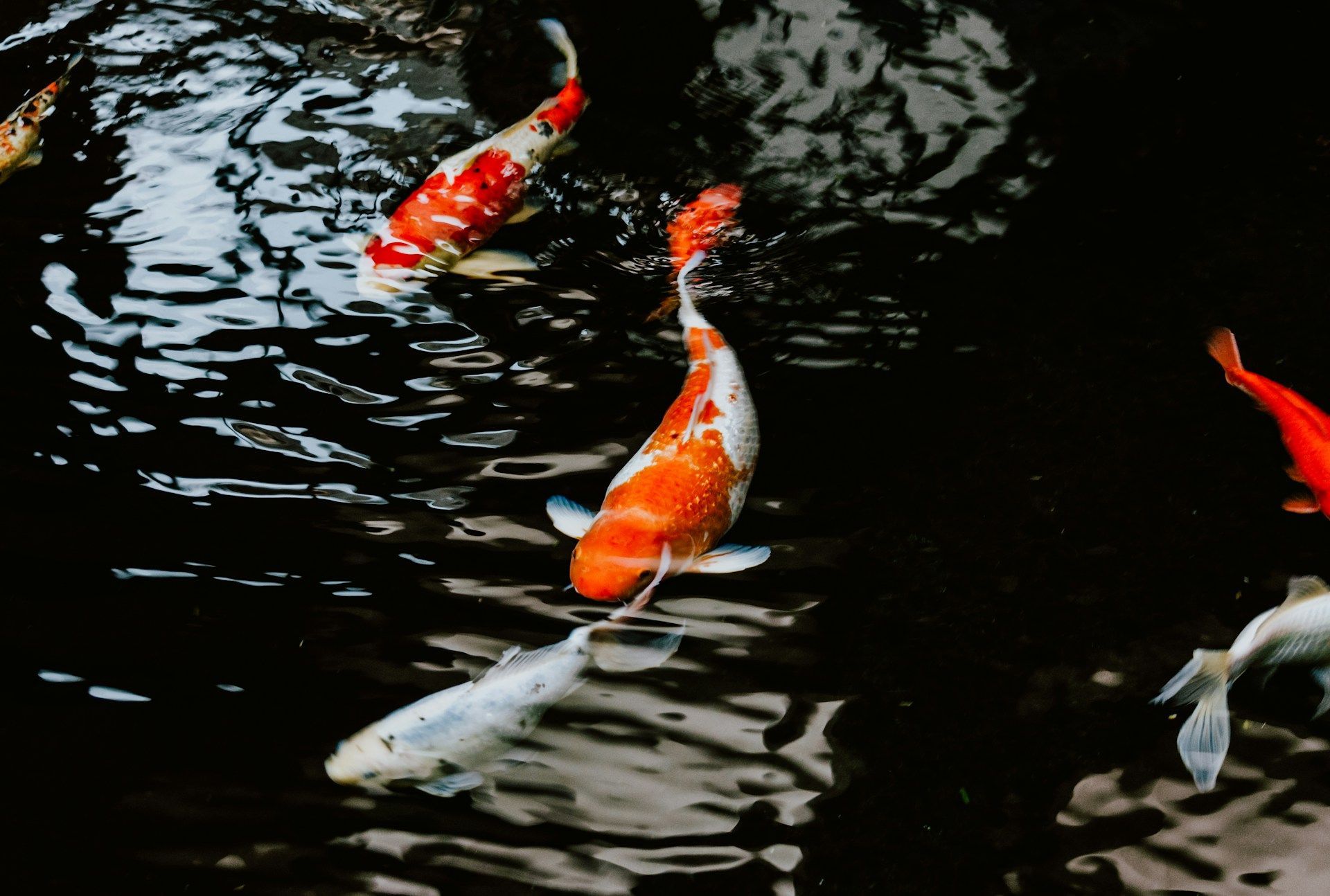
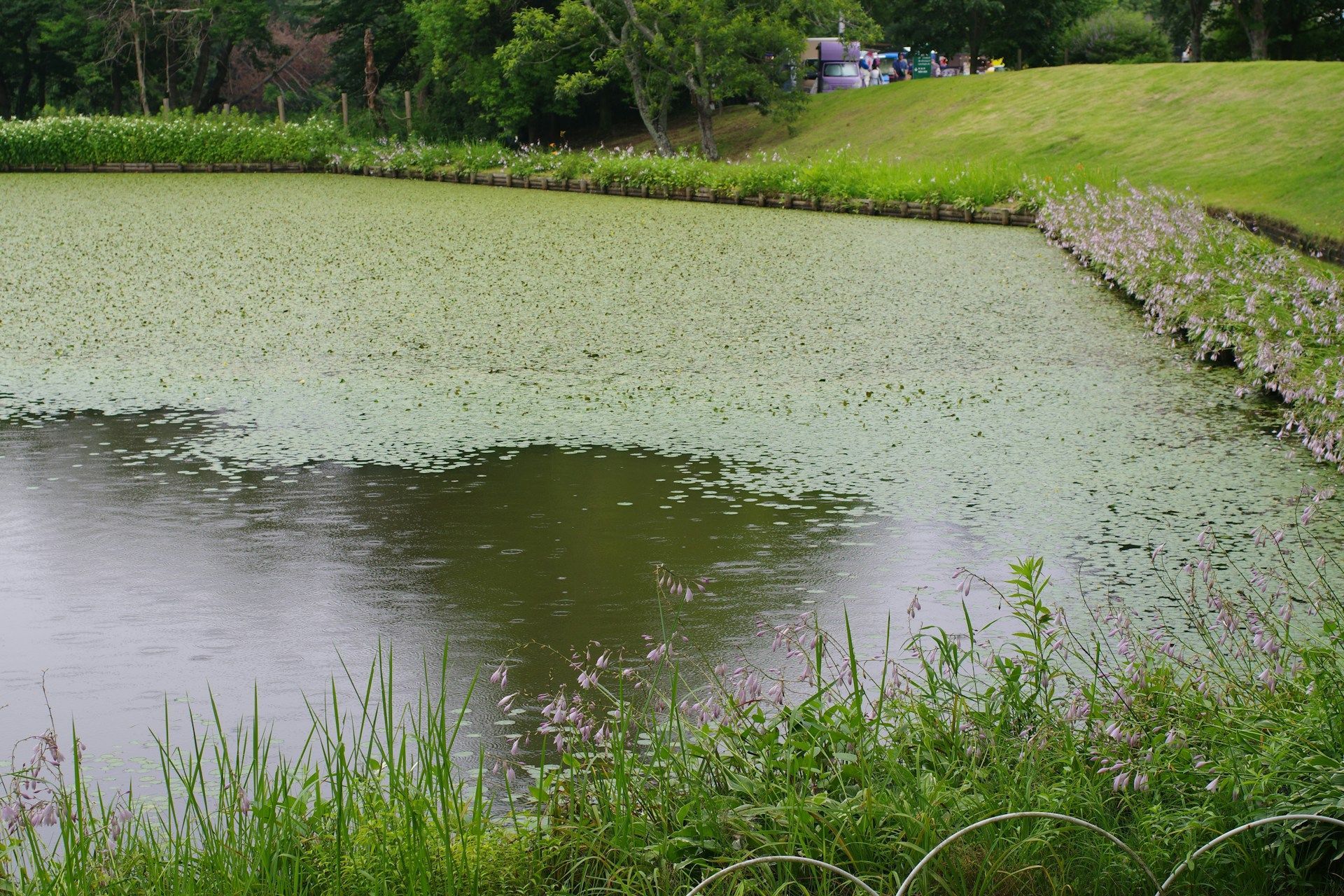
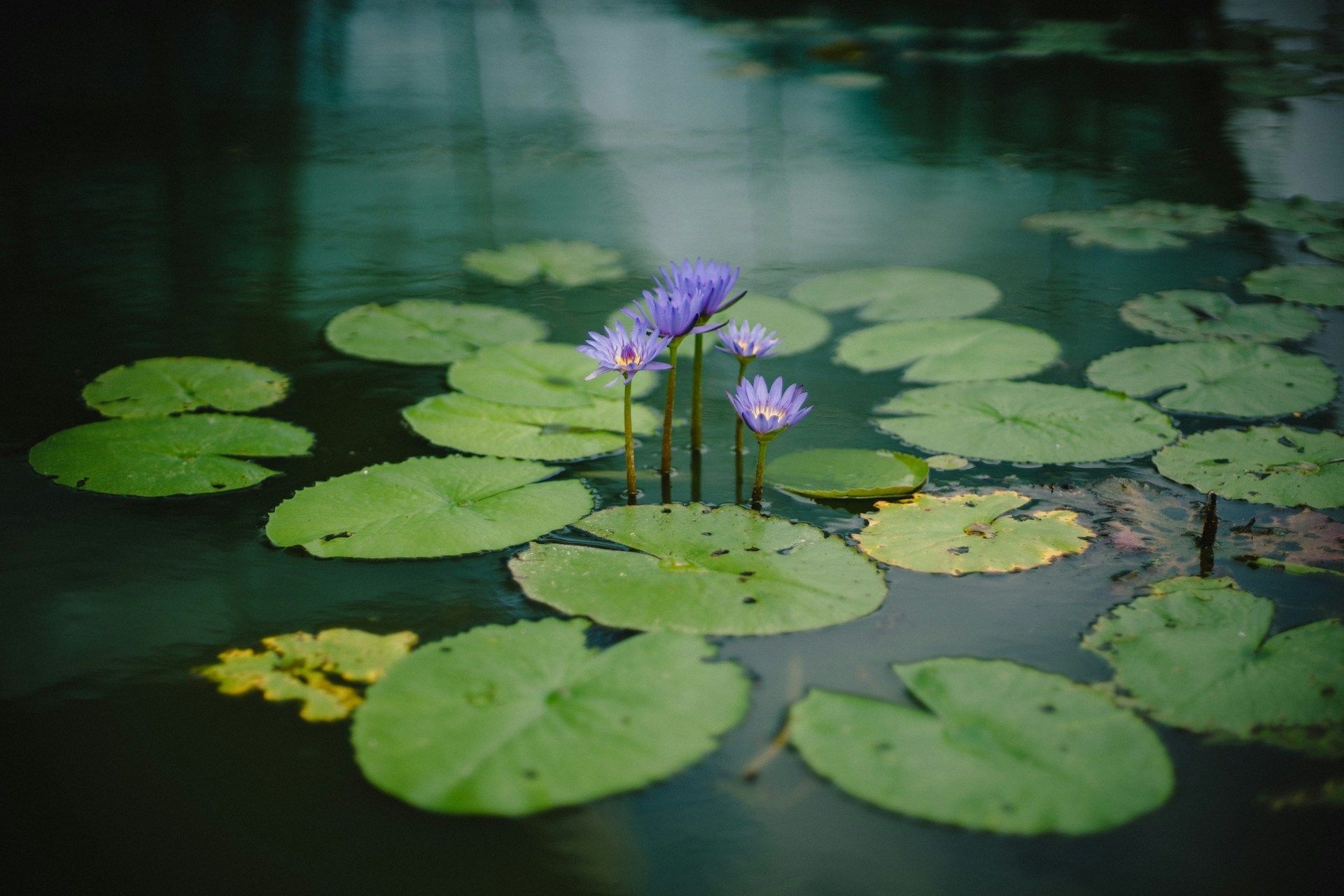
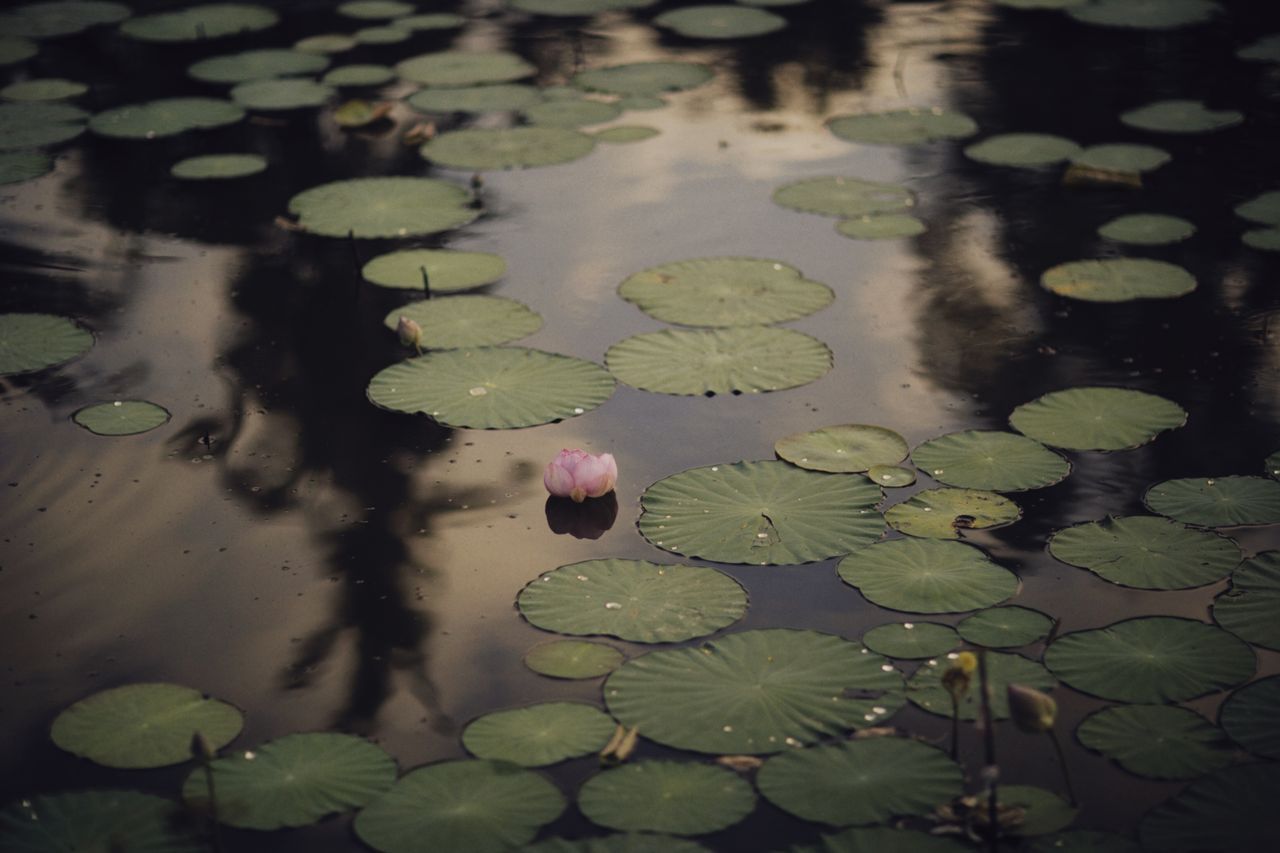
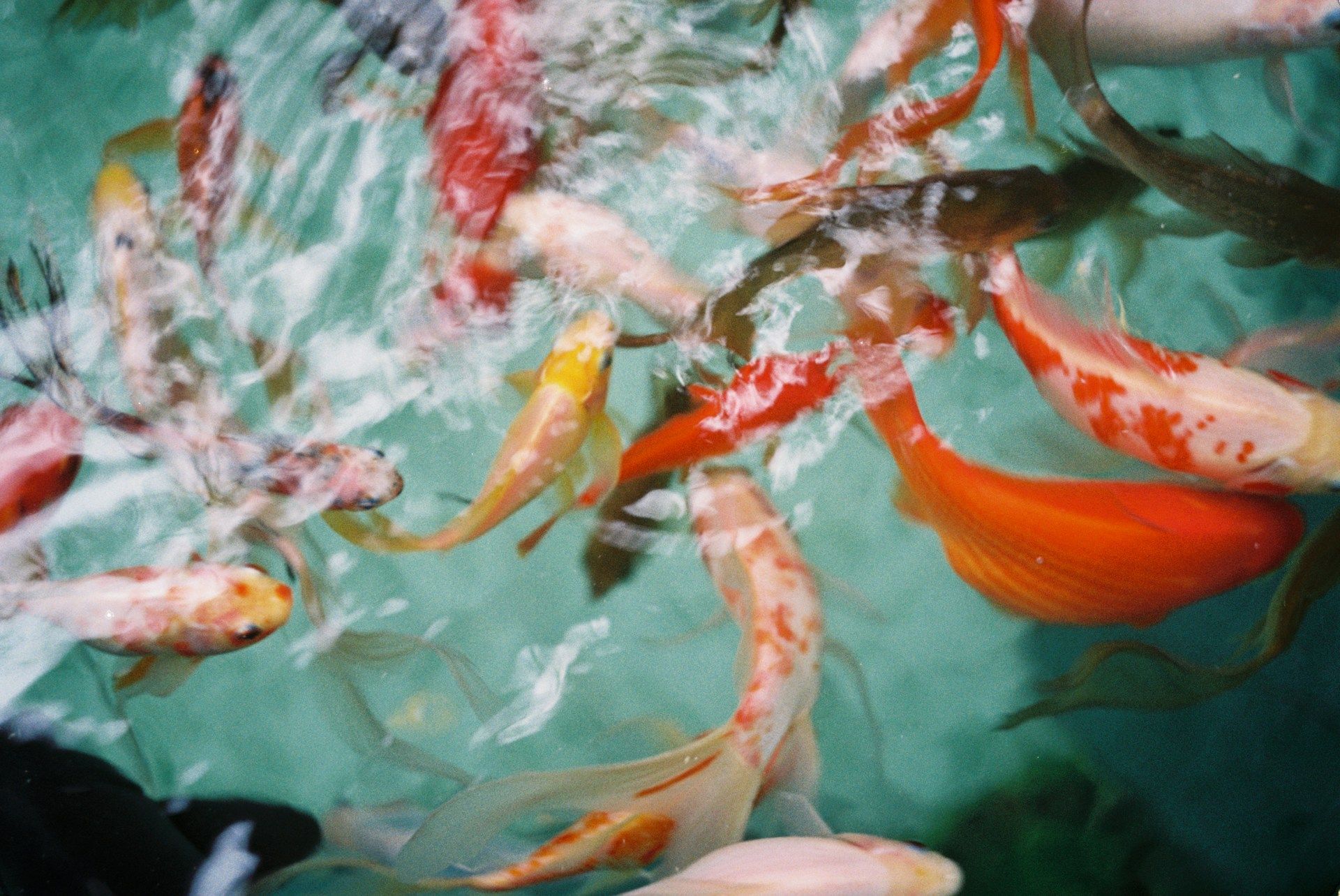
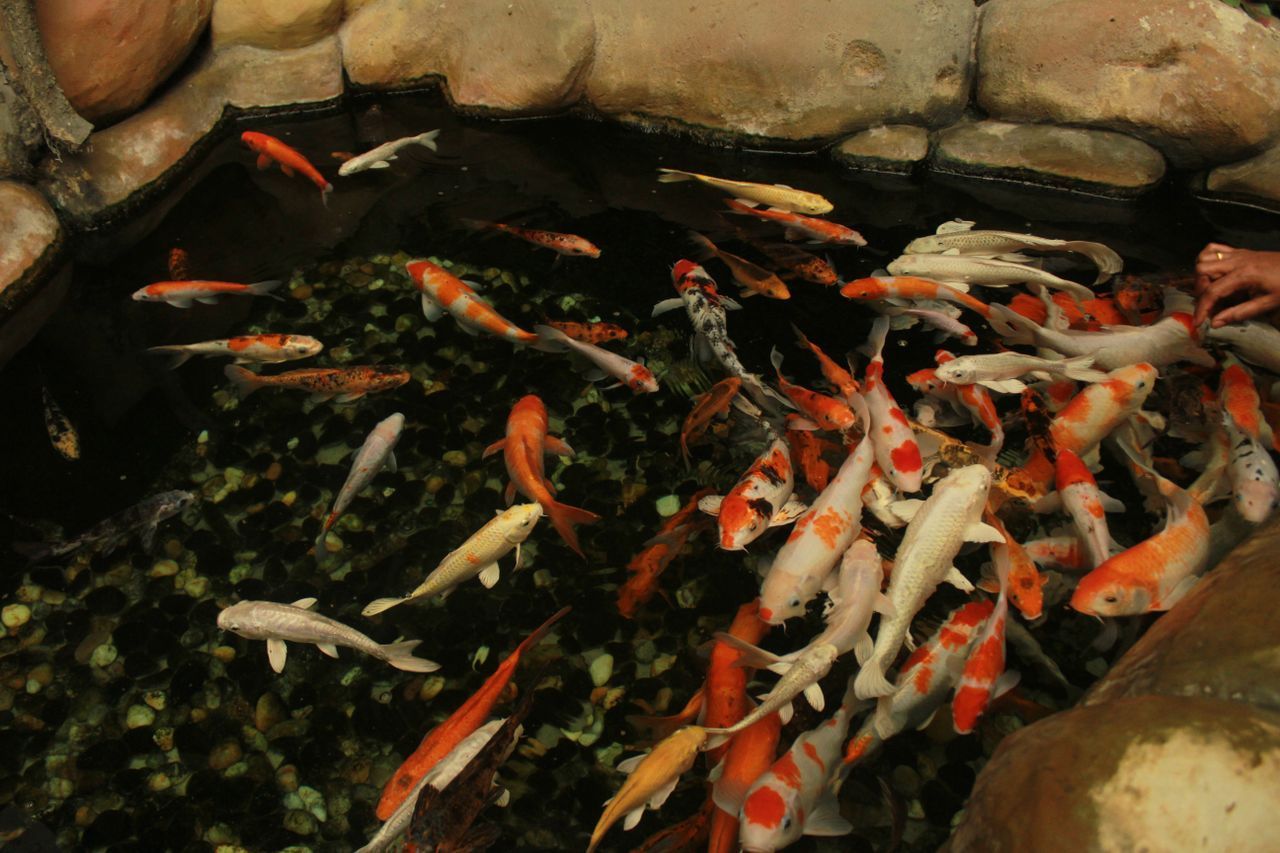
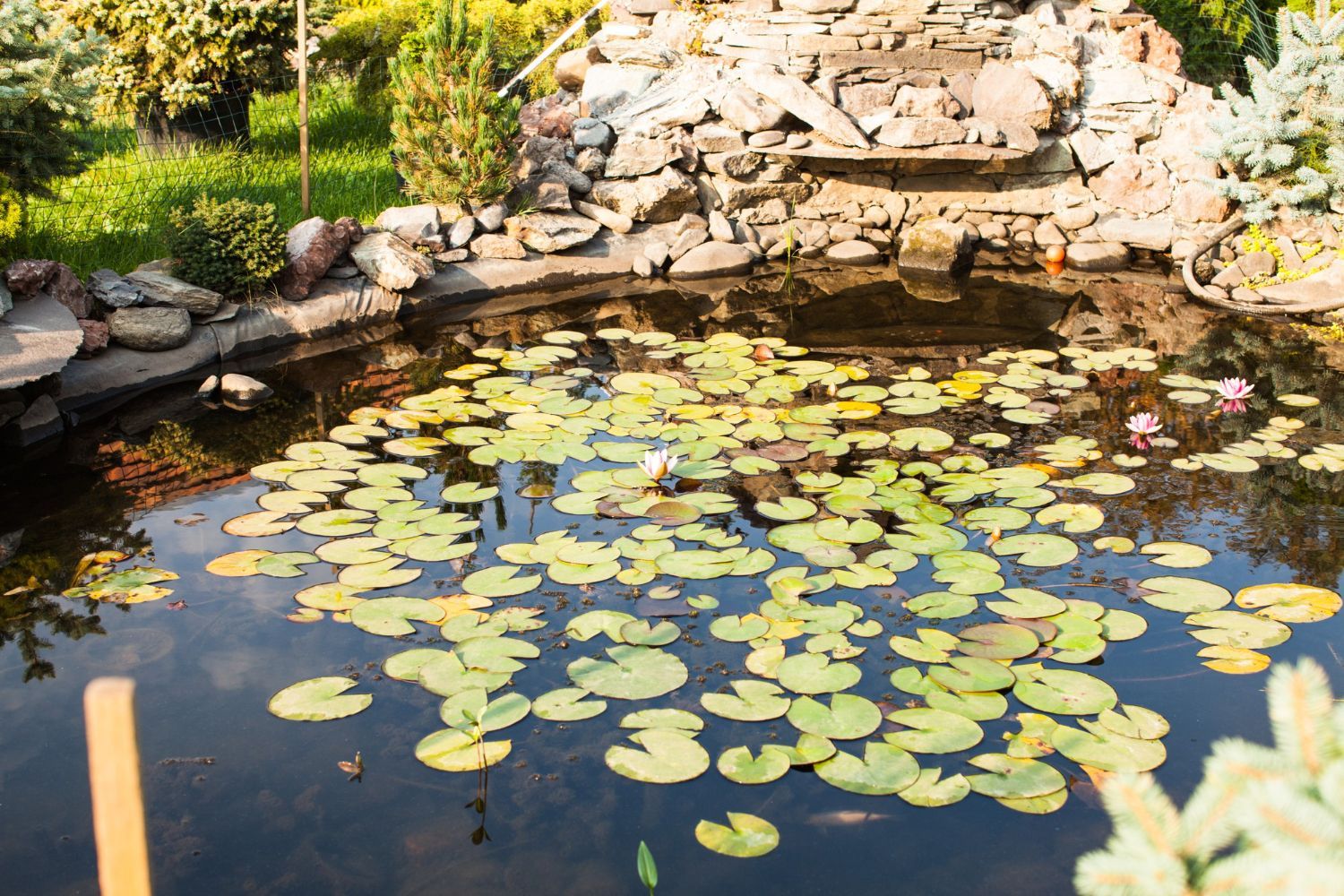
A natural pond, waterfall, or stream does more than decorate a yard. It creates a thriving ecosystem where water, stone, plants, beneficial bacteria, and, when desired, koi work together. Instead of being one object in the garden, the feature becomes a destination. You may hear the waterfall from an open window, watch reflections change through the day, or notice birds visiting the water’s edge.
The “always belonged” look comes from careful planning. Stone should not appear stacked in even rows or placed with too much symmetry. We shape waterfalls around the grade of the property, tuck stream origins behind plantings, and use pond-friendly plants to soften the edges. The goal is an organic setting that feels intentional, not overly managed.
Biological filtration is a defining difference between a fountain and a natural pond system. Rocks and gravel provide surfaces where beneficial bacteria can live. Aquatic plants help use excess nutrients, while circulation adds oxygen to the water. Together, these elements support cleaner, more balanced conditions without relying only on harsh treatments.
A healthy pond is built around connected parts:
- Filtration that supports clear circulation
- Rocks and gravel that provide useful surface area
- Plants that soften edges and support balance
- Fish, such as koi, when the pond is designed for them
- Beneficial bacteria that support biological filtration
Care, Energy Use, and Connecticut Winters
Every feature needs attention, but the care looks different. A fountain usually calls for periodic cleaning of the basin, pump inspection, and monitoring of the water level. A pond or stream has more living elements to observe, including plant care, debris removal, filter maintenance, water clarity, and circulation.
Efficient design matters for both options. Properly sized pumps, plumbing, and circulation help avoid wasting energy while still creating the sound and movement you want. In a natural pond, biological filtration supports the system through plants, bacteria, rocks, gravel, and filtration media. That balance is part of what makes a pond feel alive rather than mechanical.
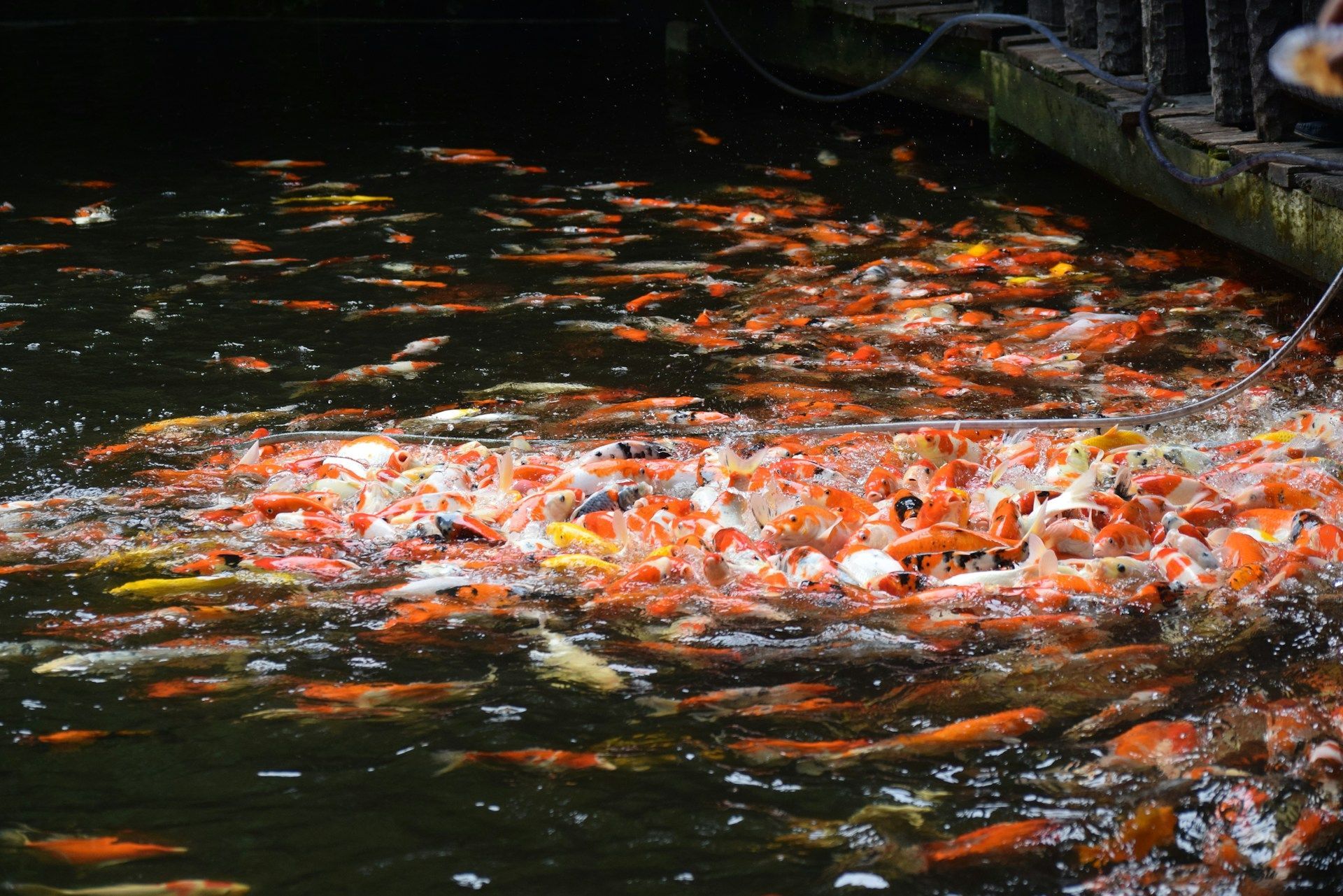
Late fall is an important preparation period in West Hartford. Leaves should be removed before they break down in the water, and koi feeding should be adjusted as water temperatures cool. We also recommend winterizing equipment according to the needs of the individual system. Even after the garden goes dormant, a pond can remain beautiful through winter, with natural stone, evergreen plantings, reflections, and open water adding texture to the yard.
Choose the Experience That Fits Your Property
The right feature begins with how you want to use the space. A fountain may suit you if you want a calm visual detail beside a favorite chair or near an entry. A pondless waterfall or stream can bring natural sound and stonework without the ongoing care of a fish pond. If you enjoy watching koi, visiting birds, and changing plant life, a full pond can offer a deeper daily connection with nature.
Your property should guide the design. We look at available space, sunlight, mature trees, slope, drainage, nearby seating, and views from inside the home. A waterfall that sounds wonderful beside a patio may be less useful if it cannot be heard from the places where you spend time. In the same way, a pond needs to feel connected to the setting rather than placed in an unused corner.
Naturalism does not mean untamed or difficult to maintain. With thoughtful planning, fountains and water features can look organic while remaining efficient, intentional, and enjoyable to care for.
Plan a Backyard Sanctuary for Every Season
The decision often comes back to one simple question: what do you want to experience when you step outside? It may be a quiet fountain beside a chair, a waterfall heard through an open window, or koi moving beneath the reflections of nearby plants.
A lasting water feature balances beauty, maintenance preferences, sustainability goals, and the character of the property. When stone, water, circulation, and plantings work together, the result can feel like a natural part of home life through every season.
Bring Your Backyard Sanctuary to Life
At PD Waterscapes, we help homeowners create
fountains and water features that complement the rhythms of their landscape and support a thriving ecosystem. Our team considers stone, water movement, biological filtration, and plantings to create a setting that feels designed by nature. When you are ready to discuss what fits your yard,
contact us for a thoughtful consultation.