Reading the Pond’s Green Language
Aquatic plants are always talking. The leaves, stems, and even the algae on your rocks are quietly telling the story of your water. When you step outside on a warm July morning in Connecticut and see bright green lily pads, yellowing edges, or long strings of algae clinging to the waterfall, those are all messages about what is happening below the surface.
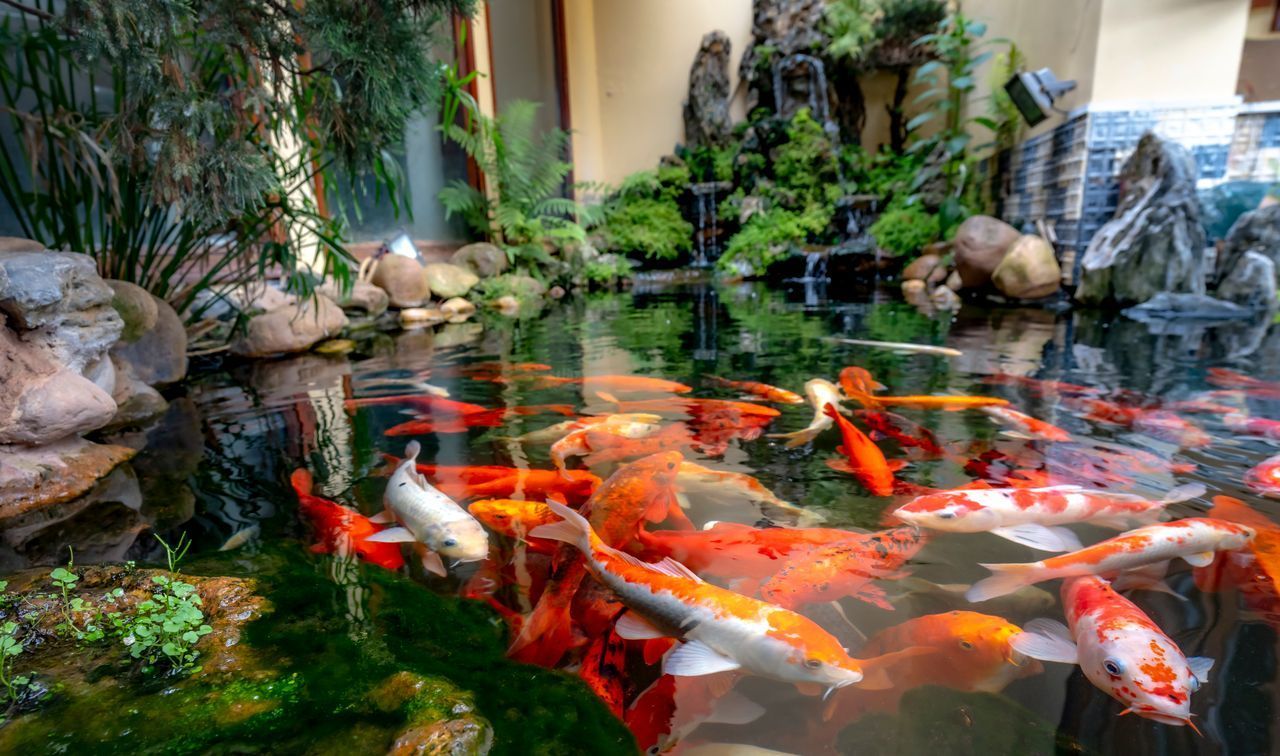
At PD Waterscapes, we design koi ponds and naturalistic water features that feel like they were designed by nature. In ponds like that, aquatic plants, stone, fish, and filtration are not separate decorations. They work together as a living system, where plants act like water quality whisperers and early warning signs for your koi.
In this article, we will walk through how to read what your aquatic plants are telling you, how this connects to the five elements of a healthy koi pond, and when it is time to adjust care or bring in professional support to protect both your fish and your backyard sanctuary. Along the way, you will see how these observations translate into practical koi care, so you can protect the investment you have made in your fish.
How Aquatic Plants Reflect Water Health
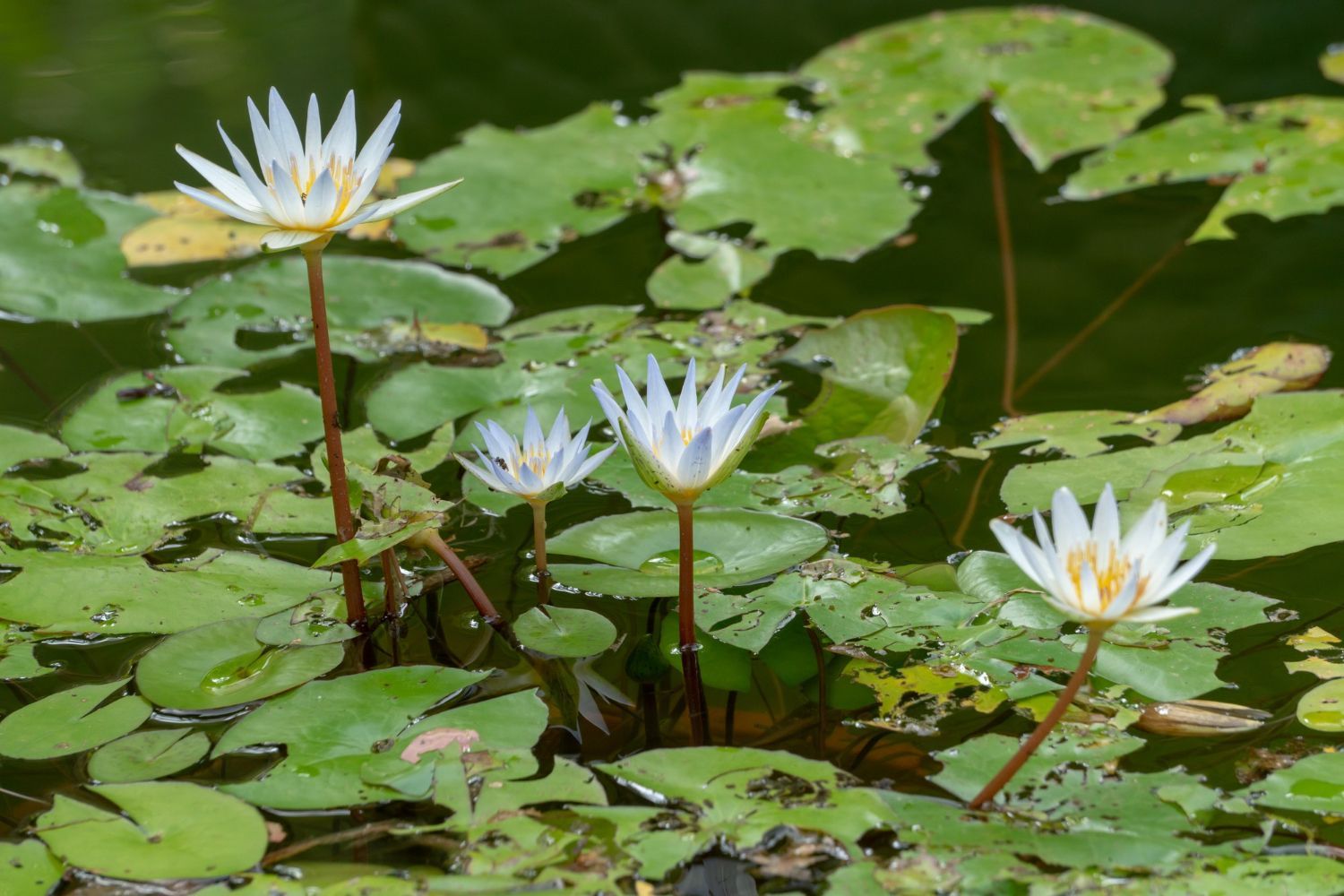
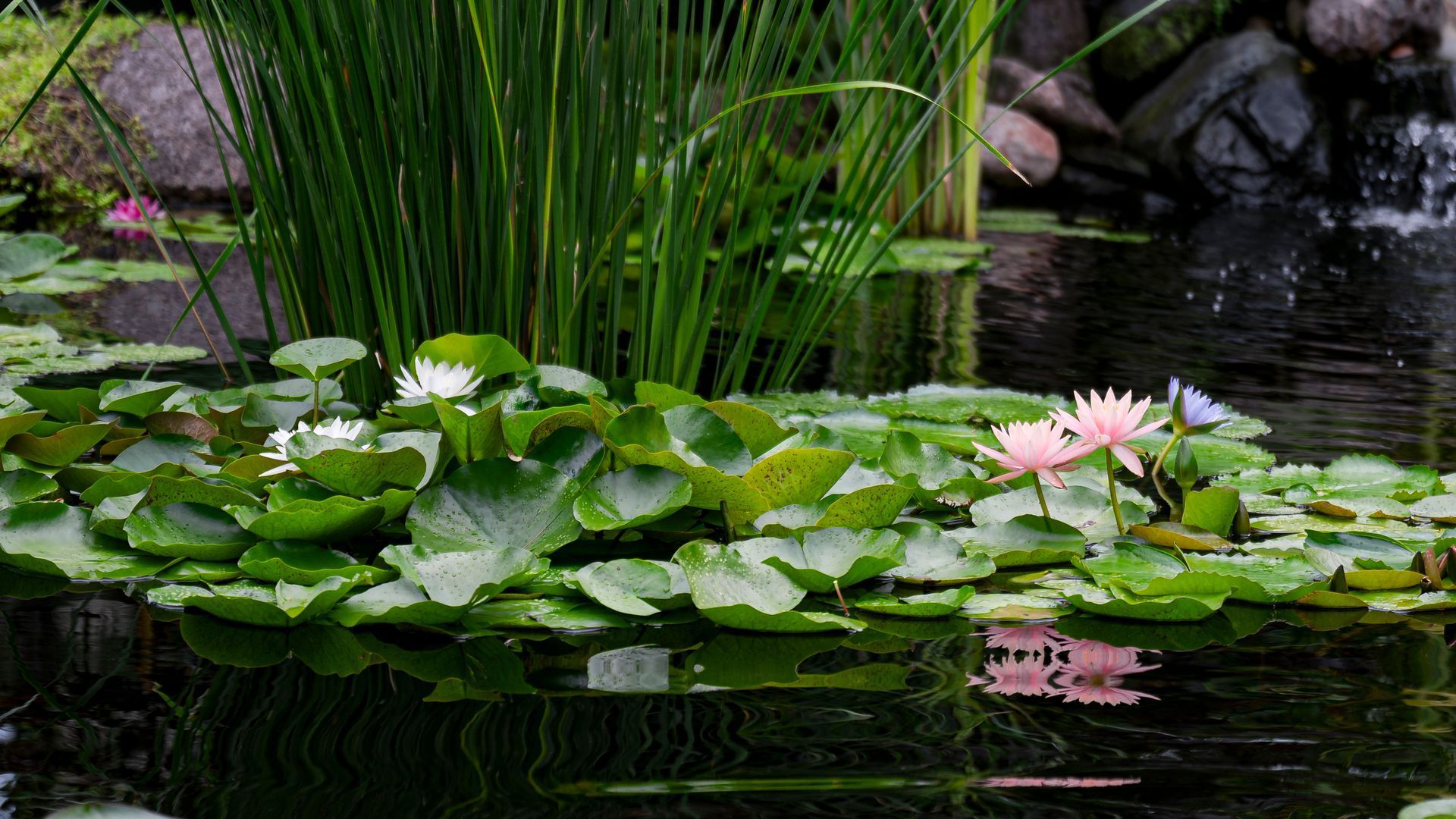
Healthy aquatic plants are some of the best clues you can get about water quality. When plants grow steadily, keep good color, and bloom on a regular rhythm, it usually means nutrients, sunlight, and biological filtration are all in balance.
Positive plant signals often look like this:
- Deep, rich green leaves without spots or streaks
- Lily pads that reach the surface and stay open through the day
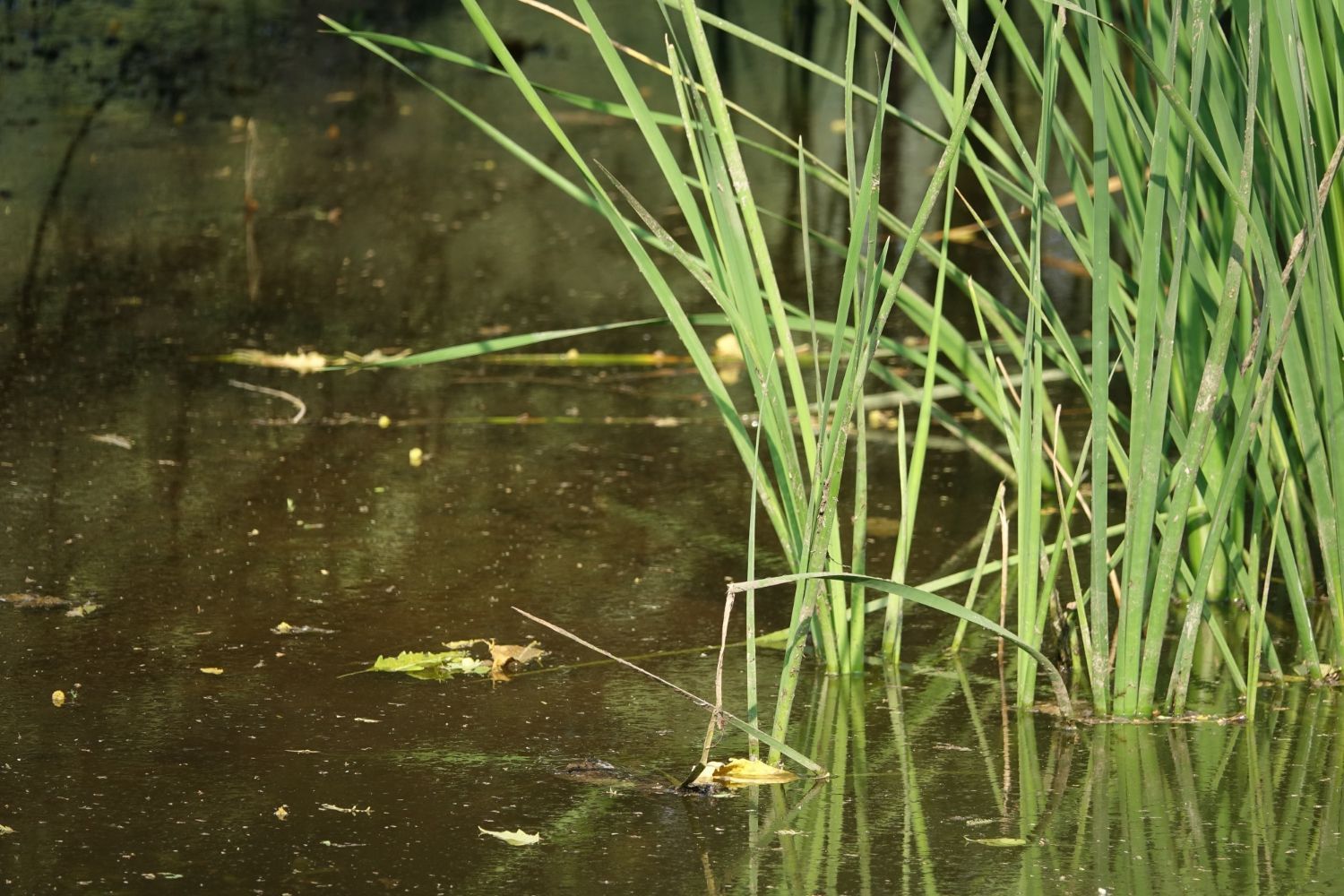
- Marginal plants standing upright with firm stems
- New growth appearing at a steady, not explosive, pace
On the other hand, stressed plants point to common water issues. Yellowing or pale leaves can signal a nutrient shortage or a pH that is just a bit off. Curling or stunted growth often hints at poor circulation, where water is not bringing enough oxygen and nutrients to the root zone. When plants grow weak and thin, it may mean the fish load is low or beneficial bacteria are not yet fully established, so there is less natural nutrient cycling.
Explosive plant growth can be just as telling. When marginals choke the edges or floaters cover almost the whole surface, the pond is likely carrying extra nutrients from fish waste and overfeeding. Those nutrients can either feed aquatic plants or nuisance algae. If plants cannot keep up, algae usually steps in.
Warm late summer water in Connecticut speeds everything up. Plant metabolism rises, fish eat more, and any imbalance becomes louder. That is why aquatic plants are especially revealing from mid-July through August. When you learn their signals, you can respond early instead of waiting for cloudy water or stressed koi.
From a koi-care standpoint, catching these plant signals early helps you avoid sudden swings in ammonia or low oxygen events that can damage gills and shorten a koi’s lifespan. Healthy, stable water protects your koi as the long-term living investments they are.
Building a Pond That Looks Like It Always Belonged
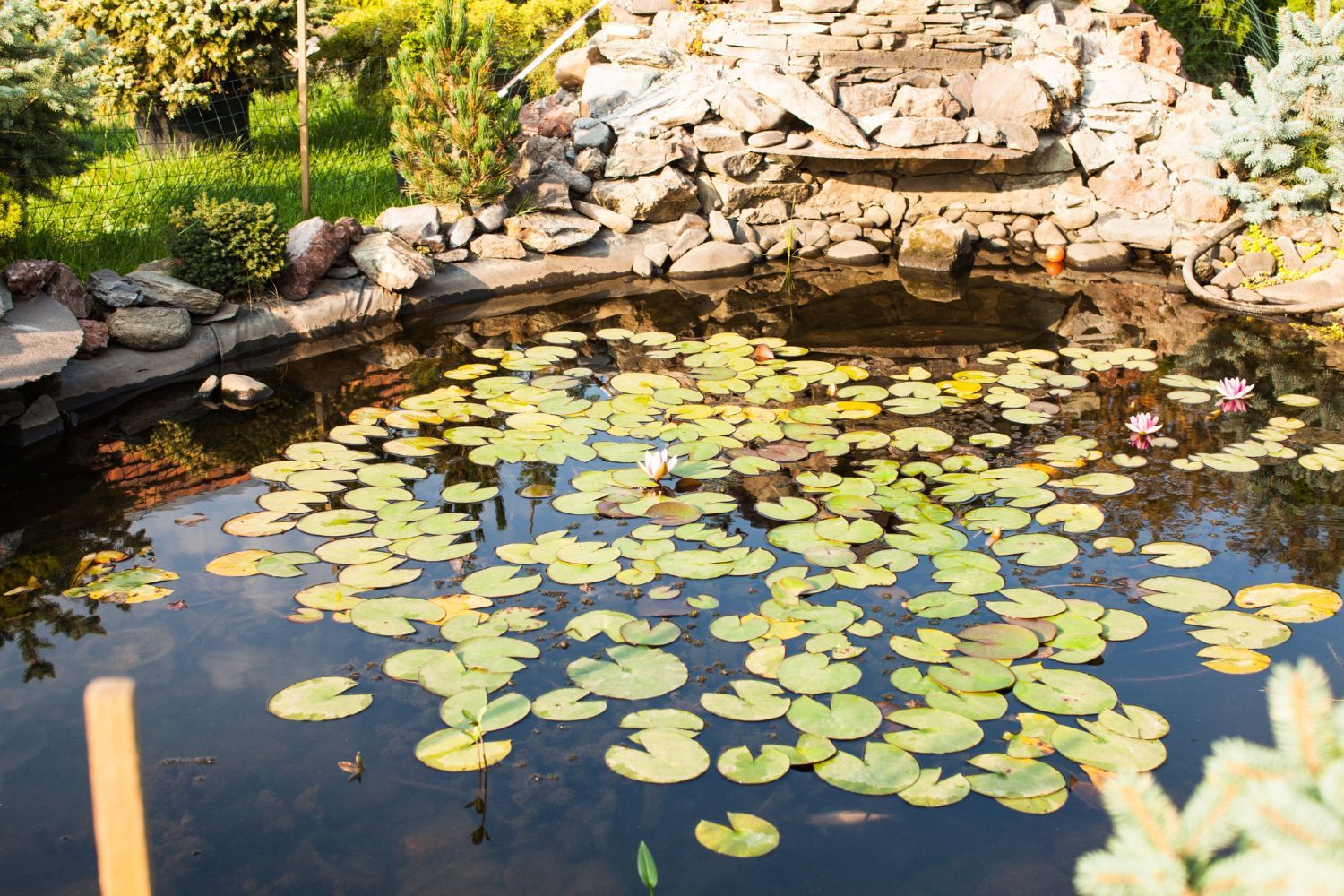
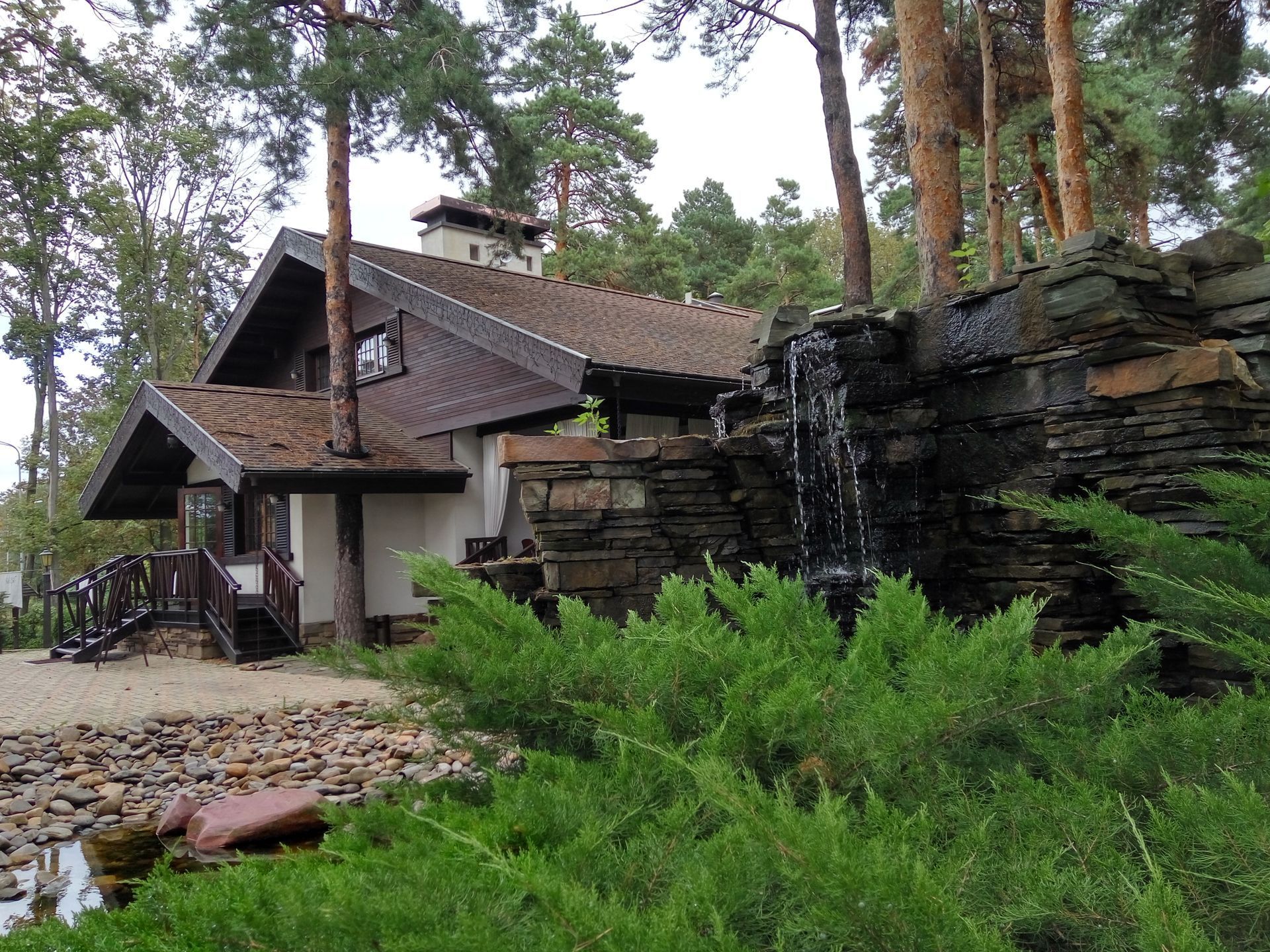
A pond that looks like it always belonged to the yard does more than look pretty. It also functions better. Thoughtful stone placement, planting shelves, and plant groupings help your pond blend into the landscape and support long-term water health.
We like to think in terms of layers. Larger boulders anchor the shoreline, while medium stones and gravel fill the gaps so there are no harsh, straight edges. Waterfalls and streams are built with natural ledges and varied rock sizes so the water appears to slip and tumble as if it has been carving that path for years.
Careful stone placement is about both look and function:
- Varied sizes keep the shoreline from looking like a stone wall
- Flat ledges create natural spots for water to break and oxygenate
- Hidden filter returns keep the flow natural, not like a pipe discharge
- Gravel beds on shelves create huge surfaces for beneficial bacteria
Aquatic plant layering finishes the effect. Marginals at the edges soften stone lines and make the shoreline look self-sown. Water lilies and floating plants spread across the center, shading the water and cooling it slightly. Low growers and creeping plants fill gaps, tying water and land together.
This naturalism is not just visual. Every rock face, gravel pocket, and root zone becomes part of the biological filtration. They host the beneficial bacteria that help keep a koi pond clear, stable, and closer to a real ecosystem than a decorative pool that is always fighting algae. The result is an "always belonged" aesthetic and a more stable environment for koi, which reduces stress and supports their long-term health.
Five Elements of a Thriving Koi Ecosystem
A truly healthy koi pond rests on five connected elements. When they work together, the pond feels calm and low-stress, for both you and the fish.
Filtration
Mechanical and biological filtration share the work. Skimmers pull in leaves and floating debris before they sink. Biofalls and other biological filters give beneficial bacteria a safe place to live. Those bacteria quietly turn fish waste from something harmful into plant-ready nutrients instead of algae fuel. For koi, this means safer levels of ammonia and nitrite and a much lower risk of sudden water-quality crashes.
Rocks and Gravel
Stonework turns the whole pond into a designed-by-nature filter. Every inch of rock and gravel adds surface area where bacteria and tiny life forms set up a living cleaning crew. This hidden life breaks down waste, stabilizes water quality, and helps your pond age gracefully. A pond that ages gracefully is easier on your koi, minimizing the chronic stress that can shorten the life of expensive fish.
Aquatic Plants
Plants are the green engine of the system. They:
- Use dissolved nutrients that would otherwise feed algae
- Shade the water to slow temperature swings
- Provide shelter for fish and small aquatic life
- Compete directly with string algae for food and light
The right mix of marginals, lilies, and floaters keeps the pond in balance. This plant balance gives koi places to retreat from bright midday sun, helps keep water temperature steadier through summer heat, and lowers the chance of sudden algae blooms that can rob the water of oxygen.
Fish
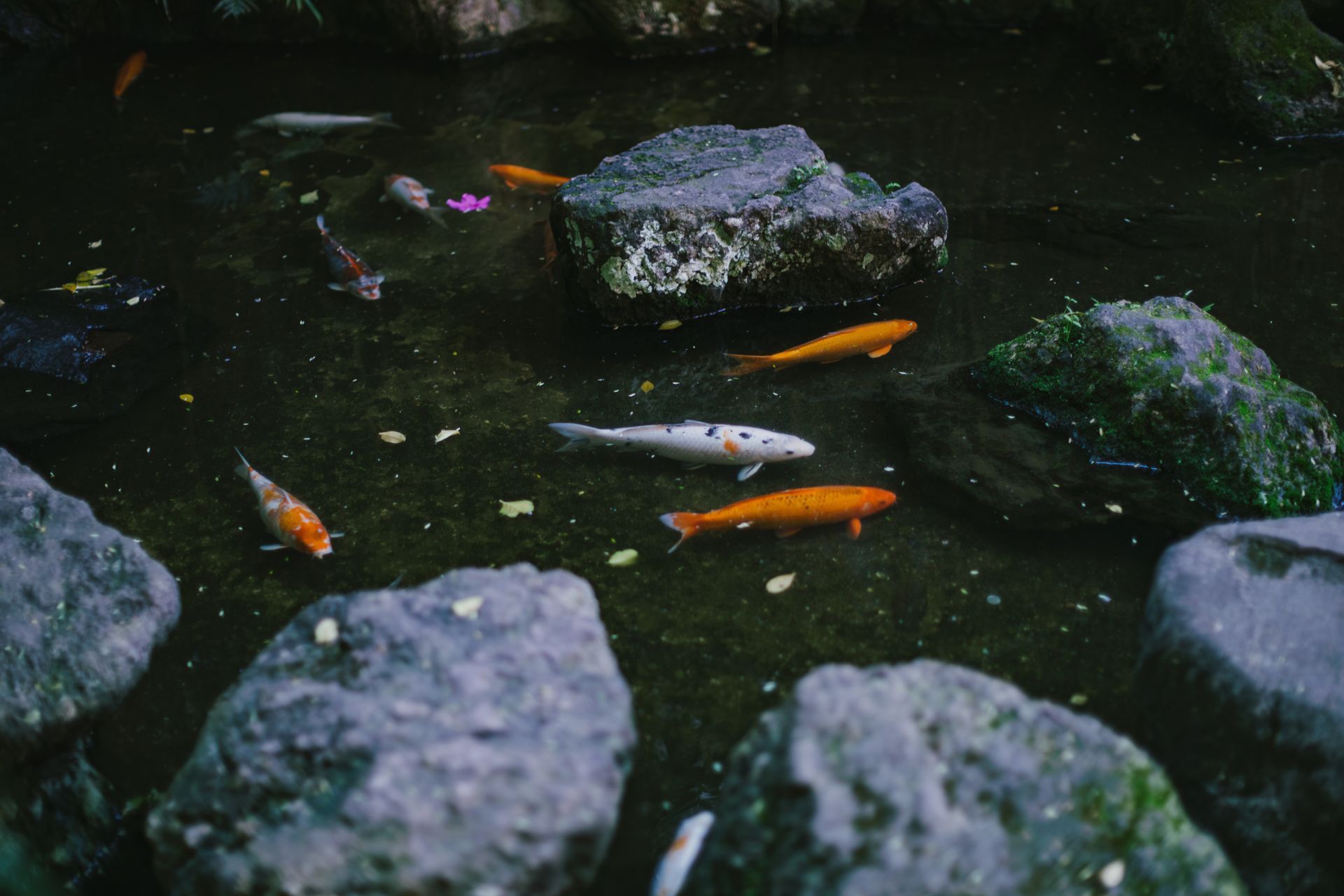
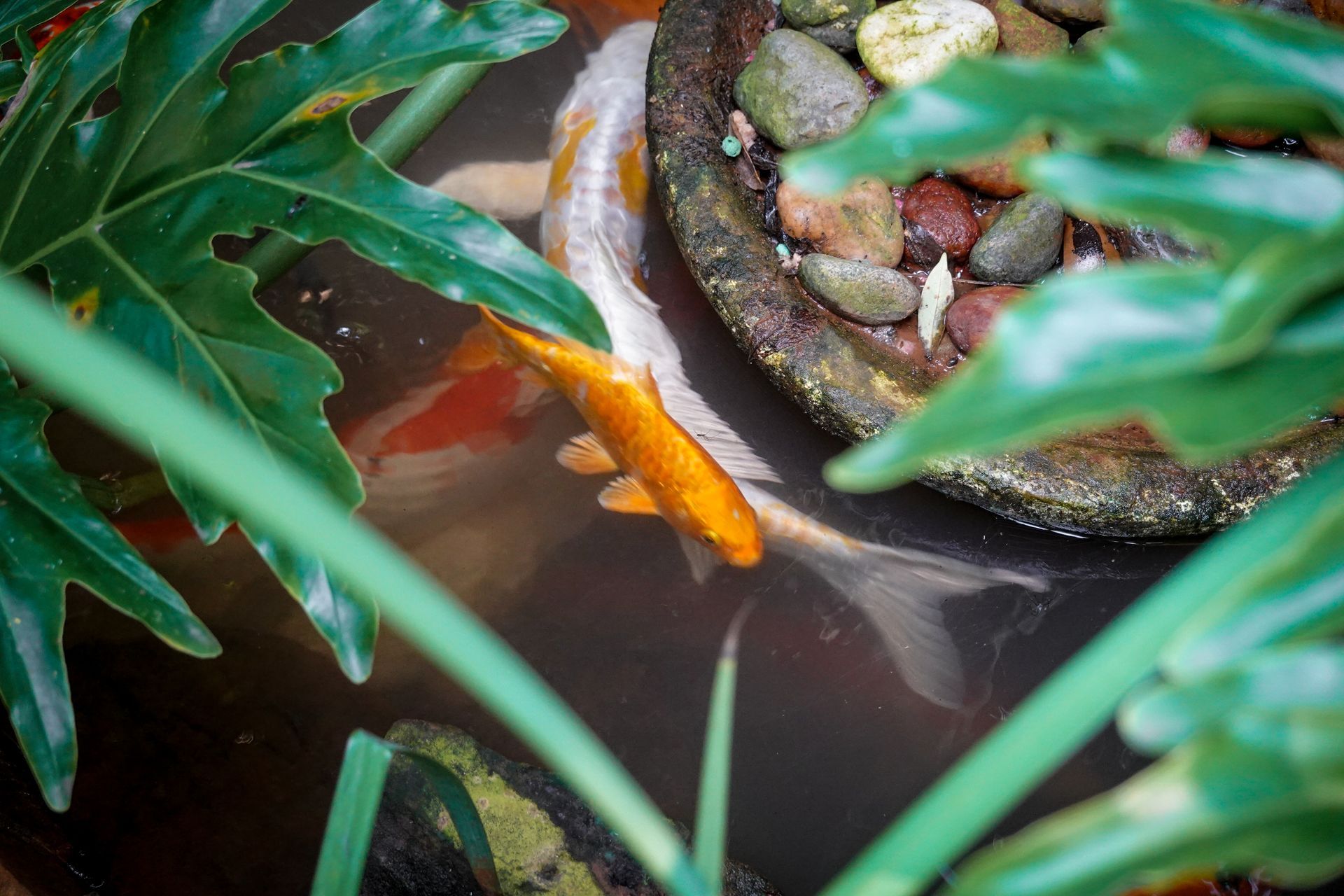
Koi are the stars and also part of the fuel source. Their waste becomes nutrients for plants and bacteria to process. In return, clear, oxygen-rich, shaded water protects them from ammonia and nitrite. Healthy, active koi are usually the sign that the rest of the system is working.
Because quality koi represent a real financial and emotional investment, it helps to think about stocking and feeding with that investment in mind. Avoid overstocking the pond, and feed in amounts the fish can finish in a few minutes. This protects water quality, which in turn protects your koi’s color, growth, and long-term health.
Beneficial Bacteria
These microbes are the invisible engine. They turn raw waste into safer forms and keep the nitrogen cycle moving, especially in warm summer water when koi are eating more. When we design ponds, we think about how to give bacteria plenty of stable surfaces so they can colonize naturally and keep the whole system calm.
Regularly rinsing mechanical filter pads (without using chlorinated tap water on biological media) and keeping pumps and skimmers clear helps these bacteria continue supporting a thriving ecosystem that your koi can safely grow in for many years.
What Plant Signals Reveal About Koi Health
Plant behavior often warns you about koi trouble before the fish show signs of stress. Sudden algae blooms, lilies that once thrived then suddenly struggle, or cloudy water around plant roots can all hint at oxygen issues, overstocking, or filtration that is near its limit.
Red flags to watch for include:
- Disintegrating or mushy leaves that fall apart in your fingers
- Plants coated in string algae, especially around the waterfall
- Persistent surface scum that does not clear with normal skimmer action
- Marginals that wilt or lean over even though they are rooted in water
These clues often point to rising ammonia or nitrite, or low dissolved oxygen, especially at night. If plants are losing the fight against algae, it can mean nutrients are piling up faster than the system can process them.
Helpful care steps can include easing back on feeding, thinning out overly dense plant growth that is blocking water paths, and keeping skimmers and filters clear so water movement and gas exchange stay strong. Regular midsummer cleaning of intake areas, without stripping all the biofilm, can give the system more breathing room.
For koi specifically, these plant warnings are an opportunity to act before you see visible fish problems like reddened fins, clamped fins, or gasping at the surface. Testing basic water parameters and correcting issues early helps protect the health and value of your koi collection.
If you see plant stress and fish behavior change at the same time, such as koi hanging near the surface or gasping at the waterfall, it is time for a deeper look. That is where pond professionals like PD Waterscapes can assess circulation, filtration capacity, and plant balance to protect your koi and the investment you have made in your backyard sanctuary.
Tuning Your Backyard Sanctuary to Nature’s Rhythm
A simple, steady “plant check” routine can keep your pond tuned to nature’s rhythm. On a quiet summer evening, listen to the waterfall, watch the reflections on the surface, and notice how the aquatic plants frame and soften the stonework. Over time, you will start to sense when something feels off, often before there is a big problem.
A short seasonal checklist might include:
- Trim spent blooms and yellowing leaves so plants focus on healthy growth
- Thin crowded plants to keep open channels for water movement
- Make sure some of the surface has lily pads or floaters for shade
- Confirm the waterfall or stream is running strong and lively for oxygen
You can also build a simple koi care rhythm around these same checks: watch how eagerly your koi feed, note any changes in color or activity level, and keep an eye out for rubbing, flashing, or lingering near the surface. Pairing plant observation with koi observation gives you a fuller picture of the pond’s overall health.
When aquatic plants, koi, rocks, bacteria, and filtration move in harmony, your pond stops feeling like a project and starts feeling like a living story you get to be part of. At PD Waterscapes, we design, build, and maintain ponds that look as if they have always belonged in the Connecticut landscape, and we help keep them that way year after year, so your aquatic plants keep whispering good news about the water your koi call home and your thriving ecosystem continues to flourish.
Get Started With Your Project Today
Transform your pond into a thriving, low-maintenance ecosystem with carefully selected
aquatic plants that support clear water and healthy fish. At PD Waterscapes, we design and install natural water features tailored to your yard, lifestyle, and long-term goals. If you are ready to plan your project or have questions about what will work best in your space,
contact us to talk with our team.