Turn Your Pondless Waterfall Into Daily Sound Therapy
A pondless waterfall is more than a pretty feature in the yard. Used well, it can be a daily reset button for your mind and body in just 5 to 10 minutes. Instead of scrolling a phone between emails or after dinner, you can step outside, hear the water, and feel your nervous system start to let go.
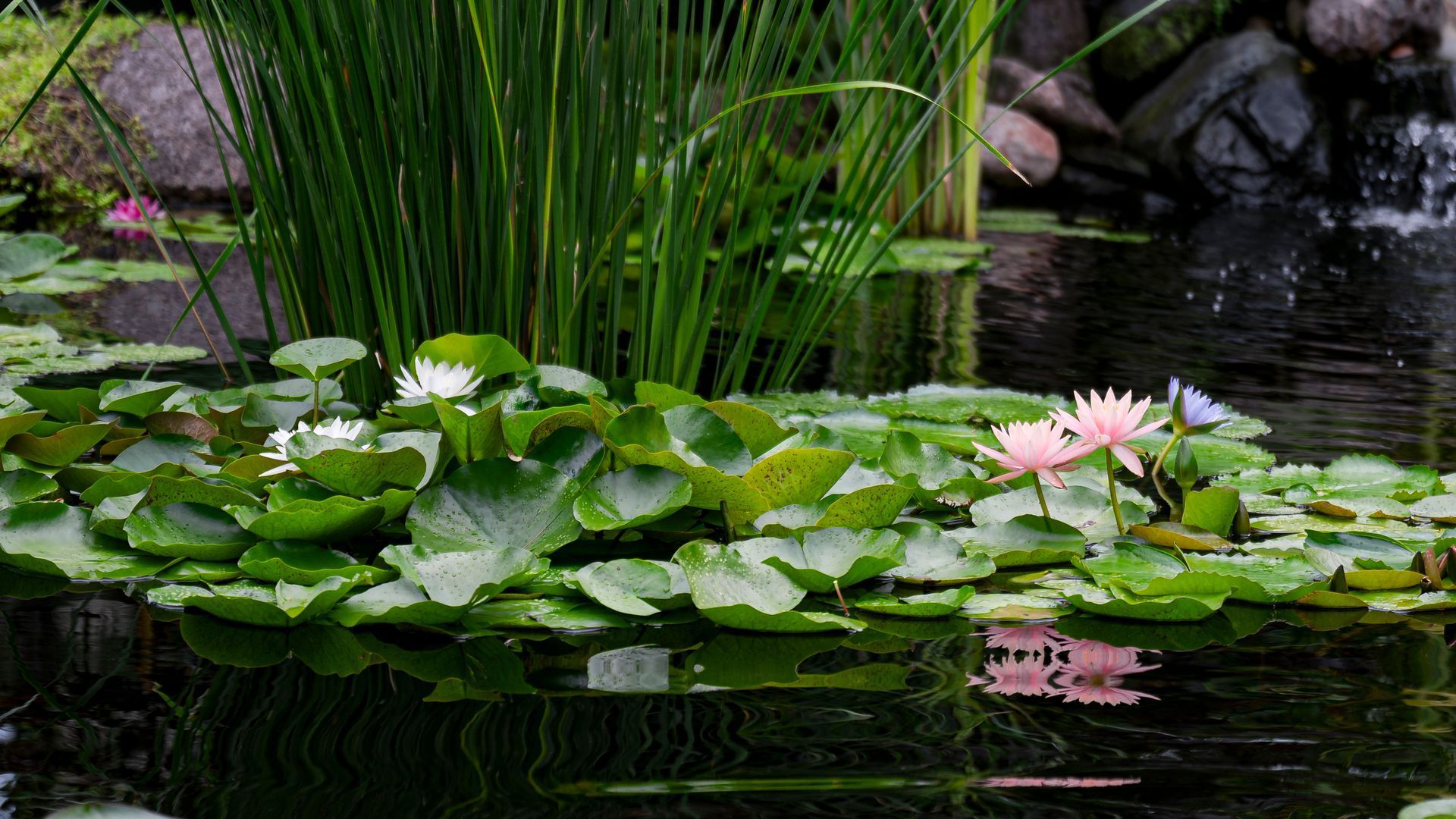
The steady, natural white noise of moving water helps calm the brain, soften neighborhood sounds, and create a quiet pocket of peace. When a pondless waterfall is built with natural stone, biological filtration, and thoughtful plants, it is part of a living, low-maintenance ecosystem that feels like it was designed by nature. Over time, stone edges soften, moss finds the damp crevices, and plants knit into the rockwork so the feature looks like it has always belonged in your yard.
Our goal here is to show you a simple routine you can follow every day, along with easy tips on timing, where to sit, and how to tune the sound so your waterfall becomes a true backyard sanctuary.
Why Real Waterfall Sound Beats a Phone App
Water sound from a real feature is always changing. There is no looping track, no repeating pattern your brain gets bored with. The flow shifts slightly with wind, air temperature, and even how the water hits each stone. Birdsong, rustling leaves, and distant neighborhood sounds mix in. Your mind stays gently engaged but not overstimulated.
That is hard to copy with earbuds and a screen. With a real pondless waterfall you can:
- Feel cool morning air on your face
- Rest your feet on a stone step or gravel path
- Watch light bounce and ripple on moving water
- Notice leaves and plants framing the stream
All of that sensory layering deepens the calming effect. When stone placement mimics a mountain stream and plants soften the edges, the brain tends to read the scene as safe, timeless, and good to rest in. We choose stone of varied sizes and colors, tuck taller plants at the head of the falls, and weave in lower groundcovers along the edges so the whole setting feels like it was designed by nature and has been there for decades.
Professional pondless waterfalls are also tuned for sound. The spillway height, rock texture, and pump flow are chosen so the sound feels soothing instead of harsh or overpowering.
A Quick Look at the Ecosystem Behind the Sound
Even without a visible pond, a pondless waterfall is part of a thriving ecosystem. Many of the same principles that keep koi ponds healthy also keep your waterfall clear and low-maintenance:
- Filtration: A hidden reservoir and filter capture debris and keep the water moving. This circulation brings oxygen into the system, much like a stream in nature.
- Rocks and gravel: Stone isn’t just decorative. The rough surfaces provide a huge amount of area for beneficial bacteria to live.
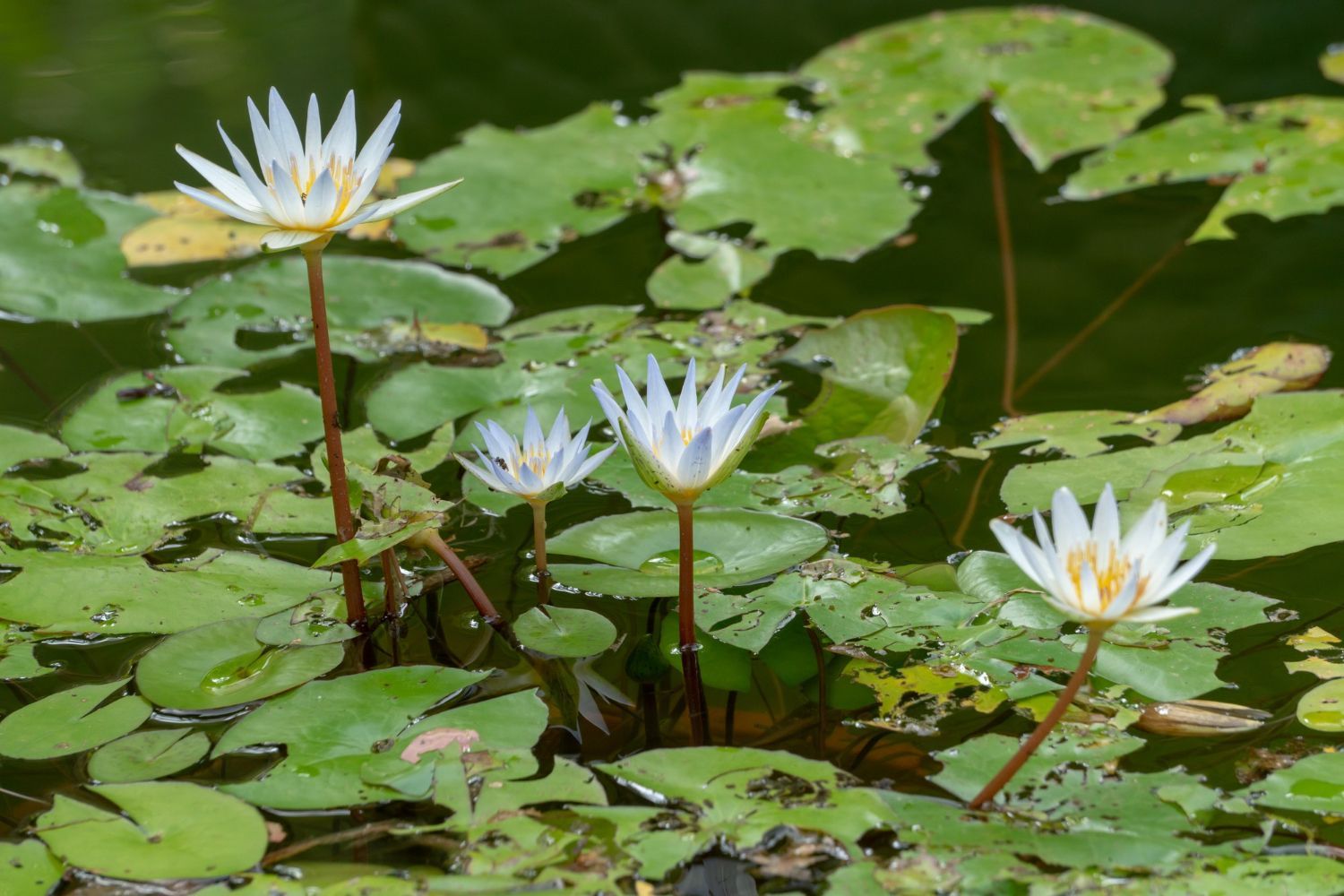
- Plants: Marginal plants and groundcovers around the stream shade the water, take up excess nutrients, and help support insects and birds.
- Fish (in full ponds):
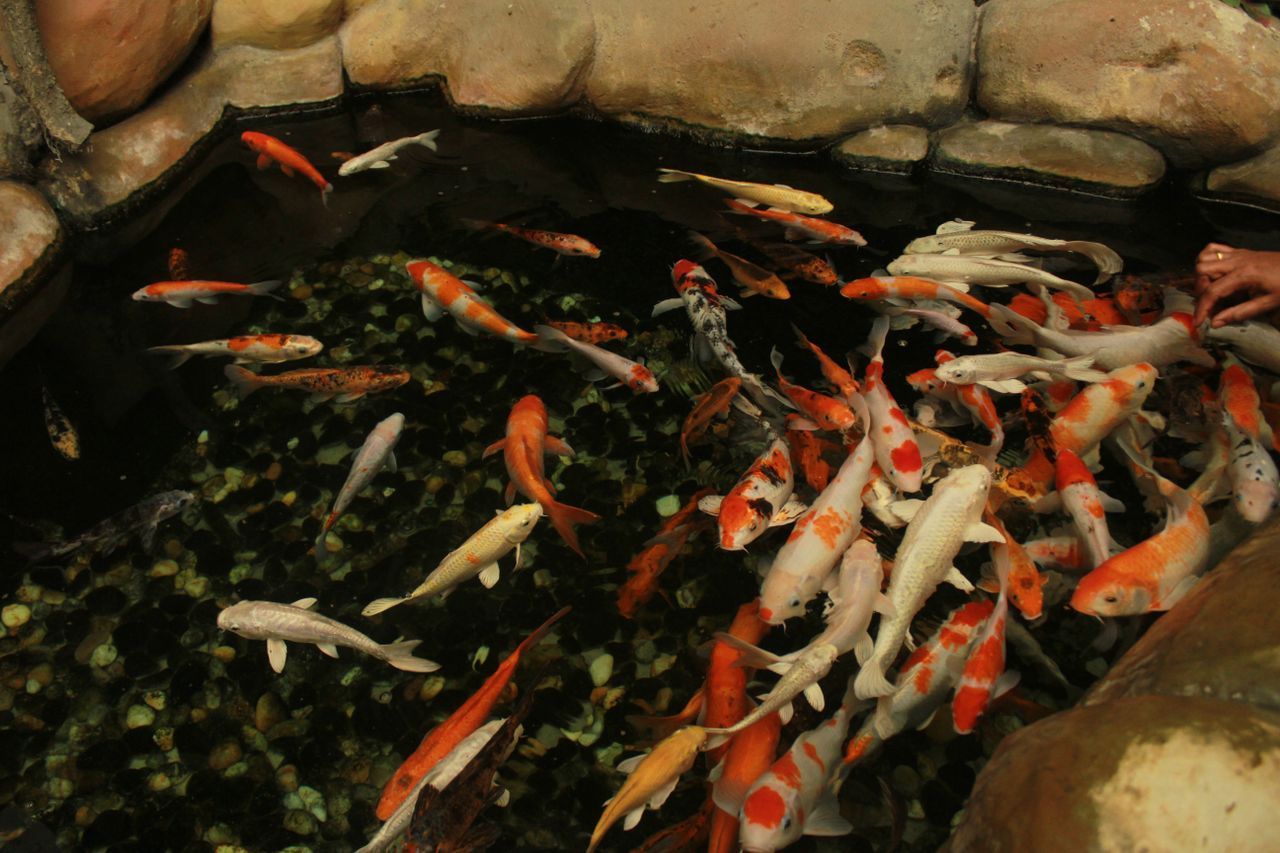
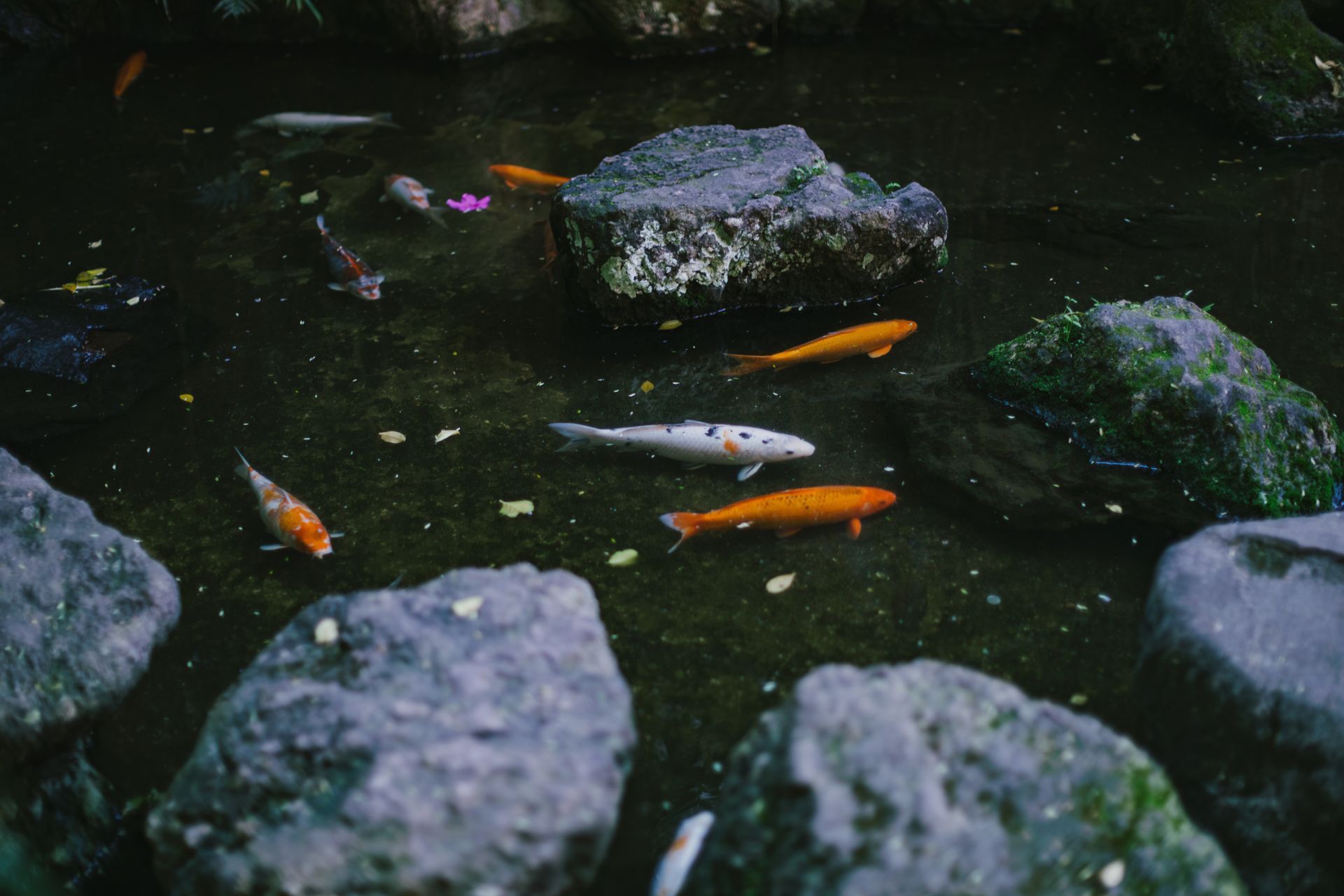
In a koi pond, fish are the living heart of the system. Their waste feeds the bacteria, and in return they rely on clean, well-oxygenated water produced by good filtration and circulation.
- Bacteria:
Beneficial bacteria are the quiet workers. They convert fish waste and decaying leaves into forms plants can use, closing the loop and supporting clear water.
If you already have or are considering a koi pond in addition to your pondless waterfall, these same five elements, filtration, rocks and gravel, plants, fish, and bacteria, work together to build a balanced, sustainable, and beautiful water garden.
Koi Health and Care, If You Also Keep Fish
Many homeowners pair a pondless waterfall with a koi pond or add one later. Because koi are a real investment, it helps to keep a few care basics in mind:
- Keep filtration sized for the full-grown fish, not just the small koi you start with. Healthy biological filtration protects them from harmful spikes in ammonia and nitrite.
- Use the waterfall to your advantage. The drops and cascades oxygenate the water, which supports both koi and beneficial bacteria.
- Avoid overfeeding. Extra food breaks down into excess nutrients that can stress fish and cloud the water.
- Watch your fish during quiet evening sits. Changes in behavior, staying near the surface, clamped fins, or rubbing on rocks can be early signs they need attention.
By tending the ecosystem thoughtfully, you protect both your koi and the long-term health of your backyard sanctuary.
Designing and Using Sound Zones Around Your Waterfall
Think of the area around your pondless waterfall as having three sound zones. Each one works for a different kind of reset.
• Close-up Zone, about 2 to 4 feet away
This is the most immersive spot. The white noise is stronger, so it is great for short breaks when you really want to shut out the outside world.
• Conversation Zone, about 6 to 10 feet away
Here the volume is balanced. You can talk without raising your voice, but the water is still a strong presence. This is a nice everyday zone for a 5- to 10-minute sit.
• Background Zone, roughly 15 to 25+ feet away
The sound blends into the yard. It works well for reading, light work on the patio, or hosting friends, with the waterfall as a calm backdrop.
When we design pondless waterfalls, we shape these zones by adjusting things like:
- Waterfall height and number of drops
- Stream length and curves
- Where the water lands, onto flat stones for a softer tone or into small drops for more energy
If you already have a waterfall, try a quick check. Start close, then walk back in 3 to 5 foot steps. At each spot, pause and ask yourself:
- Is the water too loud, too soft, or just right for how I want to use this space?
- Do I hear more or less street noise at this distance?
- Does the sound feel different in the morning compared to evening?
In a Connecticut neighborhood, this kind of sound awareness also helps keep the feature soothing for you without turning into noise for next-door neighbors.
Best Times of Day for a 5-Minute Listening Retreat
You do not need a long block of time. Short, steady visits are what turn your pondless waterfall into real sound therapy.
Morning, roughly 6:30 to 9:00 a.m. in late spring
The air is cooler and softer, and the light on the water can feel fresh and energizing. Try this simple ritual:
- Bring coffee or tea outside
- Sit in your favorite sound zone
- Take two slow, deep breaths
- Spend 5 minutes just watching how sunlight hits the water and nearby plants
Midday reset, roughly 12:00 to 2:00 p.m.
If you work from home, this can be your screen break. Water sound helps pull your brain out of constant task mode. Step outside, even if you think you do not have time. For 5 minutes, do nothing but:
- Notice reflections on the water surface
- Listen for layers of sound, water plus birds plus distant traffic
- Let your eyes rest on something green instead of a screen
Evening wind down, roughly 7:30 to 9:00 p.m. in late spring
As temperatures settle into the 60s or 70s, pair the sound of water with softer lighting and fading birdsong to prepare for sleep. Try sitting without your phone. Count 10 slow breaths while you:
- Track one ripple or reflection with your eyes
- Picture the day draining away with the flow
- Let your shoulders drop with each exhale
Smart Seating Placement for Comfort and Immersion
Where and how you sit changes how the sound feels. For most people, the sweet spots are:
- About 3 to 5 feet away for a quick, intense sound bath
- About 6 to 10 feet away for daily use and longer sits
Height and angle make a difference too. Slightly lower seating, like a stone bench or Adirondack chair, lets you look slightly up at the waterfall and surrounding plants. This can relax your neck and shoulders compared to staring down at a phone. Sitting at a side angle, instead of straight on, often makes the stream look deeper and more alive, especially where the water disappears into the gravel basin.
Seat materials can support the “always belonged” feeling:
- Natural stone seating ties in with the rockwork and tends to stay cooler in summer sun
- Wood or composite chairs are easy to move between the close-up and conversation zones as the season or your mood shifts
If you are not sure where your perfect listening spot is, grab a portable chair one evening. Move it in 2 foot steps, closer and farther, and notice at each stop:
- How loud is the water?
- How comfortable is the view on your neck and eyes?
- Can you see both water and plants without turning your head too much?
Tuning the Volume and Building a Lasting Ritual
The ideal waterfall volume is personal, but a good starting point is this: it should gently cover road noise or neighbor sounds, while still allowing normal conversation at 6 to 10 feet. Three things shape that balance:
- Flow rate:
more gallons per hour gives stronger white noise, less flow softens the sound and lets you hear birds and wind more clearly
- Distance: every few feet you move changes the sound mix
- Background noise:
nearby streets, AC units, and kids playing all matter
A professional can tune pondless waterfalls by adjusting pump speed, redirecting water over different stones, or adding a small secondary cascade for a layered sound profile. As seasons shift, leaves and pollen can change how the water moves and sounds. Regular cleaning and healthy biological filtration help keep the system clear so the sound stays clean and consistent.
To turn your waterfall into a true backyard sanctuary, start small. Try just 5 minutes a day for one week, at the same time each day, morning or evening. Pair your sit with one simple anchor, like a favorite mug, a light blanket on cooler evenings, or a small journal on your lap. Over time, your body starts to learn, “this is my calm space.”
At PD Waterscapes, we design pondless waterfalls, koi ponds, and naturalistic water features to feel like they always belonged in your yard, as part of a thriving ecosystem. When stone, plants, water, fish, and beneficial bacteria are all working together, your backyard in West Hartford or a nearby town can become the place you go, every single day, for a few minutes of sound therapy that feels designed by nature.
Transform Your Outdoor Space With a Custom Waterfall Feature
If you are ready to bring the sound of moving water to your yard without the upkeep of a traditional pond, our custom
pondless waterfalls are a great fit. At PD Waterscapes, we design and build features tailored to your landscape, lifestyle, and budget. Tell us what you envision and we will guide you through every step, from concept to completion. Get started today by reaching out through our
contact page so we can discuss your project.