A Biofalls filter is one of the quiet heroes of a healthy koi pond. It is the hidden headwater that sends water flowing back into the pond, helps clean it along the way through biological filtration, and helps the whole ecosystem stay clear and alive. When it is designed well, you hear the sound of water, you see a natural stream starting in the rocks, and you never notice the equipment doing the work behind the scenes.
At PD Waterscapes, we focus on making every waterfall feel like it has always belonged in your Connecticut yard. We design Biofalls so they look natural, support koi health, and turn a corner of your property into a true backyard sanctuary. Each feature is shaped to feel as if it were designed by nature, then gently refined by hand. Here, we will talk about what a Biofalls is, how it is different from a simple waterfall, how we hide the hardware, and how it all ties into a living, breathing, thriving ecosystem you can enjoy every day.
What Makes a Biofalls Different From a Regular Waterfall
A regular waterfall can be just a spillway where water pours over a lip for looks. A Biofalls is much more than that. It is a biological waterfall filter, a box that holds filter media, rocks, and beneficial bacteria that treat the water before it flows back into the pond or stream. In other words, it is a compact hub of biological filtration hidden at the top of your feature.
Here is how a Biofalls works in simple terms:
- Water is pulled from the pond into a skimmer, then pumped up to the Biofalls.
- The water fills the Biofalls chamber and passes through filter mats, media, and rock.
- Beneficial bacteria living on these surfaces clean the water by breaking down waste.
- Cleaned water spills out as a waterfall, adding oxygen and movement back into the pond.
Because the Biofalls is moving and treating water all day, it supports fish health and plant growth while cutting down on the need for harsh chemicals. When the Biofalls is correctly sized for the pond and placed in the right spot, you get better clarity, more stable water, and less work keeping everything in balance.
Making a New Waterfall Look Like It Always Belonged
A big part of our work is making a new Biofalls look like nature put it there, not a machine. This is what we call the "always belonged" aesthetic: a waterfall that seems to have been part of your landscape for decades.
That starts with the land itself. We look at:
- The existing slope and natural low spots
- The type of soil and how it drains
- Trees, shrubs, and garden beds already on the property
We let these details guide where the waterfall should start and how the stream should twist and turn. Then comes stone selection and placement. We mix boulders of different sizes, not just one size lined up in straight rows. A natural stream has big anchor rocks, mid-size support stones, and small filler rock. We bury a good part of each stone so it looks like time, not a shovel, put it there.
Planting is what finishes the illusion and strengthens the sense that the pond was designed by nature. Around the Biofalls, we like to:
- Layer heights, with taller shrubs in back and lower plants near the water
- Tuck in mosses, ferns, and creeping groundcovers between rocks
- Use native or well-adapted species that handle local weather
Over time, roots weave through the rocks, small plants spill over edges, and the Biofalls box visually disappears. All you see is a natural headwater feeding your pond, a feature that looks and feels as if it has always belonged in your backyard sanctuary.
Hiding the Hardware While Building a Better View
The Biofalls box itself is not something you want to stare at from your patio. The goal is to bury and blend it so you only notice the moving water and stone. We usually set the Biofalls into a slope or build up a small berm to sink it into the grade. Then we wrap it with large rocks and gravel to hide the sides.
On top, we might use:
- A broad, flat boulder that looks like bedrock at the top of a stream
- A piece of driftwood or weathered log for a more wooded feel
- A mix of smaller stones and planting pockets around the spillway
Sightlines are a big part of the design. We stand where you will sit: on your deck, at the kitchen window, on the patio. Then we angle the spillway so:
- The waterfall is framed by plants and stone, not pipes or liner edges
- Reflections dance on the pond surface where you can see them
- The best rock faces catch late-day light
We still plan for maintenance. That can mean hidden paths behind shrubs, stepping stones tucked into groundcover, and a few key rocks that can be lifted if the Biofalls needs service. You get a clean, natural look without giving up access.
The Five Elements of a Thriving Pond Ecosystem
For a koi pond to stay clear and healthy with less work, five elements need to work together: filtration, rocks and gravel, plants, fish, and bacteria. When these pieces are in balance, your pond becomes a thriving ecosystem that largely maintains itself.
1. Filtration
The Biofalls and a properly sized skimmer act like the lungs of the system. The skimmer pulls in surface debris, like leaves and pollen, before they sink. The Biofalls then:
- Traps fine particles in filter media
- Provides a home for beneficial bacteria
- Adds oxygen as water spills back into the pond
This combination of mechanical screening and biological filtration keeps the water clear and supports koi health.
2. Rocks and Gravel
A thin layer of gravel and carefully placed rocks on the pond bottom do more than look nice. They:
- Create more surface area for bacteria
- Protect the liner from sun and sharp objects
- Give the pond the look of a natural streambed
Rocks and gravel are part of what makes the feature feel like it was designed by nature while quietly supporting water quality.
3. Plants
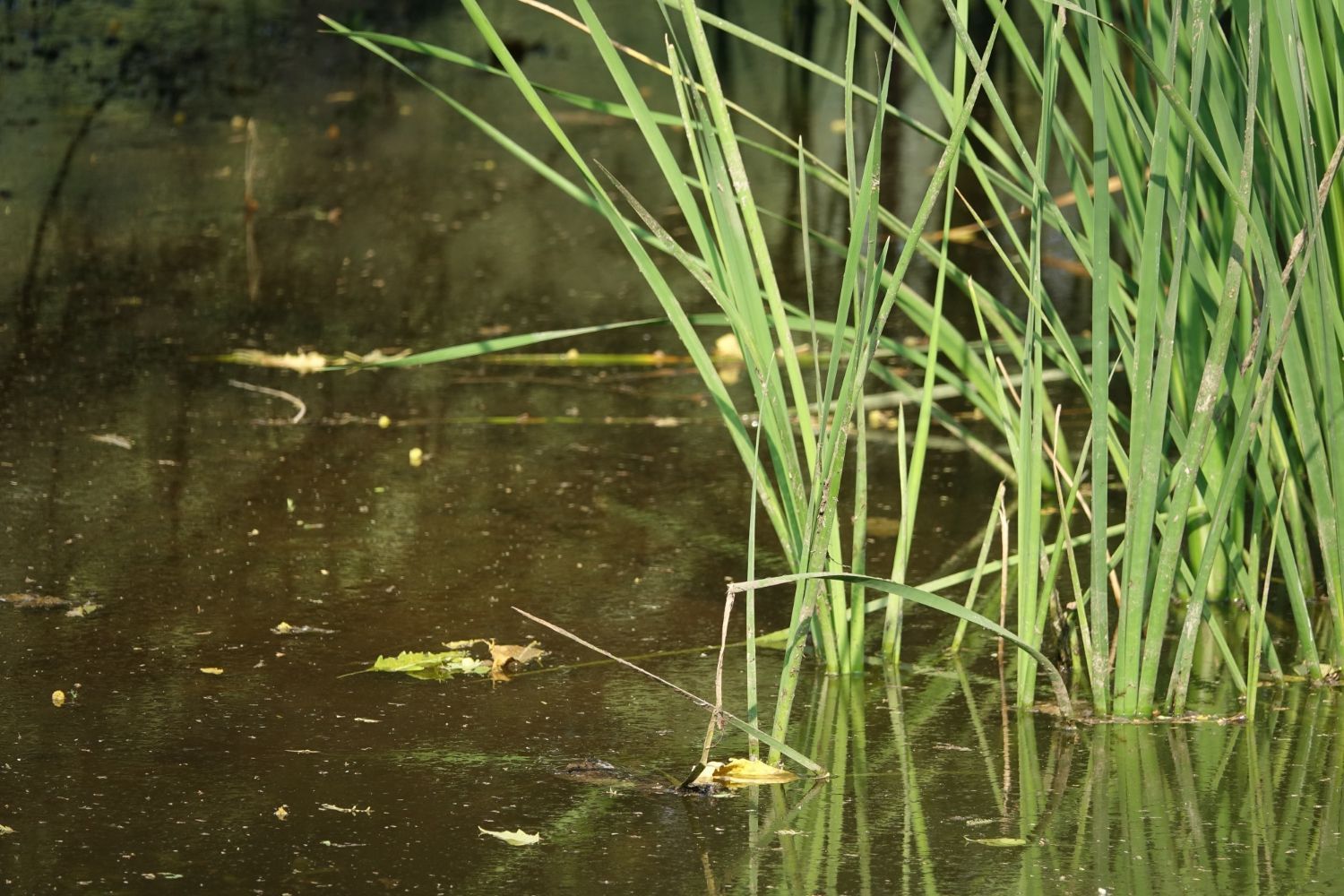
Aquatic plants are the pond’s natural filters. They:
- Absorb nutrients from the water, which helps limit algae
- Offer shade and shelter for koi
- Soften rock edges so the pond blends into the landscape
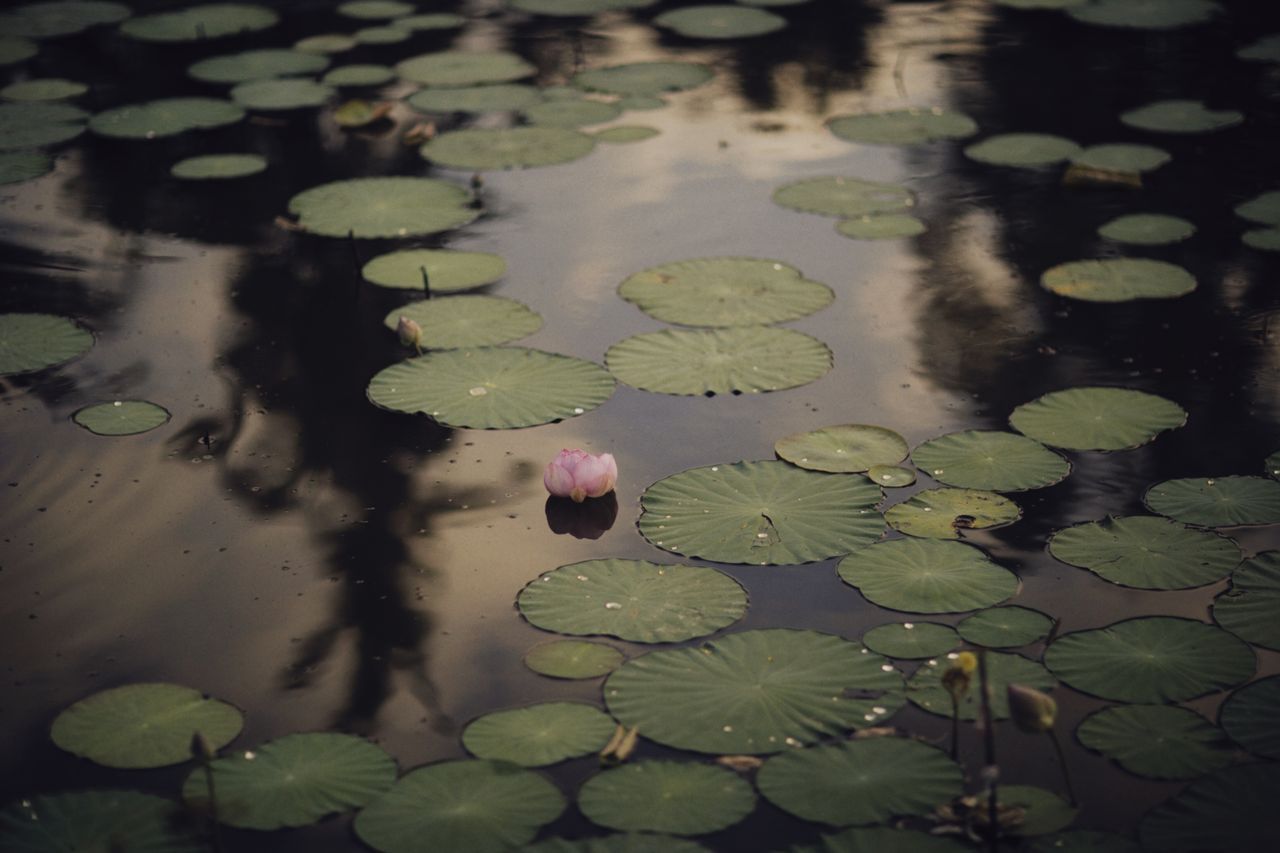
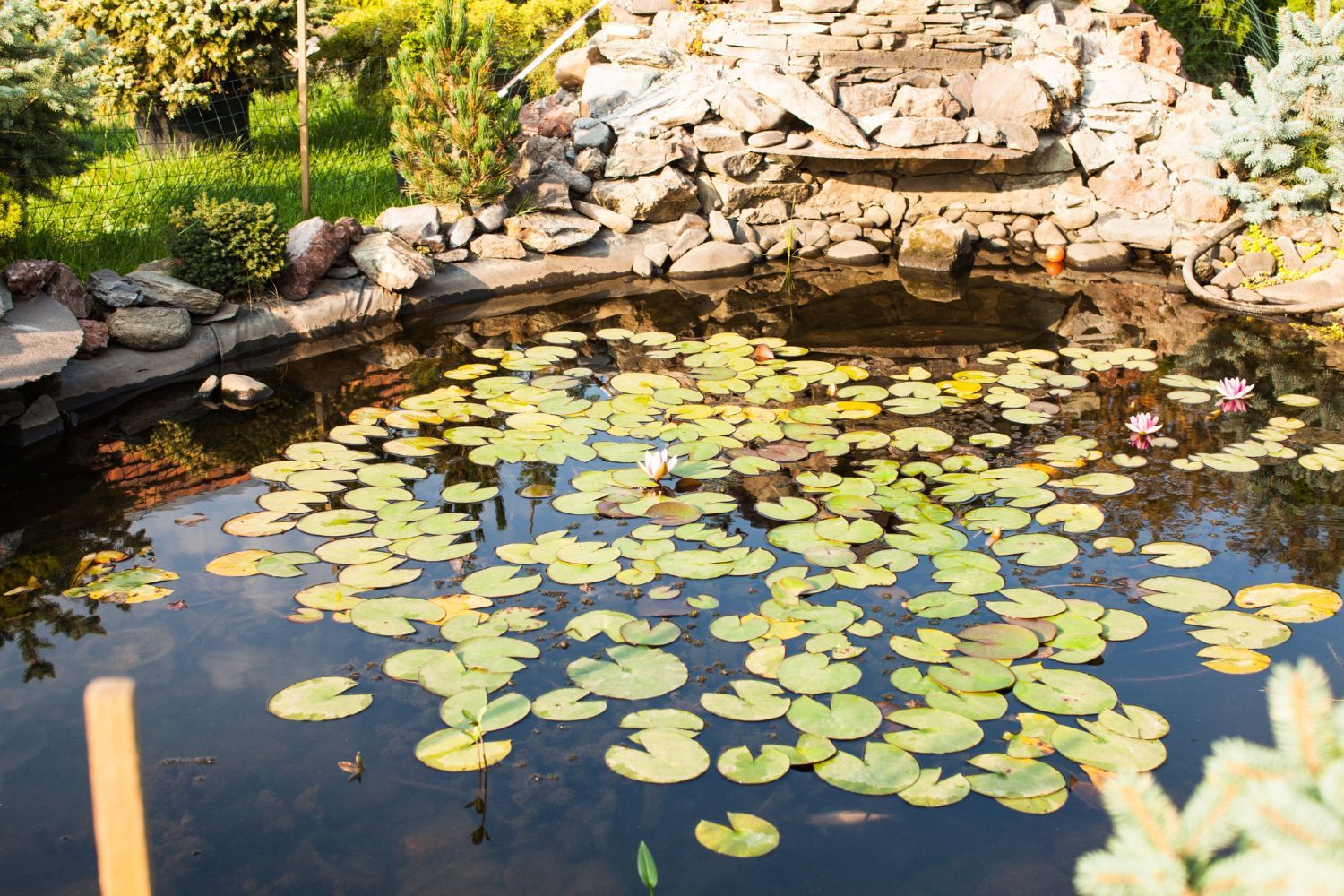
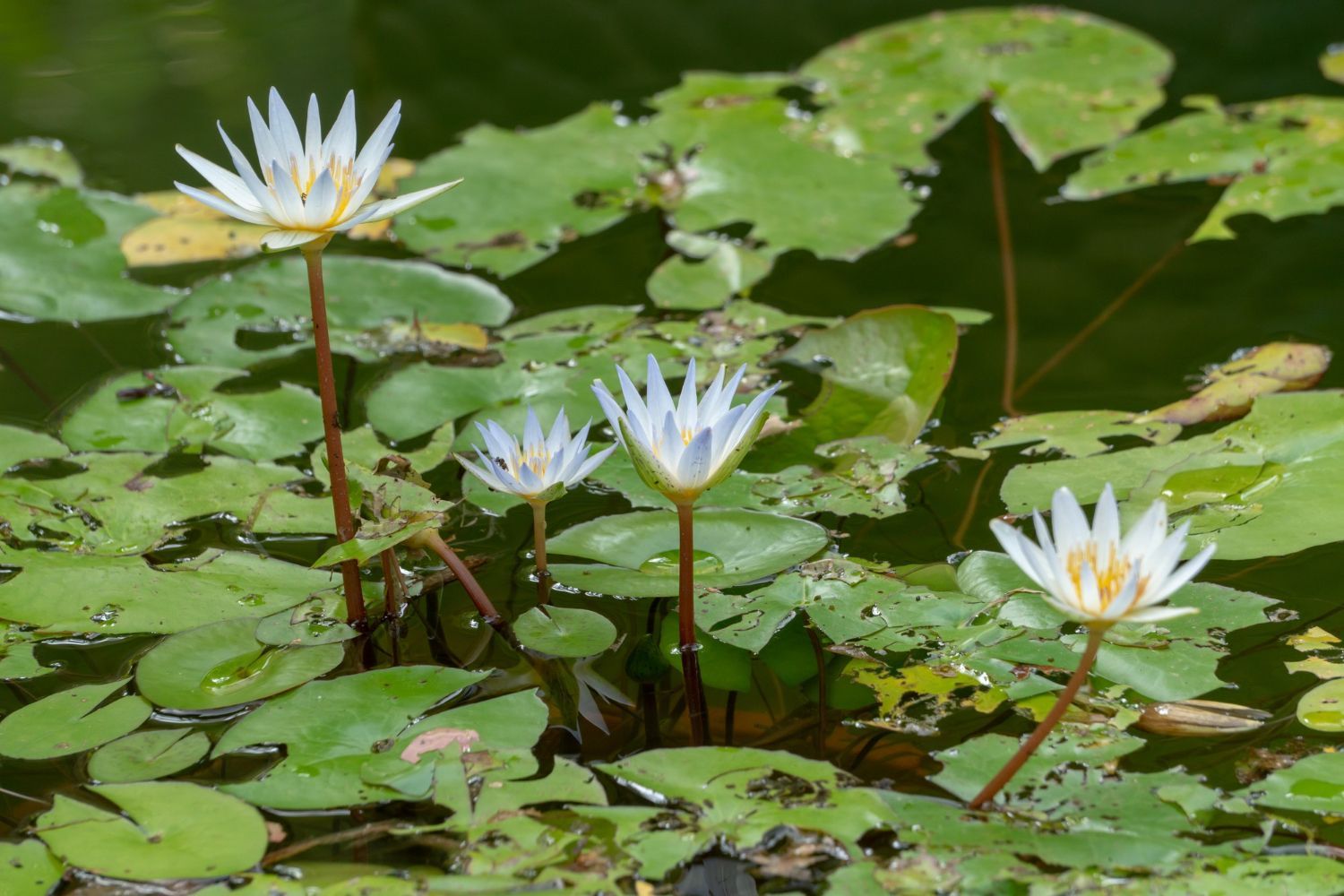
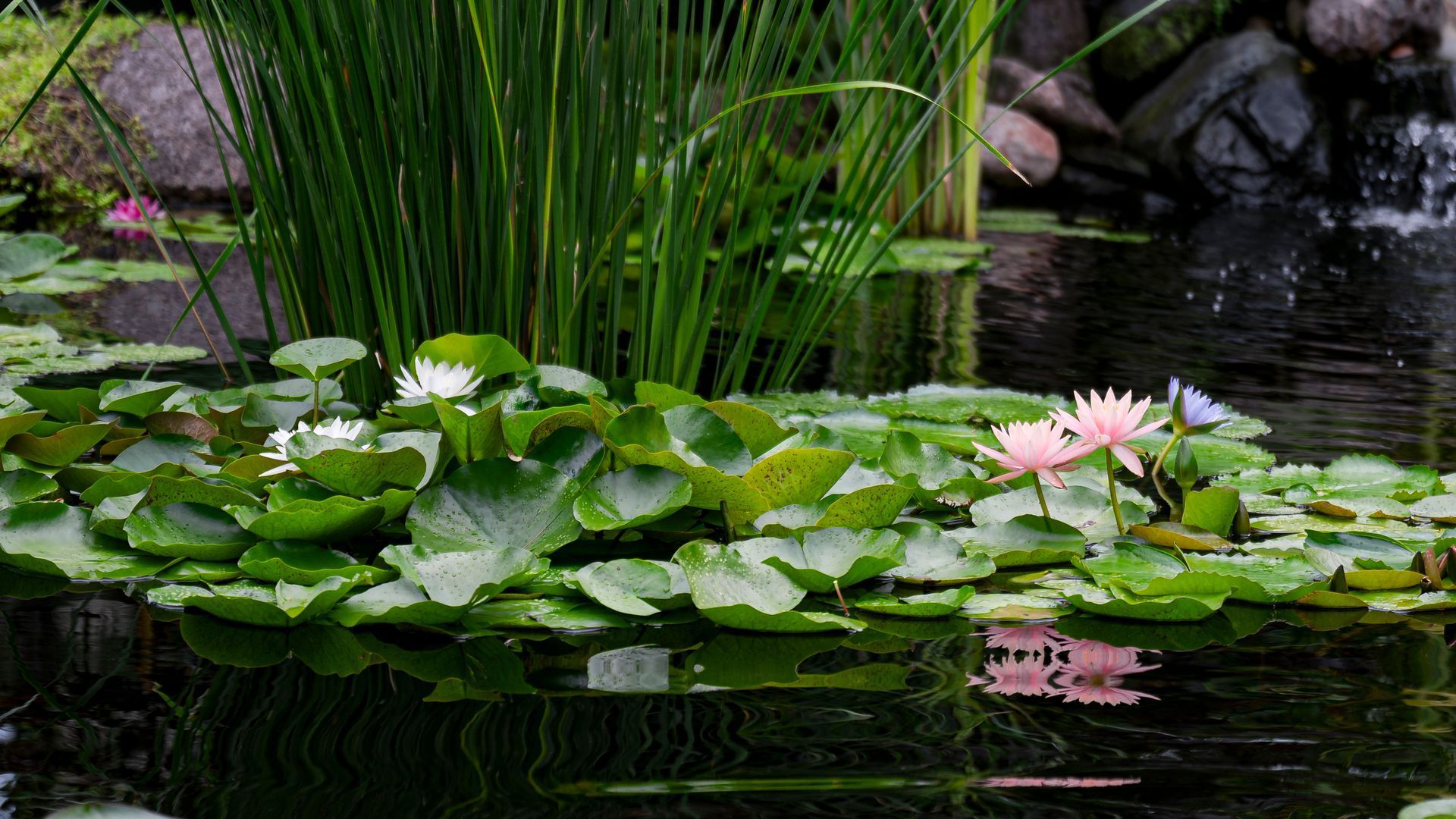
From marginal plants at the water’s edge to lilies that spread leaves across the surface, the right mix helps complete the "always belonged" aesthetic.
4. Fish
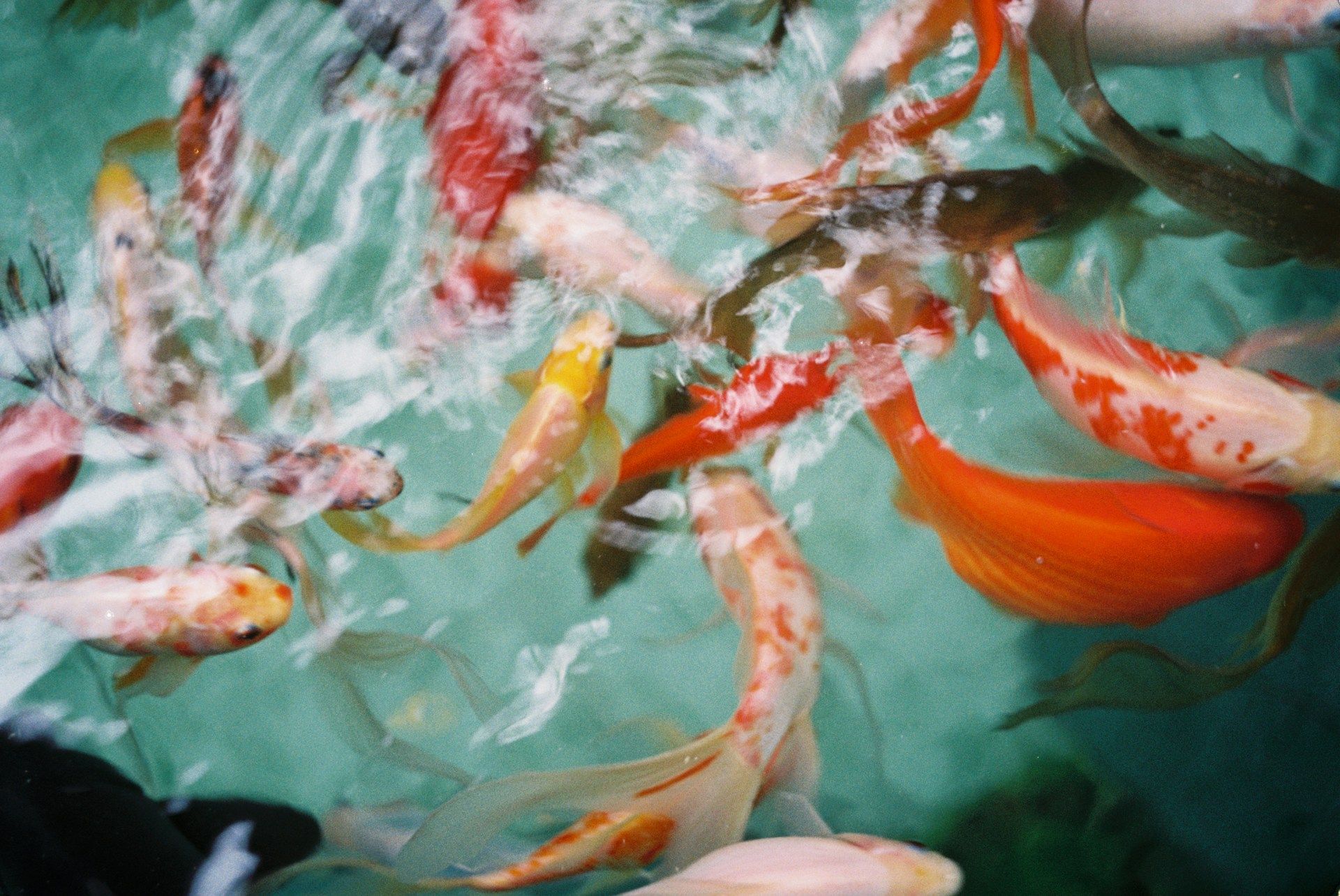
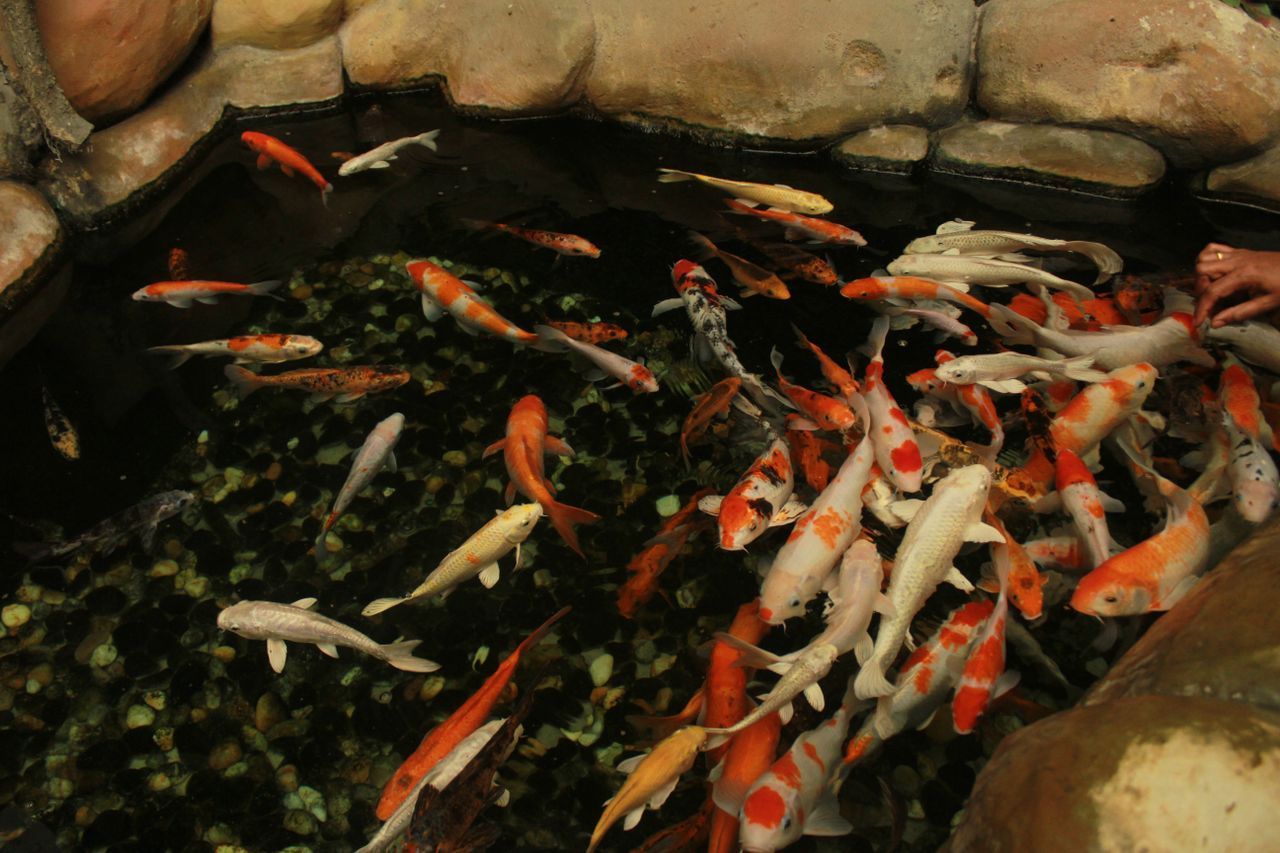
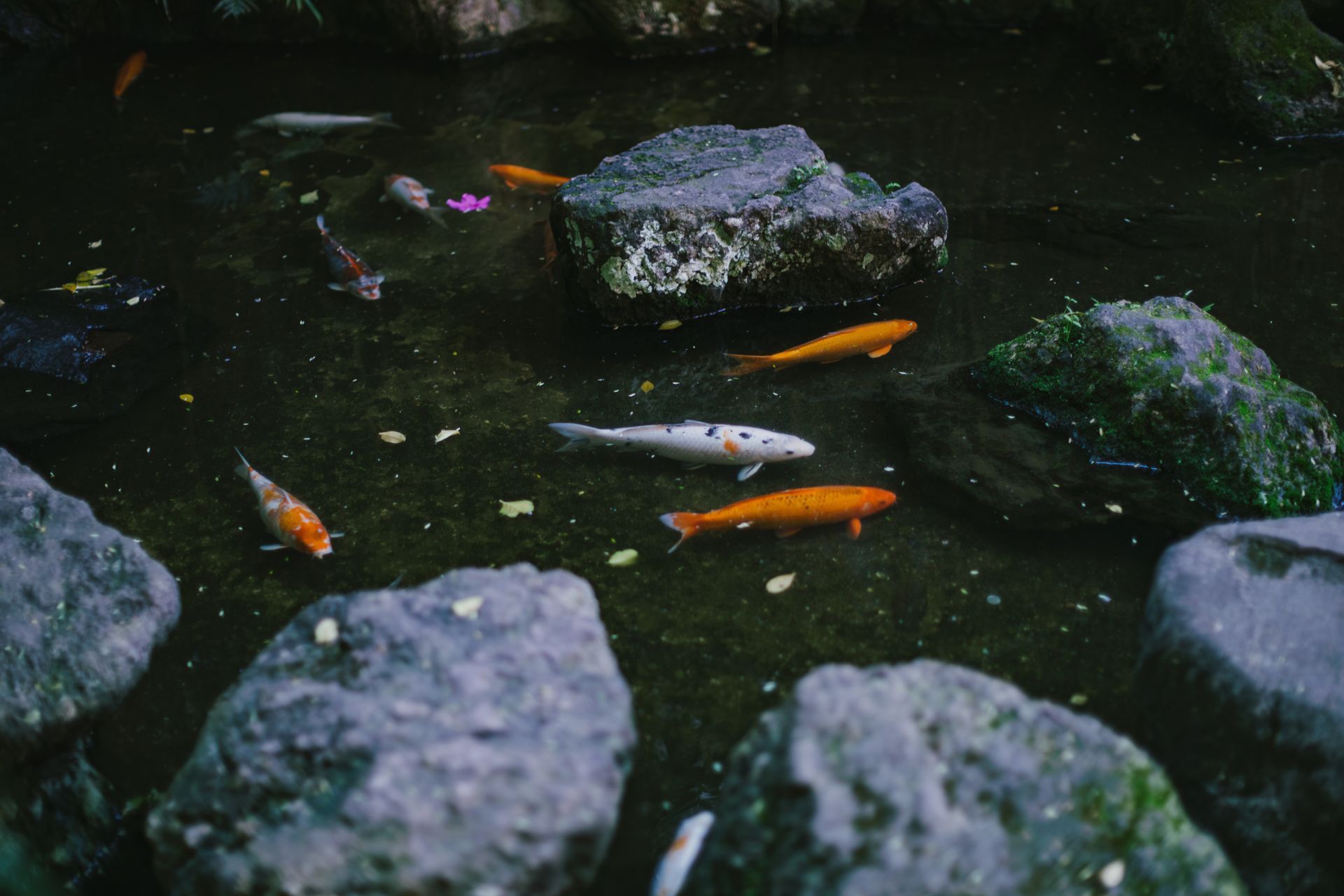
Koi add color, movement, and personality, turning a water feature into a living backyard sanctuary. They:
- Gently stir the water as they swim
- Help graze on some types of algae
- Produce waste that, in a balanced system, becomes food for beneficial bacteria and plants
Because koi are often the biggest investment in the pond, protecting their health is central to every design decision.
5. Bacteria
Invisible bacterial colonies live on every wet surface, especially in the Biofalls and on rocks and gravel. These beneficial bacteria:
- Break down fish waste and decaying leaves
- Convert harmful compounds into forms plants can use
- Tie the whole system together into a self-balancing cycle
Together, these five elements create a resilient, thriving ecosystem that looks natural and stays more stable season after season.
Koi Health and the Sensory Retreat Around Your Waterfall
Koi health really does start at the Biofalls. Moving water increases dissolved oxygen, which supports koi breathing, digestion, and immune function, especially when pond water warms up in summer. A strong, steady flow over the Biofalls is one of the best signs that the pond is getting enough oxygen.
We encourage homeowners to:
- Keep an eye on flow rate, and note if the waterfall looks weaker than usual
- Empty skimmer baskets so the pump does not have to strain
- Plan seasonal checkups so pumps, plumbing, and filters stay in good shape
Stocking and feeding also matter. Too many koi for the pond size or heavy feeding can overload the system. A good rule is to stay on the lighter side with fish numbers, feed what they eat in a few minutes, and skip feeding when water is cold and fish are sluggish. If you notice changes in water clarity or the look of the Biofalls outflow, it is a signal to check the system before stress builds for the fish.
Beyond the technical side, a Biofalls is about how your yard feels. Sound is a big part of that. By changing the height of the drop, the shapes of the spill rocks, and the distance between cascades, we can create:
- A soft trickle for a quiet corner near a bedroom
- A richer, layered sound to mask street noise
- A mix of small falls and gentle runs for a more natural stream feel
The waterfall’s motion continually oxygenates the pond and supports biological filtration, but it also creates a sensory retreat. Visually, a well-placed Biofalls becomes the heart of the pond scene. The waterfall pulls your eye, then the reflections on the pond surface keep you looking.
Late-afternoon light on moving water, cool mist on a hot day, fall color mirrored in the pond, even a soft trickle beside snow all add up to a space that feels calm and alive. With a Biofalls that disappears into the landscape, your filter does not just clean the water; it helps turn your yard into a backyard sanctuary you want to be in every season of the year, a place that feels as though it was always meant to be there, quietly sustaining a thriving ecosystem just outside your door.
Get Started With Your Project Today
Bring the sound of moving water and the beauty of nature into your yard with our custom
Biofalls designs. At PD Waterscapes, we listen carefully to your ideas and tailor every feature to fit your space, lifestyle, and budget. If you are ready to explore options or have questions about what will work best for your property, reach out and
contact us. Let us help you plan a relaxing, low-maintenance water feature you will enjoy for years.