Choosing Filtration That Matches Your Pond Dream
A clear, living koi pond never happens by accident. When the water is still enough to reflect the trees, the koi are bright and active, and a gentle waterfall keeps the whole pond breathing, there is always a smart filtration plan working in the background.
For Connecticut homeowners, that usually means choosing between a wetland filter, a Biofalls filter, mechanical filtration, or a blend of all three. Each option shapes how your pond looks, how healthy your koi stay, and how much time you spend on care.
Our goal at PD Waterscapes is to create ponds that feel designed by nature, not like equipment sitting in the yard. To do that, we match the filtration style to your site, your fish load, and your maintenance style so your backyard sanctuary feels effortless once it is running.
The Five Elements of a Thriving Koi Pond Ecosystem
A good koi pond in Connecticut works like a small, thriving ecosystem designed by nature. When everything is balanced, the pond almost seems to clean itself. We look at five key elements of a healthy koi pond:
- Filtration, both biological filtration and mechanical filtration
- Rocks and Gravel
- Aquatic Plants
- Fish
- Bacteria
Biological filtration gives beneficial bacteria a home so they can convert fish waste and broken-down debris into safer forms. Mechanical filtration catches leaves and particles before they can break down and cloud the water. Together, they keep ammonia and nitrite from building up to levels that stress koi and threaten your investment in the fish themselves.
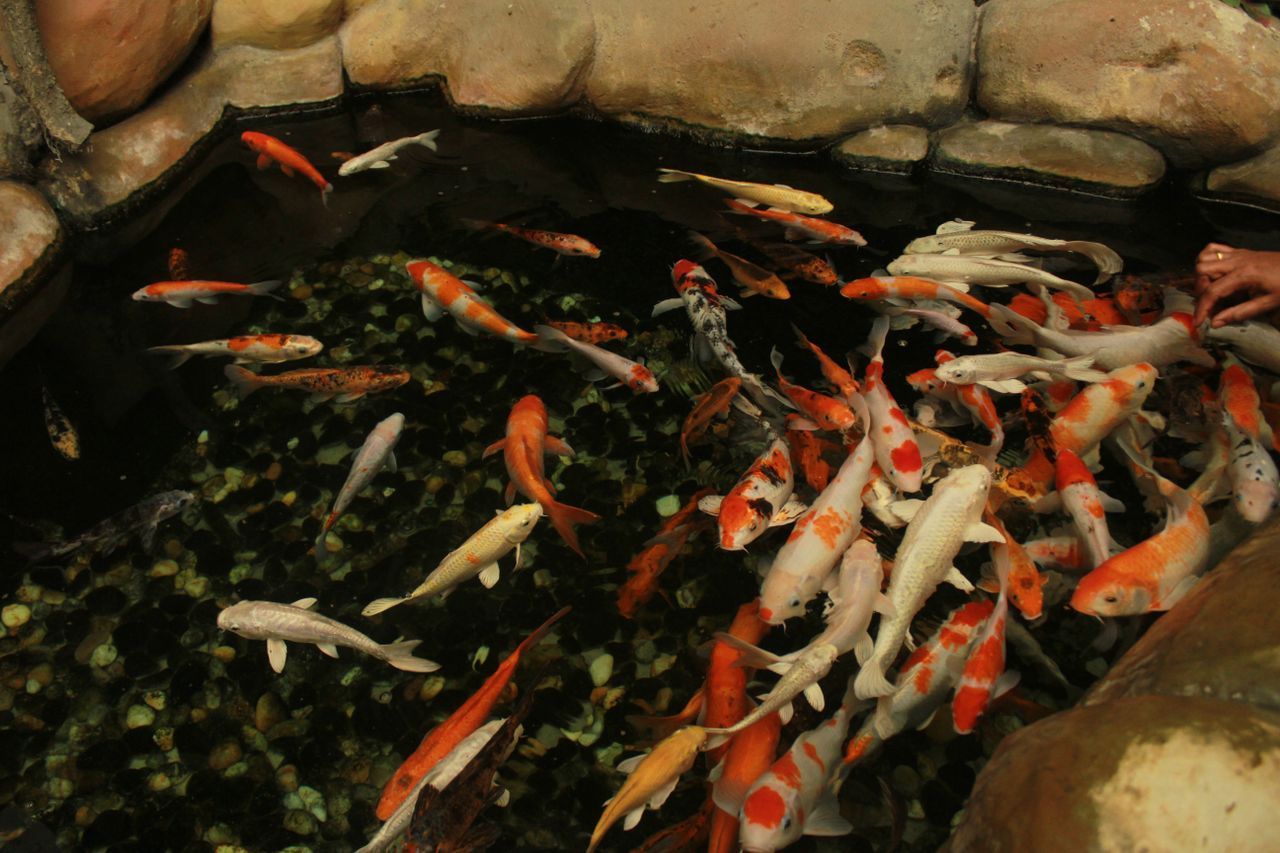
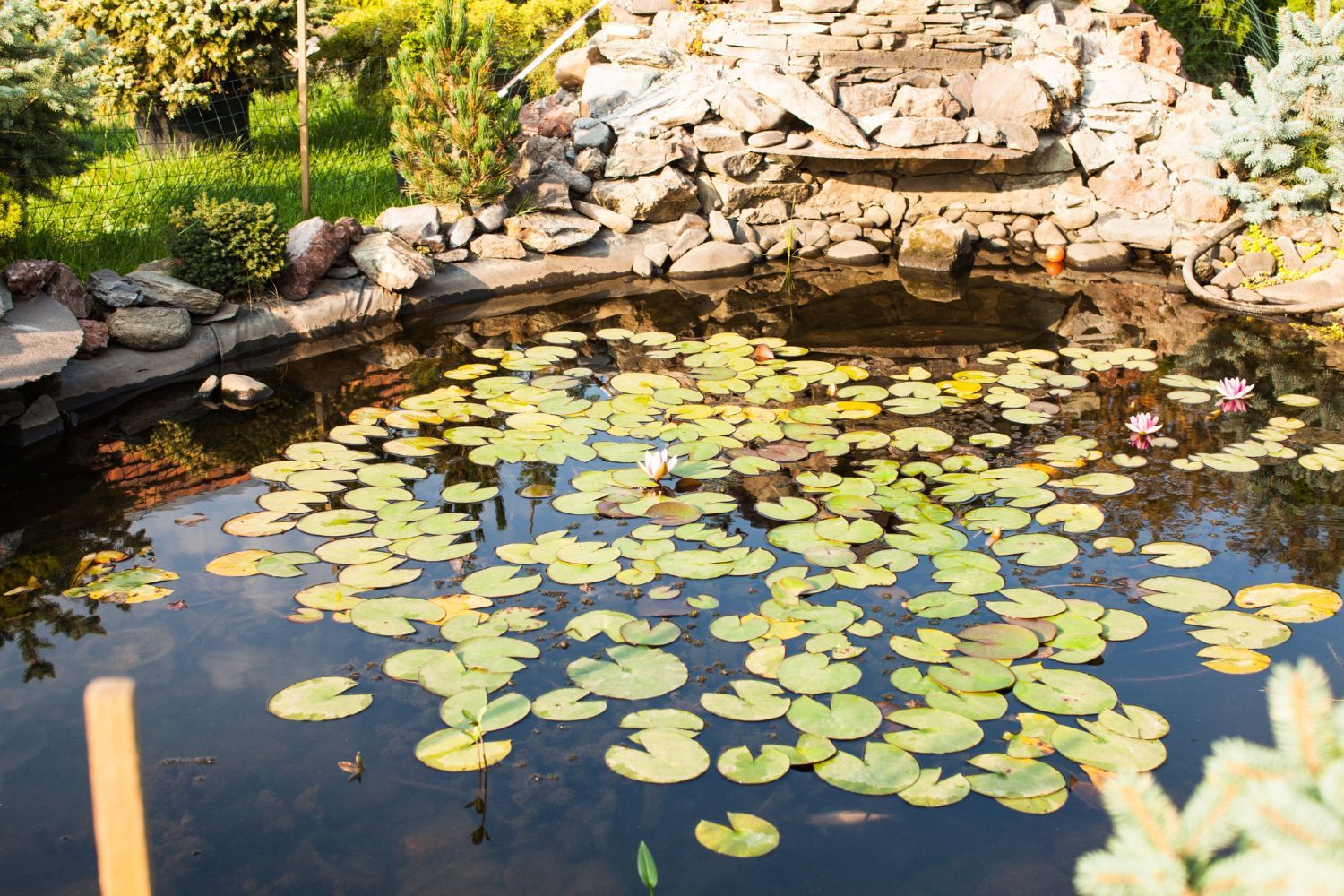
Rocks and gravel are not just for looks. They add a lot of surface area for beneficial bacteria and help the pond look like it has always belonged on the property. Careful stone placement, with larger boulders tucked into the banks and smaller gravel blending into the pond bottom, creates that “Always Belonged” aesthetic, as if the pond has been there for decades, not just a season.
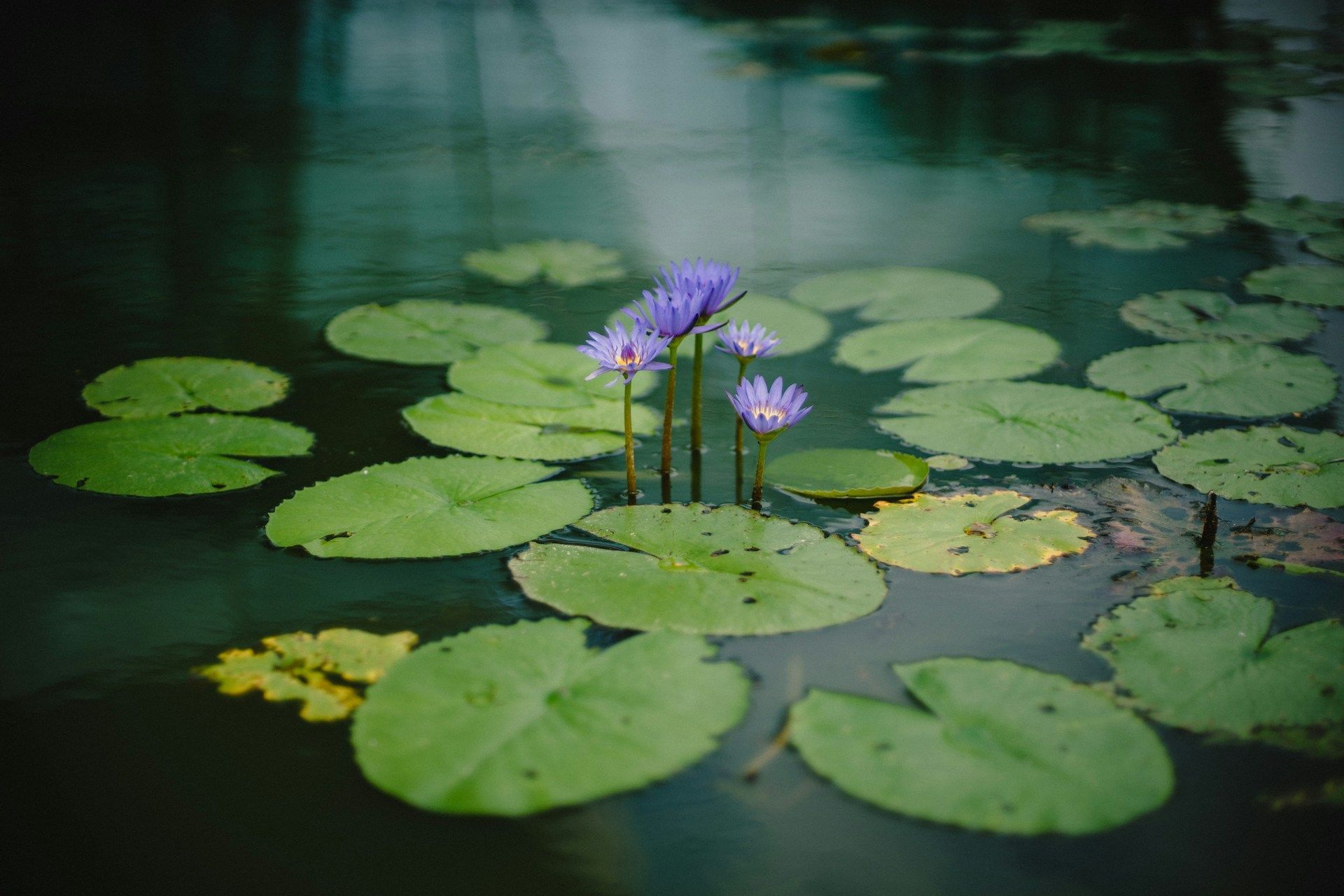
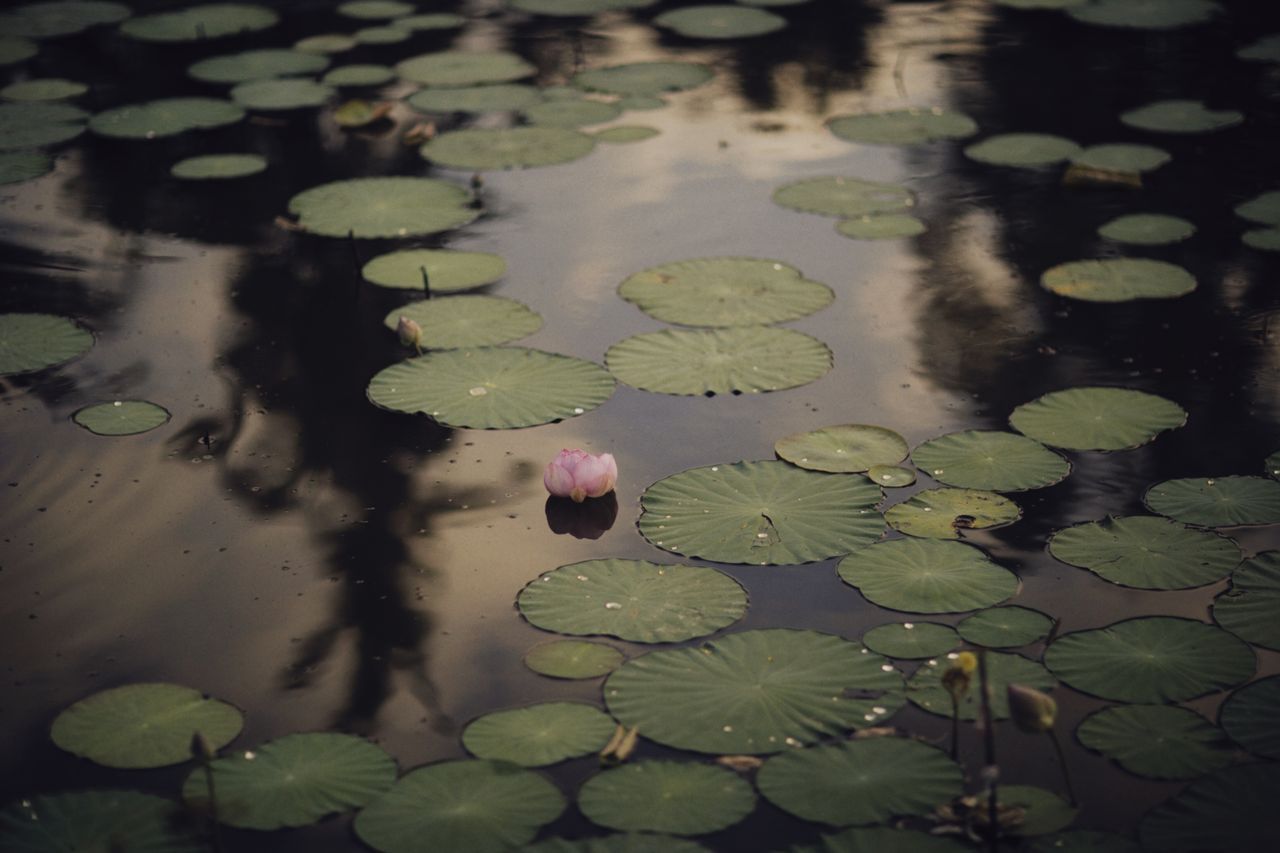
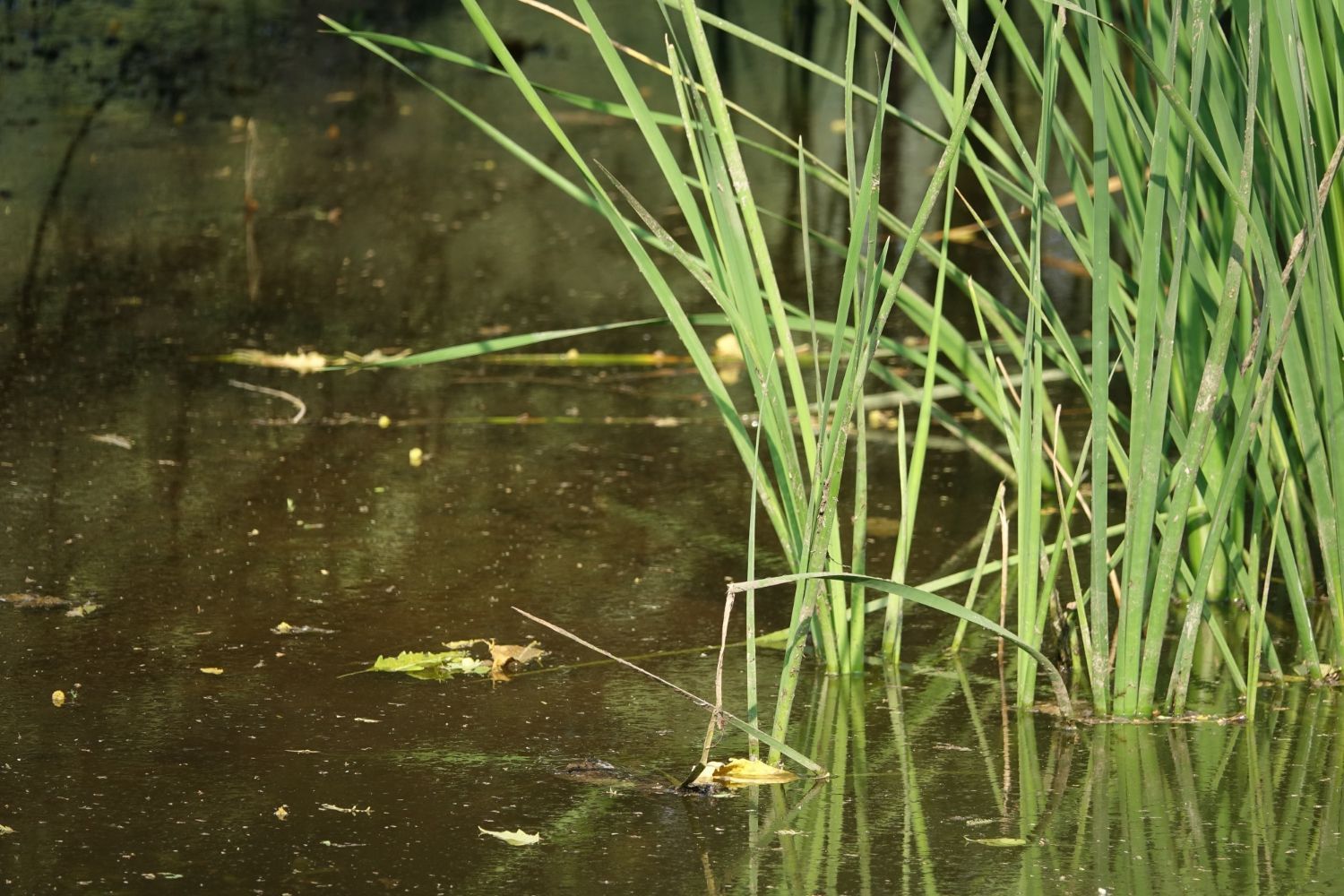
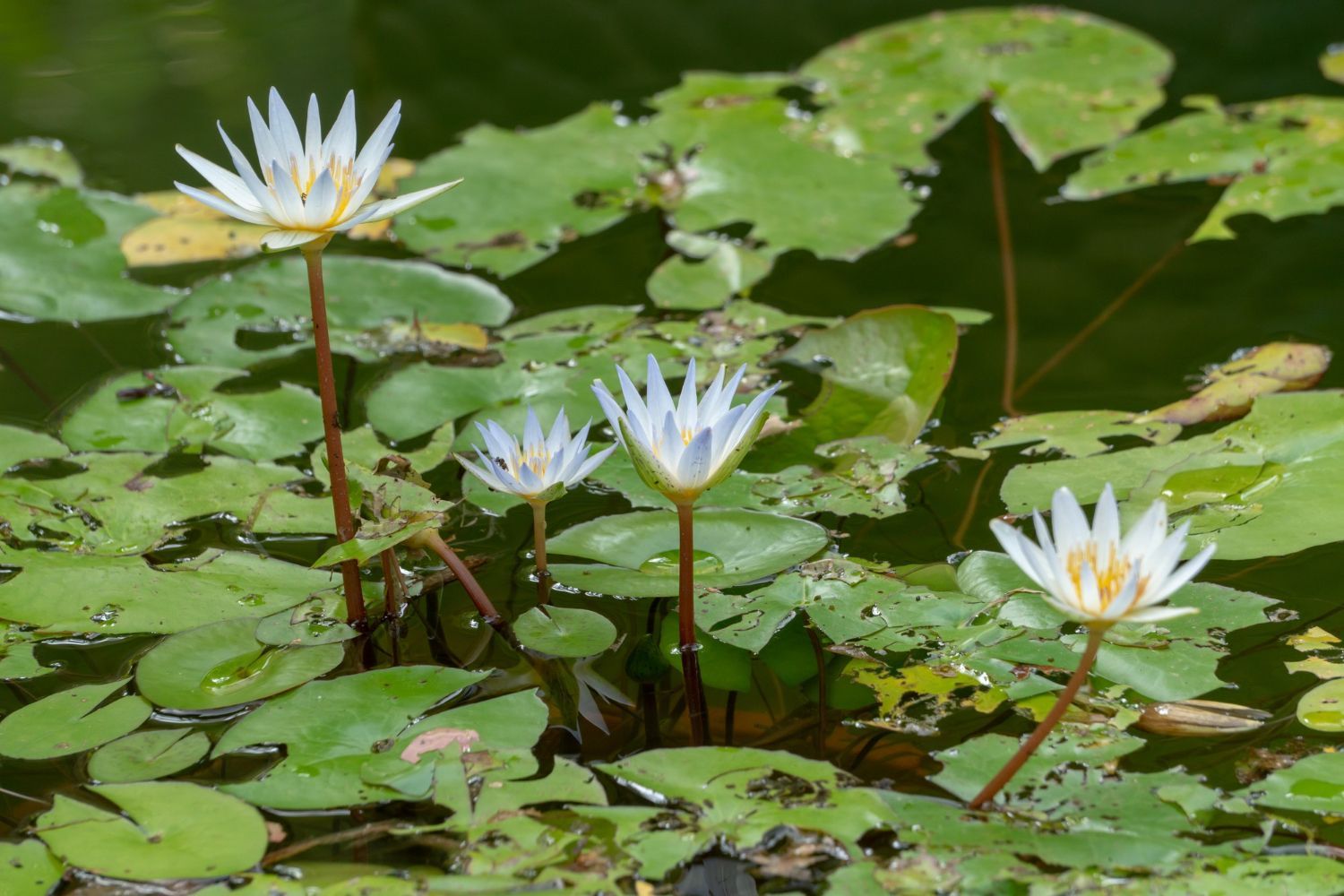
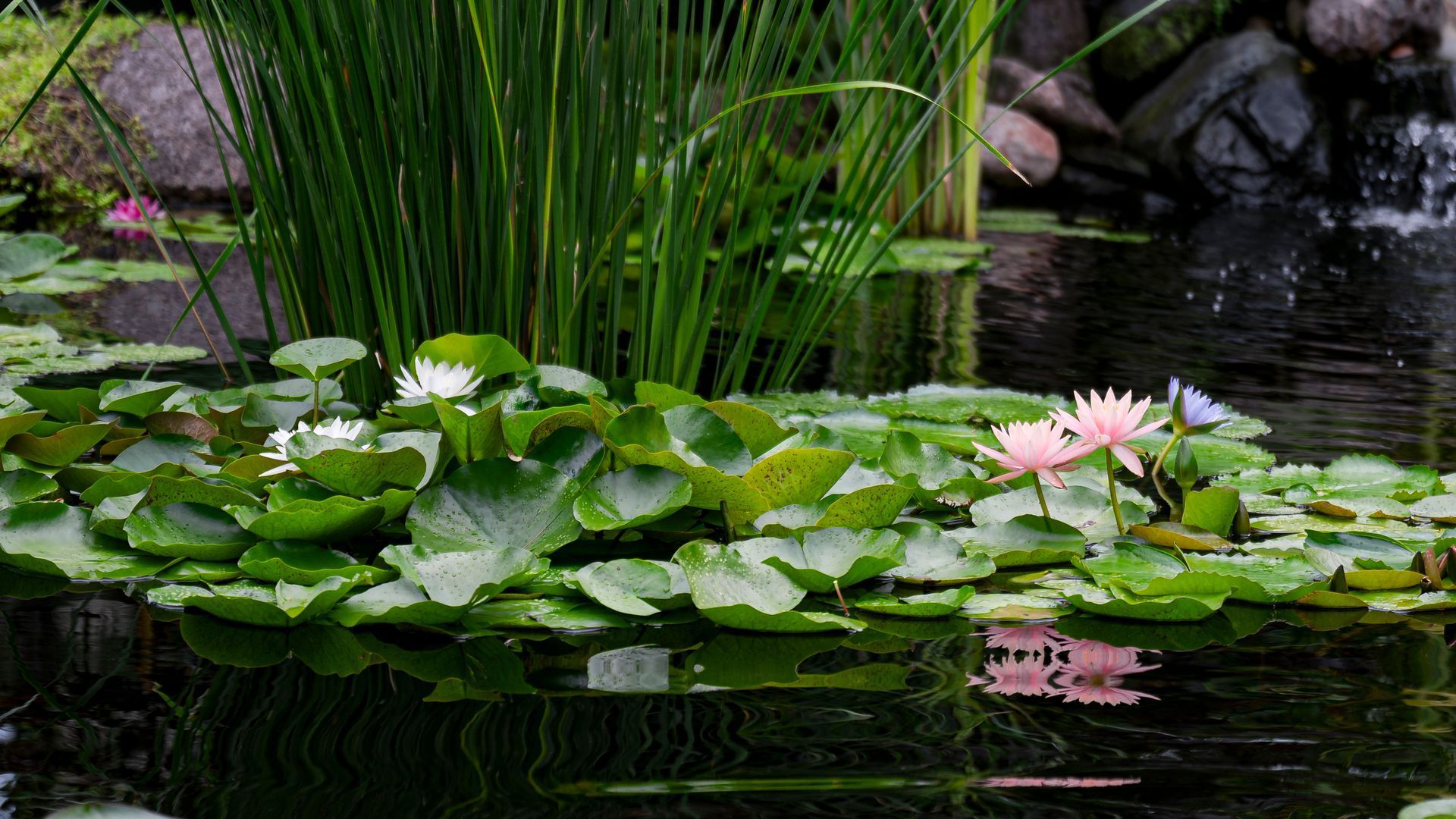
Aquatic plants such as lilies and rushes soak up extra nutrients, shade the water, and soften the edges of stone. The mix of heights and textures around the shoreline blurs the line between pond and garden so the feature feels like a natural spring rather than a man-made basin.
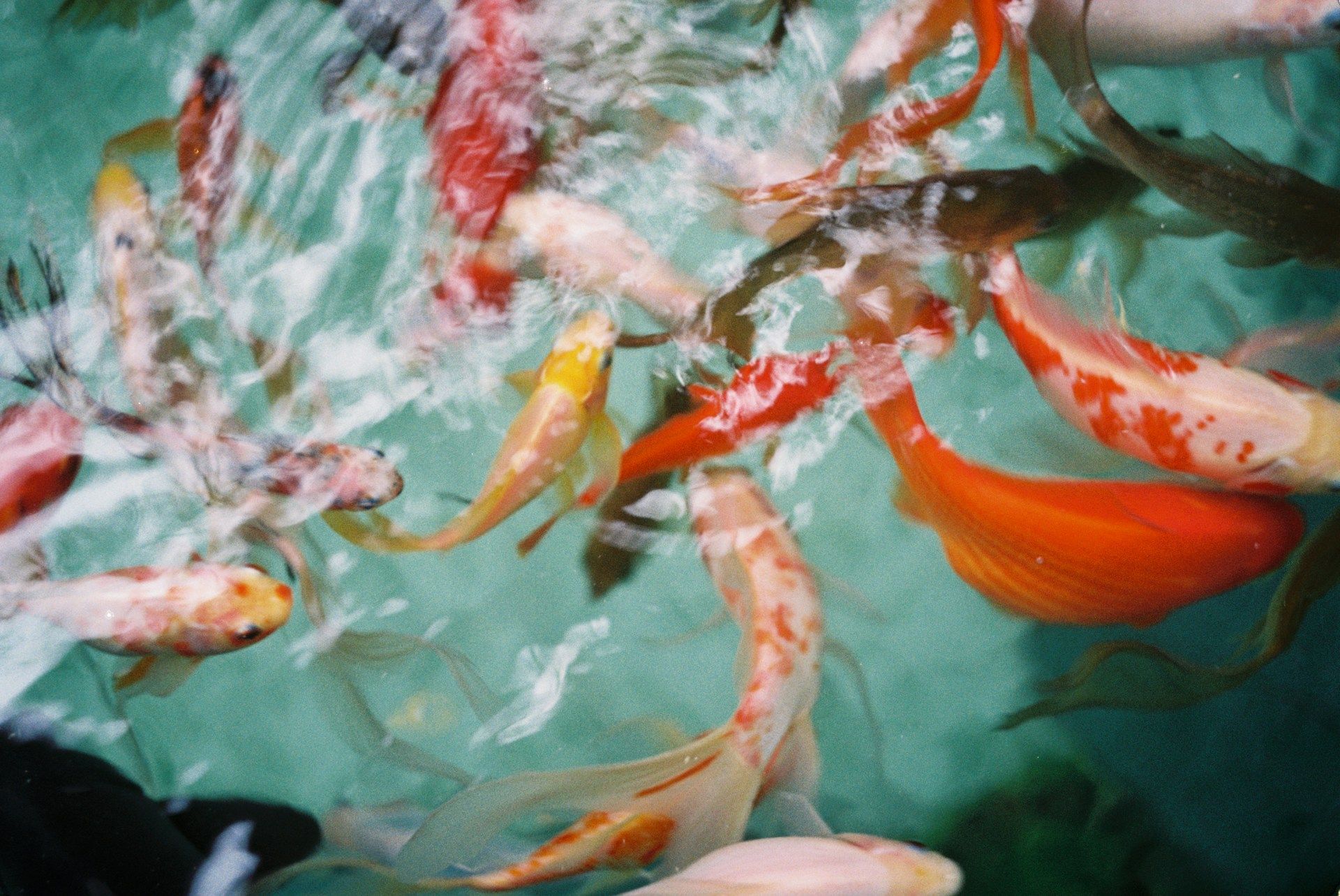
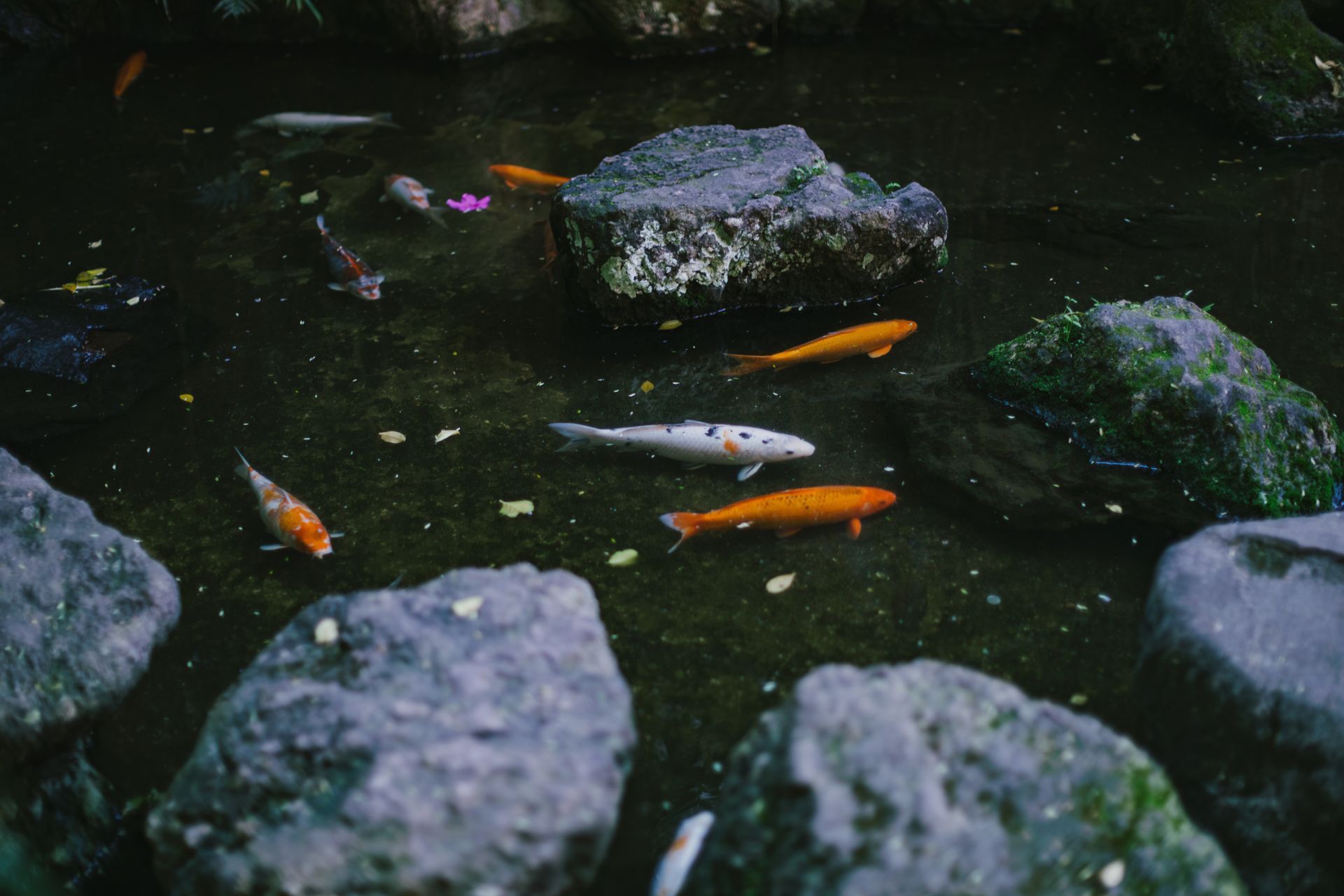
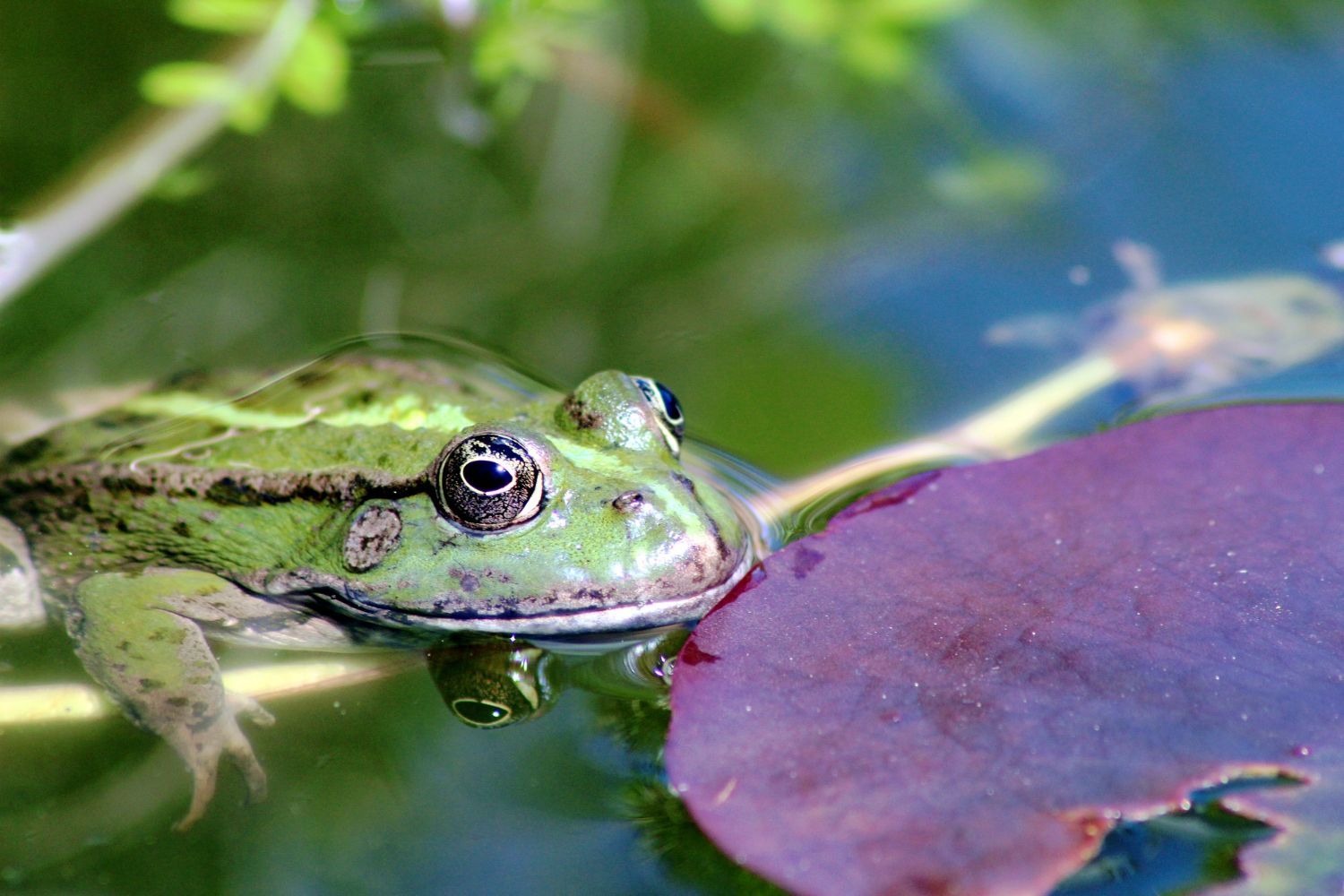
Koi are the stars, but they are also the biggest source of waste. That is why bacteria are so important. They quietly work in the background, breaking down fish waste, extra food, and leaf bits so the entire system stays stable.
Different filtration styles support this ecosystem in different ways:
- Wetland filters act like a mini marsh, full of stone, gravel, plants, and bacteria that provide powerful biological filtration
- Biofalls provide compact biological filtration at the top of a waterfall
- Mechanical filters, like skimmers and pre-filters, catch debris before it can decay
When all of these pieces line up, the pond looks more like a natural, spring-fed pool than a man-made feature, and functions as a sustainable, low-chemical water garden.
Why a Wetland Filter Feels Designed by Nature
A wetland filter is a hidden filtration zone, usually off to the side or above the main pond. Water is pumped into a chamber filled with layers of stone and gravel. It slowly rises through those layers, moving through a dense community of bacteria and plant roots before spilling back into the pond.
Because it works like a natural marsh, a wetland filter is a powerful form of biological filtration. It is especially helpful if:
- You have a medium to large pond (for example, 12, 25 feet across or larger)
- You keep a heavier koi load or plan to keep adding more fish over time
- You want water that stays more stable during hot summer stretches
By pulling nutrients out of the water, a wetland filter helps reduce algae blooms and supports clearer water. The larger volume of bacteria and plant roots makes shifts in water quality slower and gentler, which is better for koi health, longevity, and the long-term protection of your investment.
A wetland filter also supports that “always belonged” look. It can be tucked into a planting bed or into a slope, with the cleaned water returning as a stream or natural-looking waterfall. In Connecticut, plants like iris, pickerel rush, and hardy sedges can be planted in the filter area. Their roots help clean the water while their foliage blends the edge between pond and garden, so the whole feature feels like it was carved by water over time.
From a sensory standpoint, the water leaving a wetland filter can be designed as a quiet, glassy sheet or a series of small riffles. The gentle trickle softens background noise and creates a peaceful backdrop for morning coffee or evening conversations.
Maintenance on a wetland filter tends to be:
- Less frequent, often once or twice a year
- More involved when it does happen, with a deeper clean-out
This fits homeowners who want a natural, low-hands-on system. You are not tinkering every week, but you do plan for seasonal care to keep everything working smoothly.
Biofalls and Mechanical Filtration for Busy Schedules
A Biofalls filter is a compact biological filter that hides at the head of a waterfall. Water comes into a chamber filled with filter media, where bacteria live and process waste. Then it spills out as a falls, adding oxygen and creating that soothing sound many homeowners love.
As the water drops, it splashes and mixes with the air, naturally oxygenating the pond. This extra oxygen supports beneficial bacteria, keeps koi more active, and helps your whole ecosystem stay resilient.
A Biofalls shines when:
- The pond is small to mid-size (for example, 8, 15 feet across)
- The yard is tight and there is no room for a larger wetland filter
- You want a bold waterfall without a long stream or large bog area
We often pair Biofalls with skimmers that pull surface water into a basket and pre-filter pad. This removes leaves, pollen, and larger debris before it can sink and rot.
Mechanical filtration also includes options like pressure filters or settlement areas that trap finer particles. These can be helpful if:
- You host summer gatherings and want the clearest possible water
- The pond gets a lot of wind-blown debris or pollen
- You prefer a more manicured, crisp look to the pond
The tradeoff is in maintenance style. Biofalls and mechanical filters ask for:
- Short, regular tasks like emptying skimmer baskets and rinsing pads
- A simple rhythm during the main pond season, such as quick weekly checks and a deeper look once a month
This fits busy homeowners who like bite-sized chores they can work into their routine instead of bigger seasonal clean-outs.
Koi Health, Care, and Protecting Your Investment
Healthy filtration is one part of koi care, but how you live with the pond matters too. To keep your koi investment thriving:
- Avoid overstocking; in a typical backyard pond, it is better to grow a smaller group of koi to a larger size than crowd too many fish into a tight space.
- Feed high-quality food and avoid overfeeding, uneaten food quickly turns into waste that stresses the biological filtration.
- Keep an eye on behavior and appetite; koi that suddenly hide, gasp at the surface, or stop eating may be telling you something is off in the water.
- Test basic water parameters seasonally or after big changes so you can catch issues before they affect fish health.
When filtration, stocking, and day-to-day care are in balance, your pond becomes a stable, thriving ecosystem where koi can live for many years.
Matching Filtration to Site, Fish Load, and Lifestyle
The best filtration choice always starts with the property itself. For Connecticut yards, we look at:
- Sun exposure and shade from trees
- How much space is available for streams, wetland filters, or falls (for example, a 20-foot run for a meandering stream versus a compact 4-foot drop for a bold waterfall)
- Slopes, flat spots, and how close the pond will be to patios or seating areas
A small, sunny suburban yard might be perfect for a compact pond with a Biofalls and good mechanical filtration. A larger, tree-lined property may benefit from a wetland filter that can handle both nutrients and leaf debris, with a stream winding back to the main pond.
Fish load and future plans matter just as much. Light stocking and a small group of koi often do well with Biofalls plus a skimmer and other mechanical filters. If you picture a pond full of large, colorful koi, or you know you will always want “just one more,” a wetland filter gives you the biological filtration power to support that in a sustainable way.
Maintenance style is the third big factor:
- “Set it and enjoy it” owners often lean toward wetland systems and larger biological zones that need more seasonal attention than weekly tinkering
- “Hands-on” owners may prefer Biofalls and mechanical filters, where there are clear, simple tasks that give quick results
Connecticut’s seasons add another layer. Good planning includes how filtration will handle fall leaf drop and how the pond will be winterized so it wakes up strong in spring. Many homeowners plan upgrades during the warmer months so bacteria colonies can settle in while the pond is in full use and water temperatures are comfortably in the 60, 70°F range for koi.
Creating a Backyard Sanctuary That Feels Effortless
In the end, the real goal is simple: a pond that feels calm, natural, and low stress. You want koi gliding through clear reflections, water moving gently through the space, and filtration that quietly supports all of it.
During the day, the pond can mirror the sky and nearby trees so the whole yard feels deeper and more expansive. At night, the sound of the falls softens traffic noise and turns a corner of your property into a true backyard sanctuary.
Wetland filters, Biofalls, and mechanical systems are just tools. When they are sized and blended correctly, they disappear under stone, plants, and flowing water. What you notice is the sound of the falls, the way the pond mirrors the sky, and the peace it brings to your Connecticut backyard.
At PD Waterscapes, we look at how you want to live with your pond. Morning coffee by a quiet stream or evenings by a bold waterfall call for different layouts and filtration mixes. Your fish load, your yard, and your maintenance style all point to the right balance of wetland filter, Biofalls, and mechanical filtration so your pond feels like it has always belonged, from the very first season, and continues to function as a sustainable, thriving ecosystem for years to come.
Get Started With Your Project Today
Transform your pond into a clear, low-maintenance waterscape with a thoughtfully designed
wetland filter tailored to your property. At PD Waterscapes, we take the time to understand your goals, site conditions, and aesthetic preferences so your water feature looks beautiful and functions reliably. If you are ready to explore options for your own project, reach out through our
contact page and we will guide you through the next steps.