Shape Your Pond Into a Living, Breathing Sanctuary
A great koi pond is more than a hole with water in it. When pond plants, rockwork, and waterfalls all feel like they belong together, your backyard starts to feel like a small wild place that just happens to be right outside your door.
In this article, we will walk through how we think about balancing pond plants and waterfalls so the pond works as a true ecosystem. We will look at stone and water flow, the roles of different plant types, the five key building blocks of a healthy koi pond, and how all of this protects your fish while calming your mind.
At PD Waterscapes, we build ponds that feel “designed by nature.” Under that natural look sit five simple elements working together: filtration, rocks and gravel, plants, fish, and beneficial bacteria. When those are in balance, the water stays clearer, the koi stay healthier, and you spend less time fighting algae and more time just enjoying the view.
The “Always Belonged” Look Starts with Stone and Flow
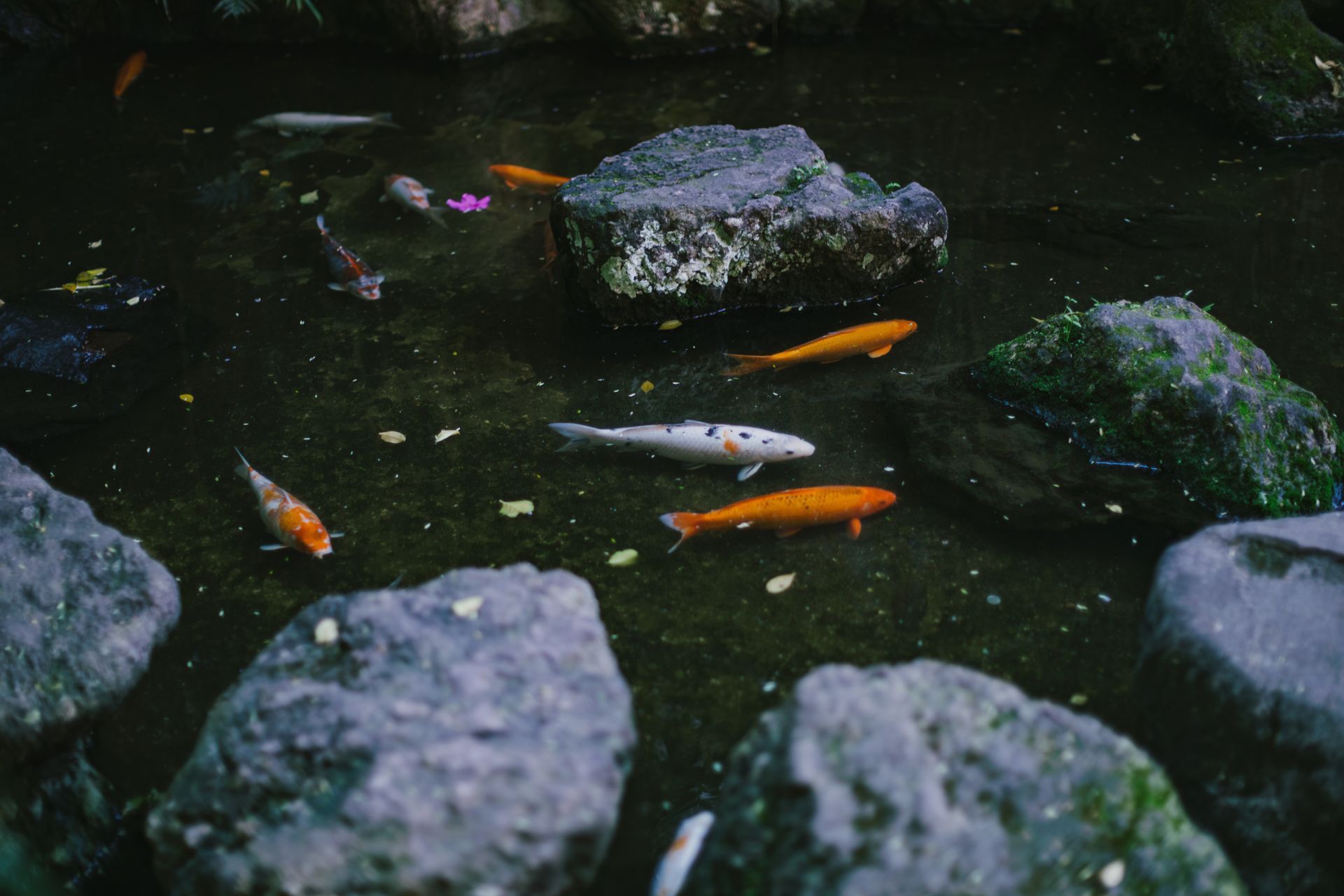
To make a pond look like it has always been in the yard, we start with rock size, placement, and layering. The goal is to avoid that “bathtub in the lawn” feeling.
A few simple stone guidelines:
- Use large anchor boulders to set the overall shape and give the pond weight
- Nestle medium and small rocks around those anchors so they feel naturally tumbled into place
- Sink some stones slightly below the waterline so the edge disappears into reflections
- Avoid straight, sharp outlines that draw the eye to the liner
For waterfalls and streams, the way water moves is just as important as how it looks. Natural water rarely drops in perfect steps, and it rarely runs in a straight line. We like to:
- Vary drop heights, usually somewhere in the 6 to 18 inch range
- Let the water wrap around rocks to create small pockets of calm water
- Angle spillways so sound spreads across your main seating areas
This stone layout does more than look good. Each rock face the water touches becomes a tiny home for beneficial bacteria. As water tumbles and splashes, it picks up oxygen, which those bacteria need in order to break down fish waste and decaying leaves. That is where the “always belonged” aesthetic and biological filtration start to work together.
How Pond Plants Turn Water Features Into Ecosystems
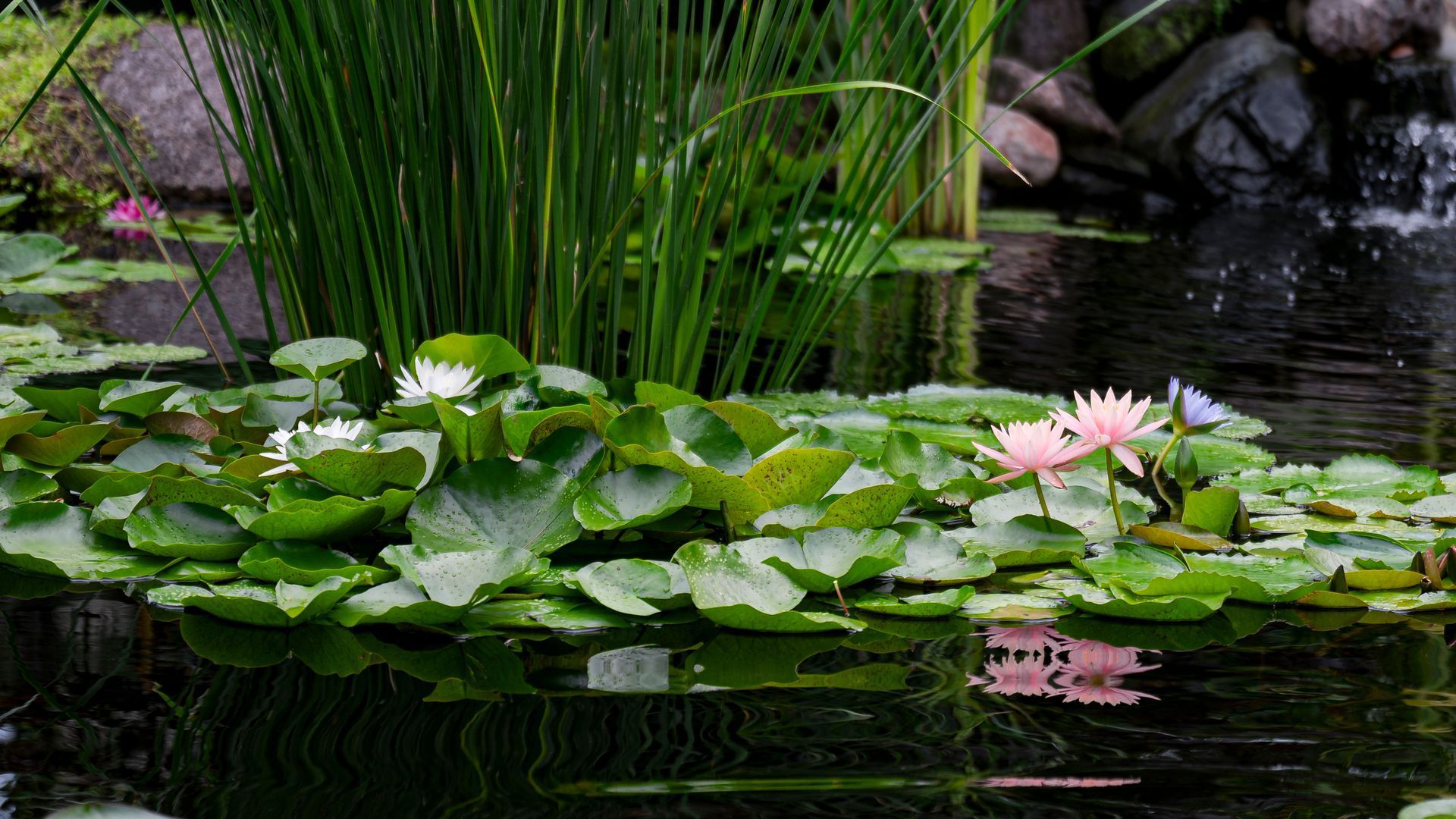
Rocks and moving water give structure, but pond plants turn a simple water feature into a living ecosystem. Different types of plants each have their own job.
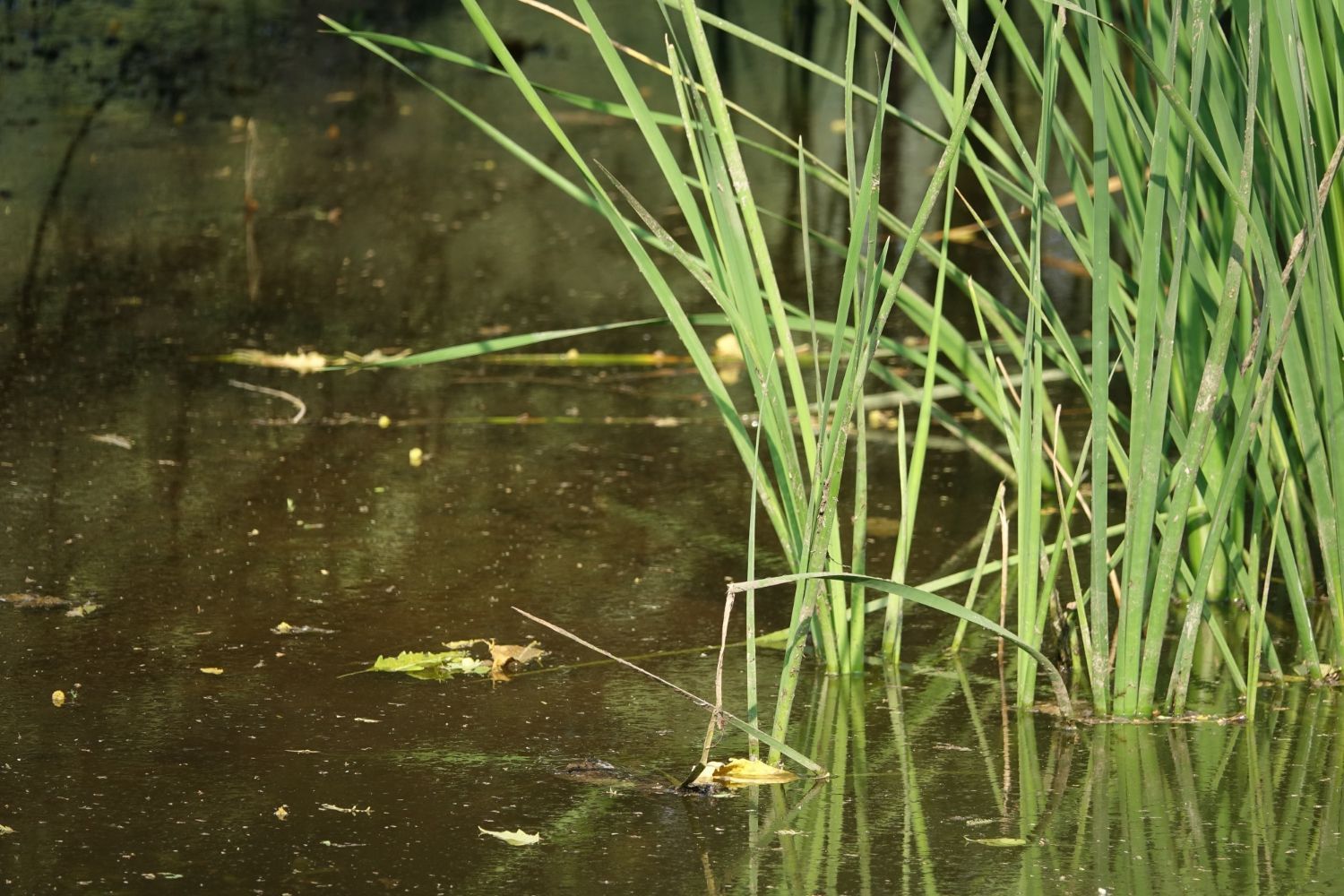
Marginal plants grow in shallow water along the edges. These include things like:
- Irises
- Rushes
- Pickerel and similar shoreline plants
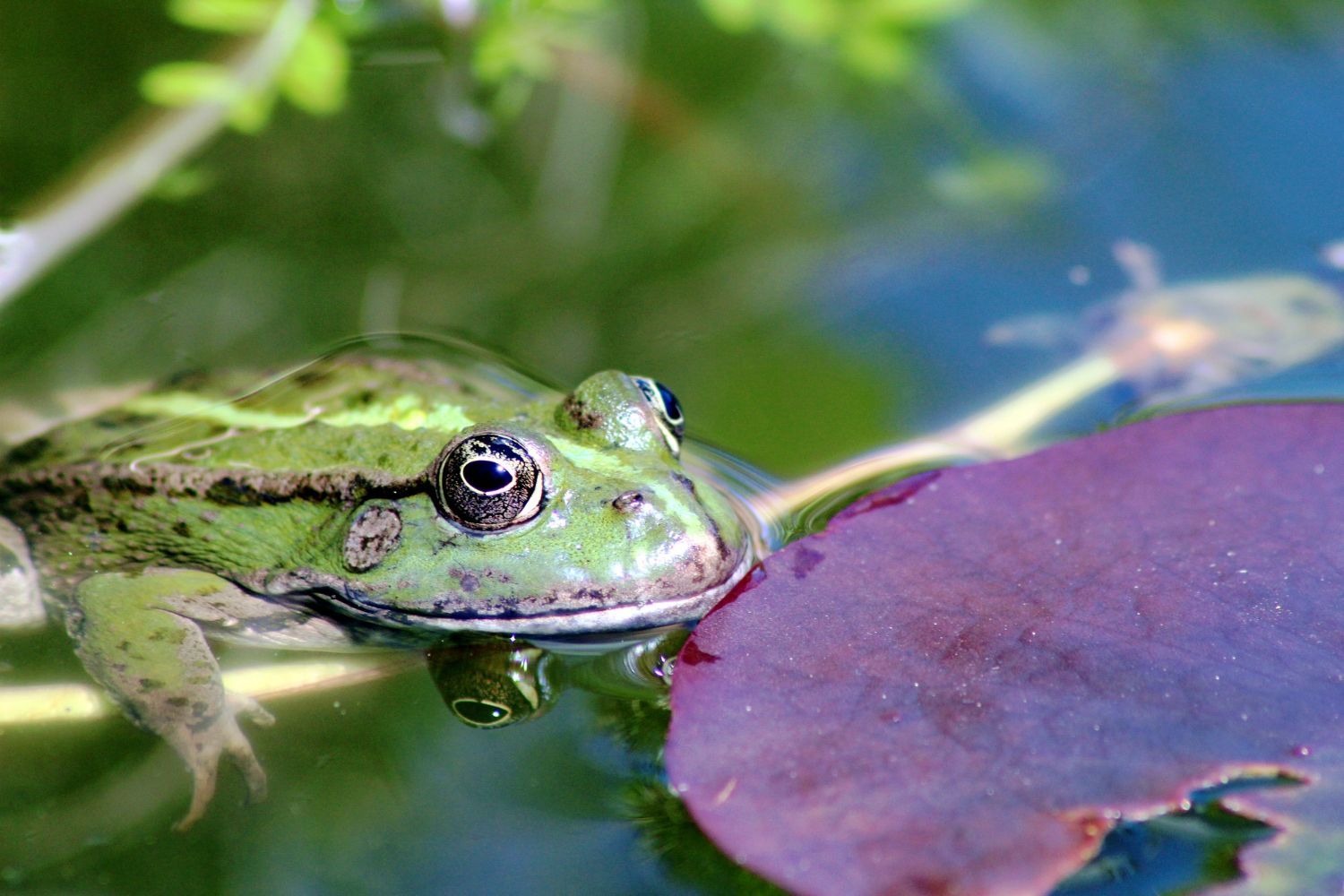
They soften hard rock edges, soak up extra nutrients that would otherwise feed algae, and give cover for frogs, insects, and other small wildlife.
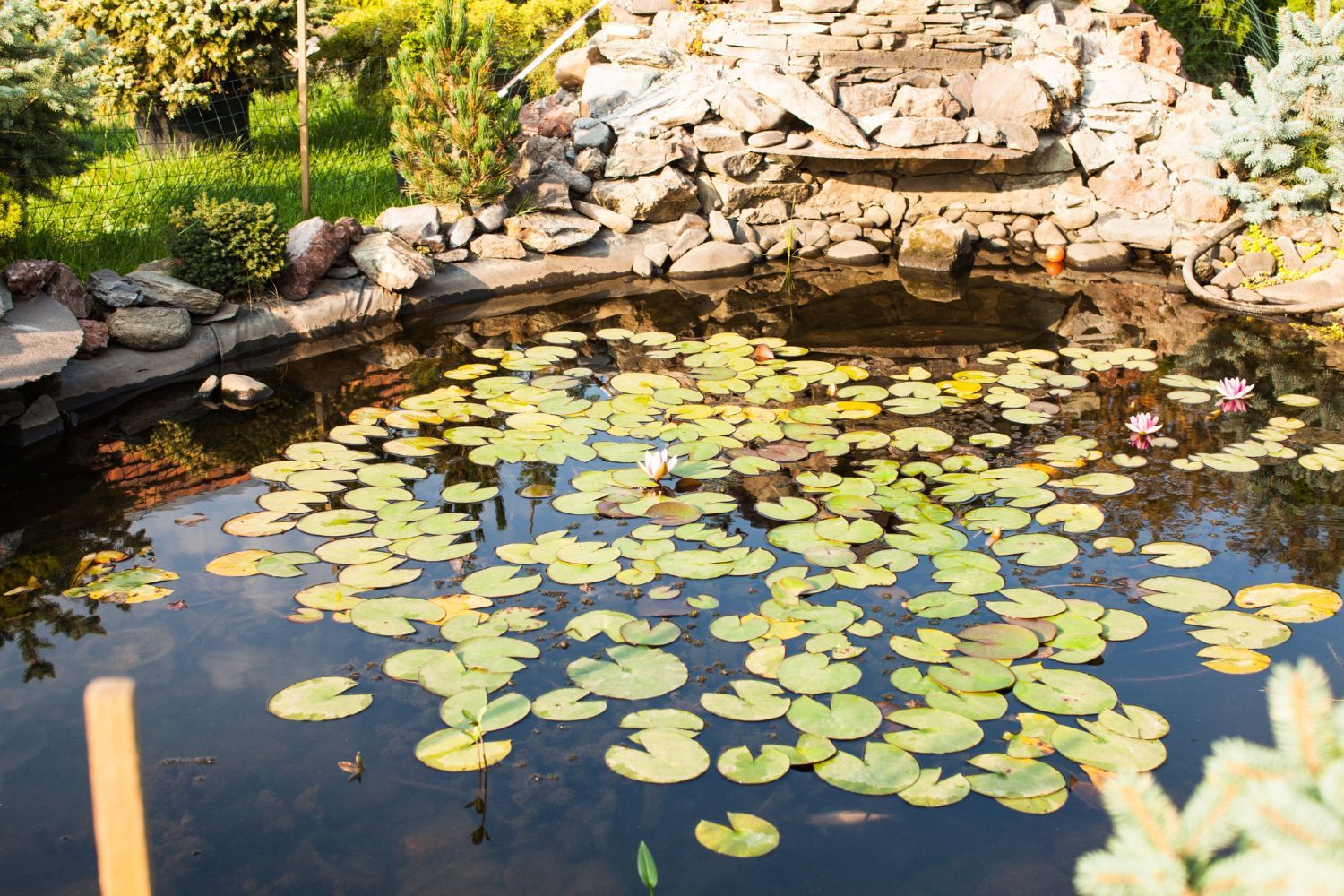
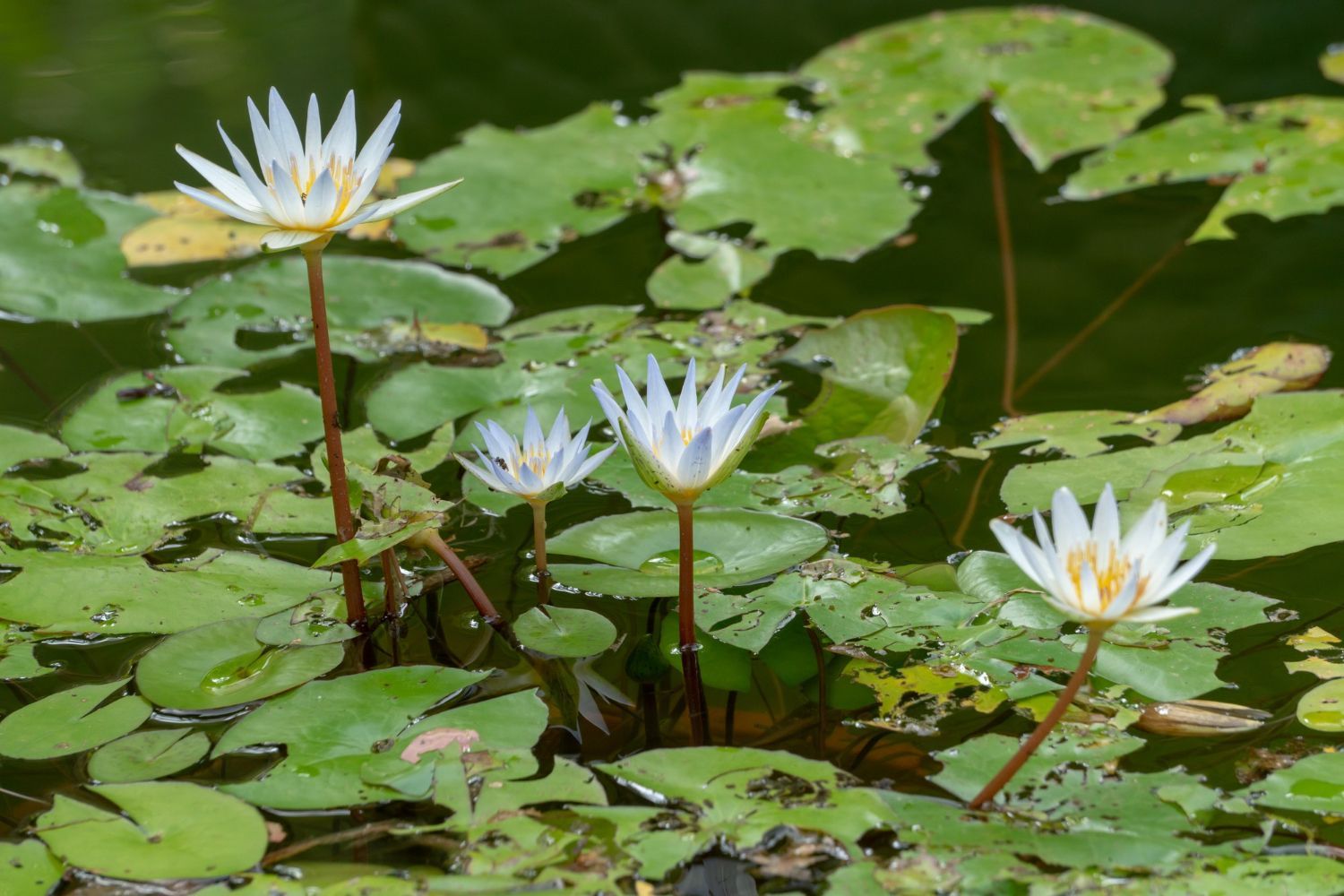
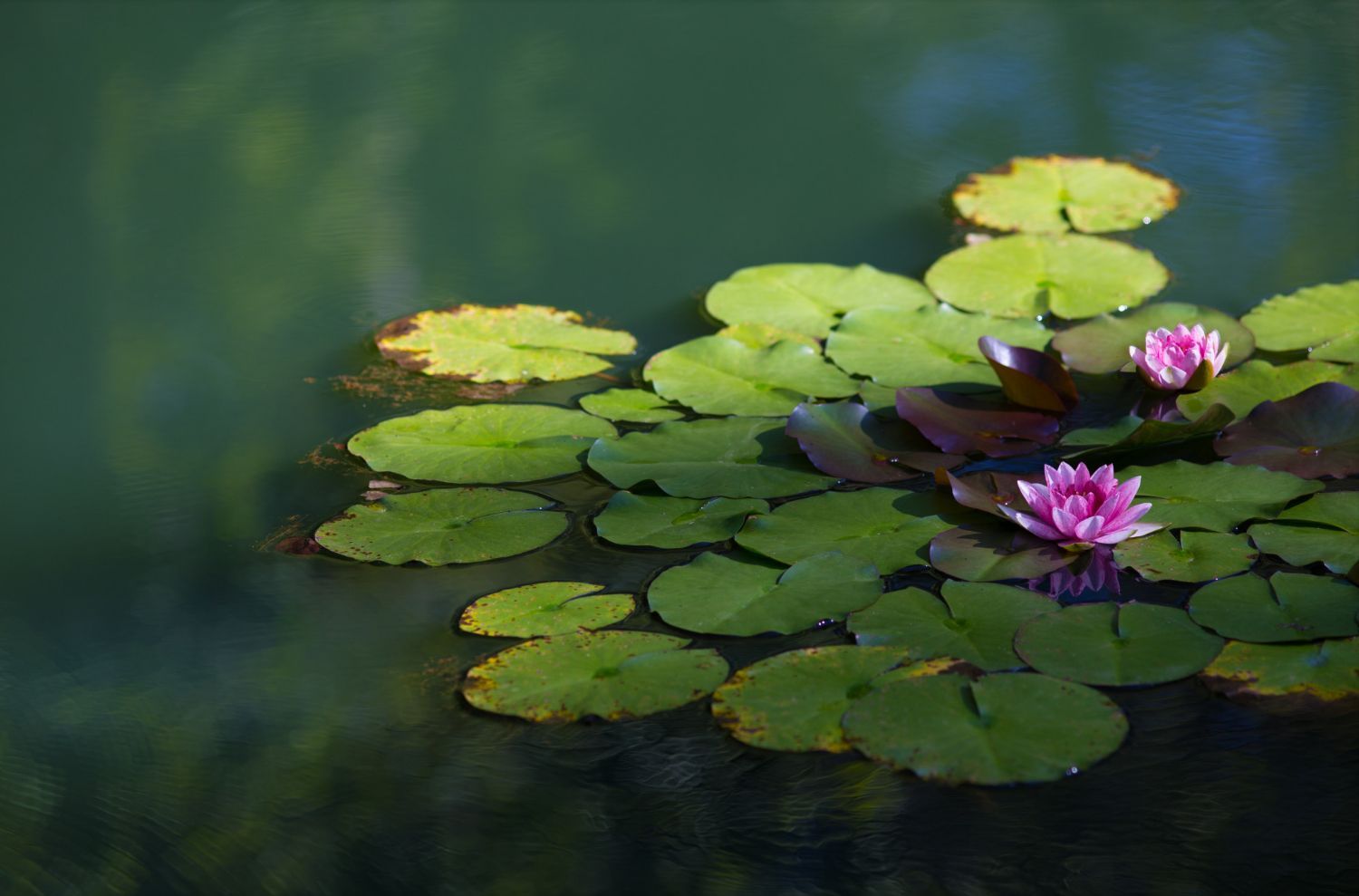
Floating-leaved plants, like water lilies, bring shade and color. Broad leaves block sunlight from reaching every inch of the pond floor, which slows algae growth and helps keep water temperatures steadier on hot days. Fish often rest in the cool shade under these pads.
Submerged oxygenating plants can help support fish health in the right areas, especially where the water is calmer. Their leaves release oxygen into the water and offer extra surfaces for bacteria.
Pond plants act like a natural filter by pulling nutrients out of the water as they grow. Dense root systems grip gravel and shoreline soils, which helps reduce erosion from waterfall splash and wind-blown waves. In early summer, when water is warm but not at its hottest, many homeowners like to:
- Add a few new plant varieties
- Rearrange crowded areas
- Plant in layers, from tall marginals in back to low growers in front
The trick is to fill and frame the edges while leaving clear swimming lanes so koi can glide without pushing through stems all day.
The Five Keys to a Healthy, Natural-Looking Koi Pond
Every healthy koi pond we design is built around the same five elements: filtration, rocks and gravel, plants, fish, and bacteria. When one is out of balance, the others struggle.
Filtration should work with nature, not against it. A good setup usually blends:
- Mechanical filtration, such as skimmers and pre-filters that remove leaves and larger debris
- Biological filtration, such as biofalls, gravel beds, and plant shelves that support bacteria colonies
Waterfalls play a big part here. As water falls and turns, it mixes with air, adding oxygen. That oxygen helps bacteria convert harmful ammonia from fish waste into less harmful forms.
Rocks and gravel on the bottom are hidden heroes. A thin layer of rounded river rock and gravel:
- Gives bacteria huge amounts of surface area
- Keeps sunlight off the liner
- Helps prevent muck from building into a thick, smelly layer
With the right circulation and filtration, a rock-and-gravel bottom can stay cleaner and look more natural than a bare liner.
Then we have the living pieces: plants, fish, and bacteria. If there are too many koi for the pond size and filtration, no amount of pond plants will keep up with the waste. Bacteria living in filters, on rocks, and in the gravel pull the whole system together by processing that waste. When these five elements are in balance, the pond feels more like a clear, spring-fed pool than a decorative tub of water.
Protecting Your Koi While Keeping Things Natural
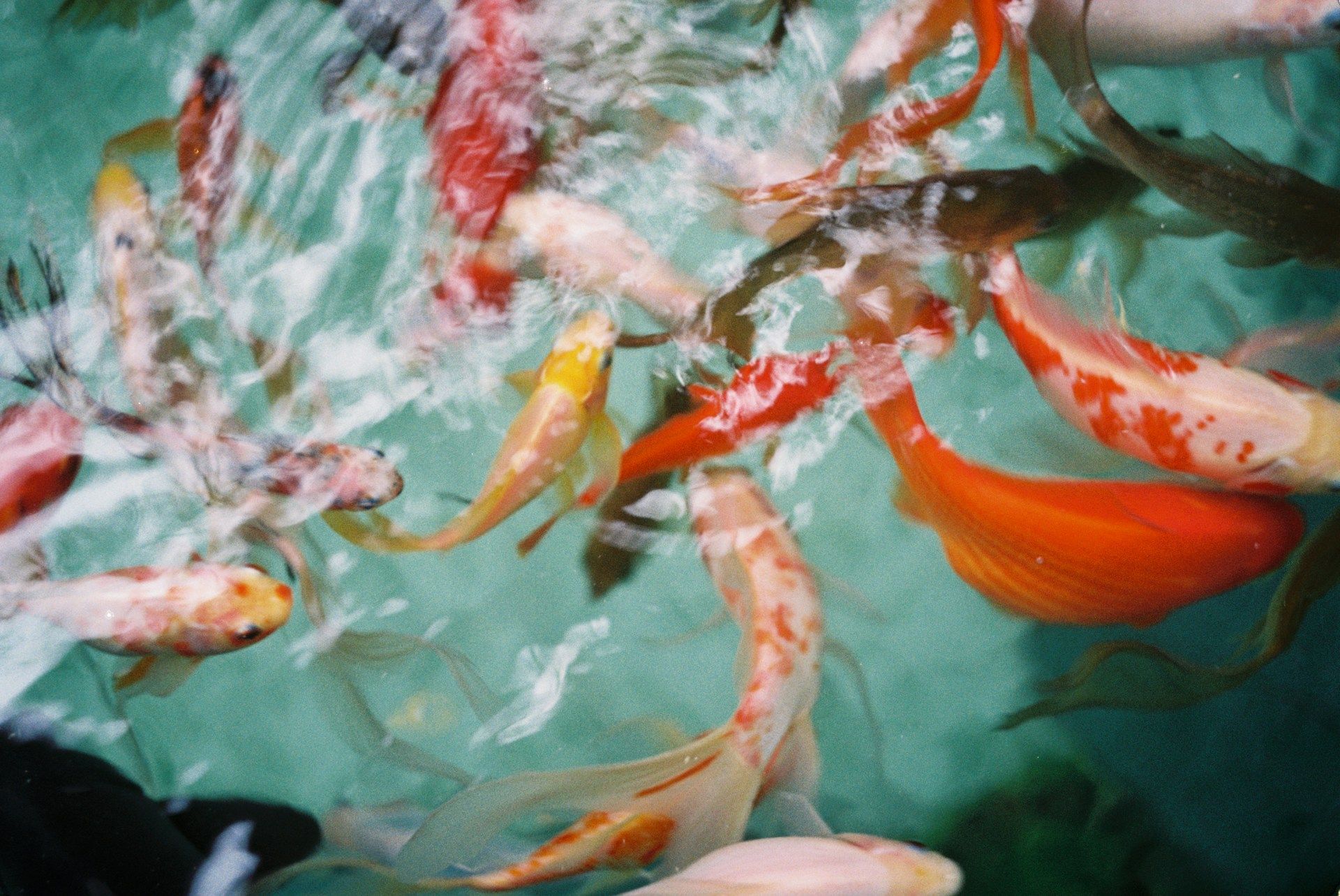
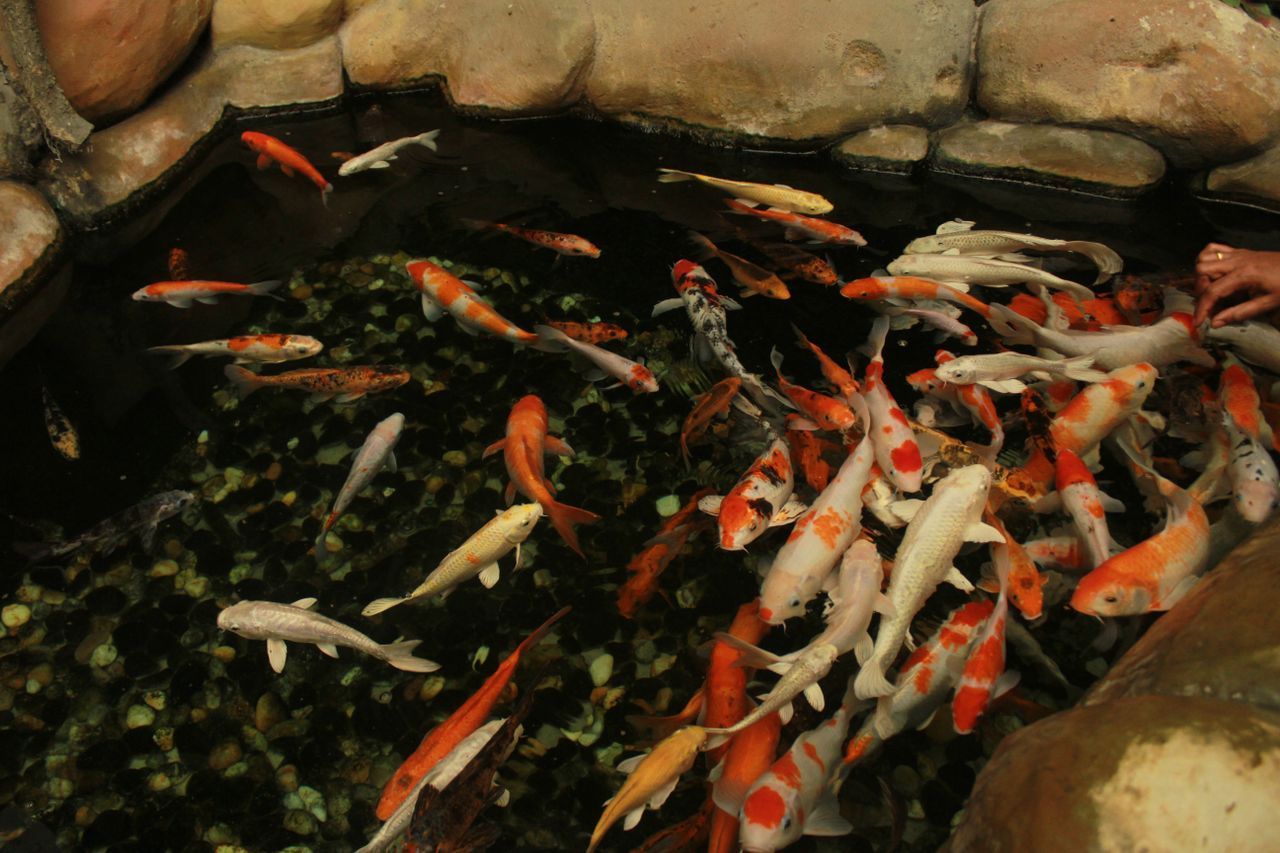
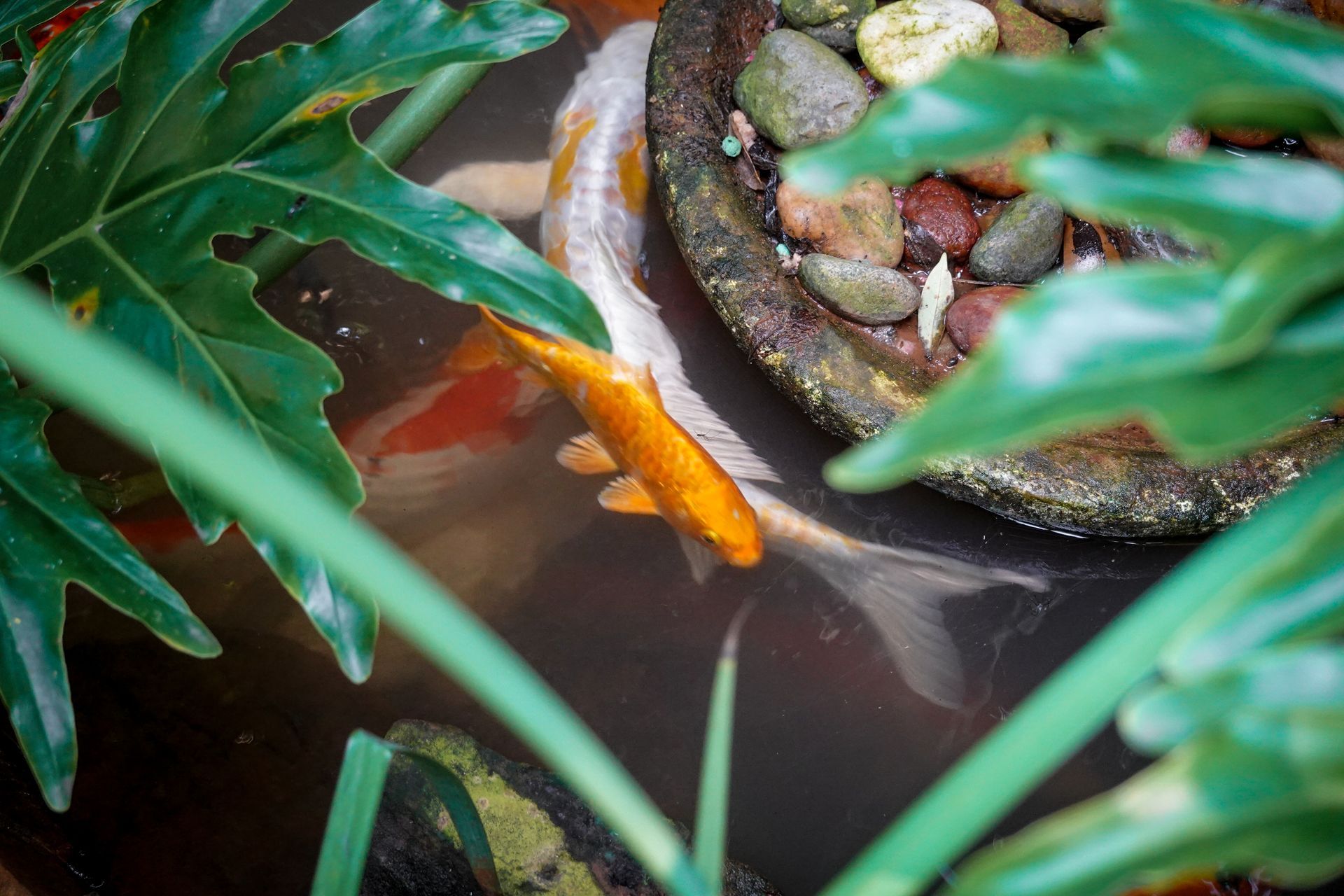
Koi are the heart of the pond, so the design must protect them while still keeping a natural look. Stable water temperature and good water quality reduce stress on fish. Shade from pond plants helps limit temperature swings, and steady waterfall circulation keeps oxygen levels higher, especially during warm spells.
We like to design with fish comfort in mind:
- Deep zones, often in the 3 to 4 foot range, where koi can retreat from heat and sudden cold snaps
- Rock shelves and plant groupings that create hiding spots from predators
- Gentle curves in the floor so fish have room to turn and cruise easily
Regular testing of ammonia, nitrite, and pH is also smart, especially after adding new fish or changing filtration equipment. Feeding plays a big role too. When water is consistently above about 65°F, koi can be fed more freely, but even then:
- Offer what they will eat in a few minutes
- Avoid piling in extra food “just in case”
- Cut back feeding as water cools in the shoulder seasons
Extra food that sinks and rots ends up feeding algae and pushing the filtration system beyond its comfort zone, which is the opposite of a calm, balanced ecosystem.
The Sound, Light, and Movement That Calm Your Mind
A well-planned waterfall does as much for your mood as it does for your fish. By varying waterfall heights and spillways, we can create a layered sound, from higher splashes to deeper, relaxing white noise. Placing the falls where the sound reaches patios, windows, or a favorite chair pulls you out into the yard.
Pond plants around the edges break up reflections and make the water’s surface feel deeper and more interesting. As the sun moves across the sky, moving water catches light in different ways. Morning can bring soft glows, midday a bright shimmer, and evening a gentle flicker under the last light.
When a pond is healthy, the whole space starts to feel more alive. Gentle shoreline slopes, mixed pond plants, and clean water invite dragonflies, songbirds, frogs, and butterflies. The result is not just a pretty view; it is a backyard sanctuary that sounds and even smells different, especially on a warm summer evening when the water has had all day to soak up light and life.
Get Started With Your Project Today
Transform your backyard into a thriving aquatic oasis with thoughtfully selected
pond plants that support clear water, healthy fish, and natural beauty. At PD Waterscapes, we design and install balanced ecosystems so you can enjoy a low-maintenance pond that looks great year-round. If you are ready to explore ideas or schedule a consultation, simply
contact us and we will help you plan the perfect waterscape for your space.