Creating a Backyard Sanctuary with Pondless Waterfalls
A pondless waterfall can turn an ordinary corner of your yard into a calm backyard sanctuary. The steady sound of water masks street noise, softens neighbor sounds, and helps your whole body relax. You get the look and feel of a natural stream, even in a tight or sloped space, without taking up room with a full pond.
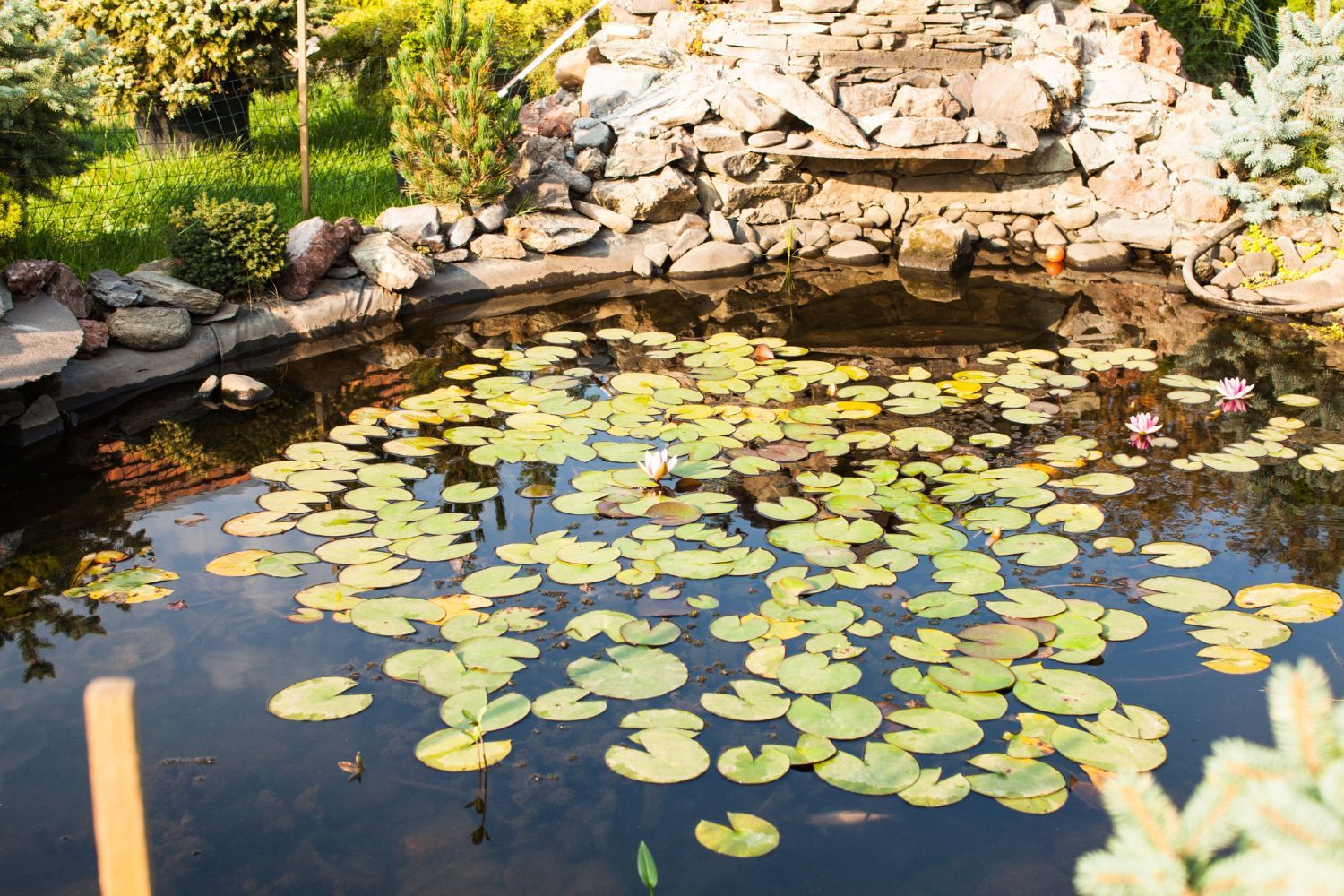
With a pondless system, water flows over stone, then disappears into a hidden gravel basin. A pump sends it back to the top, so the water is always moving, but there is no open pool. At PD Waterscapes, these features are shaped to feel “designed by nature,” using stone, plants, and gentle grade changes so the waterfall seems like it has always been part of the property. Below, you’ll see how that works, then explore layout and planting ideas for four different yard priorities: privacy, seating, lighting, and year-round interest.
The “Always Belonged” Look for Any Connecticut Yard
Naturalistic design starts with how the water moves. Instead of straight lines and perfectly even drops, it helps to:
- Let the stream meander slightly
- Mix small riffles with a few deeper pockets
- Break the flow over varied stone sizes
- Tuck some stones into the bank, not just in the water
Blending large anchor boulders with medium rocks and smaller gravel mimics the way New England streams sort stone after storms. Softening the edges means there is no sharp border between “water feature” and “lawn,” just a gradual shift from rock to mulch to plants so the whole scene looks like it has always belonged there.
Planting in layers is what really ties the whole scene together and makes the waterfall feel like part of a thriving ecosystem. Around a pondless waterfall, layered planting often includes:
- A loose canopy or backdrop of taller shrubs or small trees
- Medium shrubs to frame views and to hide corners
- Perennials for flowers and texture at eye level
- Groundcovers, mosses, and low plants to knit the rocks into the soil
Planning for all four seasons keeps the space engaging year-round. In spring, early blooms and fresh green shoots pop around the stones. Summer brings full foliage and shaded spots near the water. Fall color can glow above the dark wet rock, and in winter the structure of bare stems and evergreens frames ice formations and snow, so the feature still feels alive even when plants are resting.
Layouts for Privacy and Cozy Seating Nooks
For a privacy-focused sanctuary, a pondless waterfall can double as a living screen along a fence or property line. The stream can curve gently, with taller stones and thicker plantings along the back. The sound is tuned to your needs: a steady, medium volume that covers traffic, or a softer murmur if you just want a sense of calm.
A privacy planting plan might look like this:
- Tall, upright shrubs as a green wall, such as arborvitae or native viburnum
- Mid-height flowering perennials for color and seasonal change
- Moisture-loving plants, like certain ferns or sedges, at the water’s edge
- A few seed- and berry-producing species to draw songbirds
To keep the “always belonged” feel, it helps to repeat a few key leaf shapes and colors, mix in native plants that support local wildlife, and leave pockets of cover for birds and beneficial insects. The result is not just a screen, but a small wildlife corridor that feels full of life.
For seating nooks, the focus shifts. Instead of hiding the view, the design opens it up to a favorite sitting spot. A pondless waterfall works beautifully with:
- A flagstone or gravel patio facing the falls
- A bench tucked into the inside of a stream curve
- A pair of Adirondack chairs close enough to feel a bit of cool air off the water
Here, plants are chosen to frame, not block, the view. Low mounding perennials along the front keep sight lines open. Fragrant plants near chairs or benches add another layer of experience. A few well-placed shrubs guide your gaze toward the main cascades and the shimmer and reflections of water over rock.
The sound can also be tuned to how you use the space. Softer, sheet-style falls are well suited to reading or quiet conversations. More playful drops and splashes help cover nearby noise so gatherings feel more private, all without the extra care that fish and a full pond require.
Lighting, Seasonal Drama, and Hidden Ecosystems
Thoughtful lighting lets you enjoy a pondless waterfall after dark and deepens the sensory experience. Low-voltage LED fixtures can be tucked between stones or under lips of rock so you see the glow, not the hardware. Common placements include:
- Warm white lights at the base of falls to catch moving water and sparkle
- Soft path lights where you walk or sit
- A few narrow-beam accents on sculptural plants or standout boulders
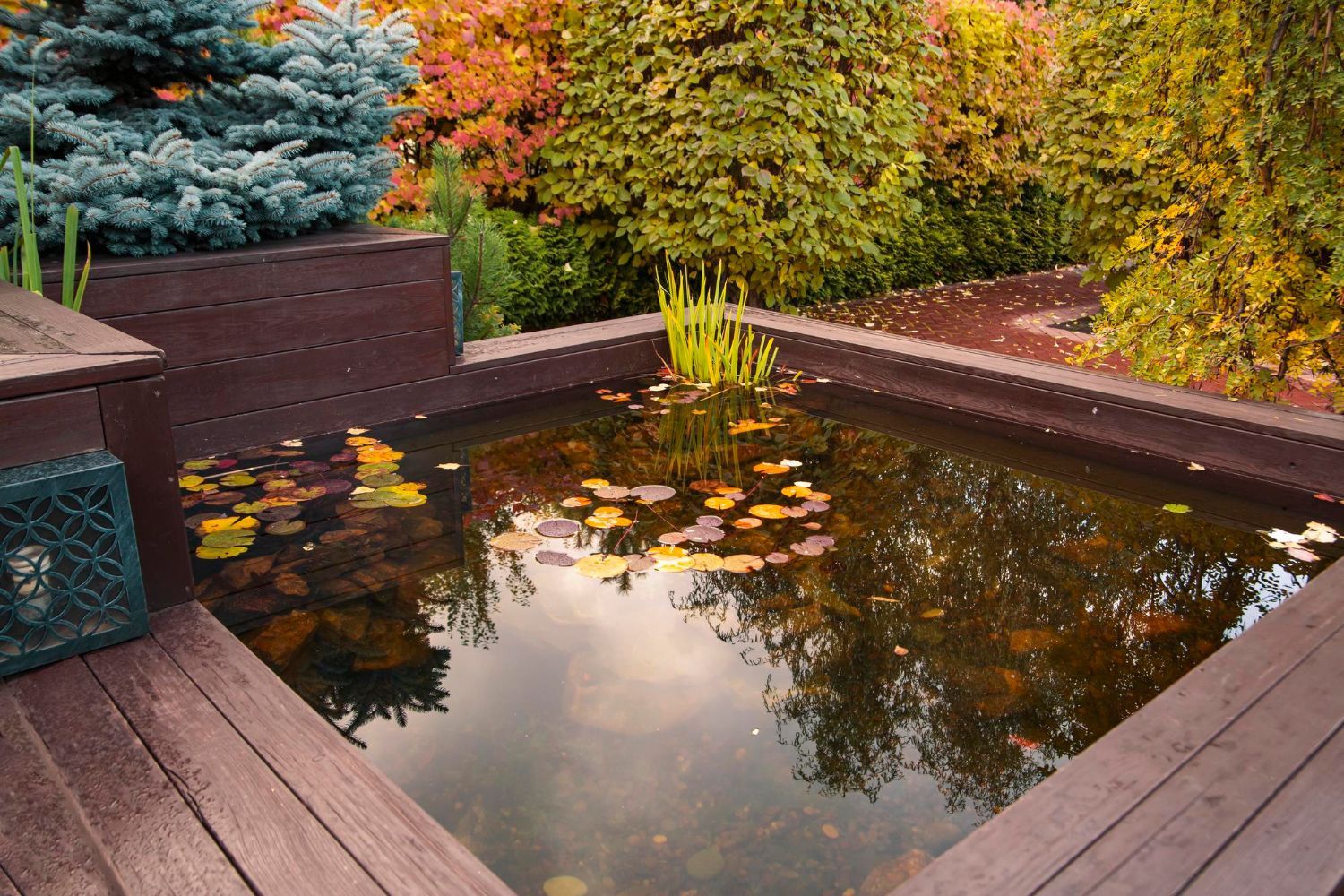
In long summer evenings, this stretches outdoor time and turns the waterfall into a gentle focal point. In fall, the same lights pick up the glow of turning leaves reflected in the water’s surface. In winter, they highlight ice sculptures on the rock faces and fresh snow on flat ledges, so the feature is still worth looking at from a kitchen window.
Timing and care can stay simple with smart controllers or timers. It works well to check fixtures when doing normal seasonal yard tasks, like spring cleanup or leaf work in fall. When the feature is designed with maintenance in mind, lenses can be cleaned and bulbs changed without trampling plantings that are meant to look natural and untouched.
Behind the scenes, a pondless waterfall is still a living system. It draws on the same five elements used in healthy koi pond design, just adjusted for a sealed basin instead of an open pool:
- Filtration
- Rocks and gravel
- Plants
- Fish (optional here)
- Beneficial bacteria
Most pondless features do not include fish, but the other pieces are still very active. Water moves over and through rocks and gravel that are home to colonies of good bacteria. With the right biological filtration and a well-sized underground basin, those bacteria quietly break down organic debris, keeping the water fresh and clear so the system acts like a natural stream and supports a low-maintenance, thriving ecosystem.
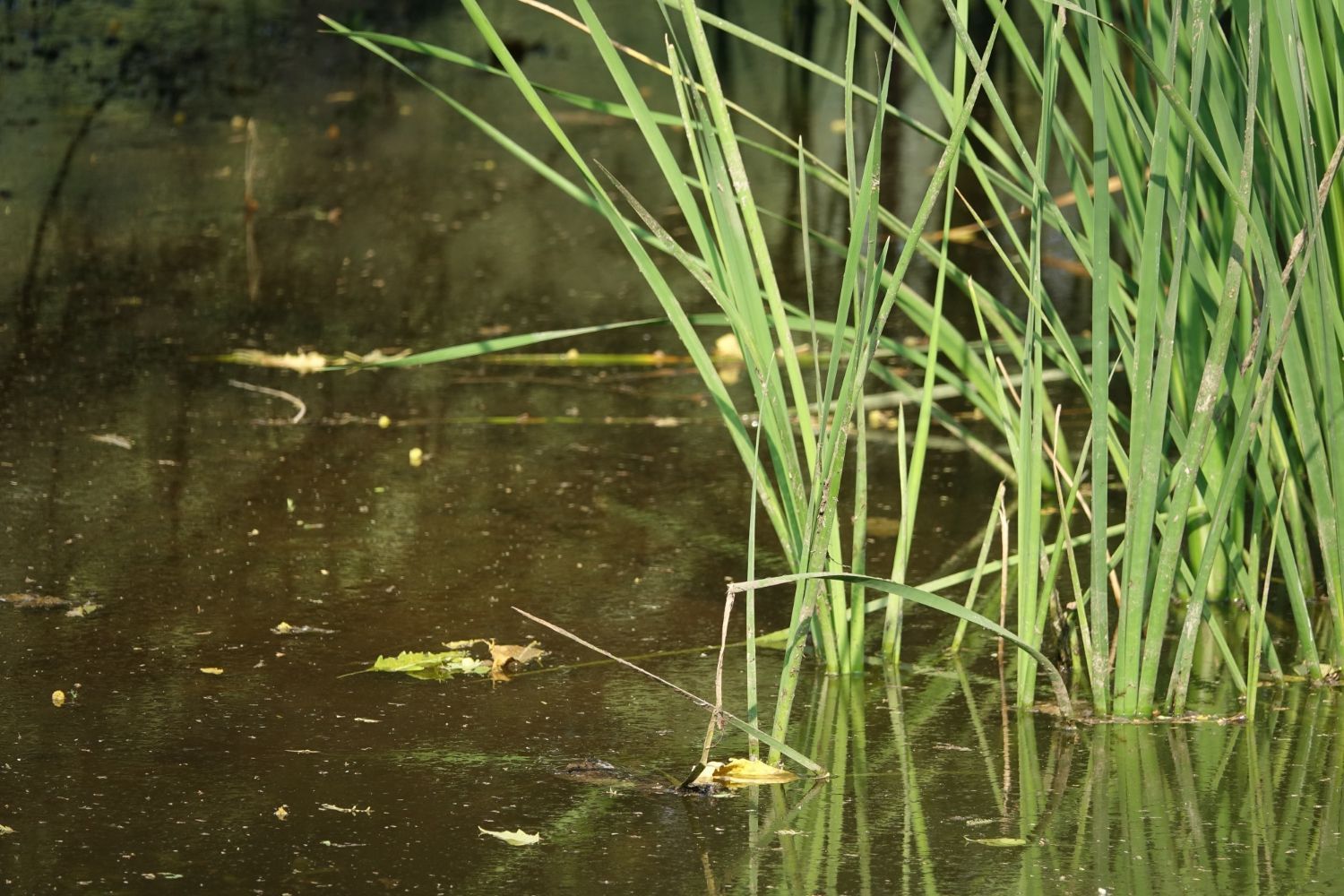
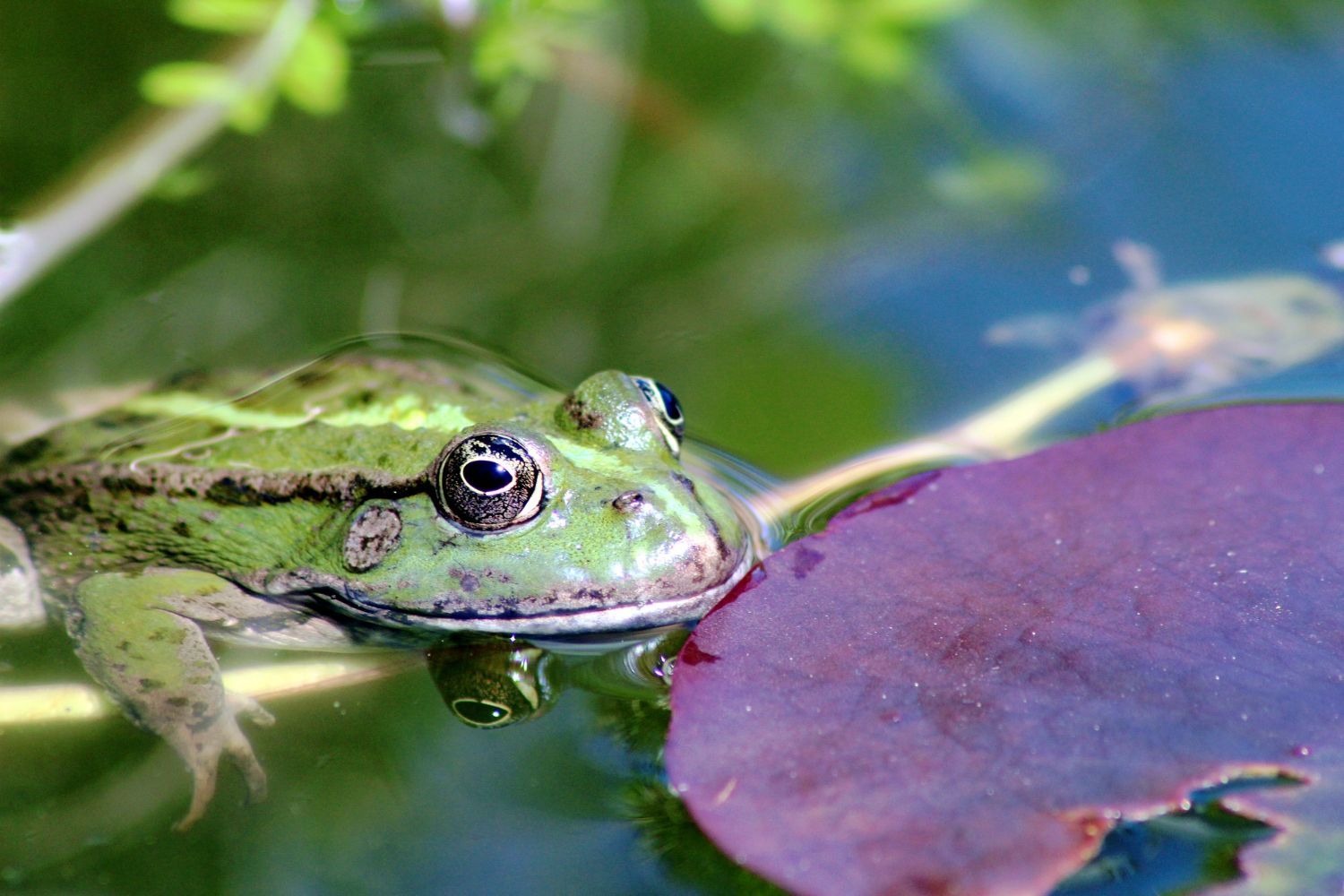
Plant selection around the water also shapes a small ecosystem. Moisture-loving natives near the edges give frogs, insects, and other small creatures shelter. Flowering perennials feed pollinators. Dense groundcovers cool the soil and help stabilize the banks. Together, these living parts support a healthier, more comfortable backyard sanctuary.
Year-Round Care, Koi Considerations, and Choosing What Matters Most
Pondless waterfalls are lower-commitment than full koi ponds, but they still need simple, steady care. In spring, clear out winter debris and check the pump and basin. In summer, keep an eye on flow and clean pre-filters as needed. Fall in Connecticut brings leaves, so netting or extra skimming can help. In winter, plan for freeze-thaw cycles, protecting fittings, hoses, and pumps based on how you want to see the feature in cold weather.
There are smart add-ons that keep things running smoothly with less work, like energy-efficient pumps, automatic fill valves, and helpful pre-filters.
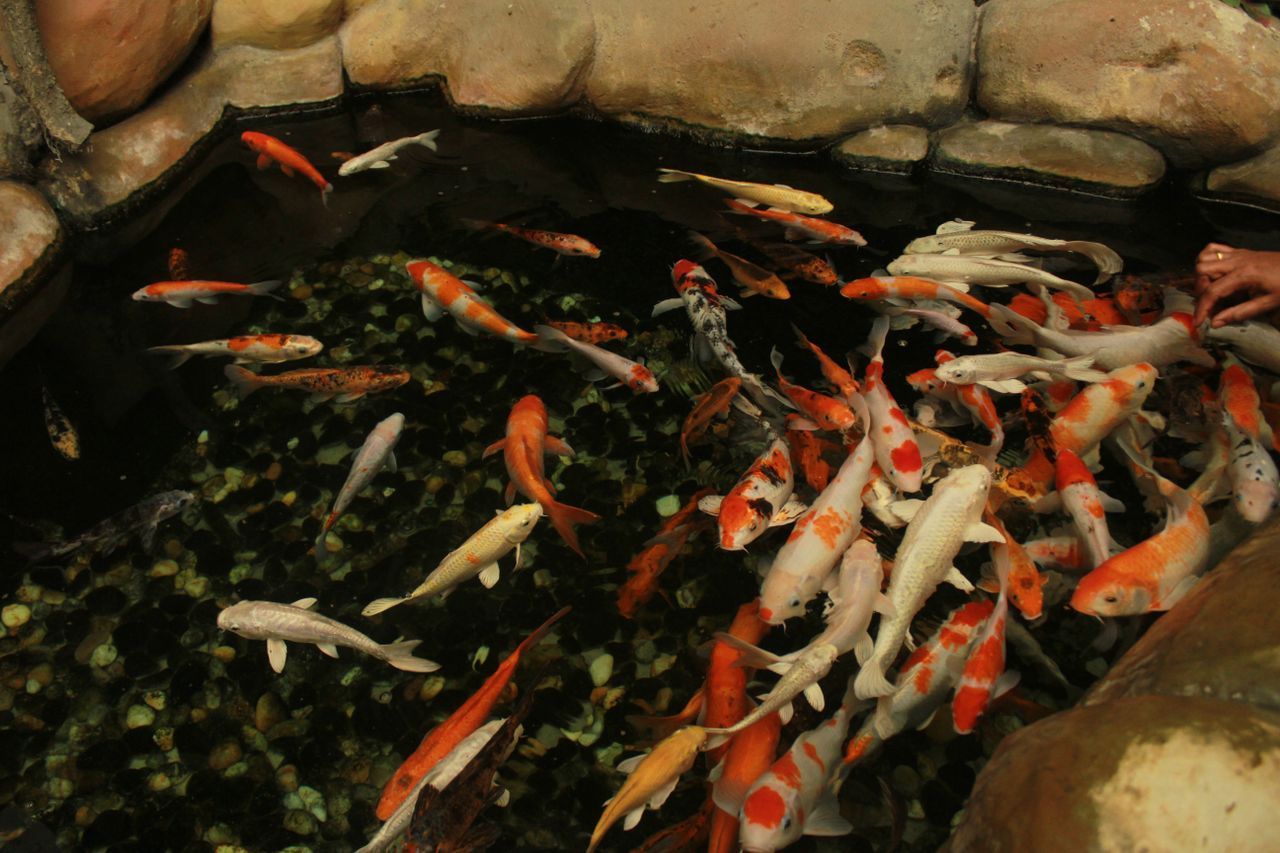
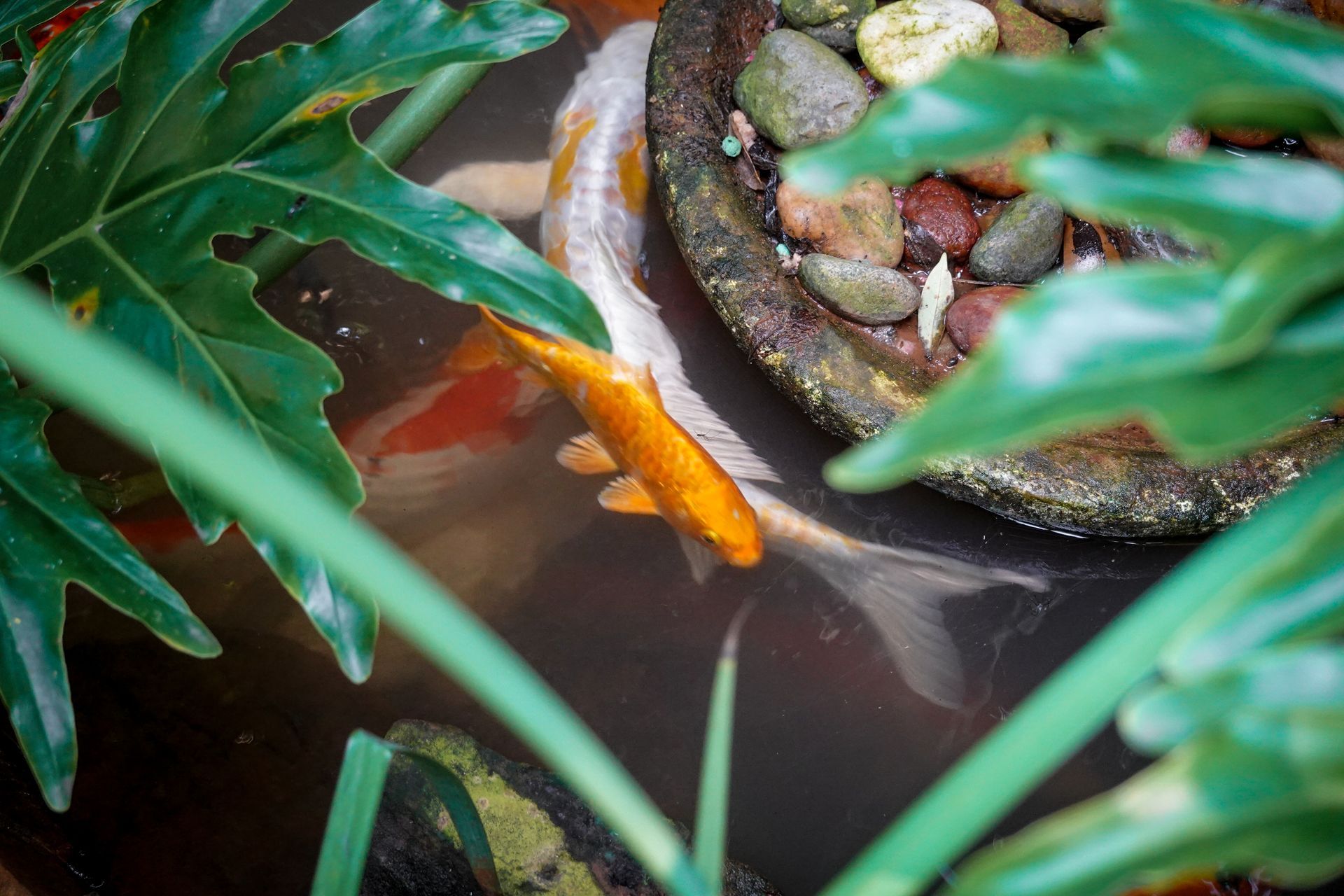
If you already have or are considering a koi pond elsewhere in your yard, the same ecosystem principles apply there as well. A well-balanced koi pond relies on:
- Strong mechanical and biological filtration to handle fish waste
- Rocks and gravel to host beneficial bacteria
- Aquatic and marginal plants to absorb excess nutrients
- Healthy fish stocking levels and feeding routines
- Stable colonies of beneficial bacteria to keep water clear and safe
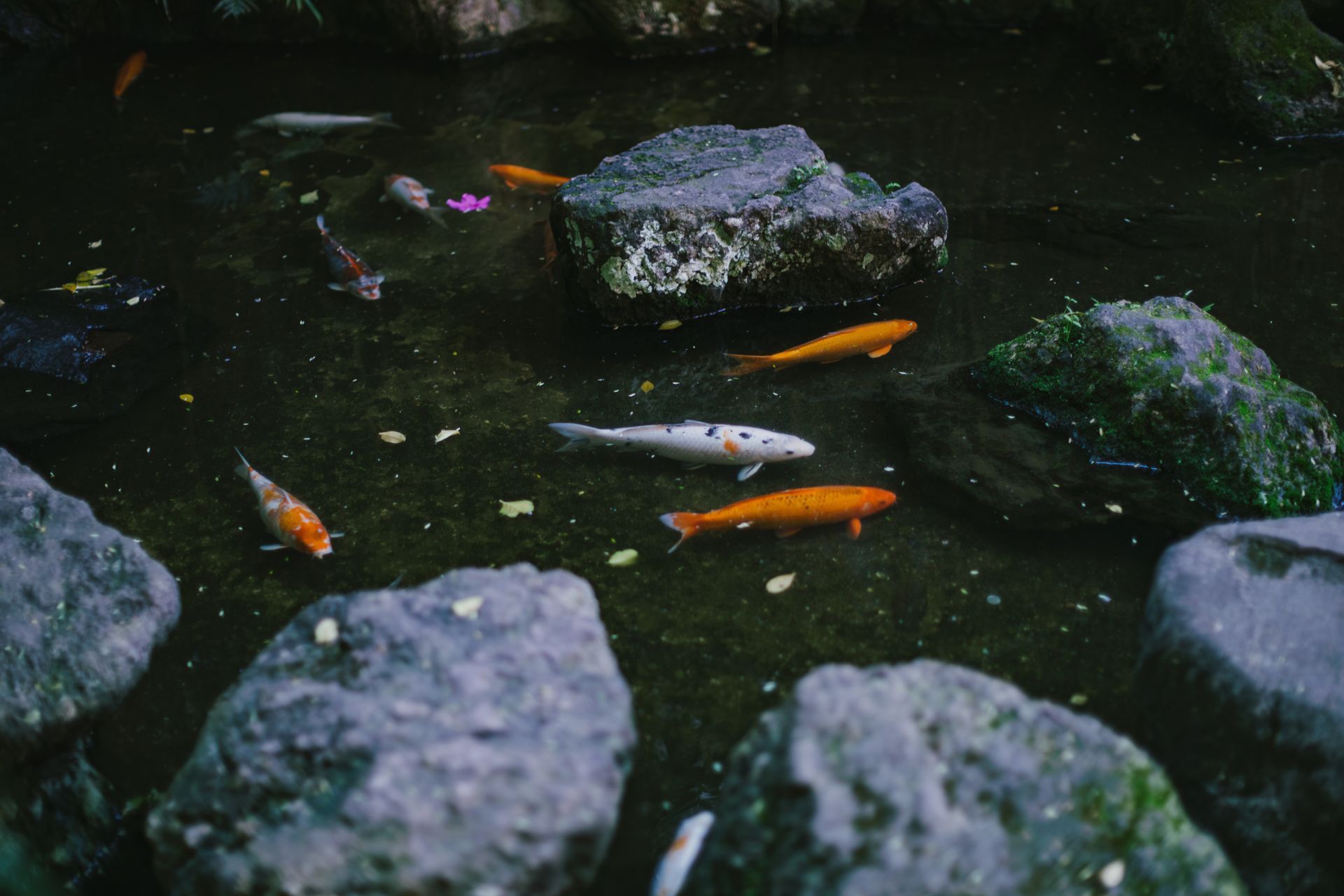
Protecting your investment in koi means watching water quality, avoiding overfeeding, and providing shaded areas and hiding places so fish experience less stress. Many homeowners pair a koi pond with a separate pondless waterfall or stream to increase circulation, add visual interest, and deepen the sense of a unified, “designed by nature” landscape.
For some homeowners, a pondless waterfall is the perfect fit: safe for kids and pets, no fish to care for, but all the sight, sound, and reflections of moving water. Others prefer a full koi pond and the joy that comes with tending living fish. Either way, thinking in terms of biological filtration, thriving ecosystems, and natural materials leads to outdoor spaces that feel settled, soothing, and alive in every season.
Transform Your Outdoor Space With a Custom Waterfall Feature
Ready to bring the sound of flowing water to your yard without the upkeep of a full pond? At PD Waterscapes, we design and install custom
pondless waterfalls that fit your space, lifestyle, and budget. Tell us what you envision and we will guide you through design, materials, and installation so the process feels simple from start to finish. Have questions or want to talk through ideas first? Just
contact us and we will help you plan the perfect low-maintenance water feature.