Design Your Quiet Refuge From the Ground Up
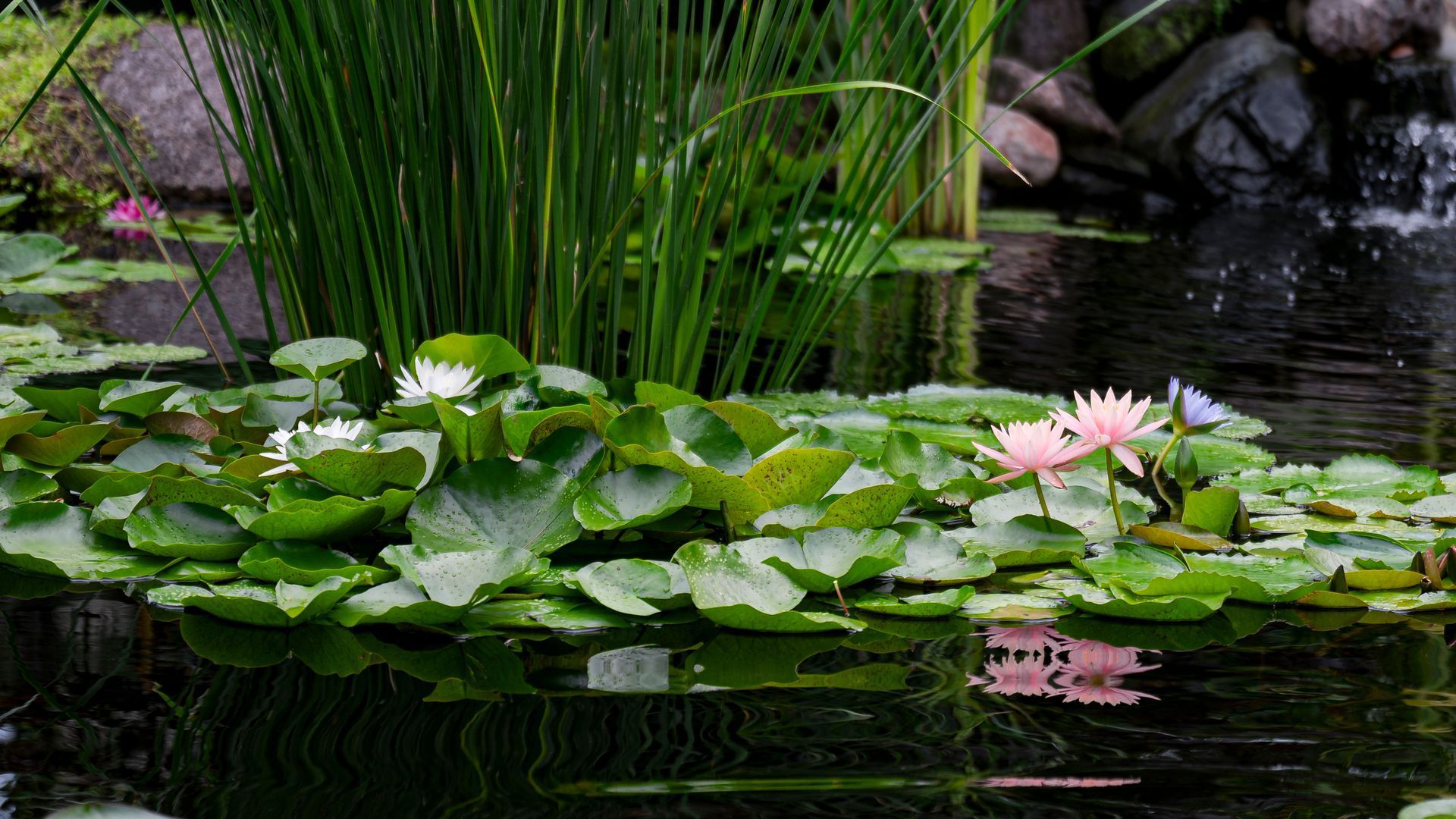
A naturalistic pond or waterfall can turn a noisy yard into a calm backyard sanctuary. When you combine water, stone, and plants, the way nature would, you soften harsh sounds, add privacy, and create a place that feels like it has always belonged outside your back door.
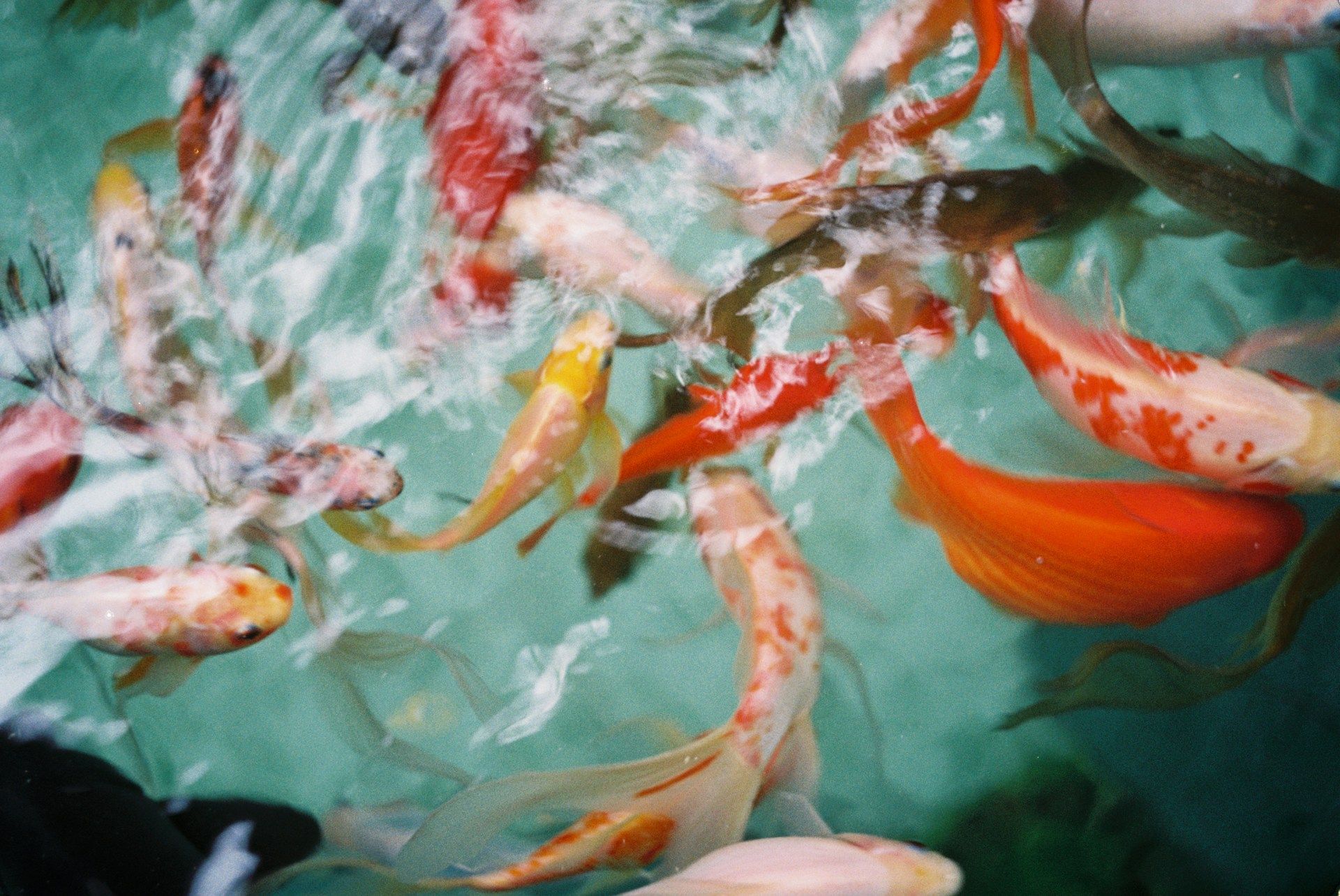
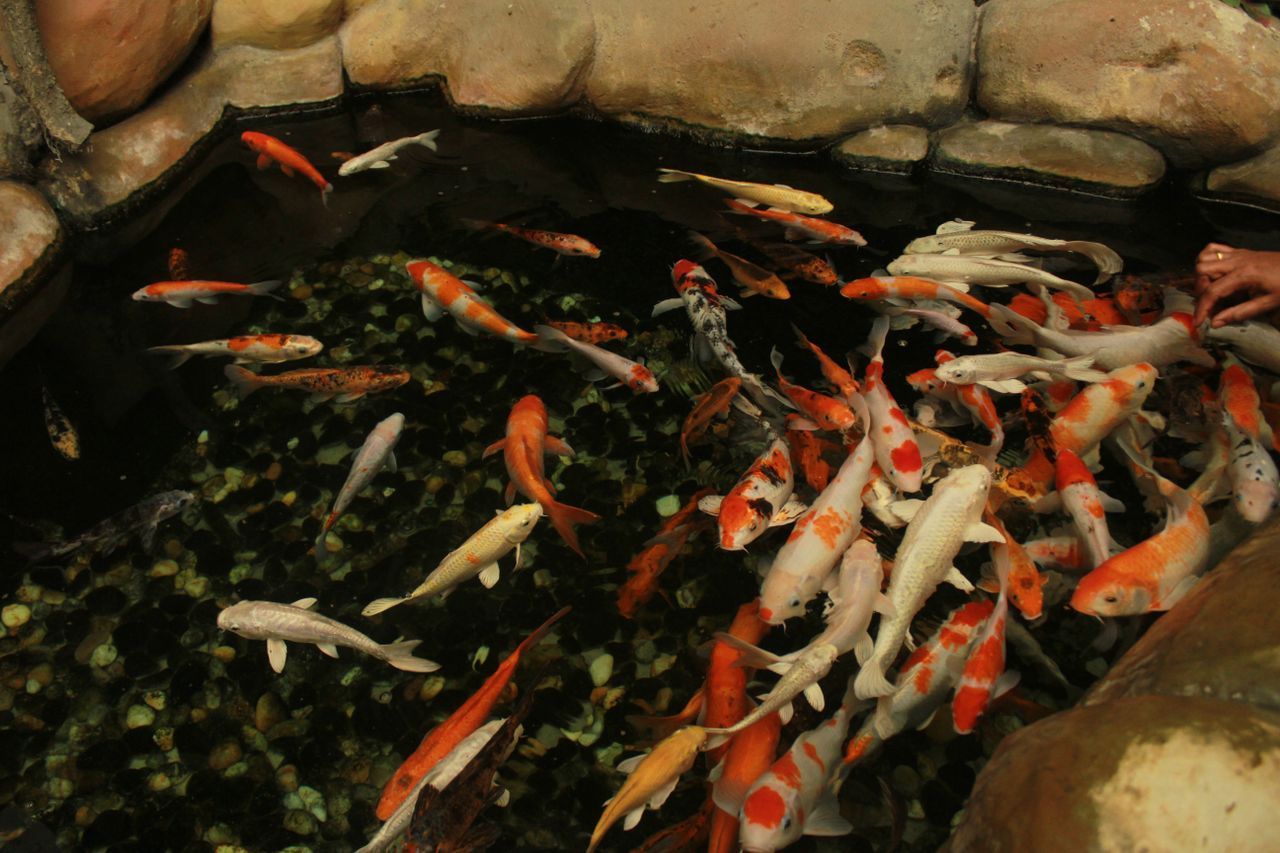
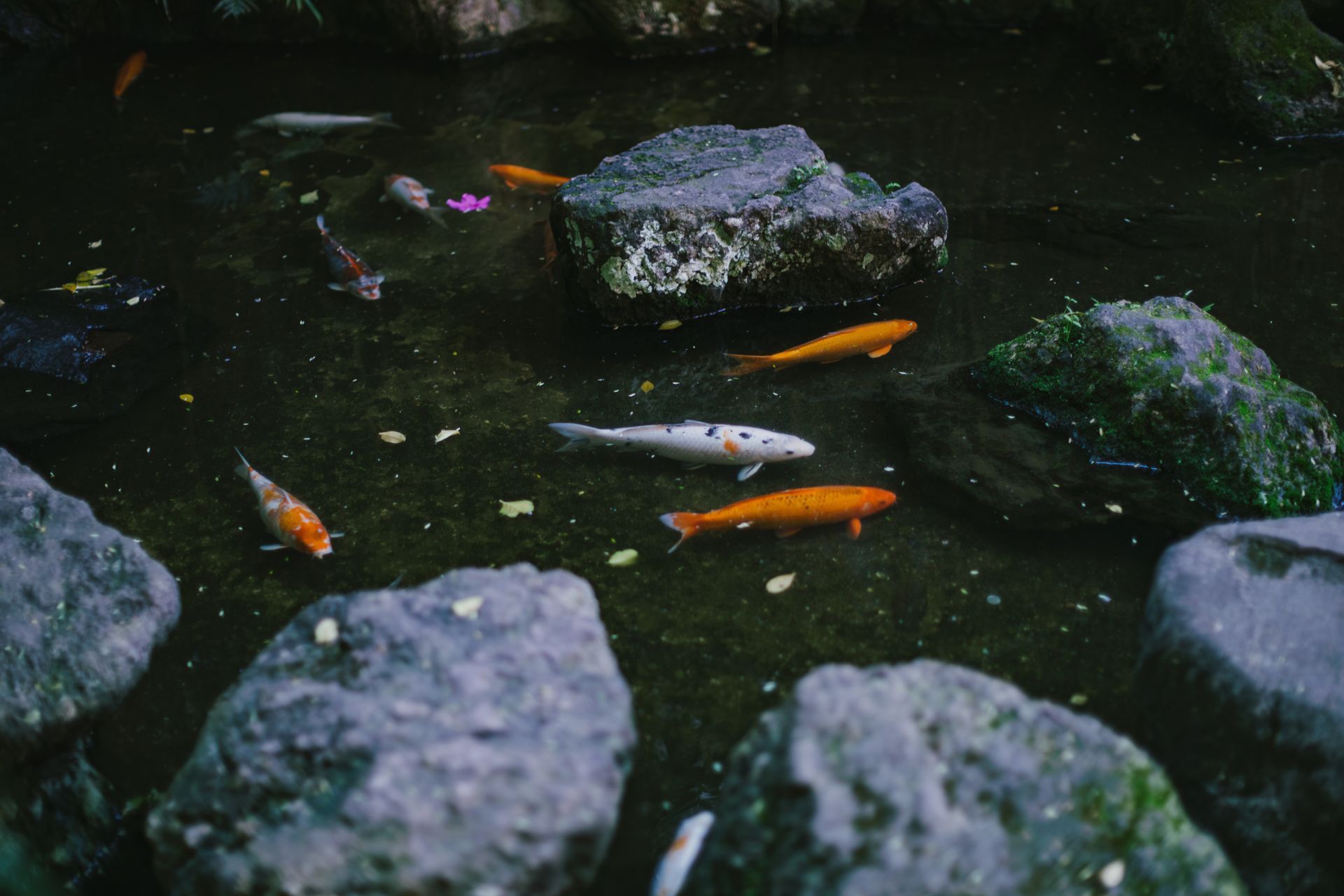
Think about a late-spring evening with the windows open. Instead of traffic and lawn equipment, you hear a gentle waterfall, leaves moving in the breeze, and koi gliding through clear water. Thoughtful planting and stone choices around your water features are what make that shift possible. In this article, we will walk through how to shape sound, block unwanted views, and support a thriving ecosystem, all at the same time.
The "Always Belonged" Look Starts with Stone
Stone is the backbone of any naturalistic pond or waterfall. If the rockwork looks forced, everything around it will feel off. If it looks settled and weathered, the whole space feels calm.
We like to focus on three things with stone:
- Varied boulder sizes, from large anchors to small accent rocks
- Weathered textures that look like they have lived outdoors for years
- Irregular edges that mimic creek banks and stream beds
Larger boulders do more than please the eye. When we place them along property lines or near a busy street, they help create visual quiet. Staggered boulders break up long sightlines so you no longer feel like you are on display in your own yard. We always nestle stones down into the soil, not perched on top, so they appear anchored and timeless.
Stone can also act as a sound barrier. Thicker stone walls, raised berms behind a waterfall, or a run of boulders between you and the road all help absorb and deflect noise. When we set a cascade between the seating area and the main noise source, the water itself becomes a soft sound shield. The rock shapes and ledges control how the water lands, which tunes the "music" from a quiet trickle to a full, steady rush.
Plant Layers That Muffle Noise and Screen the World
Once the stone bones are in place, plants turn the area into a green sound sponge. Dense, layered planting catches and diffuses sound the way acoustic panels do in a theater.
A simple way to think about it is in layers:
- Groundcovers that knit between rocks and along paths
- Shrubs at about ear level to absorb and scatter sound
- Small trees or tall shrubs to catch noise higher up and block views
Evergreen shrubs, ornamental grasses, and flowering perennials can all work together to create privacy without feeling like a solid wall. A mixed planting feels soft and welcoming, not like a fortress fence. Grasses add a gentle rustle in the wind, which blends beautifully with moving water.
For a space installed in late spring, we like to use a mix of plants that leaf out early, hold foliage late into the season, and evergreens that stay full through winter. That way, your sanctuary feels protected even when the leaves in the larger landscape are thin. Around naturalistic water features, this kind of four-season structure also frames views of the pond, so your eye is drawn inward instead of toward neighbors.
Five Elements of a Healthy Koi Pond Sanctuary
A quiet refuge is not only about blocking noise. It also depends on a healthy pond that takes care of itself as much as possible. We look at five main elements working together: filtration, rocks and gravel, plants, fish, and bacteria.
Biological filtration is the quiet workhorse. Beneficial bacteria live in filters, on rocks, and in the gravel. They break down fish waste and other organics, turning them into forms plants can use. This helps keep water clear without relying on harsh chemicals.
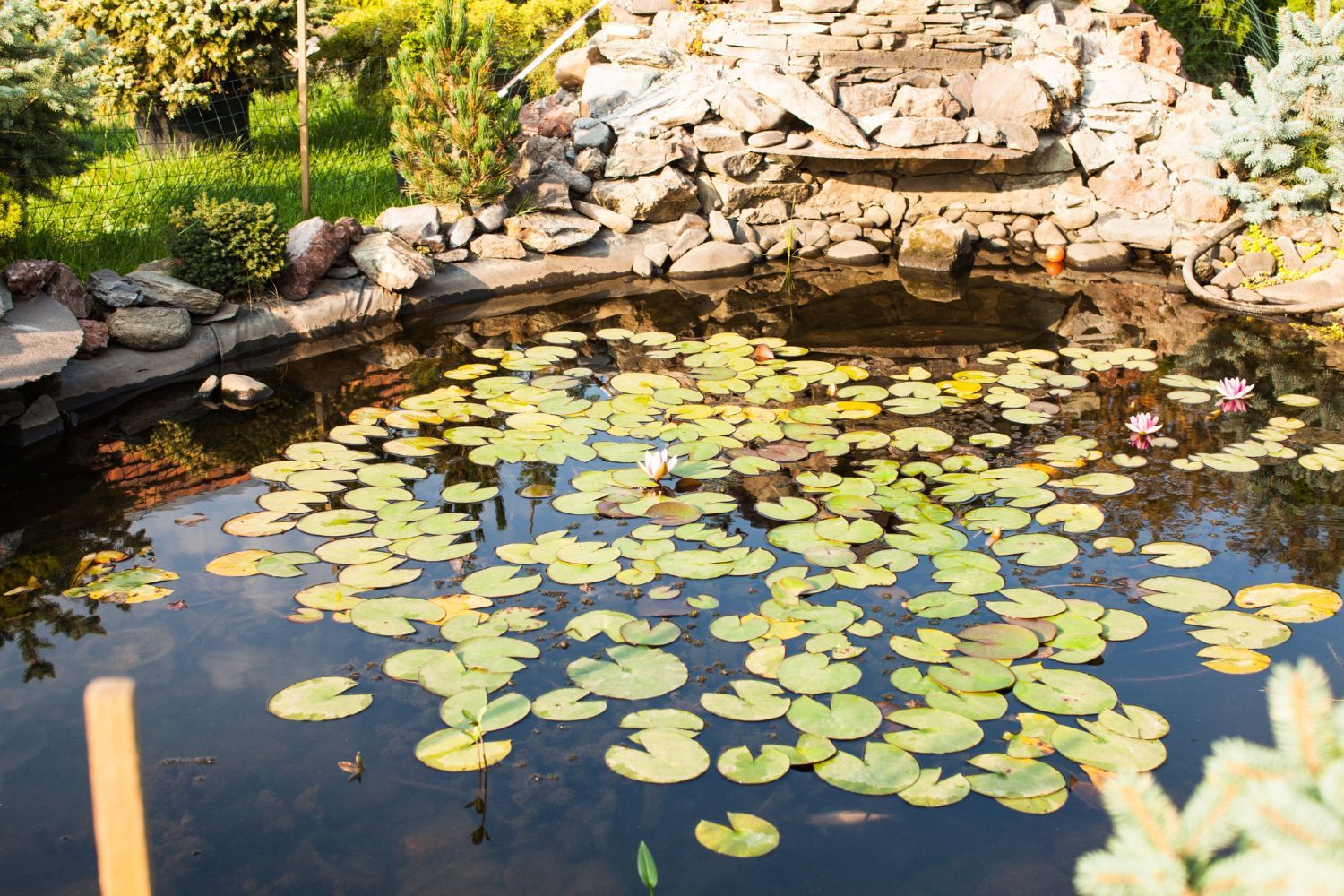
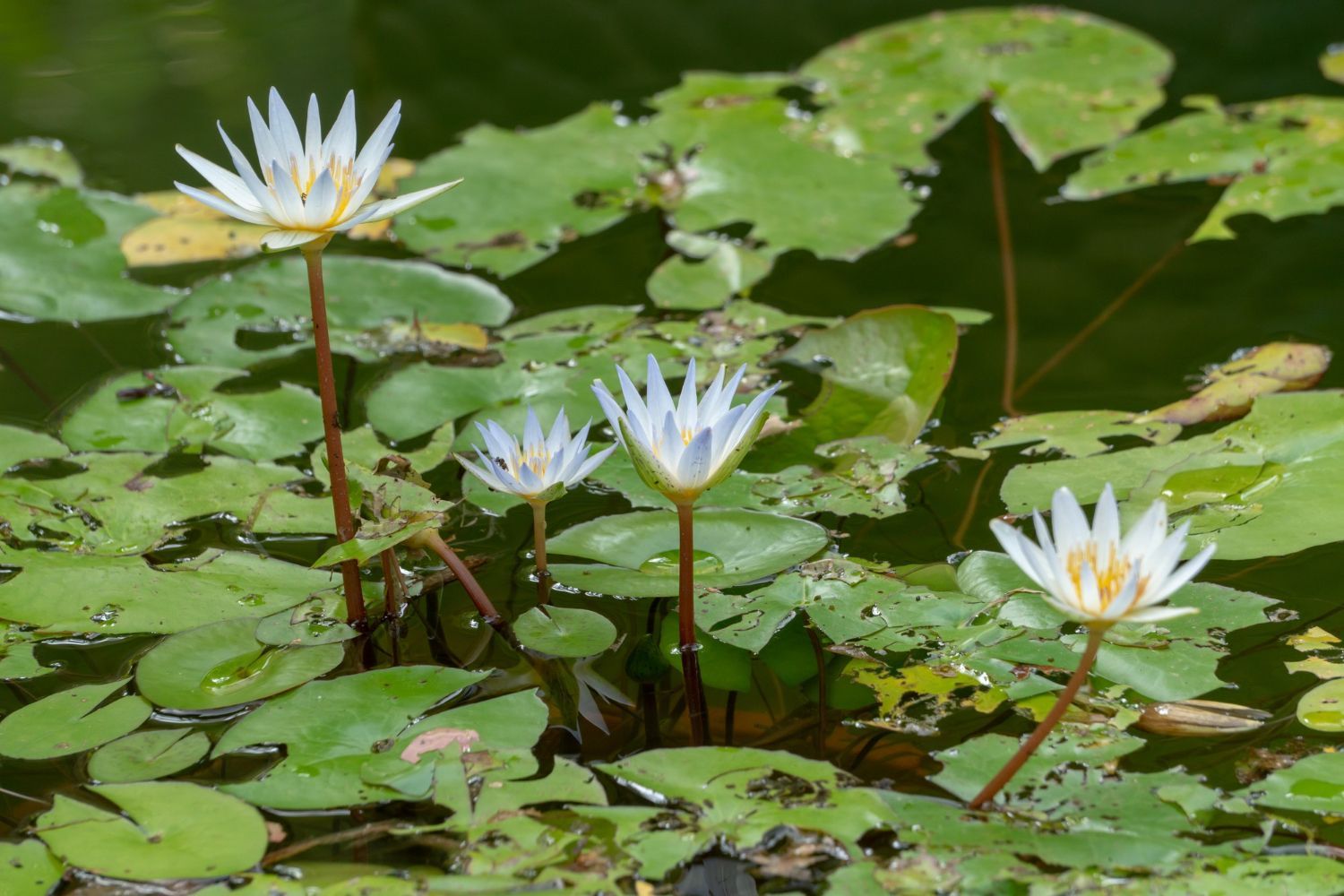
Rocks and gravel are teammates with that filtration. They provide a huge amount of surface area for bacteria, and they give the pond bottom a natural look instead of a bare liner. Aquatic plants then join the team by:
- Shading the water to keep it cooler and more stable
- Taking up extra nutrients that would otherwise feed algae
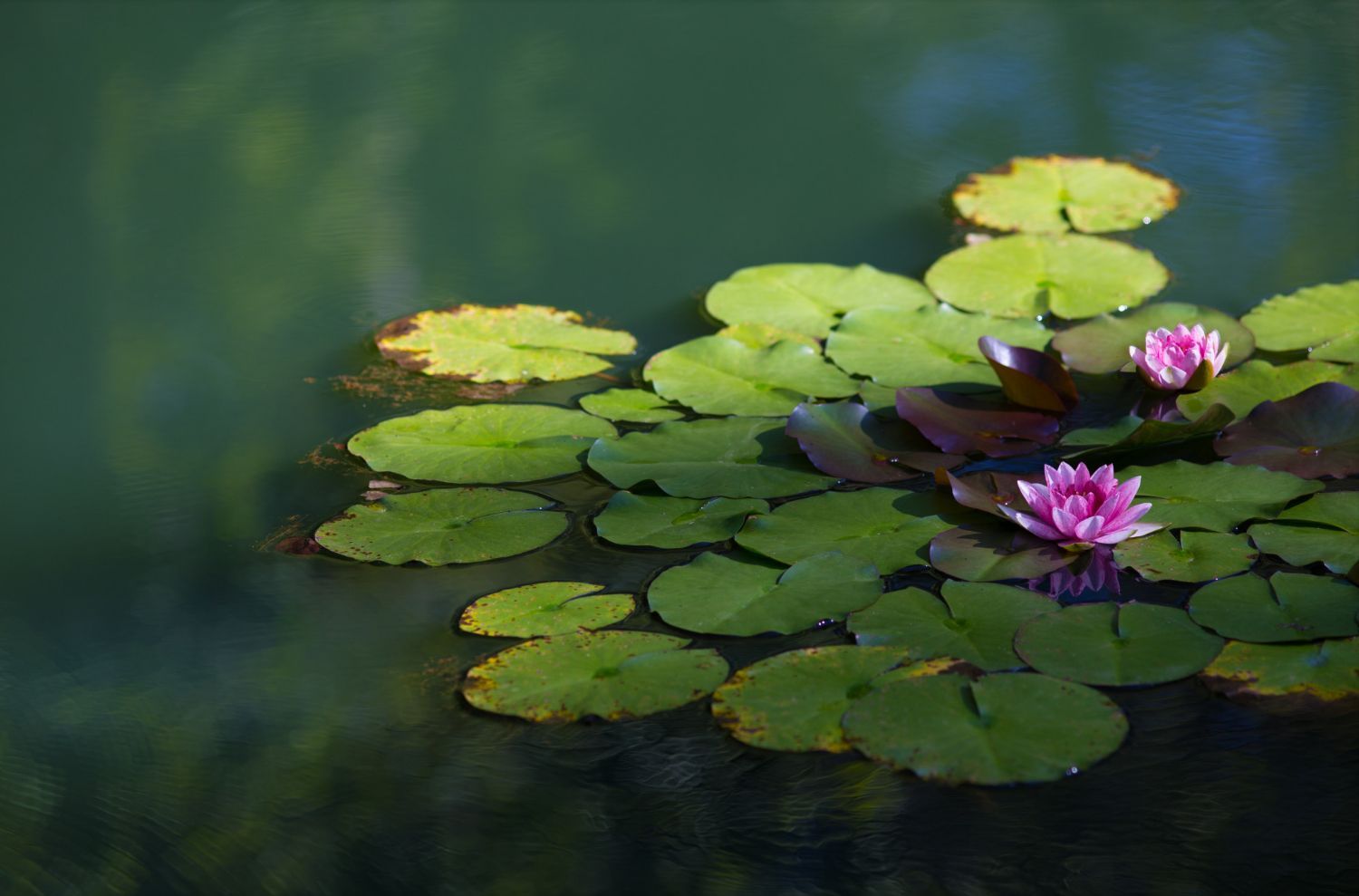
- Softening the pond edge so it feels like a pond found in nature
Fish and bacteria are the heartbeat of the system. Koi and goldfish produce waste, bacteria process it, and plants use the results. With thoughtful design, the pond becomes a balanced, self-adjusting ecosystem. Proper stocking levels and light feeding, especially as water warms in late spring, help keep that balance so nature can do much of the work for you.
Koi Comfort Through Shade, Depth, and Calm Water
Koi are often the main reason people add water features to their yard, so the design should keep them comfortable and relaxed. A stressed fish is not only sad to watch; it is also more likely to get sick.
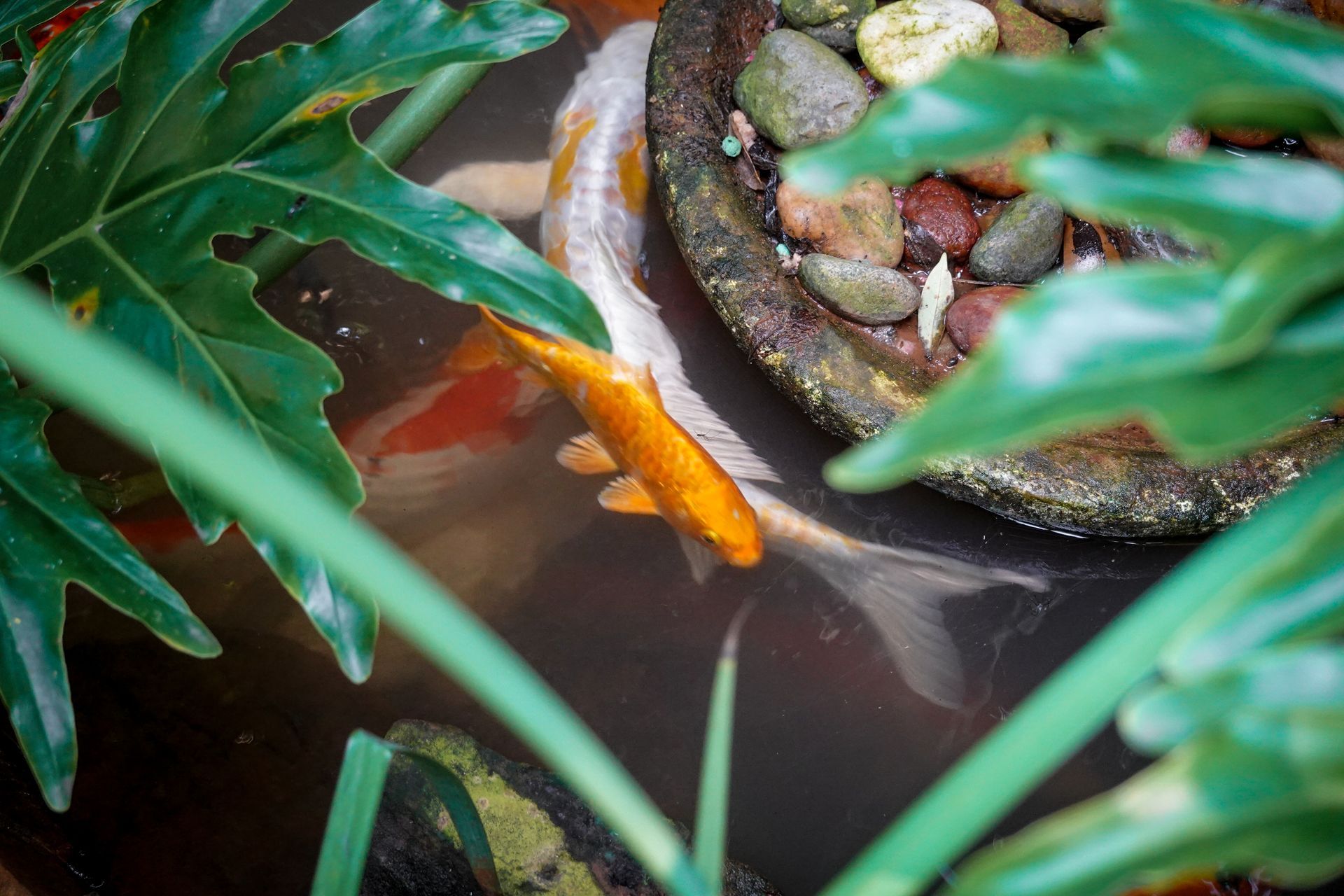
We like to build quiet zones beneath the surface. Deeper areas let koi slip away from heat on bright days. Overhanging rocks and groups of marginal plants along the edges create shaded hiding spots where fish can retreat from predators and backyard activity. These secure places help koi feel safe, which leads to calmer swimming and better color.
Water movement is just as important. A properly designed waterfall, stream, or fountain head does more than sound nice. Moving water picks up oxygen as it tumbles over stone and meets the air. Good oxygen levels:
- Support koi health and active behavior
- Keep beneficial bacteria colonies stable
- Help maintain fresh, clean-smelling water
In late spring and early summer, we suggest simple habits like restarting feeding slowly as the water stays above about 50 to 55 degrees Fahrenheit, watching for clear eyes and smooth fins, and avoiding sudden changes to water chemistry or temperature. Small, steady adjustments keep koi relaxed and the whole ecosystem steady.
Shaping Sound and Light for Deeper Relaxation
Part of what makes a backyard sanctuary feel so soothing is the way your senses are gently guided. With water features, we can shape both sound and light.
The character of water sound changes with the design. Taller drops and narrow falls create a livelier, more focused rush that can help block nearby streets. Wider, sheet-like cascades create a soft murmur, good for quiet conversations. The stones we choose for the water to run over ripple, smooth, or break the flow into different notes, almost like tuning an instrument.
We also like to include still pockets of water near moving areas. These calm surfaces act like mirrors, reflecting sky, plants, and stone. That reflection makes a small yard feel larger and gives your eyes a peaceful place to rest. Watching ripples fade on a reflective pool can be surprisingly calming at the end of a long day.
At night, gentle lighting extends the sanctuary feeling. Warm, low-voltage fixtures aimed at key stones, certain plants, and the water surface bring out natural textures without shining into windows. The goal is a soft glow that suggests the form of the pond and the movement of water, not a bright display. With that kind of setup, a backyard in the Portland area, or anywhere with long evenings, becomes a favorite spot to unwind.
Bring Your Backyard Sanctuary Vision to Life
Creating a quiet refuge starts with paying attention. Notice where noise enters your yard, where you naturally like to sit, and which views you enjoy or would rather soften. Then picture how stone, layered plants, and naturalistic water features could change what you see and hear in those spots.
When stone, plants, filtration, fish, and bacteria are planned together, the result feels like it was designed by nature itself. Your pond becomes more than a decoration. It turns into a living, thriving ecosystem that quietly buffers stress and welcomes you outside, one gentle waterfall at a time.
Get Started With Your Project Today
If you are ready to bring the sound and beauty of flowing water into your outdoor space, we are here to help you design and build the perfect feature. Explore our custom
water features to see how we can transform your yard into a relaxing retreat. At PD Waterscapes, we listen carefully to your ideas and guide you through every step so your project fits your lifestyle and budget. Have questions or want to discuss your vision with our team now? Just
contact us to get started.