Designing a Koi Pond That Looks Like It Always Belonged
A koi pond should feel like part of your yard’s story, not like a big plastic tub dropped in by a machine. When a pond is shaped, stoned, and planted with care, it feels “designed by nature,” as if the water simply chose that spot long ago.
In Connecticut, early spring is a great time to plan and build so you can enjoy koi ponds through warm days and cool nights. We will walk through how stone, plants, ecosystem design, koi care, and the sensory details of water sound and light all work together to create a backyard sanctuary that looks like it has always belonged right where it is.
Shaping with Stone so the Pond Feels Natural
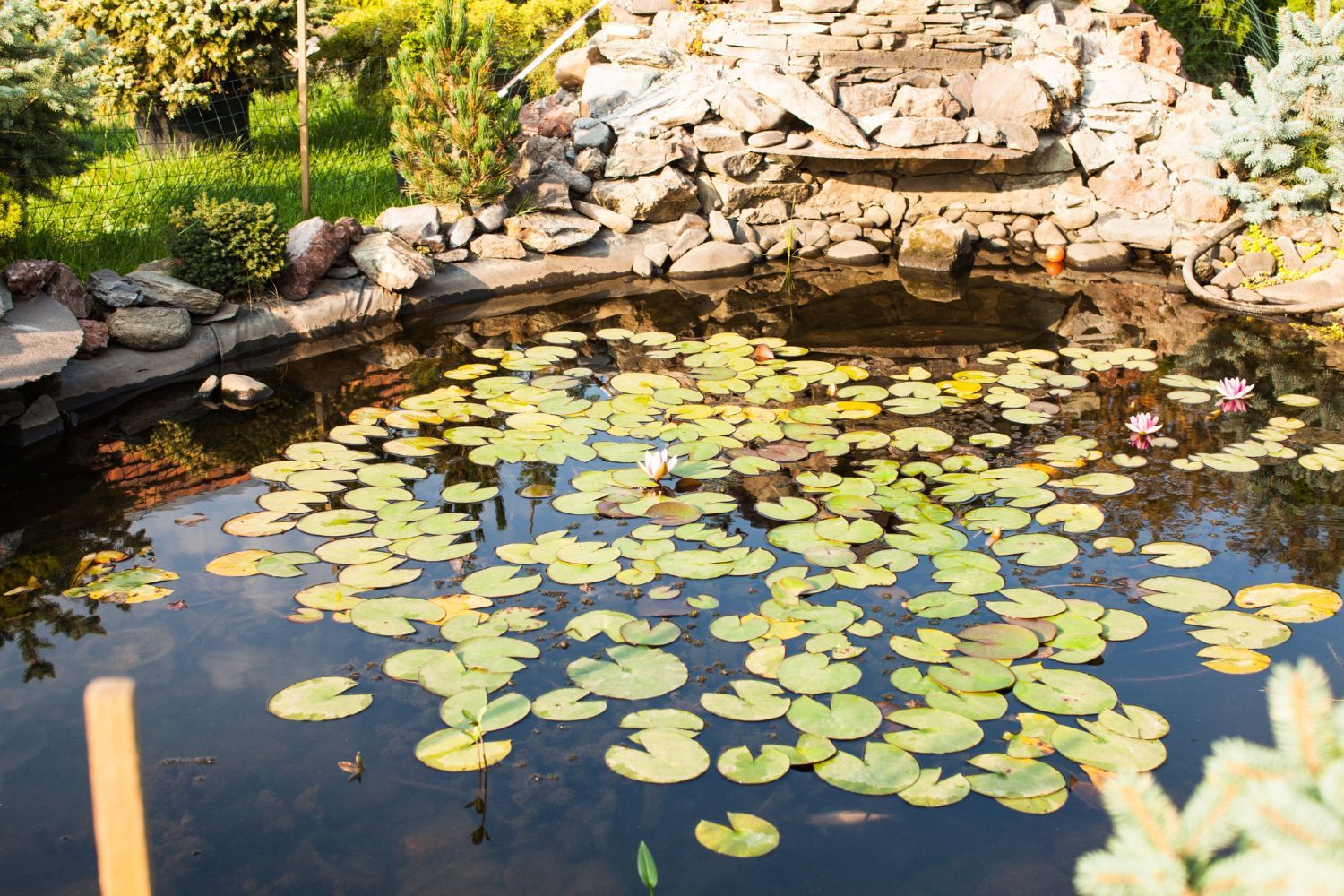
The “always belonged” look starts with the shape of the pond. Nature does not draw perfect ovals or straight lines, so we avoid those too. Instead, we use soft curves and pockets of varied depth so the shoreline feels like it slowly formed over time.
Stone is what really anchors the pond into the yard. We think about how it fits with your home and existing landscape, choosing a mix that might include:
- Larger boulders that look like old ledge stones
- Fieldstone that matches nearby walls or steps
- River rock in shallow areas where water “meets” land
We place rock in a way that breaks up the outline of the pond and hides man-made clues. The liner should never catch your eye. Edges are tucked up under overlapping stone, then softened with gravel and planting pockets so you see rocks and plants, not black plastic.
Equipment should feel hidden in plain sight. Skimmers, intake bays, and filter areas can sit behind or inside rock groupings so you hear water flowing through them but do not stare at boxes or pipes. Varied elevations help too. Small shelves, a gentle slope on one side, a deeper bowl for koi in the middle, and a naturalistic waterfall or stream give the feeling that the water found its own path instead of being forced into a hole.
Planting a Pond That Looks Decades Old
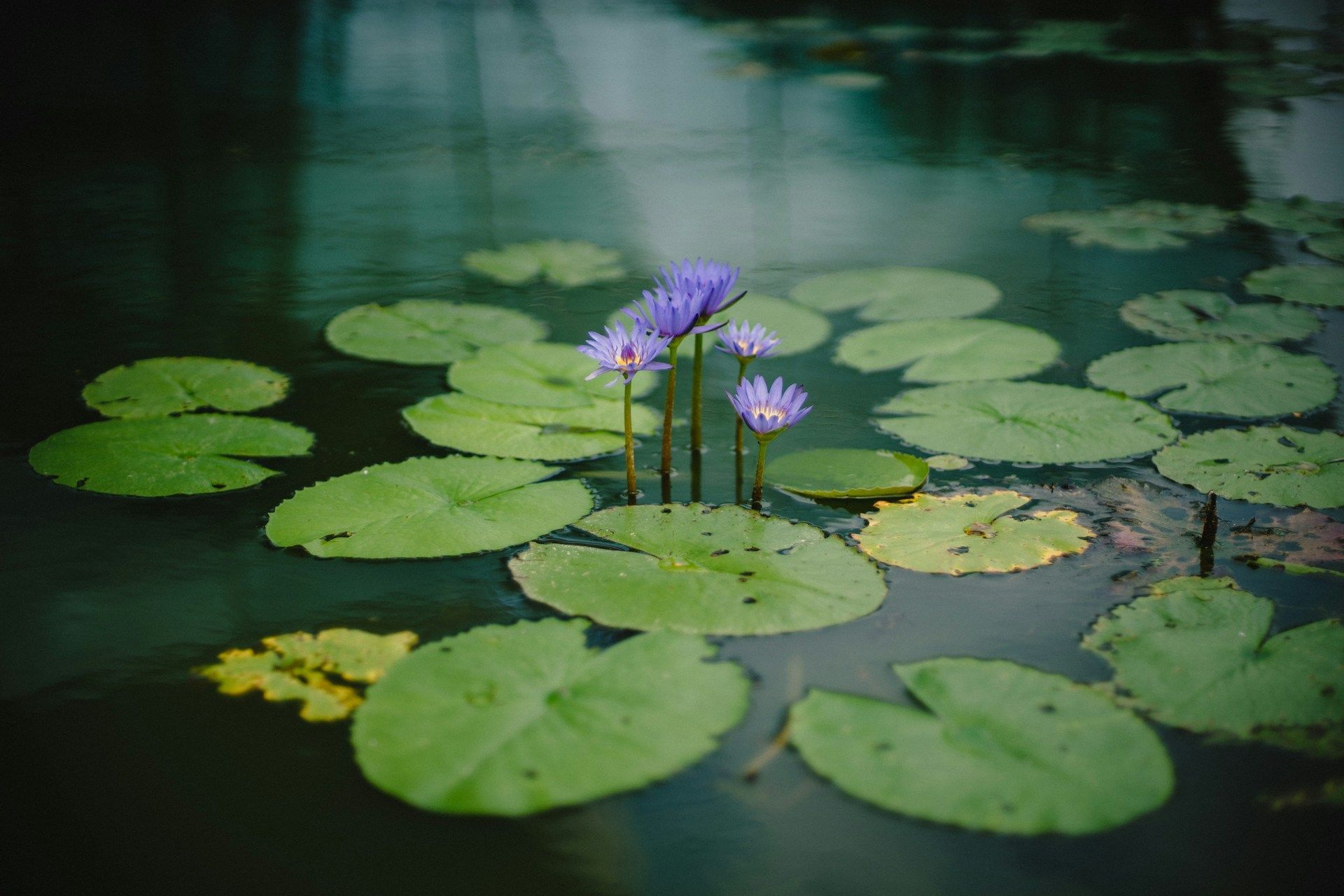
Plants are what make a new koi pond look like it has been there for years. We think in layers, from tall to low, so the eye does not see a hard line between land and water.
Around a natural-style koi pond, we often use:
- Taller background plants behind rocks for structure
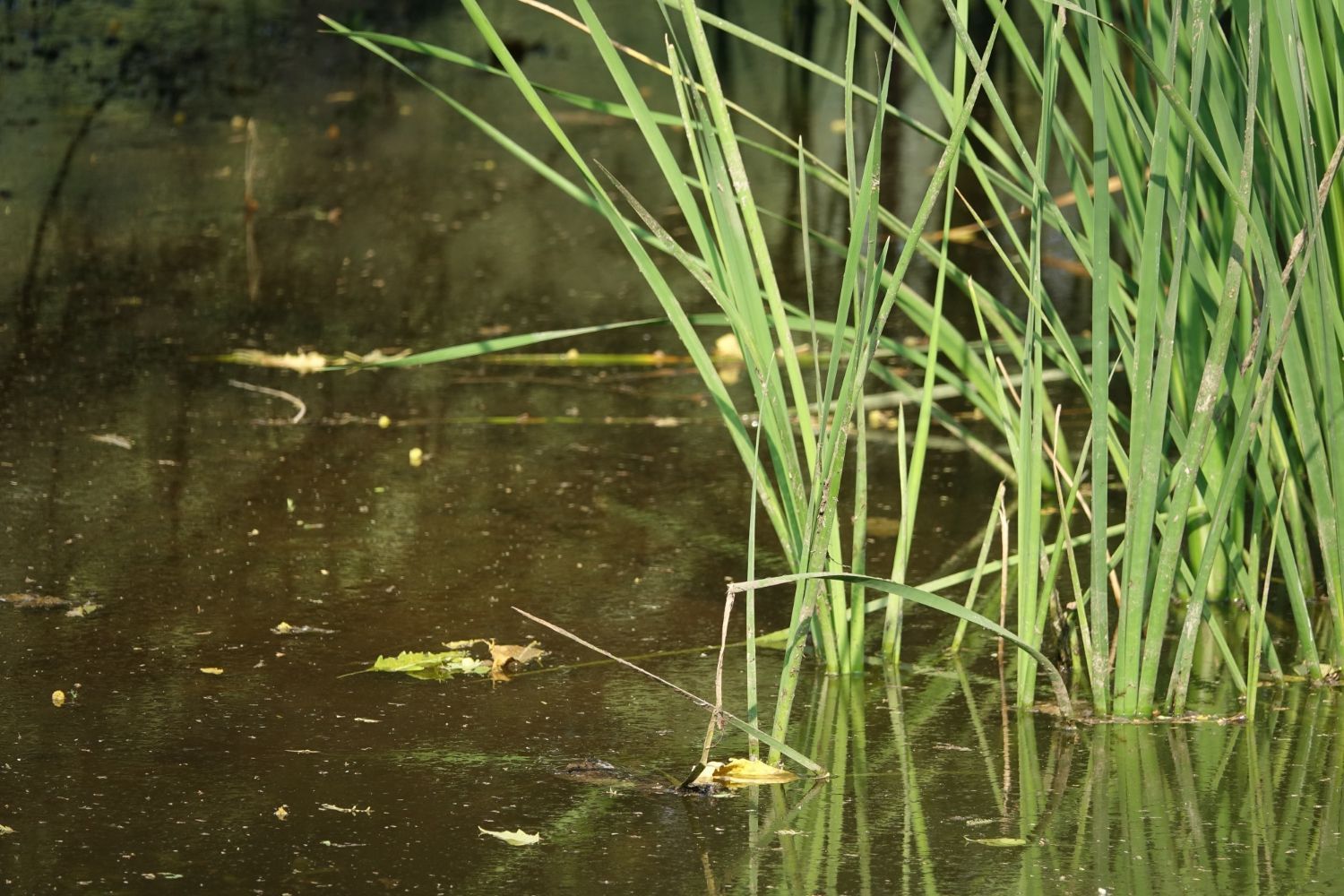
- Mid-height marginal plants along the water’s edge
- Low groundcovers and creeping plants that spill between stones
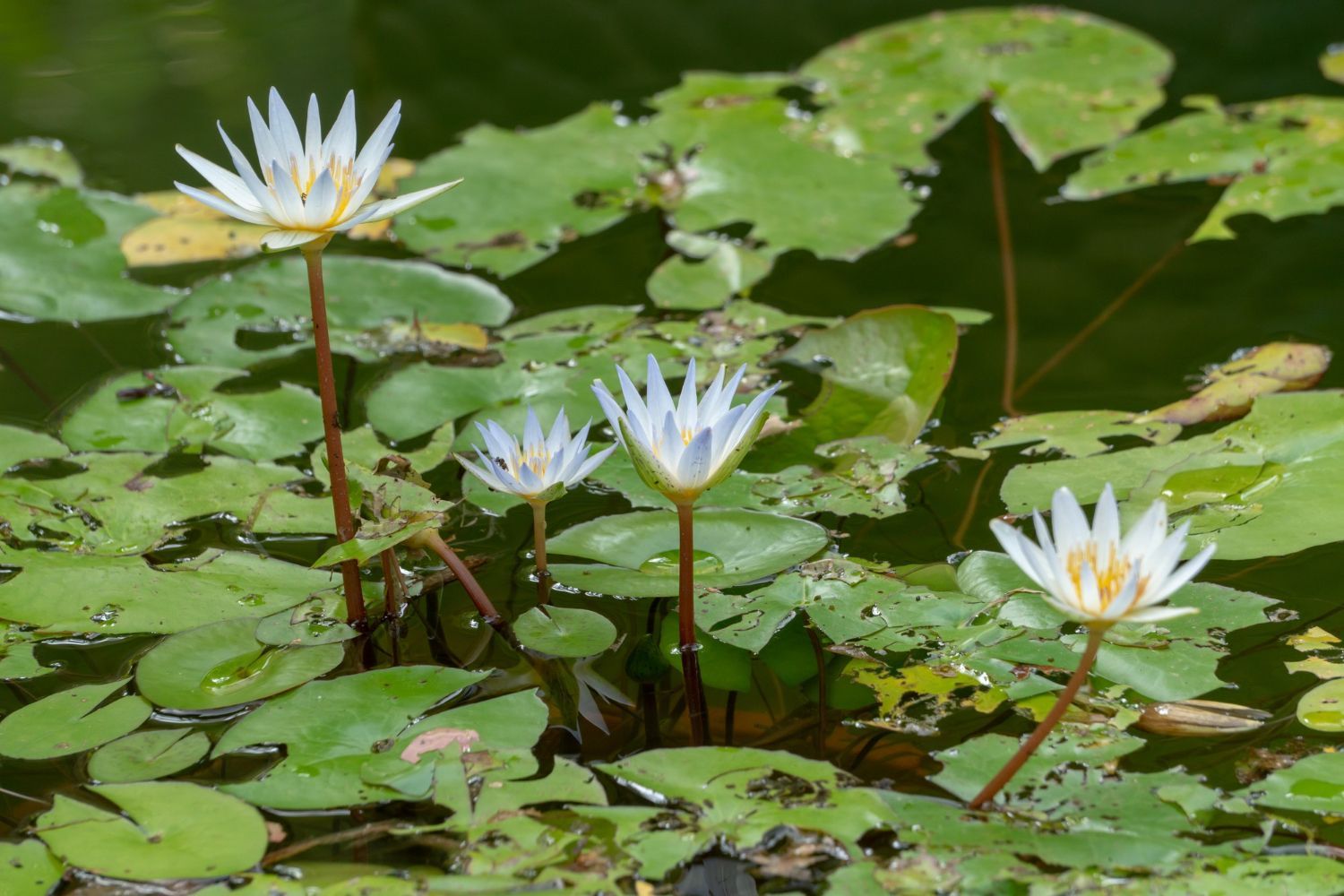
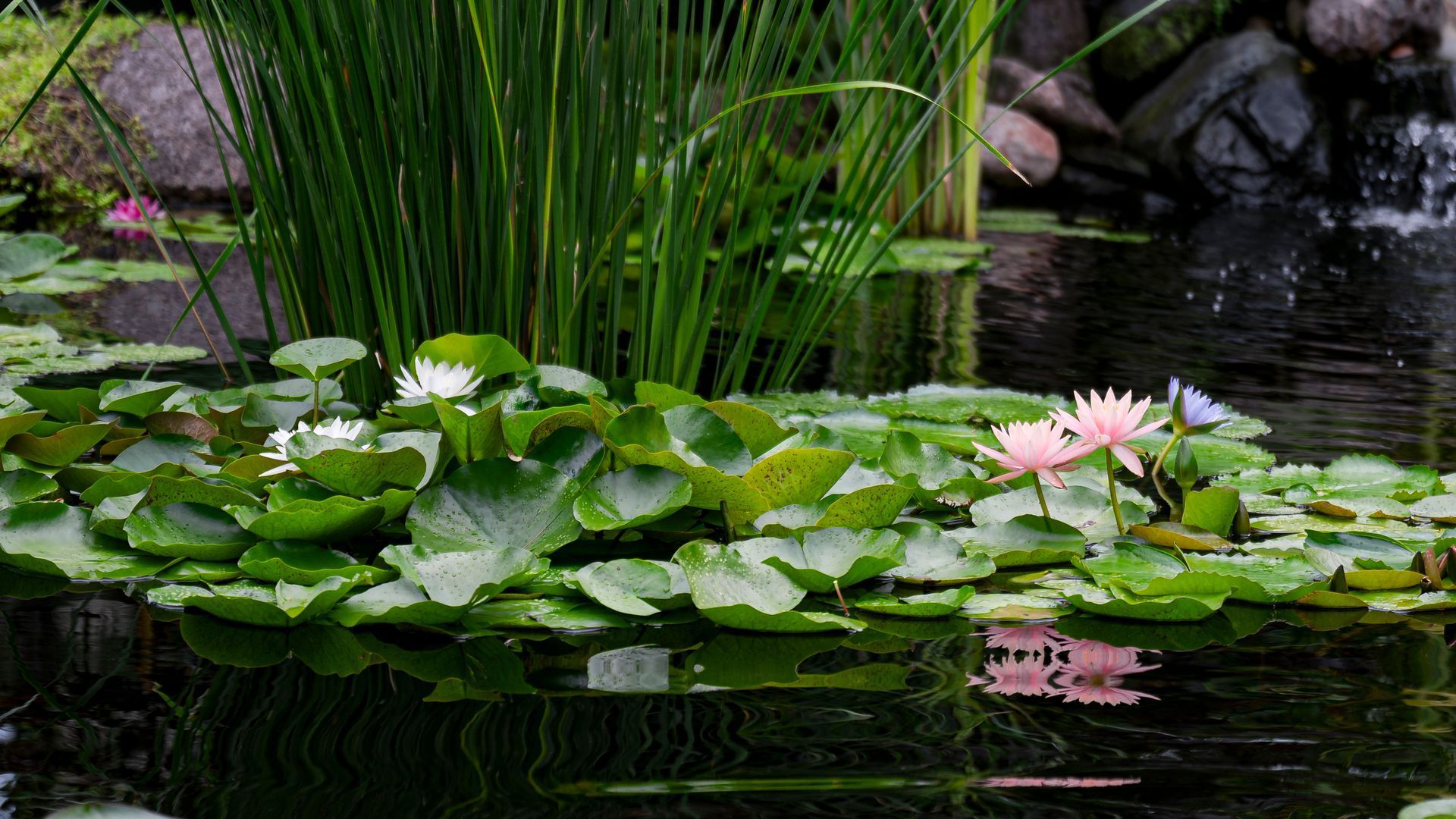
Connecticut-friendly aquatic and shoreline plants can shade the water, hold soil in place, and act as natural “biological filtration” by soaking up nutrients that would otherwise feed algae. When chosen well, they also tie into the rest of your garden so the pond feels like part of the same place.
We like plants that drape over the edges, soften rock, and blur where the liner ends. When leaves spill down over boulders and roots grip into gravel pockets, the pond starts to look like it predated the patio instead of the other way around.
Four-season interest matters too, especially in New England. Early spring blooms bring color when the water is just waking up. Lush summer foliage creates that full, secret-garden feel. Fall color reflects on the surface for a rich, warm look. In winter, strong shapes from evergreens and seed heads give the frozen pond quiet structure instead of a bare, empty hole.
The Five Elements of a Healthy Koi Ecosystem
A koi pond is not just a pretty water feature. It is a living system where every part helps keep the water clear and the fish healthy. When you design for an ecosystem from day one, the pond looks better and feels calmer to live with.
We always think in terms of five key elements:
There are two main types. Mechanical filtration removes leaves and debris before they sink and rot. Biological filtration, often in a biofall or similar area, is where beneficial bacteria live. These bacteria convert fish waste into safer forms that plants can use as food, which keeps water healthier for koi.
Rock work is not only for looks. Boulders and river rock protect the liner and stabilize slopes. Gravel on shelves and in shallow areas provides a huge amount of surface area for beneficial bacteria to grow. This quiet bacterial “city” is what helps support that thriving ecosystem feeling.
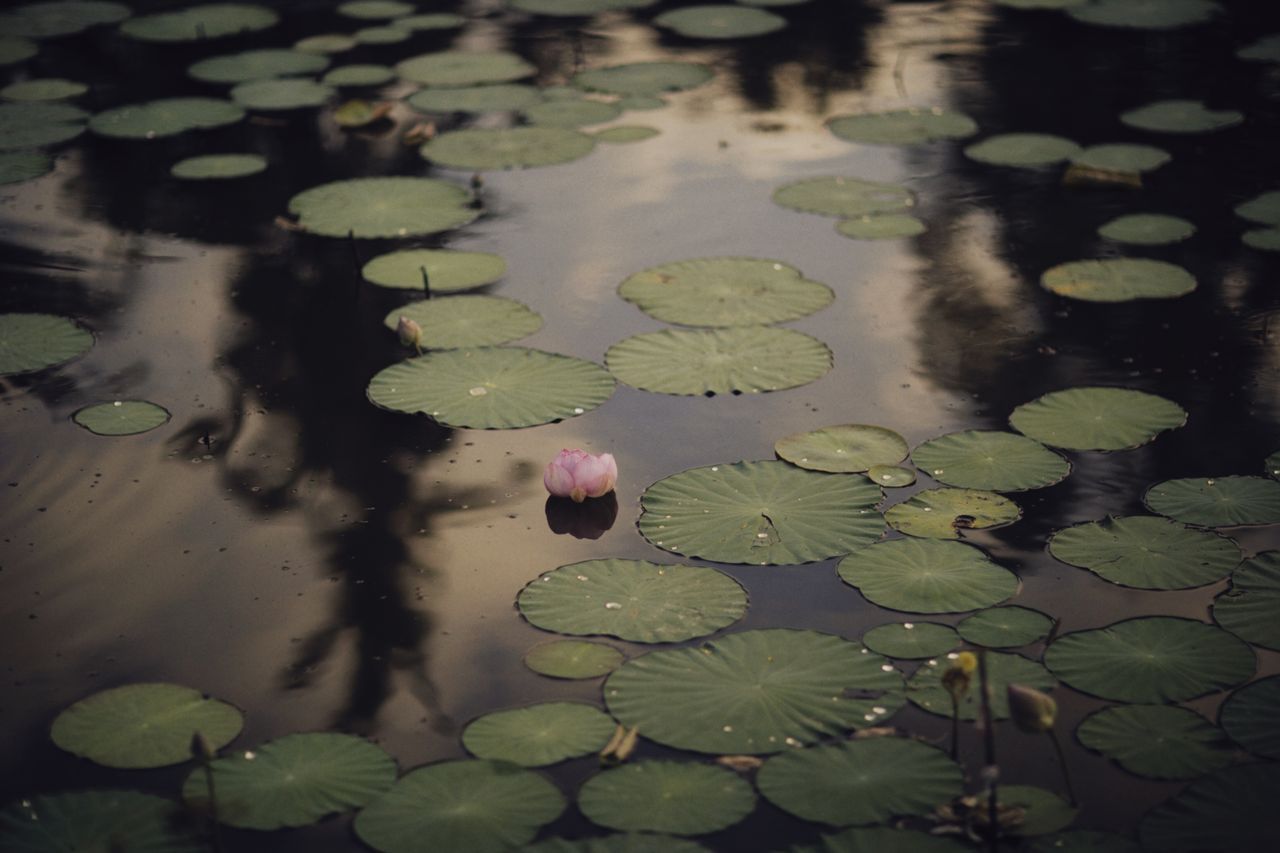
Aquatic plants shade the water, absorb excess nutrients, and break up the surface so algae has a harder time taking over. They also make the pond look like it was designed by nature, not just built for pumps and pipes.
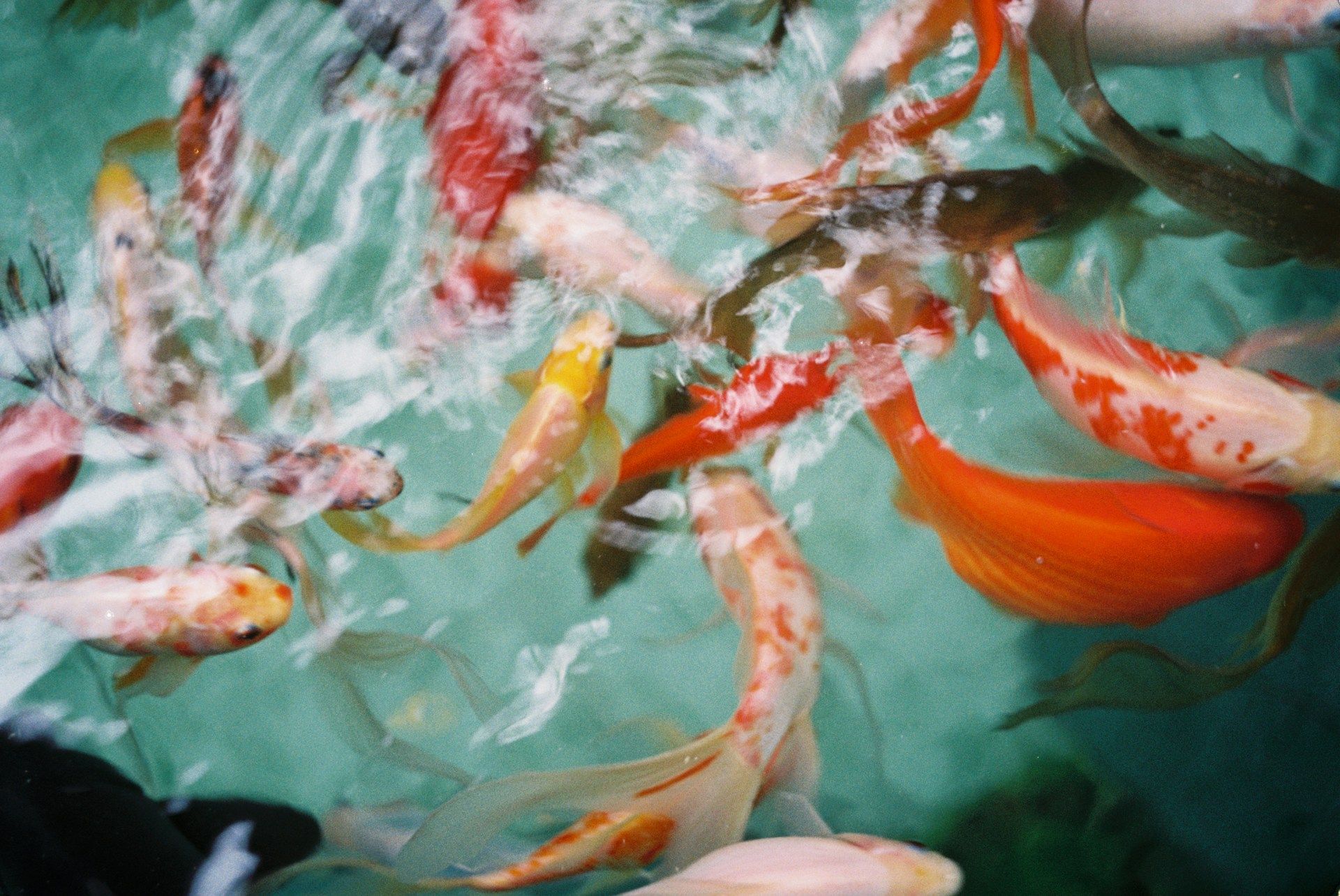
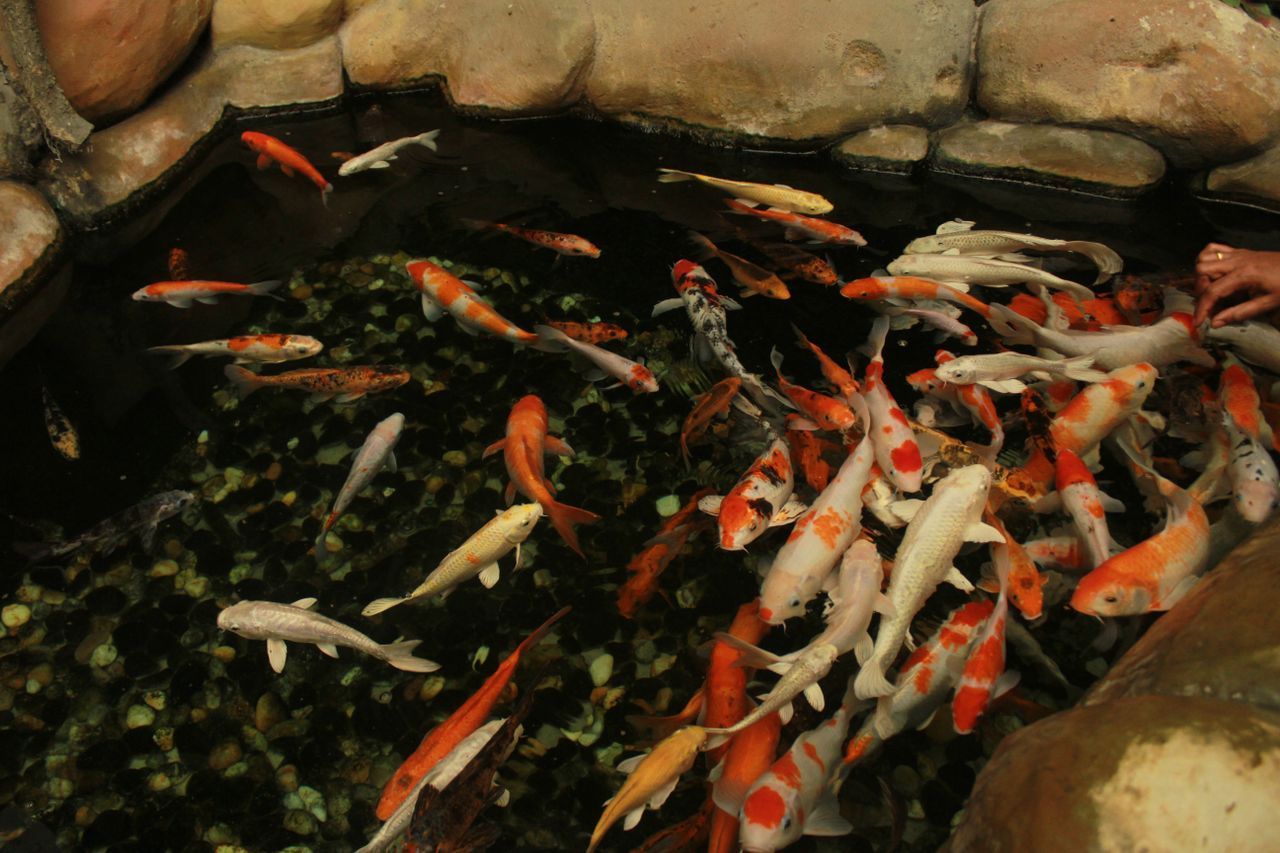
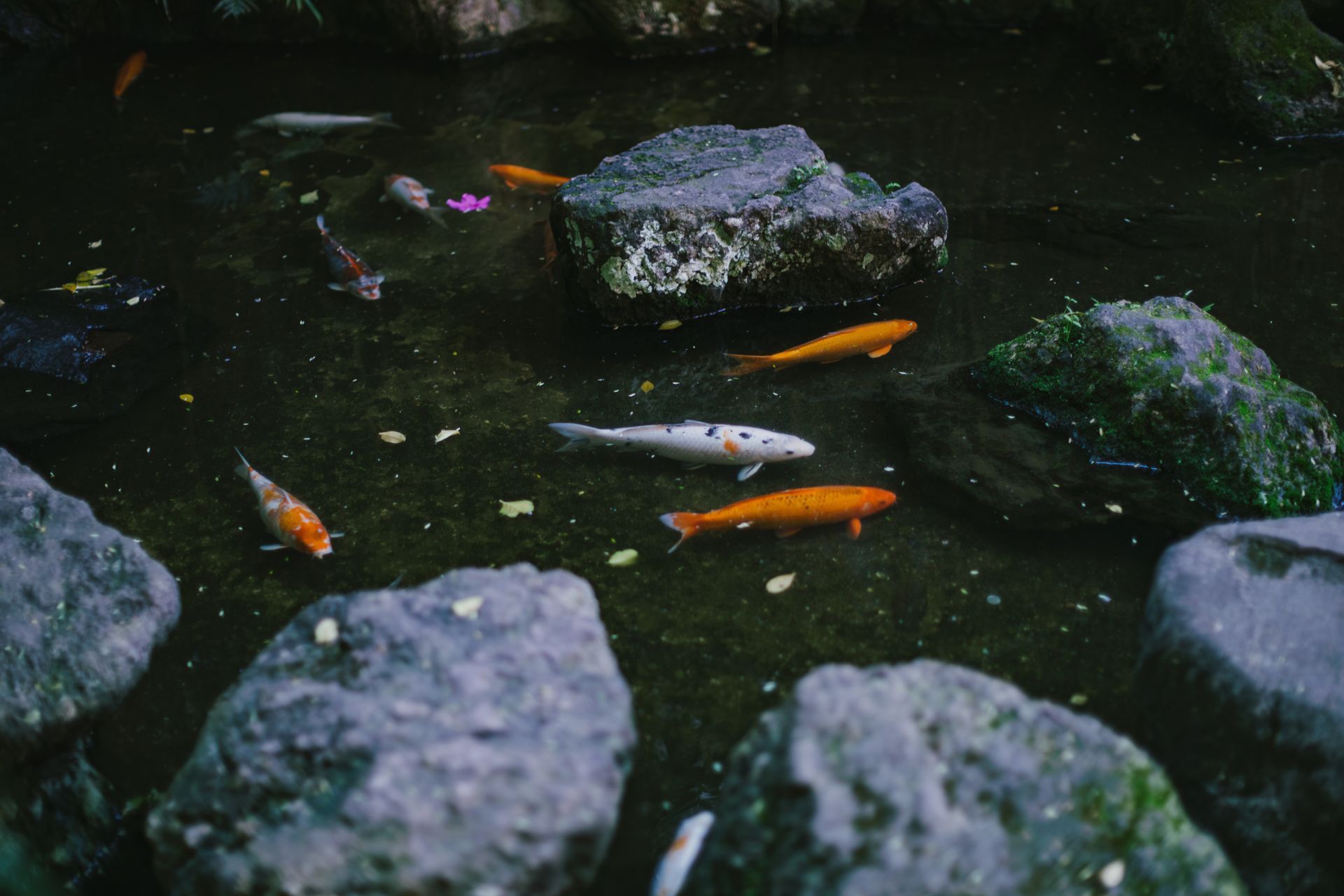
Koi are the stars, but they are part of a food web. They stir the bottom, keep certain plants in check, and bring movement and color. Other compatible fish can help with insects or algae while adding more life and variety.
These microscopic helpers are easy to forget, but they are the quiet workers that turn a pond into a living, balanced system. They live on every surface, especially rocks and gravel, and tie together filtration, plants, and fish in one loop.
Koi Care That Protects Your Living Investment
Koi are a long-term commitment and a living investment. Thoughtful planning from the start keeps them healthier and makes the pond more enjoyable.
We always think about stocking with the future in mind. Koi grow, sometimes far more than people expect. It is better to start with fewer fish, choose types you truly enjoy looking at, and allow plenty of swimming space. Overcrowding leads to stress, water quality problems, and more disease risk.
Seasonal care in a climate like Connecticut is all about gentle changes:
- Spring:
wake the system slowly, clean filters, test water, and ease back into feeding as temperatures rise.
- Summer:
keep an eye on oxygen levels during heat waves, add shade where needed, and watch fish behavior closely.
- Fall:
protect the pond from leaves, adjust feeding as water cools, and prepare the system for winter.
Water quality is about consistency, not big swings. Regular testing for ammonia, nitrite, and pH, along with temperature awareness, tells you how your ecosystem is doing before problems show up on your koi. When you feed, think of it as both care and connection. High-quality food, no overfeeding, and slow, calm hand-feeding time help you spot changes in their appetite, color, or movement.
Designing with Sound, Light, and Reflection
The final layer that makes a koi pond feel like it always belonged is the sensory experience. Water sound, light on the surface, and even nighttime noises all help turn the space into a true backyard sanctuary.
Waterfalls and streams can be tuned for mood:
- A gentle trickle for a quiet corner meant for reading or meditation
- A livelier cascade when you want to mask street noise or neighbors
- A series of small drops and channels that sound like a forest stream
We pay attention to how water moves over rock, how far it falls, and how fast it flows so the waterfall looks and sounds like it was shaped by years of flowing water, not just placed there one day.
Visually, water is like a moving mirror. On calm days you see sky and trees reflected on the surface. On breezy afternoons, small ripples send dancing light up under leaves and across stones. Thoughtful, subtle lighting can extend this into the evening, with soft glows underwater or along the edges so koi glide like living lanterns just below the surface.
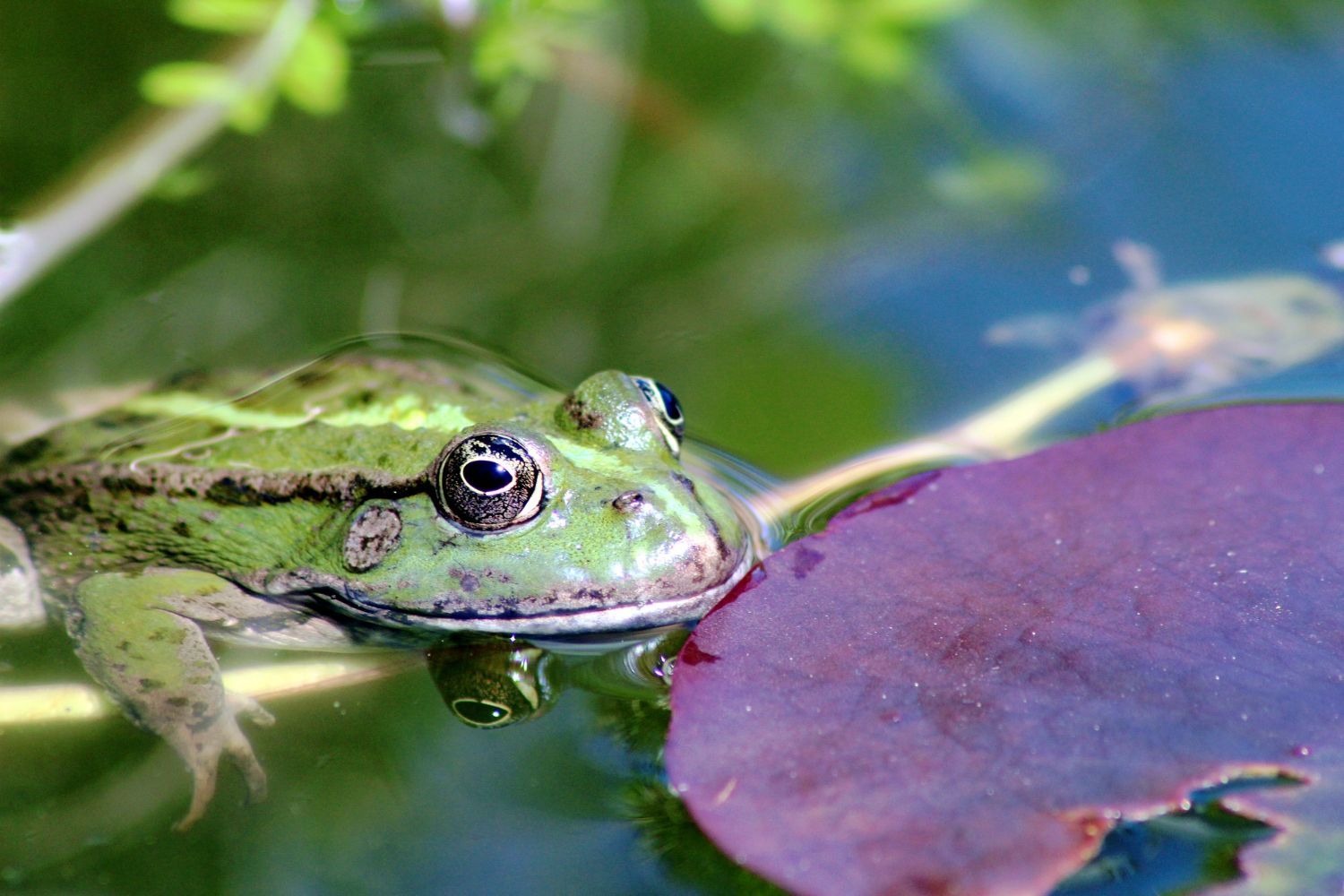
Add in frog songs at night, the low splash of a waterfall, and the slow movement of koi, and you get more than a pond. You get a backyard refuge that feels grounded, calm, and deeply connected to the rest of your landscape, as if it has always been part of your home.
Transform Your Backyard With a Living Koi Pond Retreat
Ready to bring movement, color, and tranquility to your outdoor space with a custom water feature designed around your lifestyle? At PD Waterscapes, we specialize in building natural, low-maintenance
koi ponds that keep both fish and plants healthy year-round. Tell us about your yard, goals, and budget, and we will design a pond that fits seamlessly into your landscape. If you are ready to explore options or schedule a consultation, simply
contact us today.