When a Peaceful Pond Starts Whispering Warnings
A healthy ecosystem pond feels calm, steady and alive. The waterfall sounds soothing, the water has a soft sparkle and the fish move with slow confidence. When something is off, you can often sense it before you can explain it. Maybe the water looks a little dull, or the plants seem tired, even though the pump is still running.
That feeling matters. An ecosystem pond is a living system, not a simple water feature. Long before you see a crisis like fish loss or pea soup water, your pond sends small, clear signals. Sound alone will not tell you if balance is slipping. Fish behavior, plant stress, foam, odor, biofilm and even insect activity all work like early-warning lights. Around West Hartford and nearby towns, spring is a perfect time to start noticing these clues as the water warms and life wakes up.
Reading Your Fish: The First Line of Defense
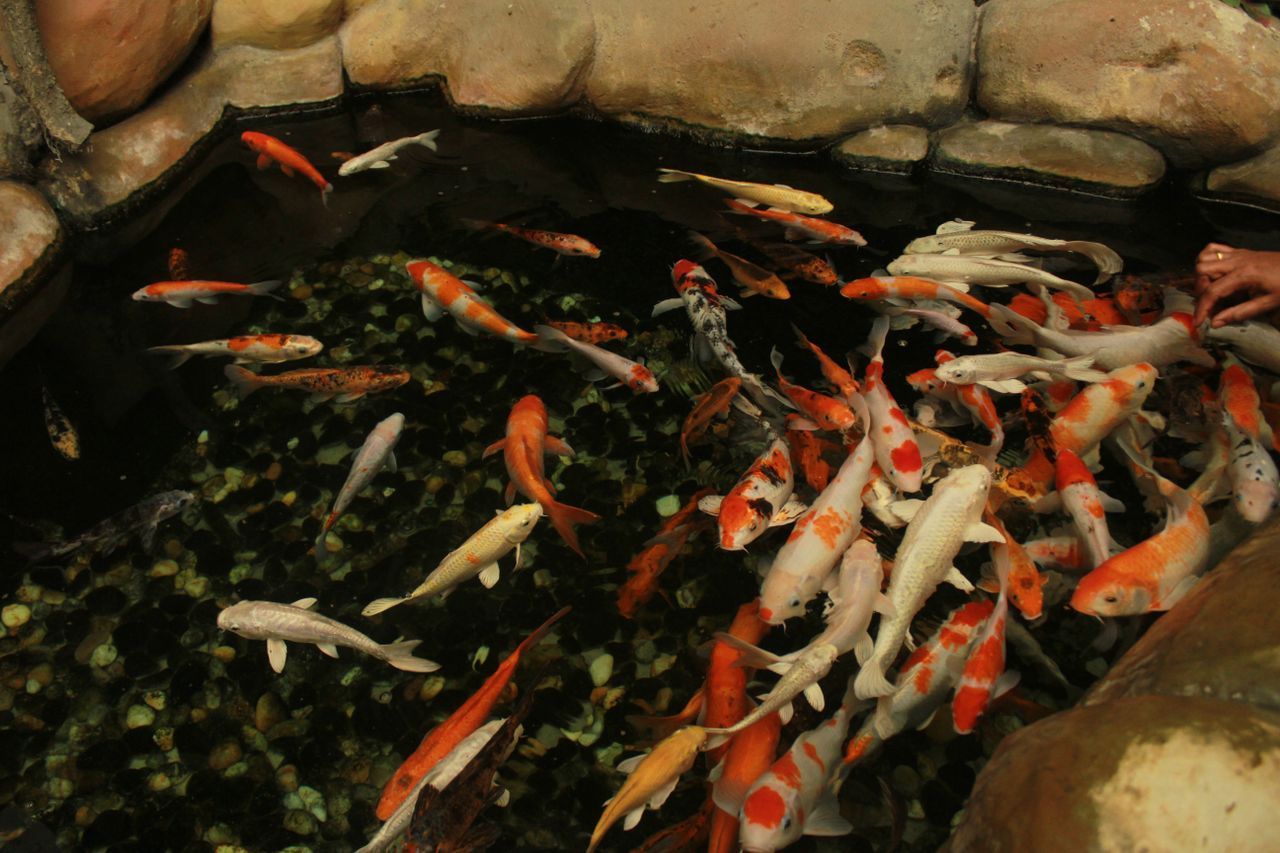
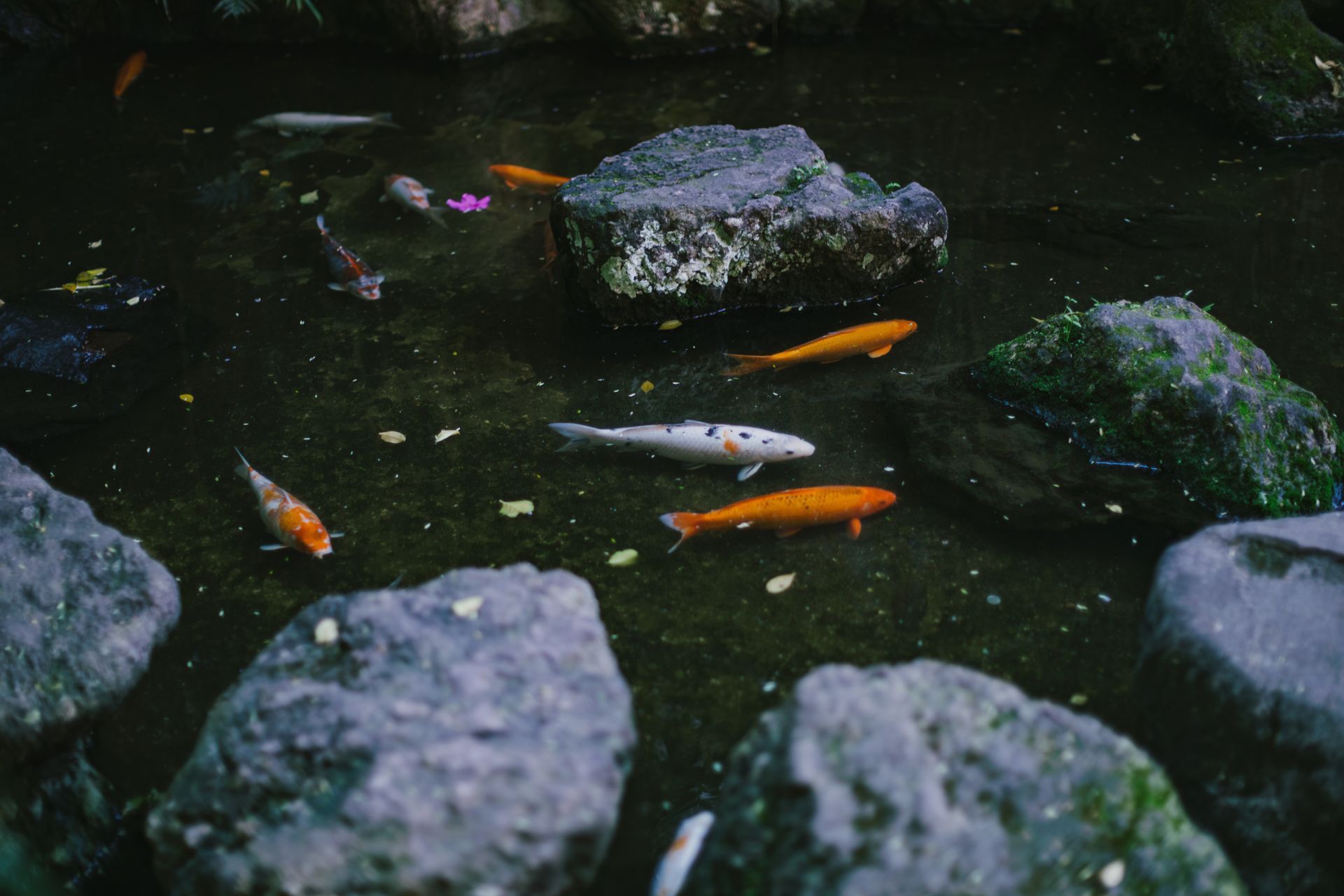
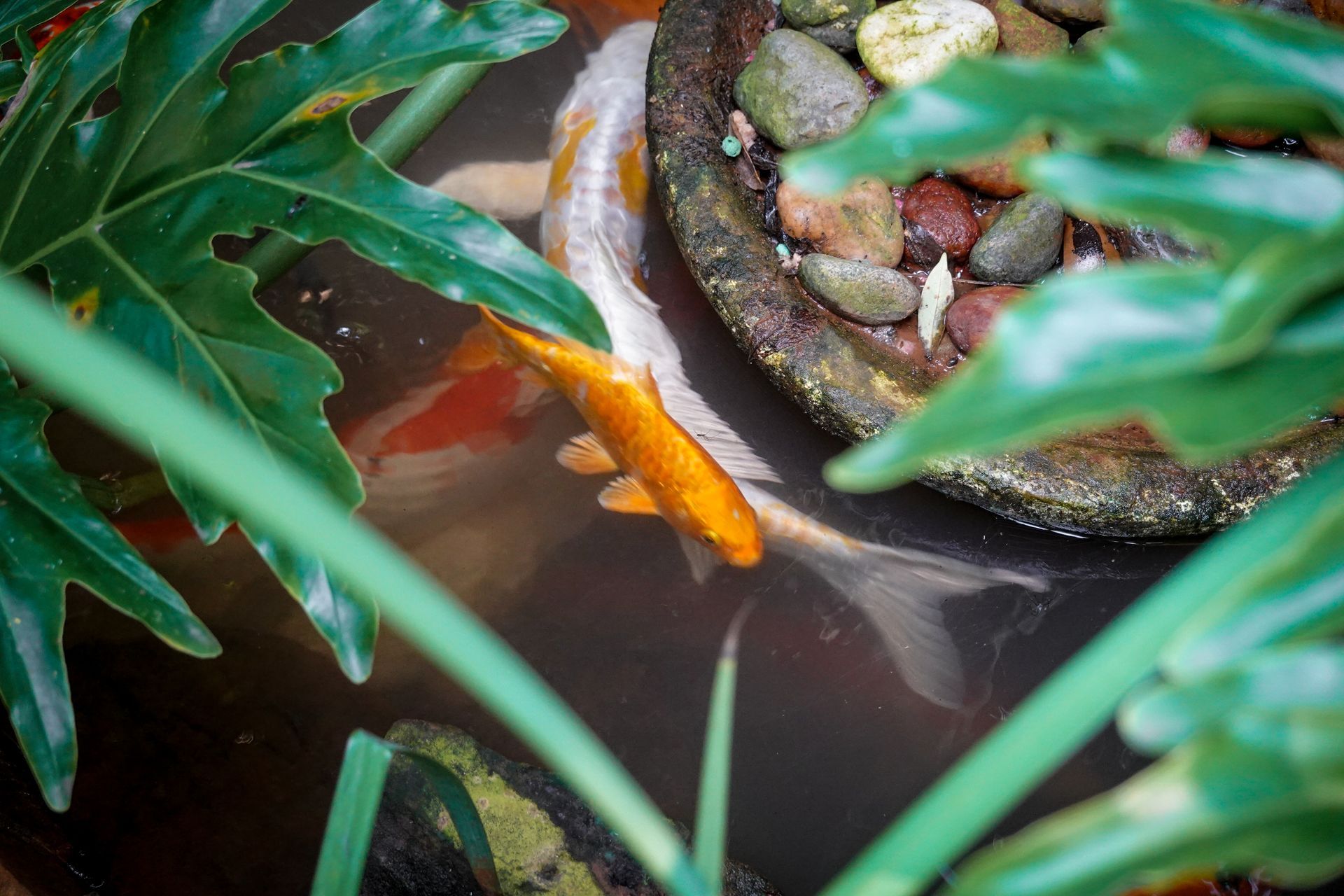
Koi are often the first to tell you that something in your backyard sanctuary needs attention.
In a healthy ecosystem pond, koi usually:
- Swim smoothly at different depths
- Cruise in loose groups, not crowded in one corner
- Come toward you with calm curiosity when you walk up
When things go wrong, their patterns change. Warning signs include:
- Gasping at the surface, especially near the waterfall or return jets
- Hanging still near the bottom with little movement
- Huddling near the skimmer where oxygen is higher
These behaviors can point to low dissolved oxygen, quick temperature swings or a spike in ammonia or nitrite. The sound of the waterfall might seem normal, but the fish are saying the water is not.
Appetite is another clear clue. Once water temperatures stay above about 50 to 55 degrees, koi should show a steady interest in food. Red streaks in the fins, clamped fins, rubbing on rocks or sudden weight loss are all early hints of stress from water quality or parasites. Koi are a long-term investment. With quick attention, they can live for decades in a backyard sanctuary designed by nature.
Watch how they use their space too. In a balanced pond, fish:
- Use the whole water column
- Slip in and out of caves and ledges calmly
- Do not spend all day hiding
If they suddenly become jumpy, hide constantly or bolt at every shadow, it might mean a predator has been visiting, or the environment no longer feels stable to them.
When Plants Speak Up: Stress Signals in Greenery
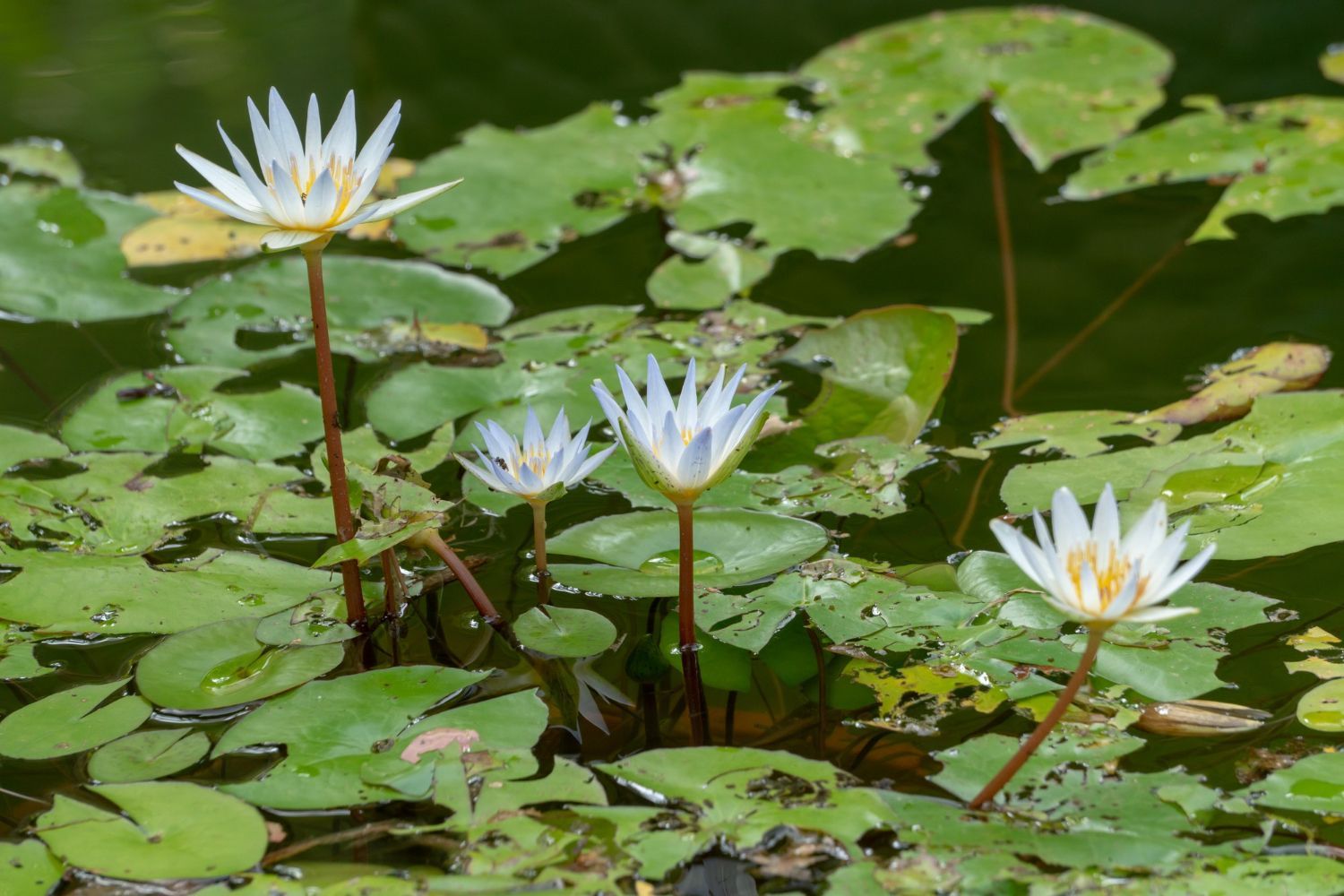
Pond plants are like living water tests. They quietly show you what is happening below the surface.
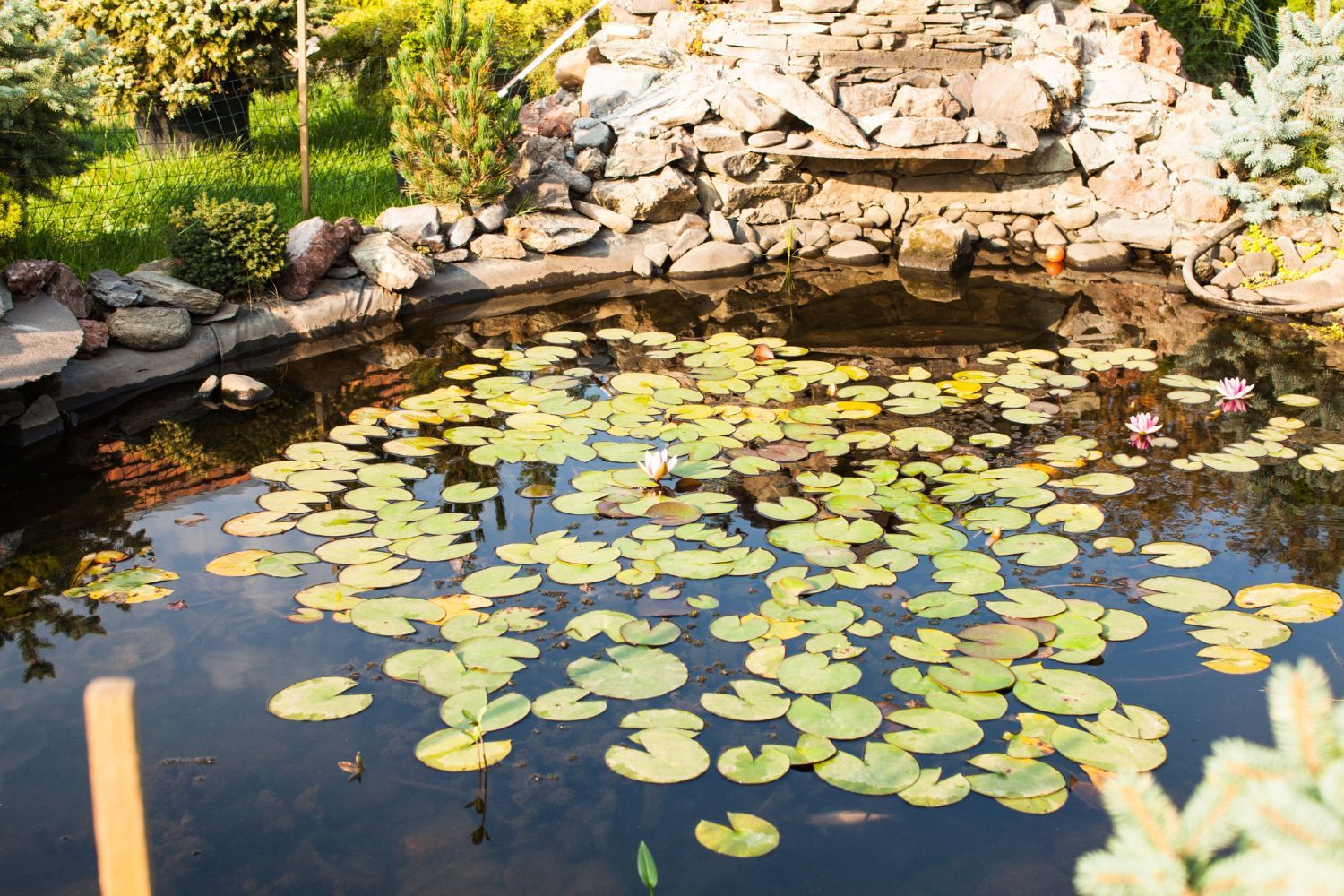
Marginal plants and water lilies should send up firm, green growth as days get longer. Early stress often shows as:
- Pale or yellow new leaves
- Small leaves that never seem to size up
- Long, weak stems stretching toward the sun
These can be signs that your plants are not getting the nutrients they need, or that your biological filtration is not fully keeping up as fish become more active.
Later in the season, watch for:
- Sudden yellowing of mature leaves
- Limp, collapsing stems
- Plants that stop growing while the pond is being fed normally
Quick changes like these can point to water chemistry swings or roots that have been disturbed by animals or shifting stone.
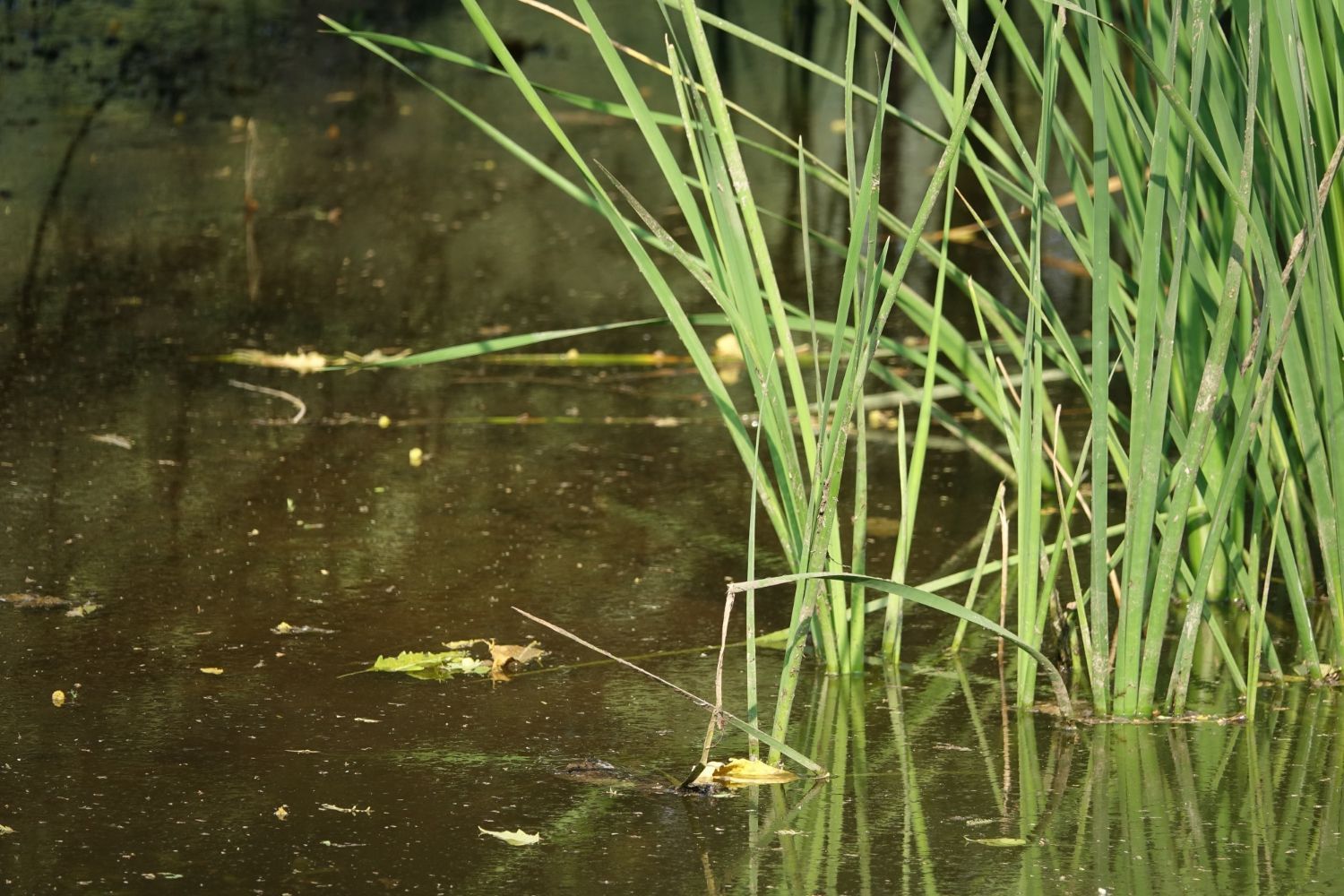
Algae adds another part to the story. A bit of string algae is normal, especially in spring. But when you see:
- Thick mats of string algae coating rocks
- Cloudy green water that does not clear
- Plants that stall while algae takes off
you are usually looking at a nutrient overload from uneaten food, leaf debris or heavy fish waste. In a designed-by-nature system, plants and beneficial bacteria should be winning the nutrient battle, not algae.
We also care about the “always belonged” look. A planting zone that used to look lush but now has bare spots, drooping clusters or plants toppling into the water may signal erosion or changing water levels. Simple seasonal checks, especially in spring, help keep plants rooted firmly so the pond still looks like it has been part of your yard for decades.
Foam, Odor, and Biofilm: What the Surface Is Telling You
The water surface is like the pond’s face, and it can tell you a lot at a glance.
Some light, short-lived foam on a strong waterfall is usually normal. It often appears after a rain or during pollen season and fades quickly. What you do not want is thick, cappuccino-like foam that hangs around in corners or at the base of the falls. That kind of foam often means:
- Dissolved organic material from fish waste
- Decaying leaves or plant matter
- Overfeeding or uneaten food building up
As temperatures rise, persistent foam is an early hint that biological filtration or cleaning habits need support before your fish feel the impact.
Smell is another simple health check. A healthy backyard sanctuary smells fresh and earthy, even on hot days. If you notice:
- A sulfur or “rotten egg” odor
- A sour, swampy smell when you stir rocks
- Strong smells in still corners
you may have stagnant areas or heavy muck trapped under rocks and gravel.
Biofilm is the thin layer on rocks where beneficial bacteria live. Slightly slick stones are normal and helpful. Trouble shows up when:
- Rocks feel thick, slimy and greasy
- Surfaces turn dark and slippery
- Water takes on a sudden hazy or brownish tint, especially after storms or heavy pollen
These are all signs to check skimmers, filters and basic maintenance before clarity drops in a big way.
Insect Life, Reflections, and the Five Elements of Balance
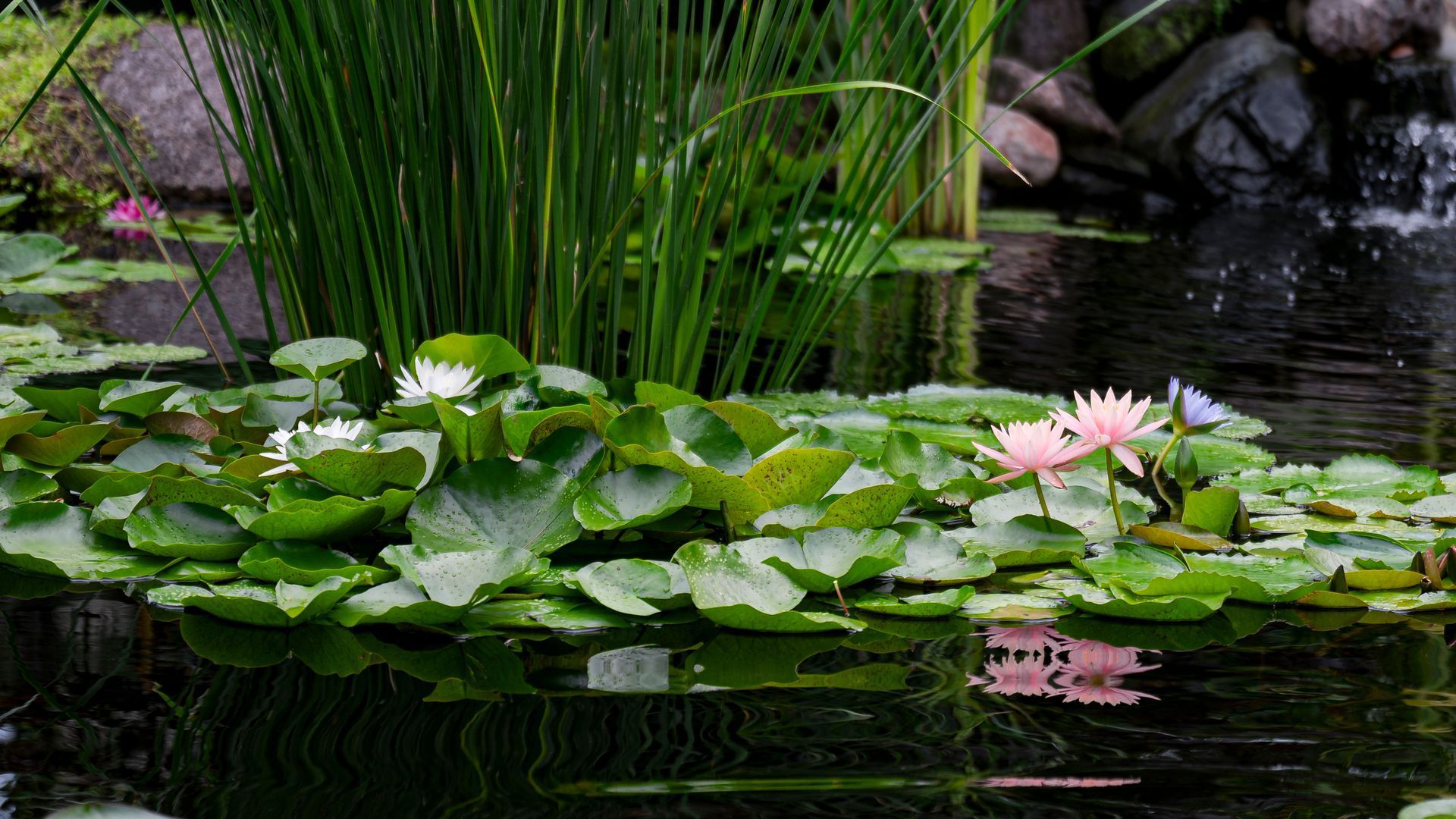
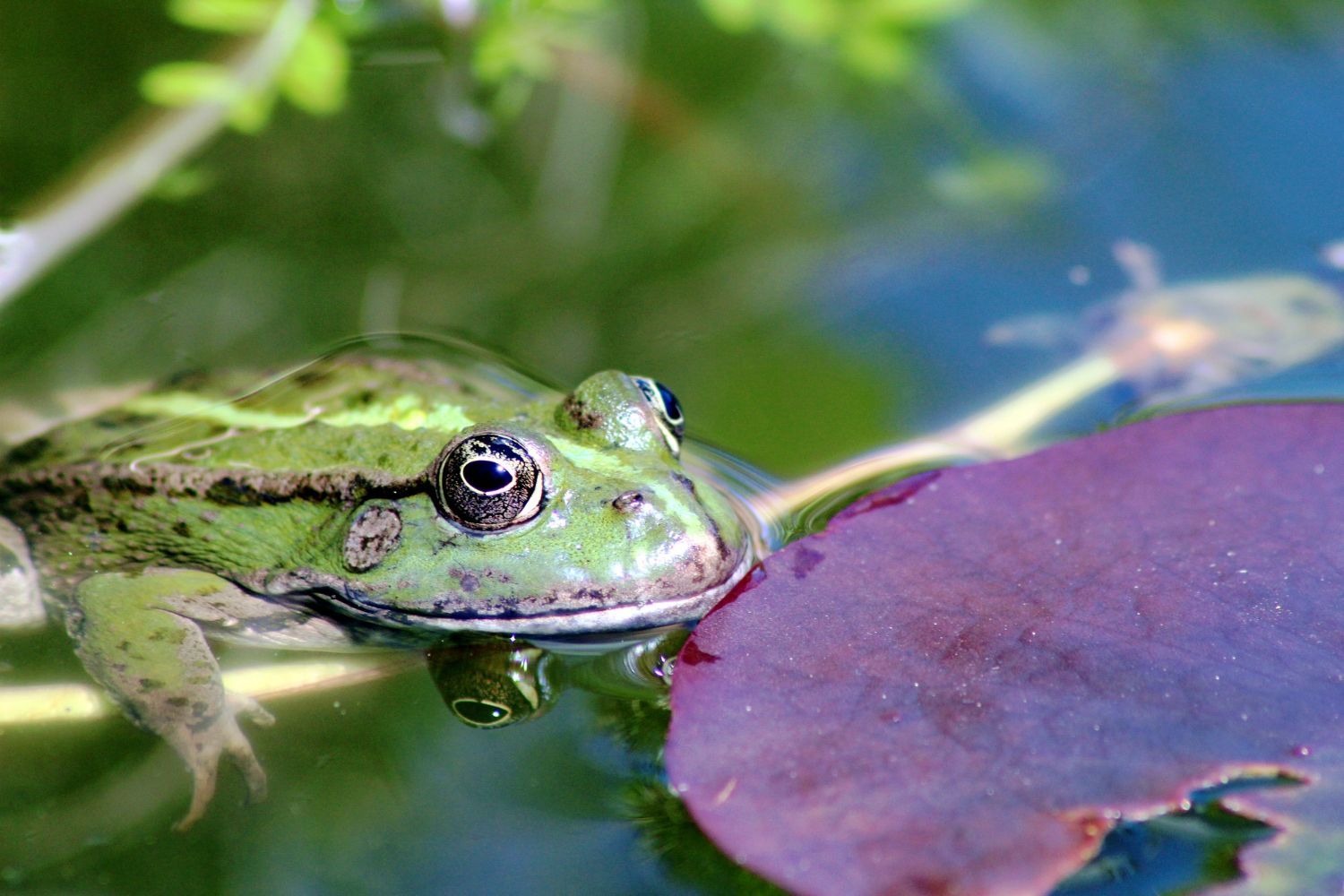
Insects and wildlife give honest feedback on how your ecosystem pond is doing. Dragonflies resting on plant stems, water striders skating across the surface and songbirds stopping by to drink are all signs of a thriving, life-friendly design.
On the other hand:
- A sudden surge in mosquitoes
- Still, scummy patches in corners
- A clear drop in dragonflies or other helpful insects
often means you have stagnant spots or clogged edges. Moving, oxygen-rich water is nature’s best mosquito control.
Underneath all these signs are the five elements of a healthy koi ecosystem:
- Filtration, both mechanical and biological, to catch debris and turn fish waste into plant food
- Rocks and gravel for huge surface area where bacteria can live and for that stable, natural look
- Plants to soak up nutrients, shade the water and soften edges
- Fish as active, colorful partners whose waste feeds the system
- Bacteria as the quiet work crew that keeps ammonia and nitrite from building up
Your senses help you check those elements. Notice how reflections sparkle, how deep you can see at different spots and how the ripples move. A waterfall that sounds flatter or weaker than normal may point to a clogged pump or filter, even before the flow looks slower.
Protecting Your Backyard Sanctuary Before Trouble Grows
Simple habits go a long way toward keeping your ecosystem pond balanced. Many homeowners find it helpful to do a quick five-senses check once a week in spring and early summer:
- Watch fish behavior and plant growth
- Listen for changes in waterfall sound and pump tone
- Feel rock surfaces for slimy buildup
- Smell for any rotten or sour scents
- Look for foam, hazy water or still, mosquito-prone corners
Light, regular care, like emptying skimmer baskets, checking that pump flow seems steady and having filters rinsed gently in pond water, supports long-term balance much better than waiting for a crisis.
It also helps to keep a simple log of water temperature, feeding and any changes you notice in fish behavior, especially as koi become more active. Protecting your fish investment is really about protecting the entire system of water quality, plants, bacteria and filtration. When an ecosystem pond is designed around natural principles and cared for with early attention to these small clues, your West Hartford backyard sanctuary can stay clear, alive and peaceful for years.
Get Started With Your Project Today
If you are ready to bring natural beauty and balanced water to your yard, we are here to design and build the ideal
ecosystem pond for your space. At PD Waterscapes, we focus on ponds that are easy to maintain and support healthy plants and wildlife. Share your vision with us so we can walk you through options, timing, and budget. If you would like to talk through ideas or schedule a consultation, simply
contact us.