Turn Your Backyard Into a Peaceful Retreat Before Spring Arrives
Adding a water feature to your backyard can completely change how the space looks and feels. The sound of moving water, the way light catches the surface, and the wildlife it attracts all add something that plants and hardscape alone cannot.
But before you start digging or shopping for pumps, it helps to think through a few basics. Connecticut's climate, with its cold winters and humid summers, affects what types of features work best and how much maintenance you can expect.
Your yard's size, slope, sun exposure, and proximity to trees all play a role too. Whether you're considering a simple bubbling rock, a small pond, or a more elaborate stream and waterfall setup, a bit of planning now can save you time, money, and frustration down the road.
Late winter is the perfect time to plan. The yard is bare, so it is easier to see the big picture. With a clear plan now, you can be ready for design, approvals, and installation in time to enjoy your new space as soon as the temperatures start to climb.
In Connecticut and Western Massachusetts, a little planning makes all the difference. Let us walk through the choices and details so your first water feature feels natural, low-stress, and right for your home and life.
Clarifying Your Vision: What Kind of Water Feature Fits Your Life
Before anyone touches the ground, it helps to picture how you want your backyard to feel. Different water features create different moods.
Some popular styles include:
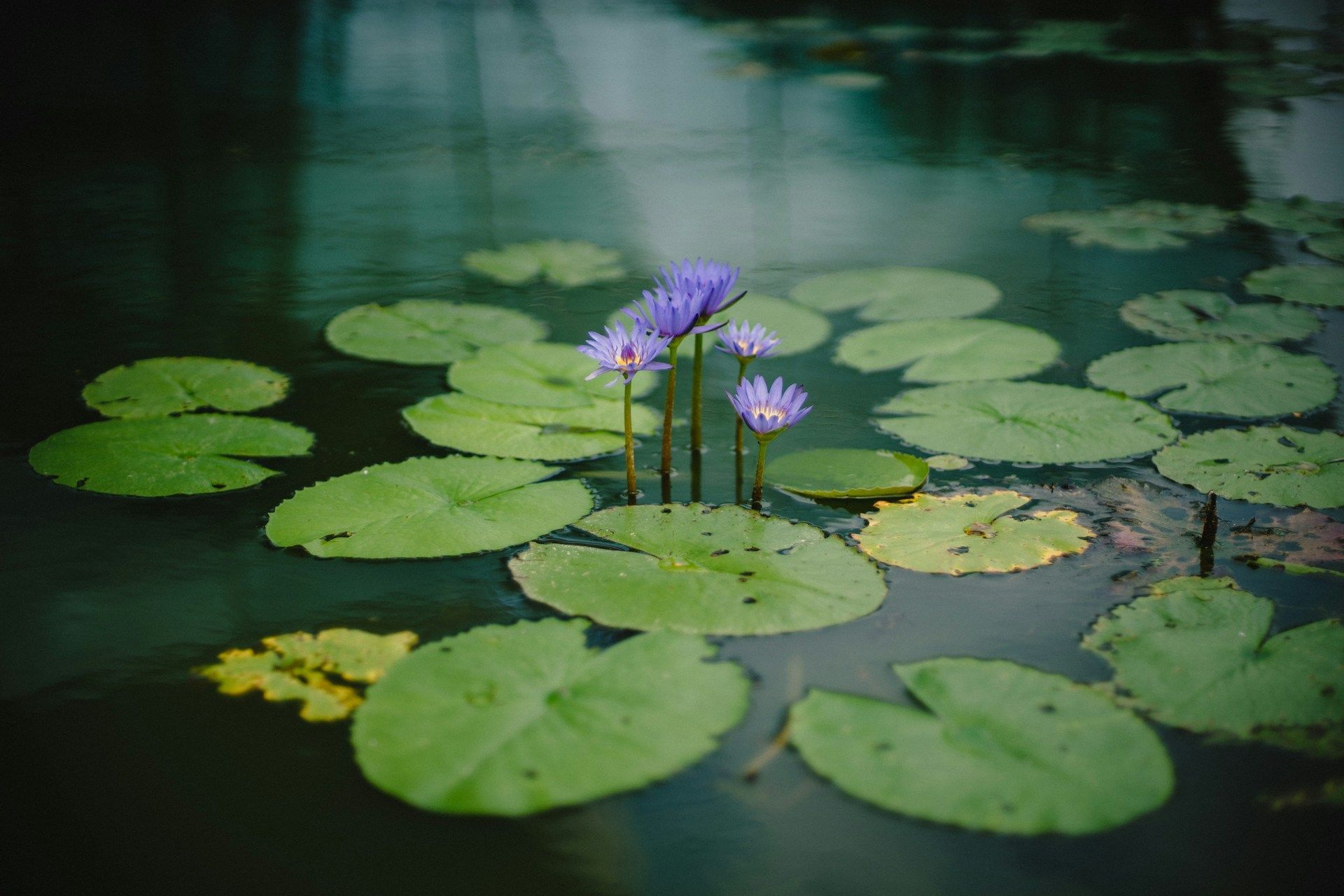
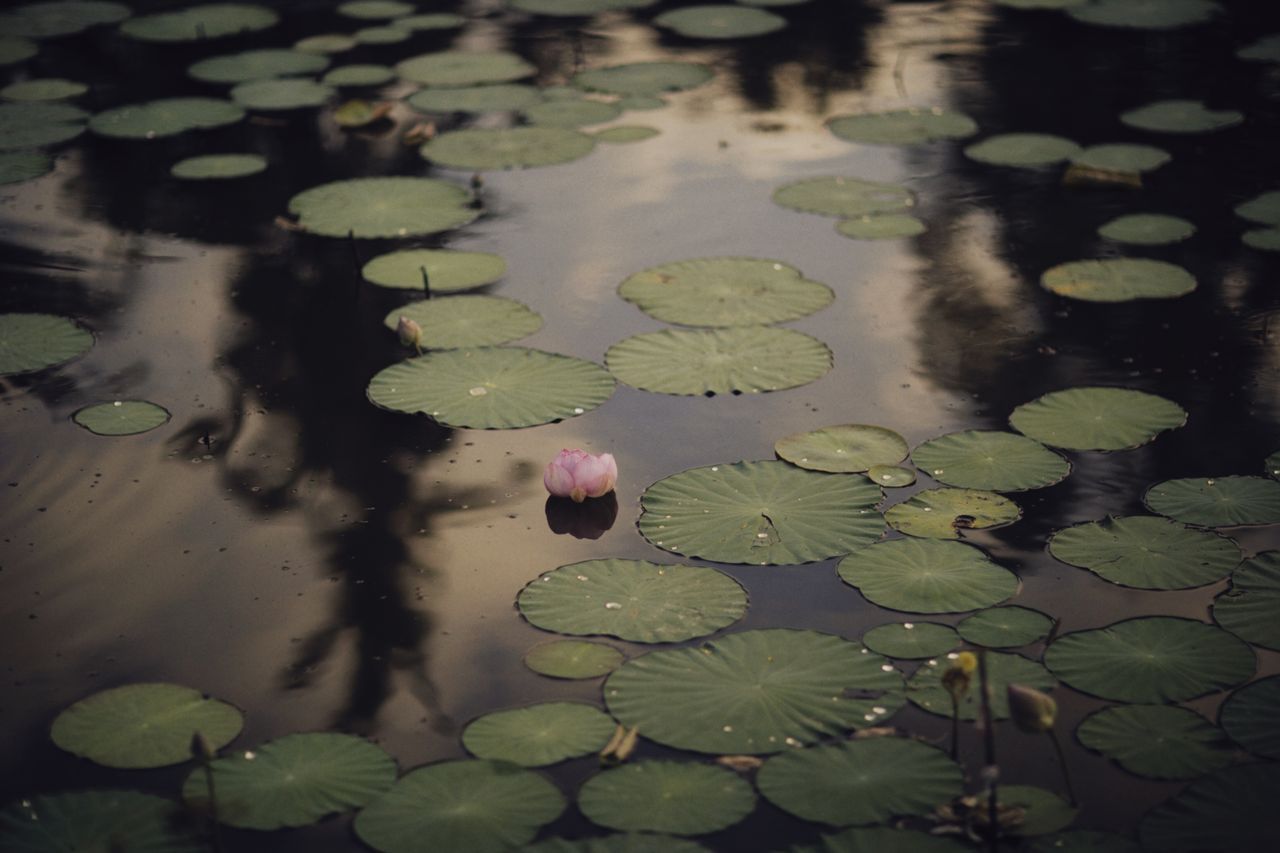
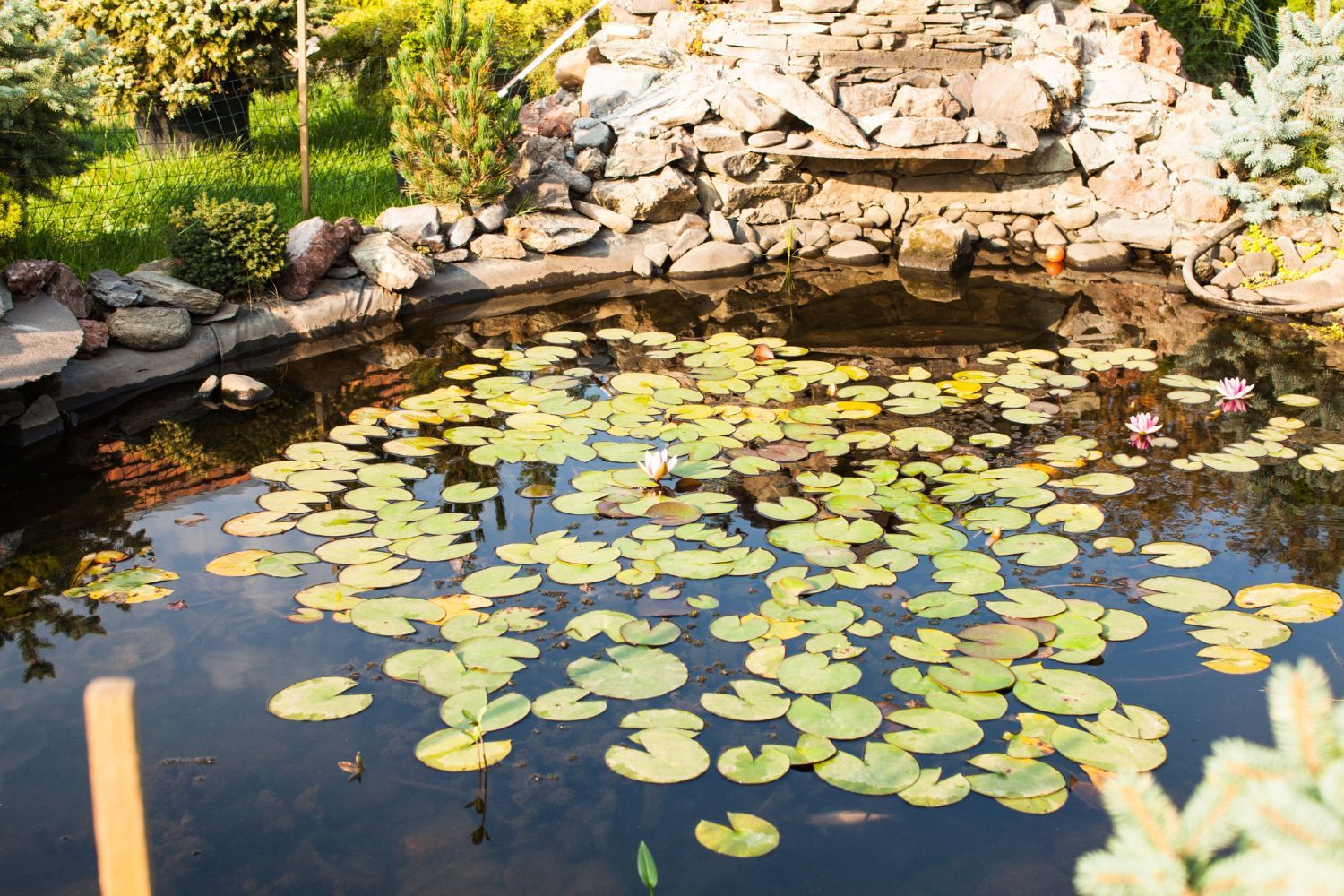
- Natural-looking ponds with rocks, plants, and a relaxed feel
- Pondless waterfalls where water disappears into a hidden basin
- Decorative fountains that add movement and sparkle
- Bubbling urns or rock columns that give sound in a smaller space
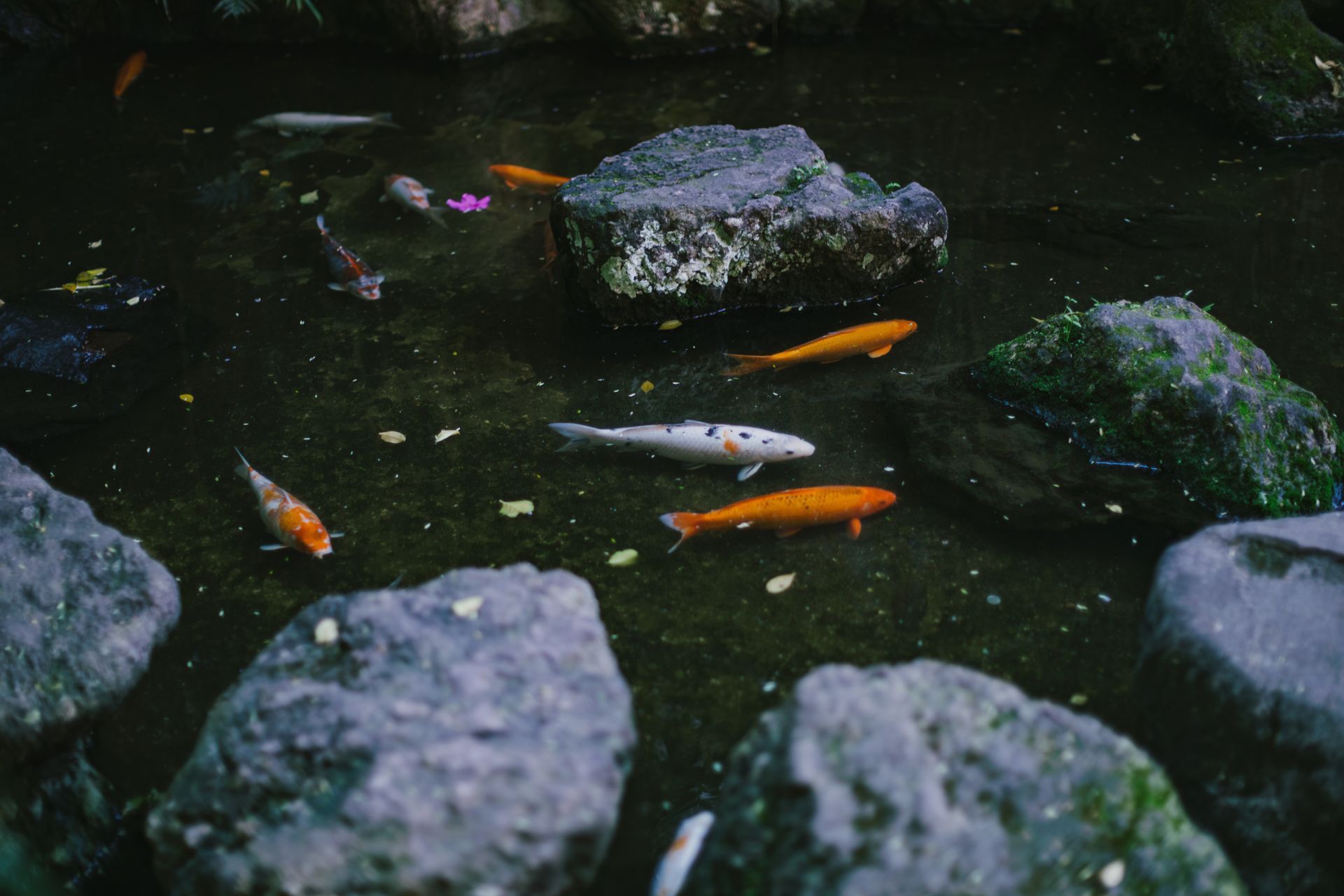
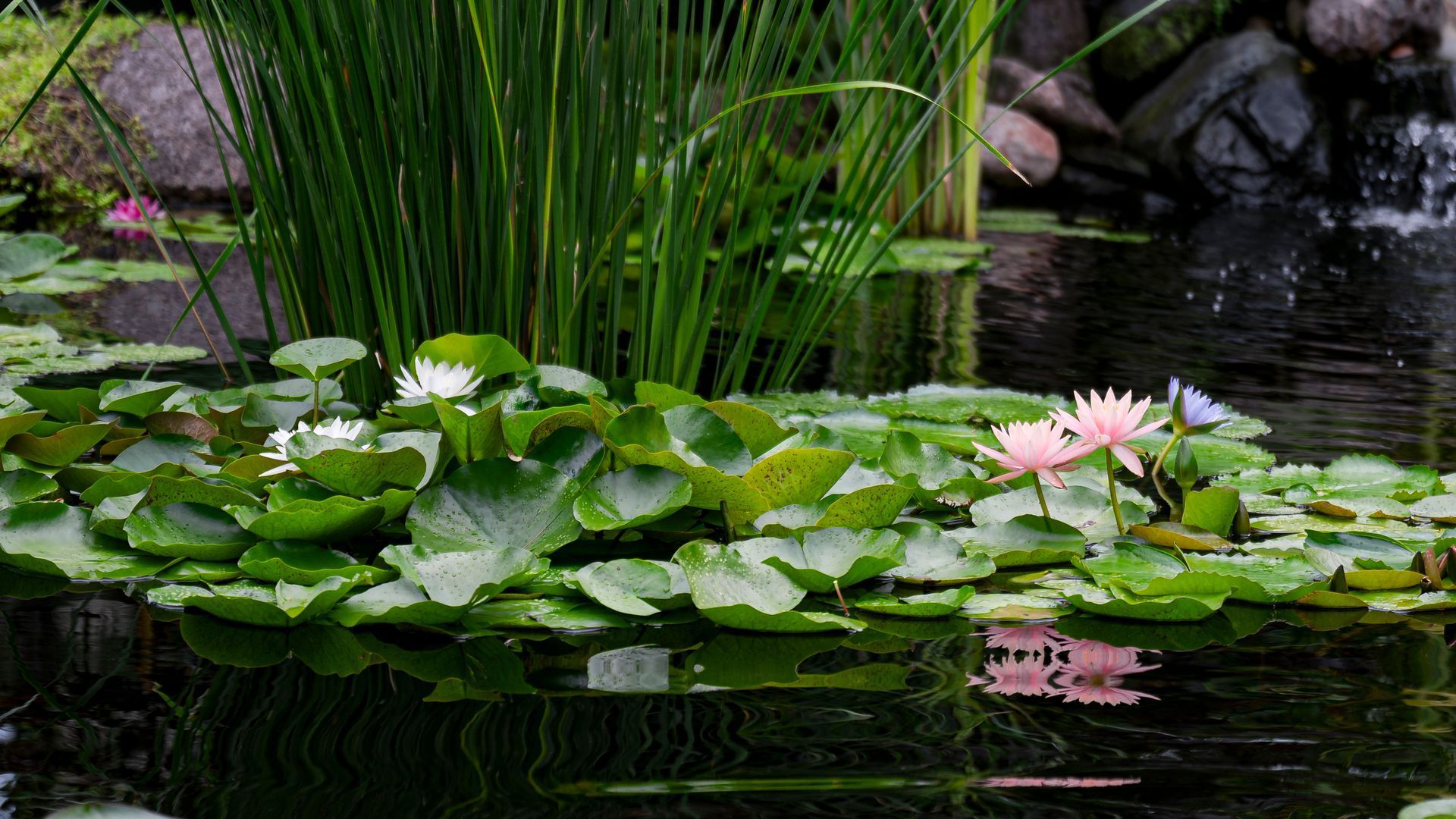
If you love nature and gardening, a pond can be like having a small world in your yard. You can watch water move, see reflections, and enjoy plants around the edges. If you have young kids or pets and want sound without open water, a pondless waterfall can be a good fit. You get that rushing or gentle flow, and the water collects in a hidden area.
Think about how you use your outdoor space now. Do you want a quiet corner for coffee or reading? Do kids run around and play? Do you often sit inside but look out the window? Your answers will guide the best style and location.
Sound matters too. Some people like a bold, steady waterfall that covers street noise. Others prefer a soft trickle that feels calm and light. The type and height of the water feature will change how strong the sound is.
We also suggest paying attention to what you are drawn to when you see pictures of water features. Notice:
- Rock size and color
- The mix of plants and stone
- Overall feel, wild and natural or clean and formal
- How big or small the feature looks in the yard
Collecting a few favorite images can help you and your designer speak the same visual language.
Designing for New England Yards: Site, Size, and Seasonal Factors
Connecticut and Western Massachusetts yards bring their own set of details to think about, especially in winter. Snow, ice, and freeze-thaw cycles all matter when planning ponds and waterfalls.
Location is a big one. We usually look at:
- Sun and shade across the day
- Slope or uneven ground
- Distance to patios, decks, and main windows
- Access for installation equipment and future care
Placing water features where you can see them from inside adds a lot of value. On cold days, you might only step out for a moment, but you can still enjoy the view from the kitchen table or living room.
The sun is helpful for many aquatic plants, but too much direct light without the right design can encourage algae. Heavy shade helps keep the water cooler, but lots of overhanging trees can mean more leaf cleanup. A good plan balances these trade-offs so your system stays healthy and easier to care for.
Size is another key choice. A small feature tucked in a tiny corner can feel cramped. A large pond squeezed into a narrow yard can feel out of place. The goal is for it to look like it belongs there, as if the yard grew around it.
New England winters also shape how we design. Proper depths, the right plumbing layout, and smart equipment placement all help protect your feature in cold weather. When the temperature drops, you want peace of mind that things are set up to handle freezing conditions without damage.
Planning in February gives time to think through all of this calmly. It also helps with scheduling and any approvals from a town or homeowners group that might be needed before work starts.
Budgeting Smartly: What Drives the Cost of Backyard Water Features
Even without talking numbers, it helps to know what usually shapes the cost of water features. The main factors often include:
- Size of the pond, waterfall, or fountain
- Type of feature, such as pond, pondless, or decorative fountain
- Rock style, edging, and other materials
- Filtration system and pump quality
- How easy or tricky the yard is to reach and work in
In general, the small decorative fountains and bubbling elements tend to sit at the lower end. Medium pondless waterfalls or streams often land in the middle. Larger ecosystem ponds with extra features like longer streams and lighting are usually at the higher end.
A clear budget range helps a professional designer suggest options that still look beautiful and natural. It might mean adjusting the length of a stream, the size of a pond, or the type of rock, all while keeping the overall feel you want.
Quality equipment and thoughtful plumbing can make a big difference long-term. Energy-efficient pumps, well-planned filtration, and solid installation can help keep maintenance and operating needs more manageable in our climate. Detailed proposals that explain materials, labor, and optional extras like lighting, seating areas, or plant packages can help you understand exactly what you are choosing.
Planning for Low-Maintenance Enjoyment All Season Long
Many homeowners worry that ponds will become a full-time chore. The good news is that modern systems are designed to run with less effort when they are set up correctly.
Biological filtration, skimmers, and good circulation all work together to keep water clearer and healthier. When these pieces are matched to the size and style of the feature, day-to-day care is usually simple.
Maintenance through the year often looks like:
- Spring:
basic checks, turning equipment back on, and making sure everything is flowing well
- Summer: emptying a skimmer basket, light rinsing of filters, and checking water levels
- Fall: using nets where needed, clearing leaves, and getting ready for cold weather
- Late fall and early winter: winter prep steps so the system is safe for freezing temperatures
Most of these tasks are quick once you know your setup. For anyone who prefers not to handle this on their own, professional maintenance plans are another option.
Design also plays a big part in keeping life simple. A few helpful choices are:
- Placing water features where leaf and debris drop is not extreme
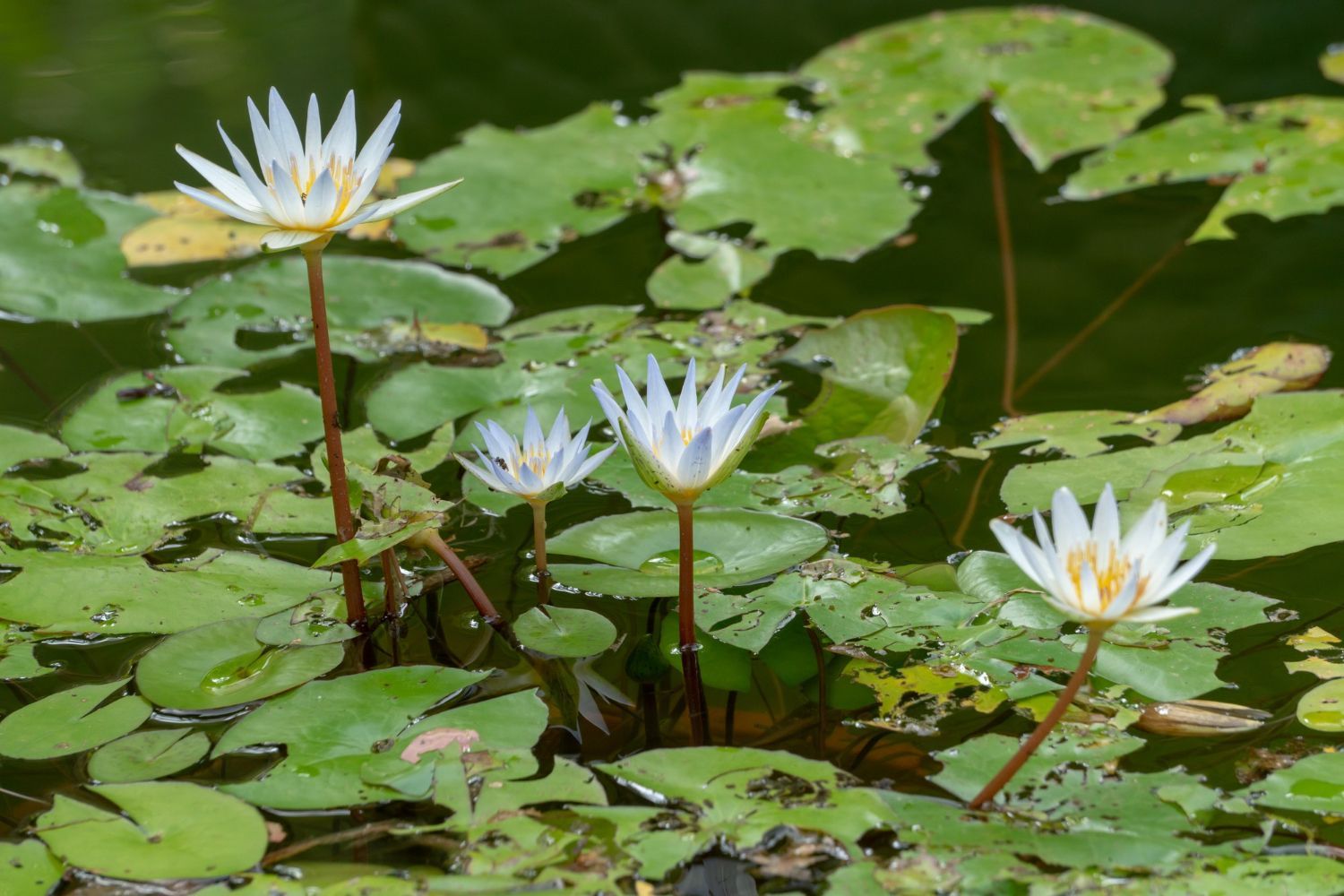
- Choosing hardy aquatic and nearby plants suited to the region
- Adding lighting so you can see edges and paths in the evening
- Making sure there is safe, easy access to key parts of the system
Thinking about care at the planning stage means more time sitting beside the water and less time worrying about it.
Taking the Next Step Toward Your Own Backyard Waterscape
Late winter is a quiet but powerful time for planning. You can walk your yard with a warm coat on, listen to the current sounds, and picture where you would like to hear water. Do you want a soft trickle near a small seating area, or a stronger waterfall closer to the patio? Are you drawn to ponds, or does a compact fountain feel more your style?
You might start a simple list of priorities. Safety, wildlife, the view from inside, space for entertaining, or a personal quiet corner. Look at a few photos of water features and note what pulls you in so a designer can help turn that into a plan that fits Connecticut and Western Massachusetts yards.
If you are unsure, beginning with a smaller feature can be a smart move. A bubbling urn or a modest pondless waterfall can completely change how a space feels without taking over your yard. From there, you can always grow your waterscape over time.
At PD Waterscapes, we design, install, and maintain custom ponds, waterfalls, and fountains that are tailored to each property. We focus on natural-looking, low-maintenance water features that feel like they truly belong in your backyard.
When winter is still holding on and you are thinking ahead just a month or so, it is the perfect moment to plan the peaceful outdoor space you want. With the right design and support, you can step outside soon to the sound of water, take a deep breath, and feel like you have your own small retreat right at home.
Transform Your Outdoor Space With Custom Water Features
If you are ready to bring movement, sound, and tranquility into your landscape, PD Waterscapes can design and build the perfect
water features for your property. We listen to your goals and tailor every element to fit your space, style, and budget. Let us help you create an outdoor retreat you will enjoy every day. If you are ready to start planning,
contact us today.