Get Your Backyard Oasis Spring-Ready
As the ice melts and the days start to feel softer in Connecticut and Western Massachusetts, your pond is ready to wake up. Early spring, from late March into April, is the sweet spot. The water is still cool, plants are just starting to stir, and it is the perfect time to get everything back in shape.
Good spring pond maintenance sets the tone for the whole warm season. Clear water, relaxed fish, and the gentle sound of moving water do not happen by accident. A little planning now helps prevent cloudy water, stress on your fish, and constant headaches later.
This simple checklist walks you through what should happen in spring. Some homeowners may feel comfortable doing light visual checks, but many of these steps are best in the hands of a pond professional who understands how all the pieces work together. That is where a team that focuses on custom water features can really help.
Inspect Your Pond After Winter Thaw
Once the ice is gone and you can see the full pond again, it is time for a careful look.
Start with the structure and equipment. Walk slowly around the edge and look for stones that shifted, edging that lifted, or areas where frost pushed things out of place. Check any visible liner, skimmer openings, and waterfall boxes for tears, gaps, or loose fittings before you run everything full-time.
Take a close look at lighting, pumps, and electrical connections. You want to be sure cords are not pinched, cracked, or sitting in spots where they could be damaged. If anything looks off, it is safer to pause and have a pond professional check it before running power.
Next, watch the water level over a few days. A tiny change can be normal, especially on windy or sunny days, but steady loss can point to a leak. Soggy areas near the pond, especially along waterfalls and streambeds, often show where water is sneaking out of the system. When you see that, it is usually time to bring in a pond specialist who can test, find, and fix the problem without guesswork.
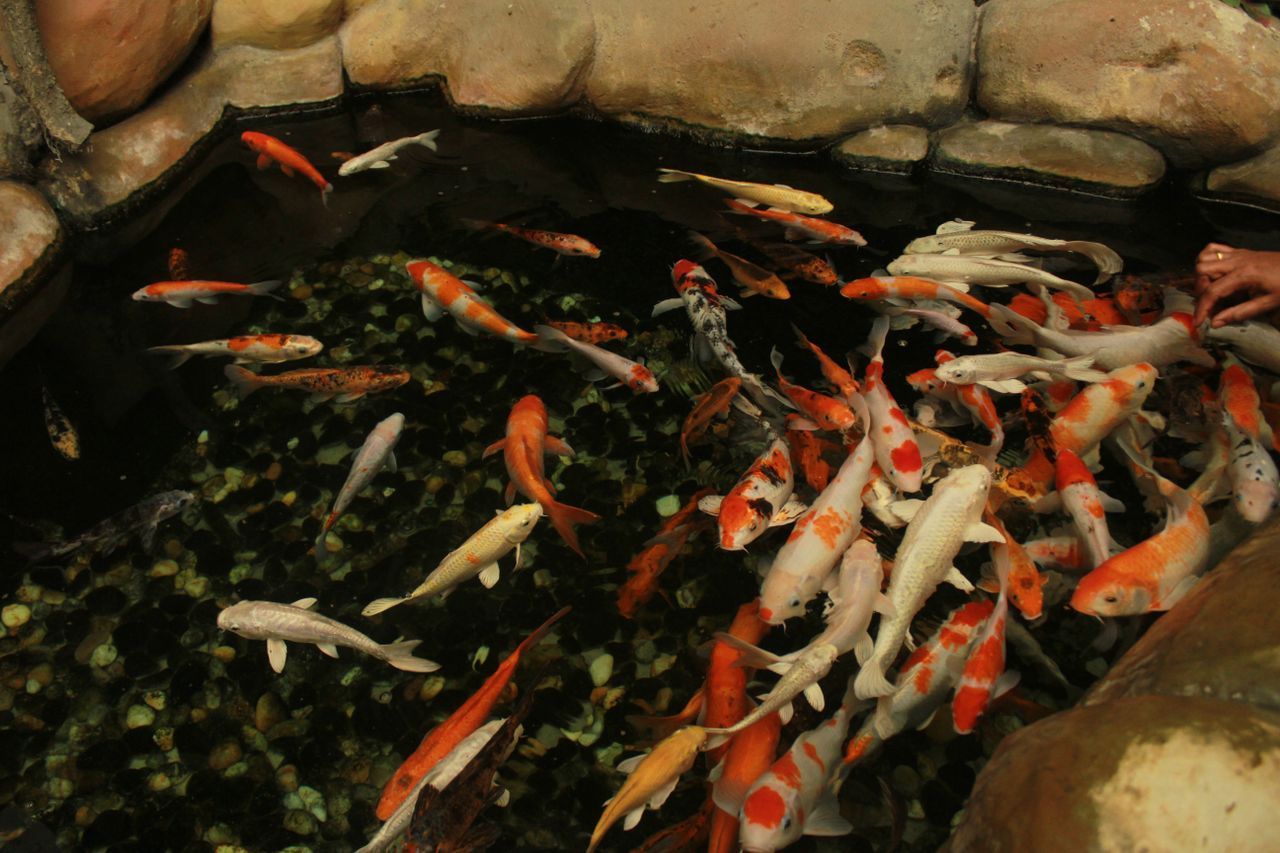
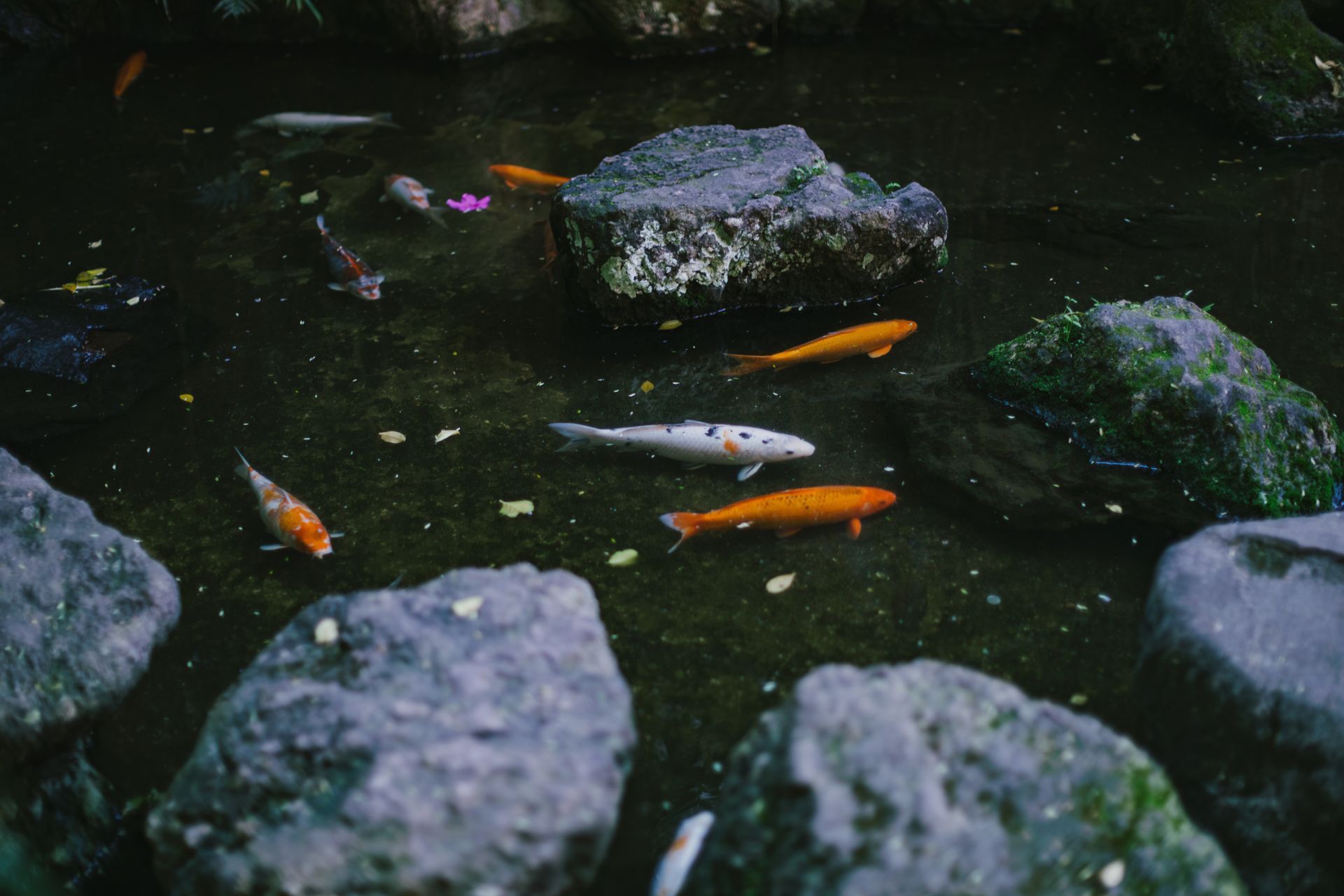
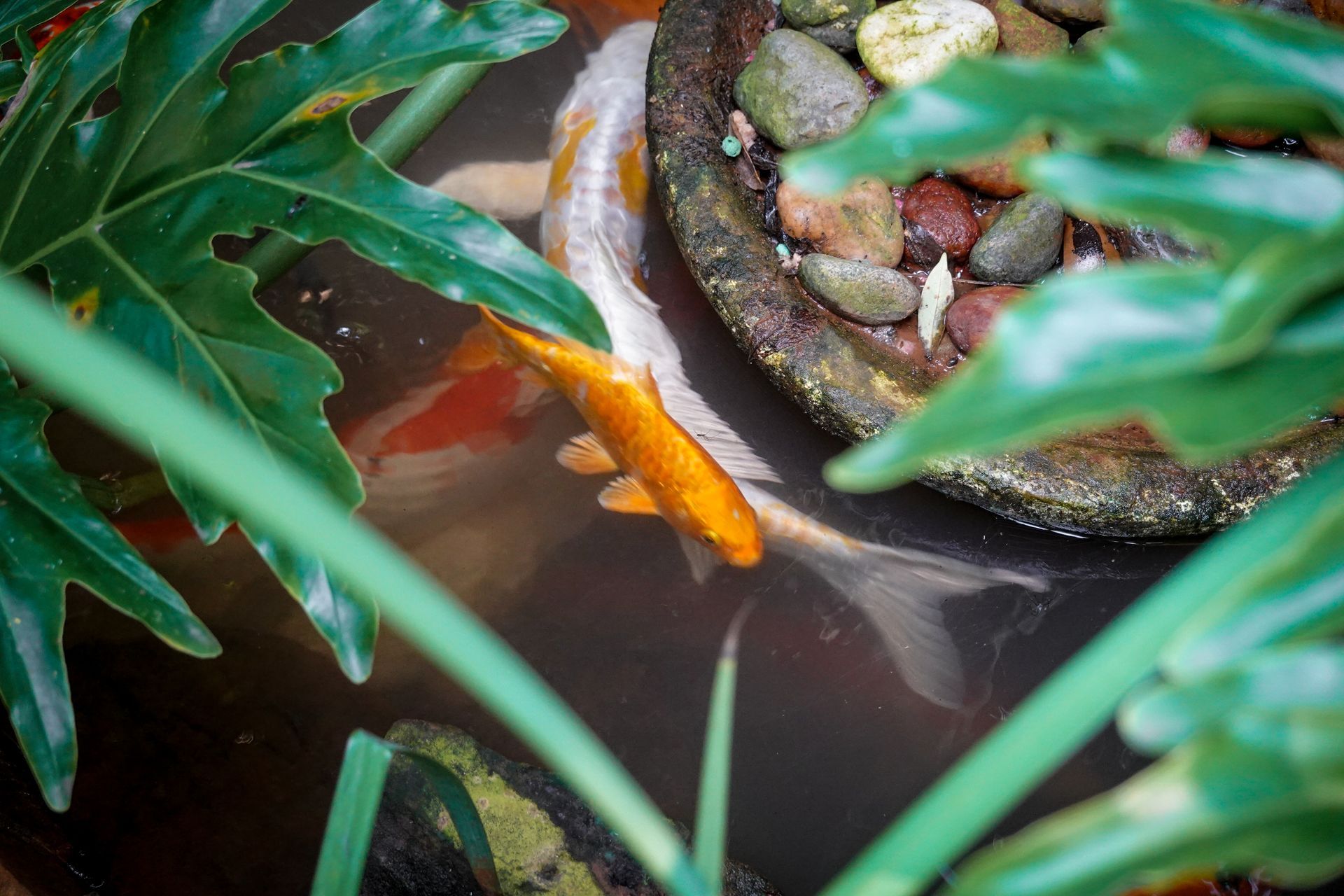
Fish and plants also need a quick spring health check. As water temperatures move above the freezing point, look at fish behavior. Do they swim calmly, or do you see sores, clamped fins, or odd rolling? Hardy plants may have dead stems from the winter. These should be trimmed away before they rot and feed algae. If some plants are missing or clearly damaged, it is a good time to plan for replacements so your pond stays balanced.
Clear Winter Debris and Refresh Your Pond Water
Once you know the pond is sound, the next step is cleaning out winter leftovers. This is a big part of spring pond maintenance and has a big impact on how clean the water looks and smells as the weather warms.
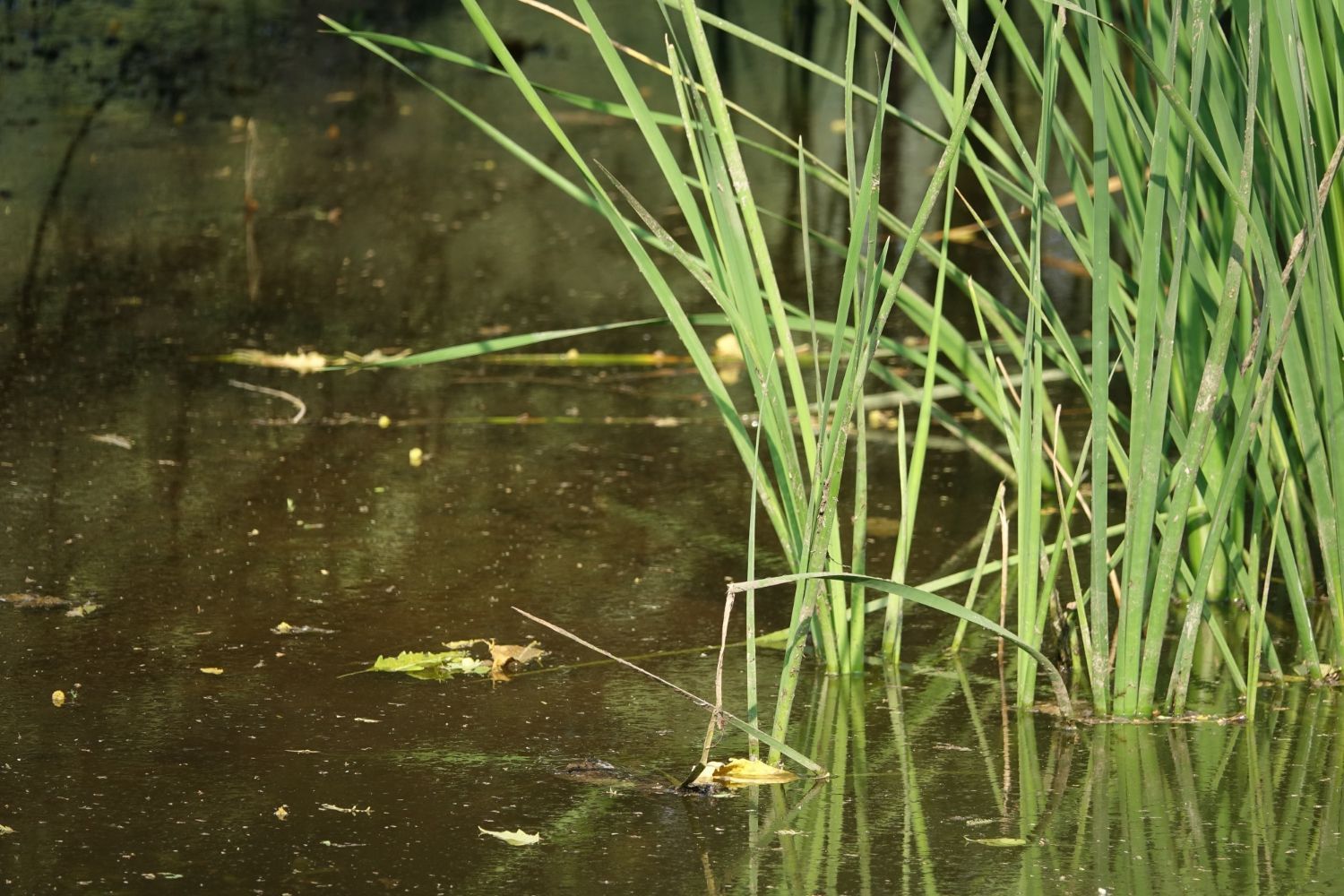
Leaves, twigs, and wind-blown junk tend to gather in corners and on the bottom. A pond net or skimmer net can help clear the surface and easy-to-reach spots. Heavier sludge on the bottom should be removed with care. It is easy to stir up muck and stress fish or upset the helpful bacteria that live in your pond, which is why many pond owners prefer to have a professional handle this deeper cleaning.
Not every pond needs the same level of spring clean-out. Some ponds do well with a lighter touch, like debris removal, a filter rinse, and a partial water change. Others need a full clean-out if the water is very dark, has a strong odor, or has more than a thin layer of muck on the bottom. Larger ponds, koi ponds, and ponds with long or stacked waterfalls often benefit from a pro doing a full clean-out so nothing gets missed.
A safe water refresh is also important. A gradual change of part of the pond water helps dilute extra nutrients that can spark algae. Fresh water should be treated to remove chlorine and should be as close in temperature as possible to the pond water so fish are not shocked. Adding water conditioners and beneficial bacteria can help jump-start a balanced pond, especially after the winter slowdown.
Restart Your Filtration, Pumps, and Waterfalls
When the pond is clean and checked over, it is time to bring the heart of the system back to life.
Start with the pump. The intake, impeller, and housing should be cleaned so small stones, leaves, or stringy debris do not block flow or cause overheating. It is a good moment to confirm the pump size and placement are still right for your pond, especially if you changed anything last year. Turn the pump on and let it run while you watch the water. Listen for strange noises and look for weak areas in the flow.
Filters are the next key piece. Mechanical filter pads should be rinsed with pond water, not tap water, so helpful bacteria are not wiped out. Biological media should be checked for clogs and only replaced where needed. Strong, steady filtration supports fish health and makes it easier to control algae as the days get brighter.
For waterfalls and streams, spring is the perfect time to fine-tune. When you turn the waterfall on, watch for any place where water slips behind rocks or spills outside the liner. Adjust loose stones or add support so water returns to the pond instead of washing out soil. You can also adjust the flow so the sound fits what you like, from a soft trickle to a more lively splash.
Here are a few quick spring restart checks many homeowners find helpful to review with a pro:
- Is the pump pushing water smoothly with no surging?
- Are filters seated correctly and free of major clogs?
- Is all water from the waterfall landing back in the pond?
- Are electrical cords protected and safely placed?
Prepare Fish, Plants, and Water Quality for Warmer Weather
Fish wake up slowly with the pond. When water temperatures hold in the mid 40s to around 50 degrees Fahrenheit, it is time to shift them gently out of winter mode. Feeding should start light, with food that is easier to digest in cooler water. As fish get more active and temperatures keep rising, feeding can adjust. If you see gasping, flashing, or unusual spots, it is usually best to contact a pond professional who knows how to read those signs.
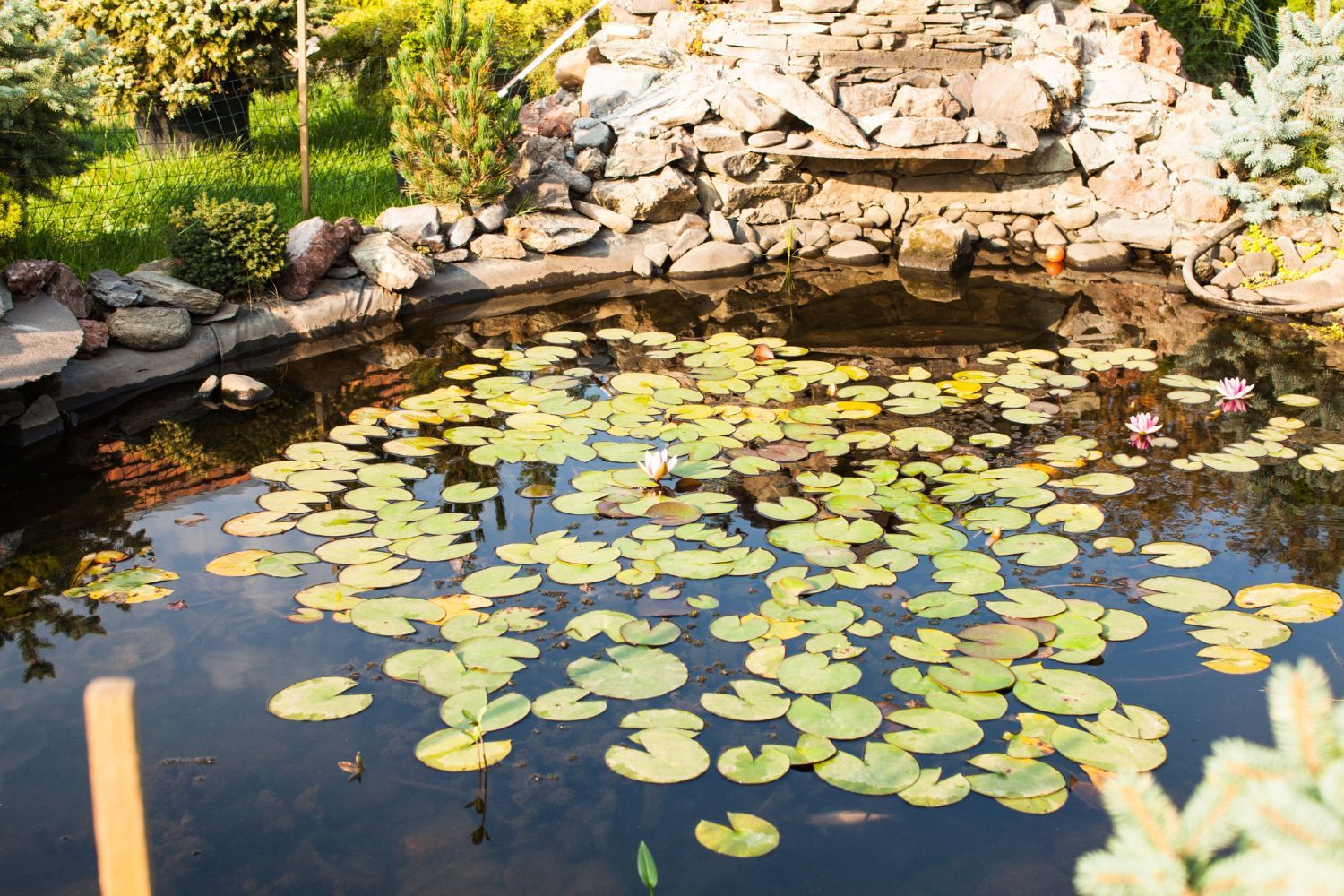
Plants help keep the whole system steady. Spring is a great time to trim dead foliage so it does not break down in the pond. Overgrown plants can be divided and repotted, and marginal plants can be set back in place so they do not take over. A mix of submerged, marginal, and floating plants creates shade, gives fish hiding spots, and naturally competes with algae.
Water quality is the quiet part of pond maintenance, but it matters a lot. Simple tests for pH, ammonia, nitrites, and nitrates give you a clear picture. Safe ranges help fish stay relaxed and active. Any changes should be slow and gentle, never rushed. Beneficial bacteria, good aeration, and avoiding crowding too many fish into the pond all work together to keep the water stable as the days grow warmer.
Many homeowners find it helpful to talk through test results with a pond specialist who can guide the next steps, instead of guessing with different products.
Set Up a Simple Pond Care Routine for the Season Ahead
Once your spring work is done, it helps to turn this checklist into a simple plan for the coming months. Breaking tasks into small weekly or monthly steps makes things less stressful and helps prevent problems.
A basic routine can include:
- A quick skim of leaves or pollen from the surface
- A fast look at pumps, filters, and waterfalls
- A visual check of fish, plants, and water clarity
- Noting any changes in water level or unusual odors
Consistent light care is much easier than sudden big fixes later. A steady plan also supports healthier fish, clearer water, and a more relaxing backyard space. This is where having a professional partner really helps keep pond maintenance smooth and predictable.
There are times when calling in a pro is the safest and smartest choice. Leaks, major clean-outs, tricky pump sizing, or repairs in hard-to-reach spots are all situations that can quickly get frustrating if you try to handle them alone. Seasonal or annual maintenance visits can keep your pond on track with less effort from you, especially in the changing spring weather in Connecticut and Western Massachusetts.
Once your pond is cleaned, checked, and flowing again, take a moment to simply sit and listen to the water. That quiet sound is what all this care is for. At PD Waterscapes, we design, install, and maintain custom ponds, waterfalls, and fountains across Connecticut and Western Massachusetts and we know how much joy a calm, clear pond can bring. A little attention in early spring can turn your backyard water feature into a peaceful, low-stress retreat for the rest of the season.
Keep Your Pond Clear, Healthy, And Worry-Free
If you are ready to enjoy your water feature instead of constantly troubleshooting it, let PD Waterscapes handle the ongoing care. Our professional
pond maintenance plans are tailored to your pond’s size, equipment, and unique conditions so issues are caught early and solved properly. Whether you need a one-time service or a long-term partner, we can help restore clarity, balance, and reliability to your pond. If you have questions or would like a customized quote,
contact us today.